Toyko- The City That Runs Like Clockwork
Tokyo is enormous.
Not big. Not busy. Enormous.
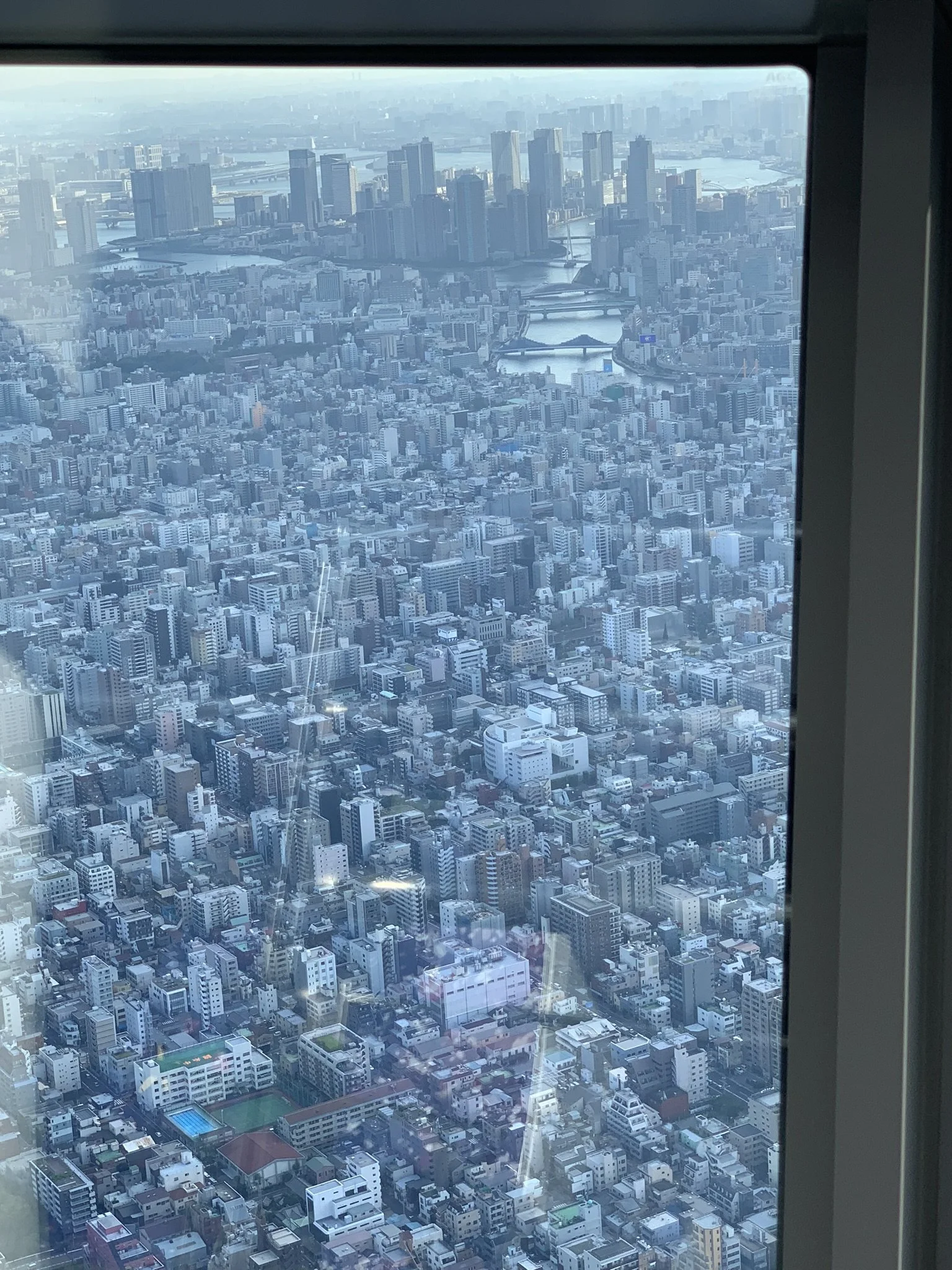
The first time I really understood the scale of this city was standing high above it, looking out from Tokyo Tower. I took what I can only describe as a gazillion photographs because I couldn’t quite believe what I was seeing. Buildings stretched in every direction, district after district disappearing into the horizon.
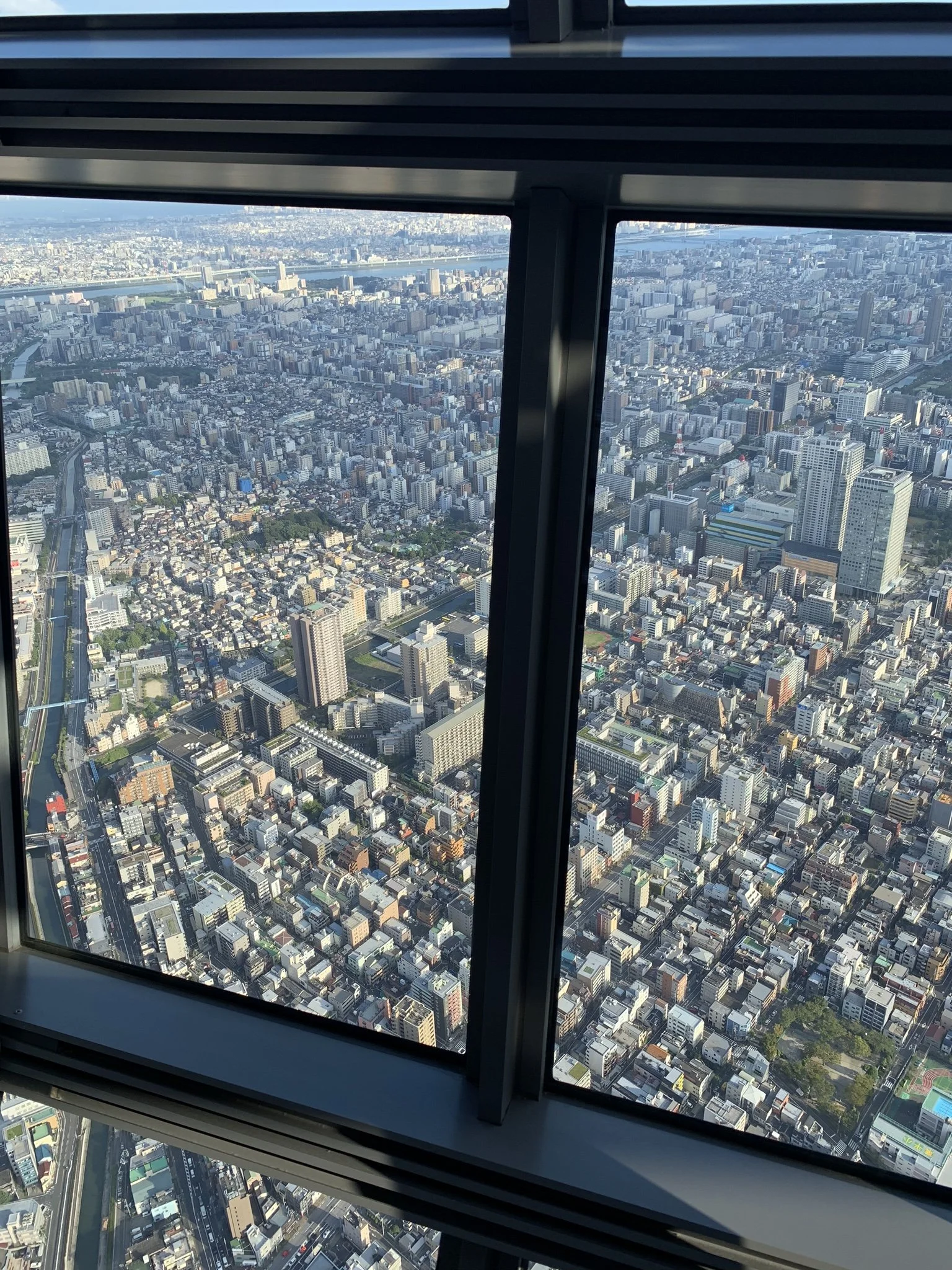
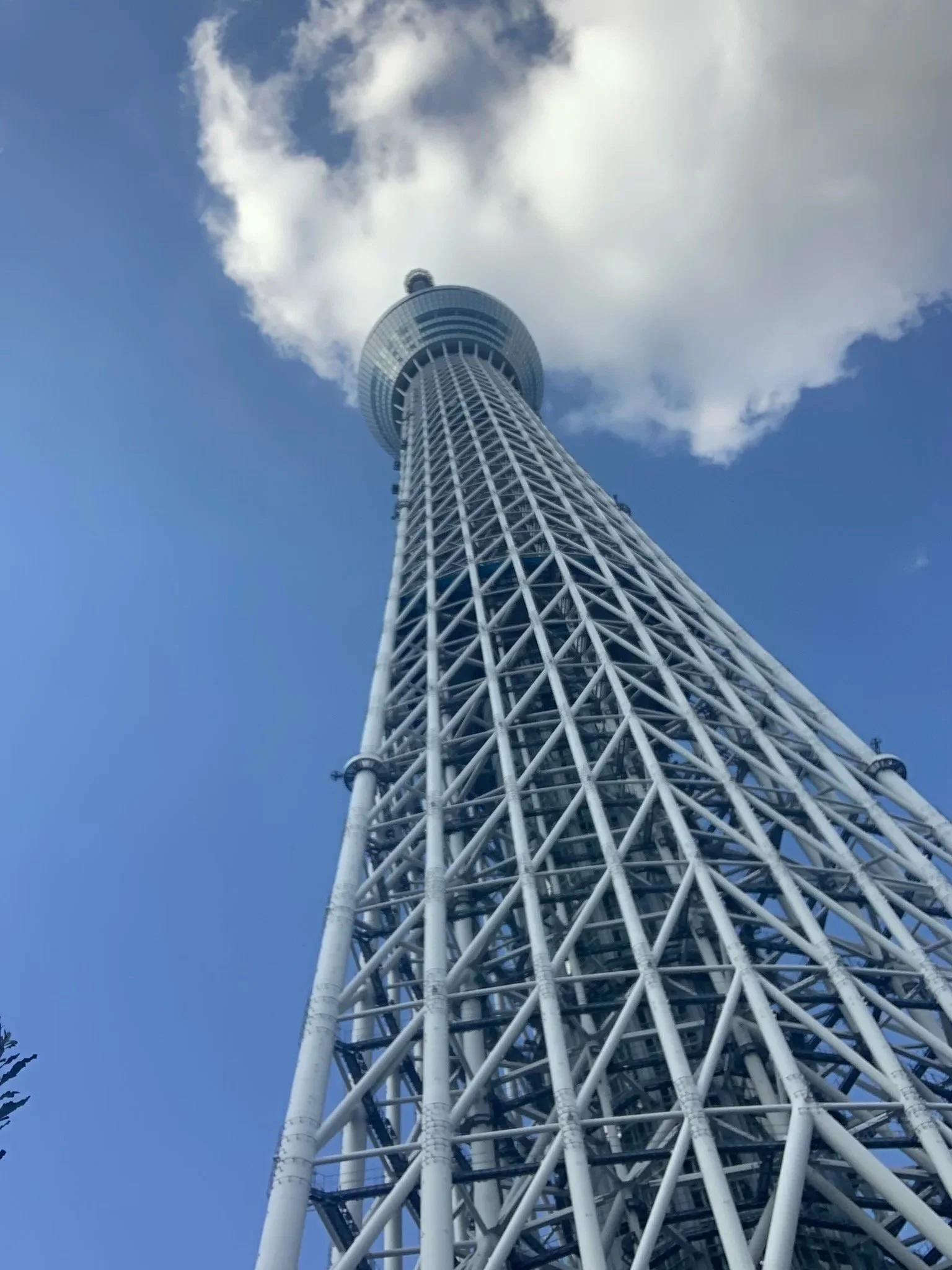
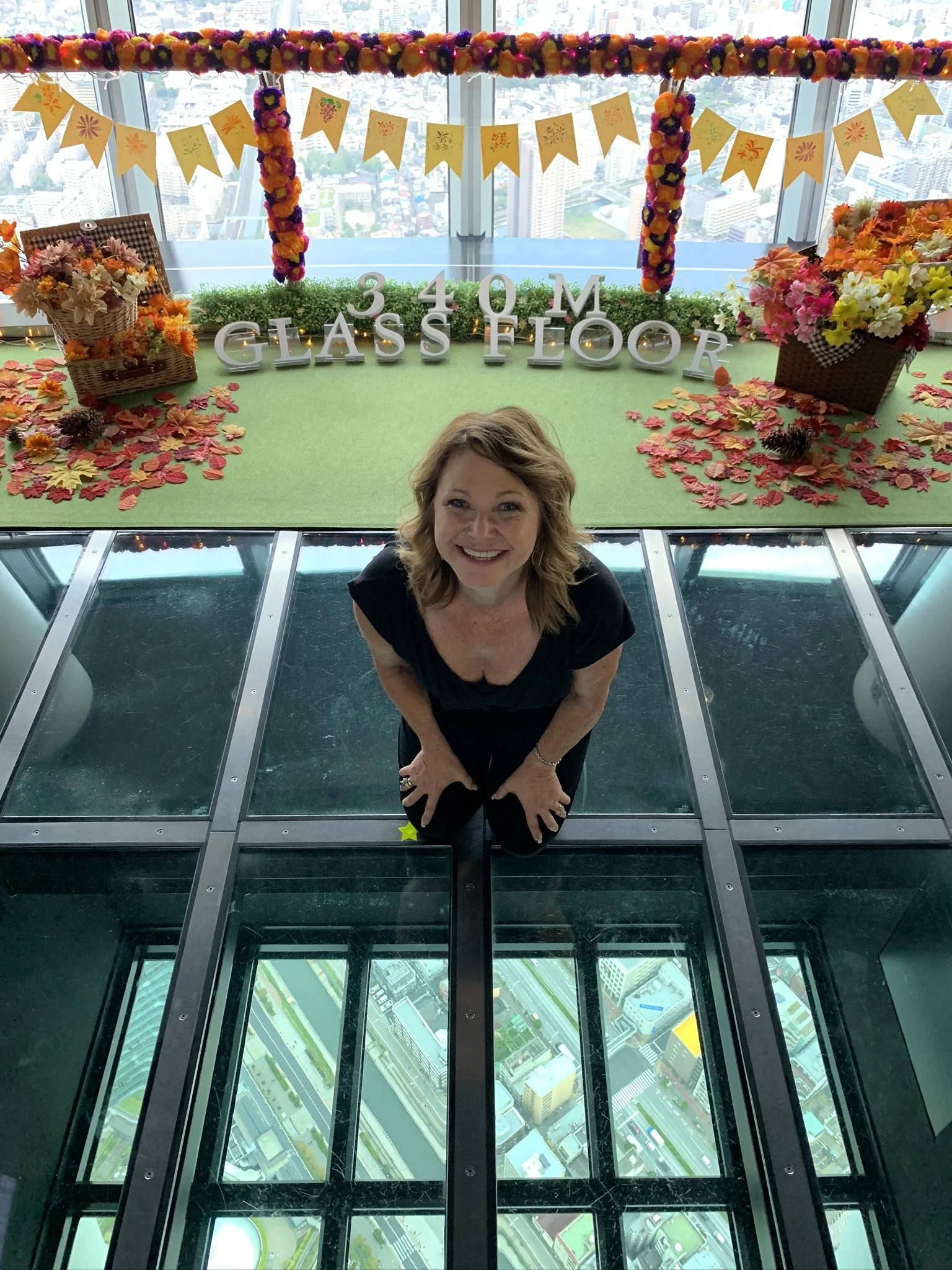
I remember looking down and thinking, How does the earth actually hold all of this? And OMG this is tall. 340 meters tall and about 1 minutes on an elevator. That is a fast climb.
There was concrete as far as I could see. Roads, buildings, trains, people. Millions of lives stacked into one enormous city.
And yet, somehow, it didn’t feel chaotic.
That became one of the things I found most fascinating about Tokyo. For a city this massive, it was remarkably orderly. Not quiet. Certainly not slow. Just… organized.
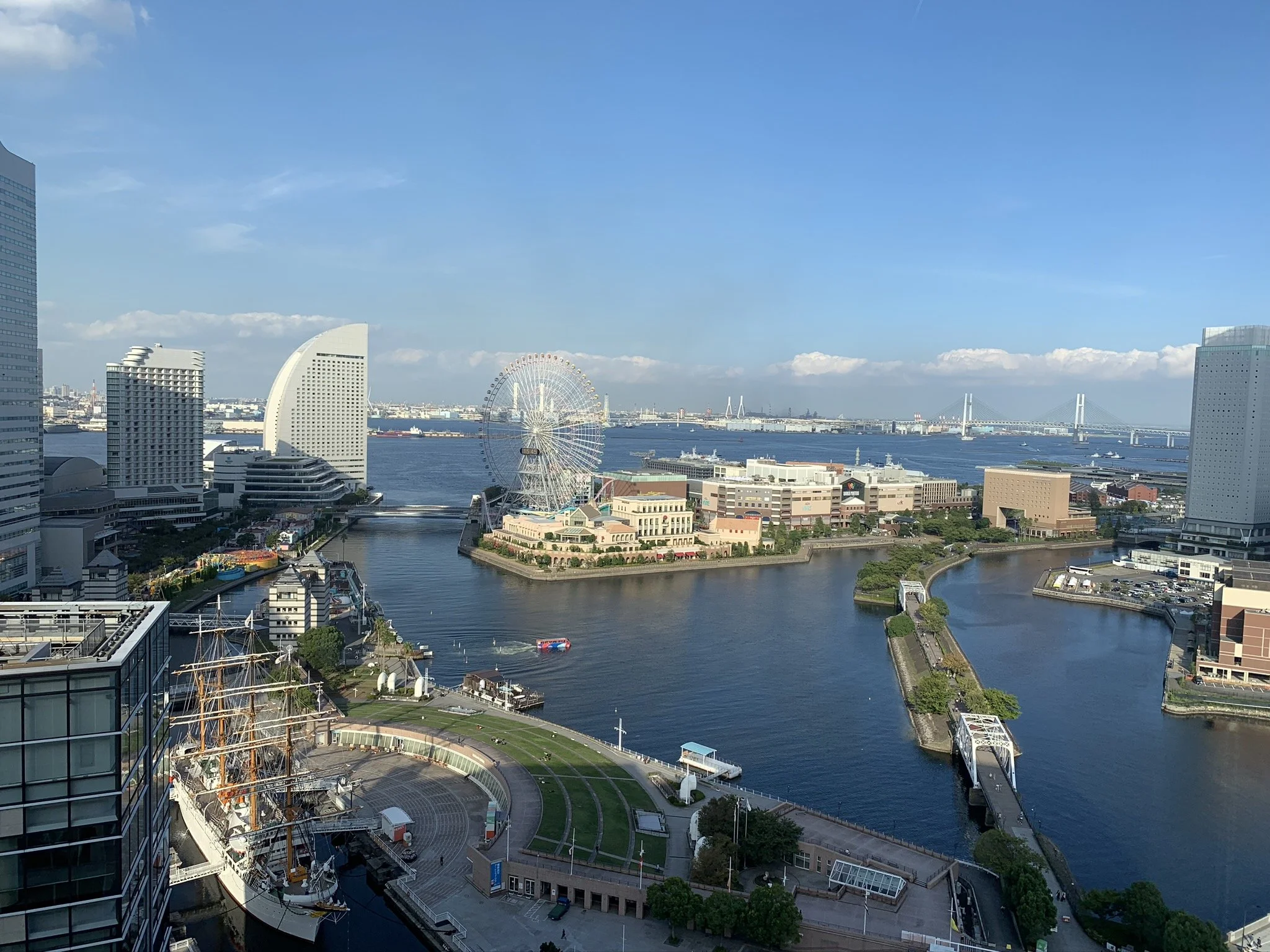
With such a large city your hotel location is important. Yokohama made a logical choice. Two Cities in one trip.
Right by the fish Market, 25 minutes to Tokyo Station, 16 minutes to Shinagawa and roughly 24–26 minutes to Shibuya, with direct rail options. And the harbor and China town worth the visit.
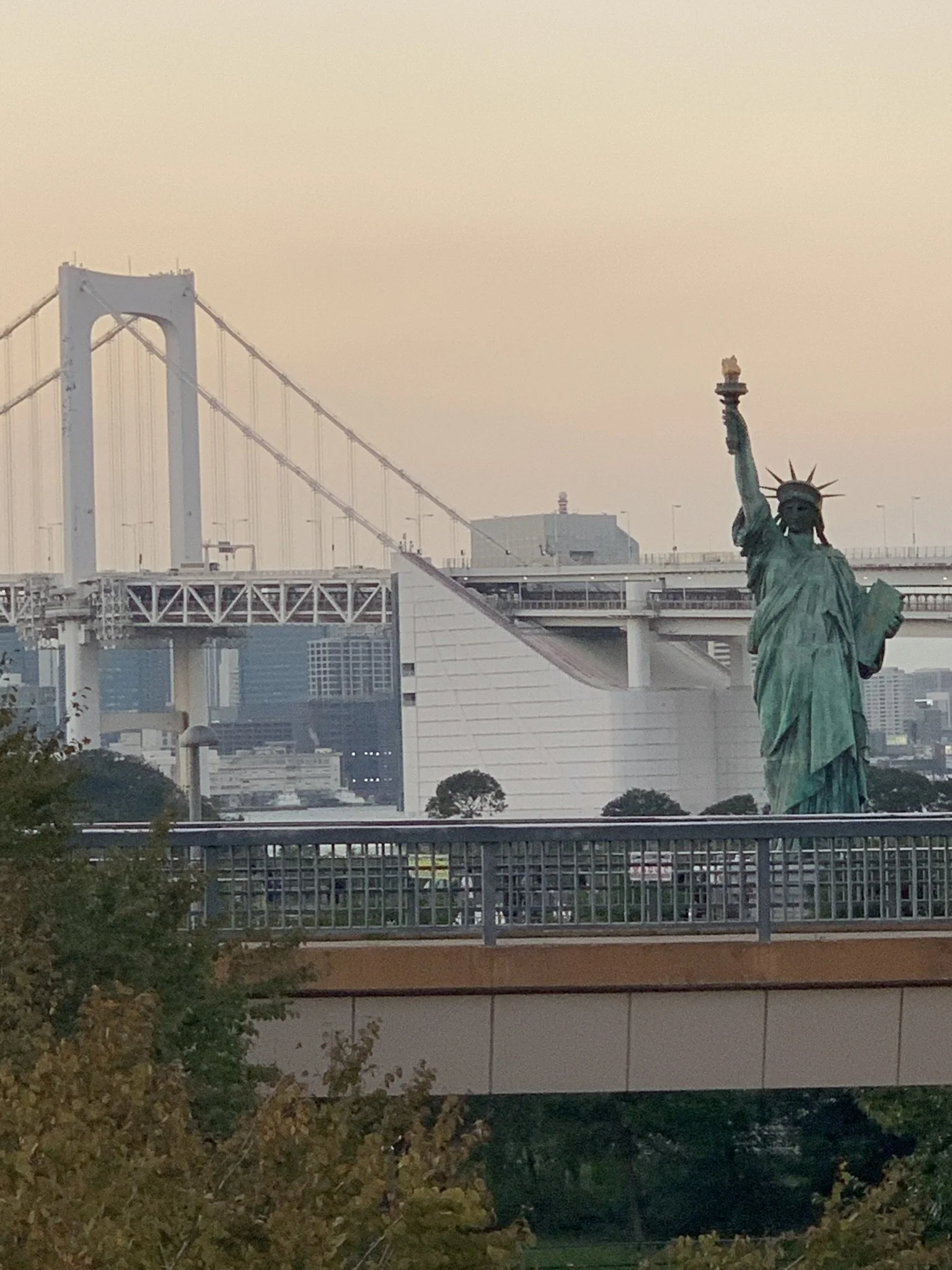
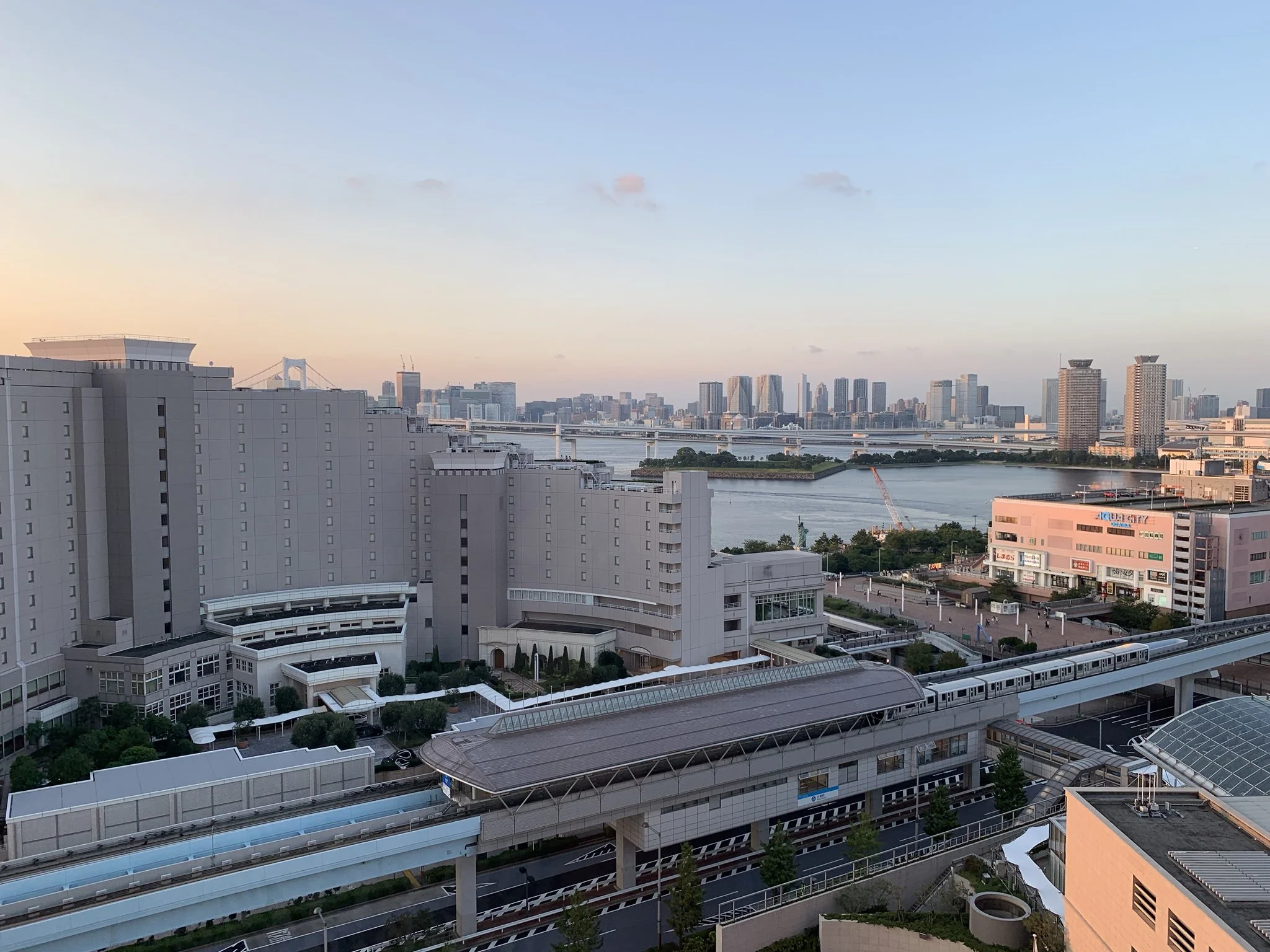
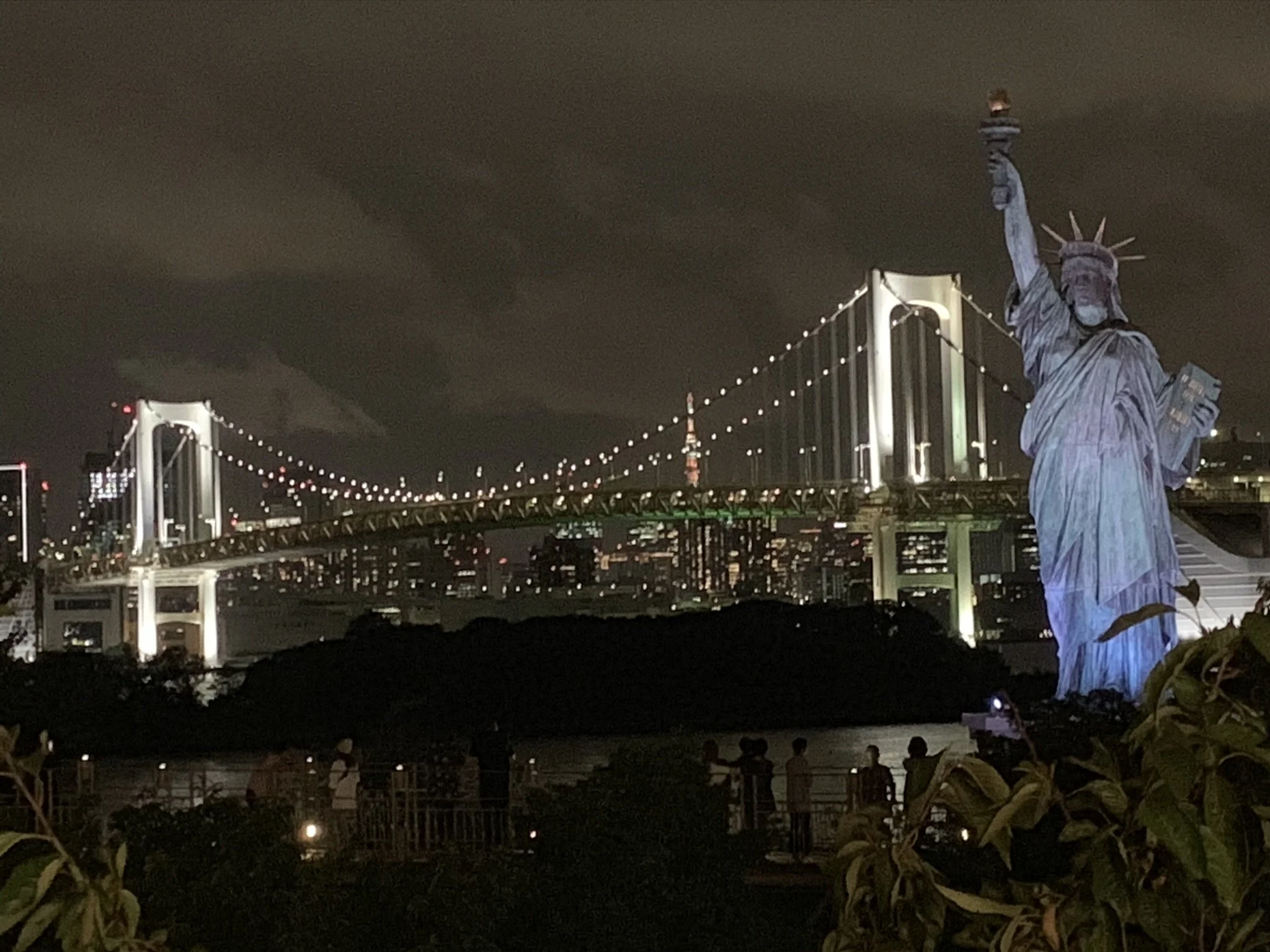
Odaiba Rainbow Bridge and Statue of Liberty
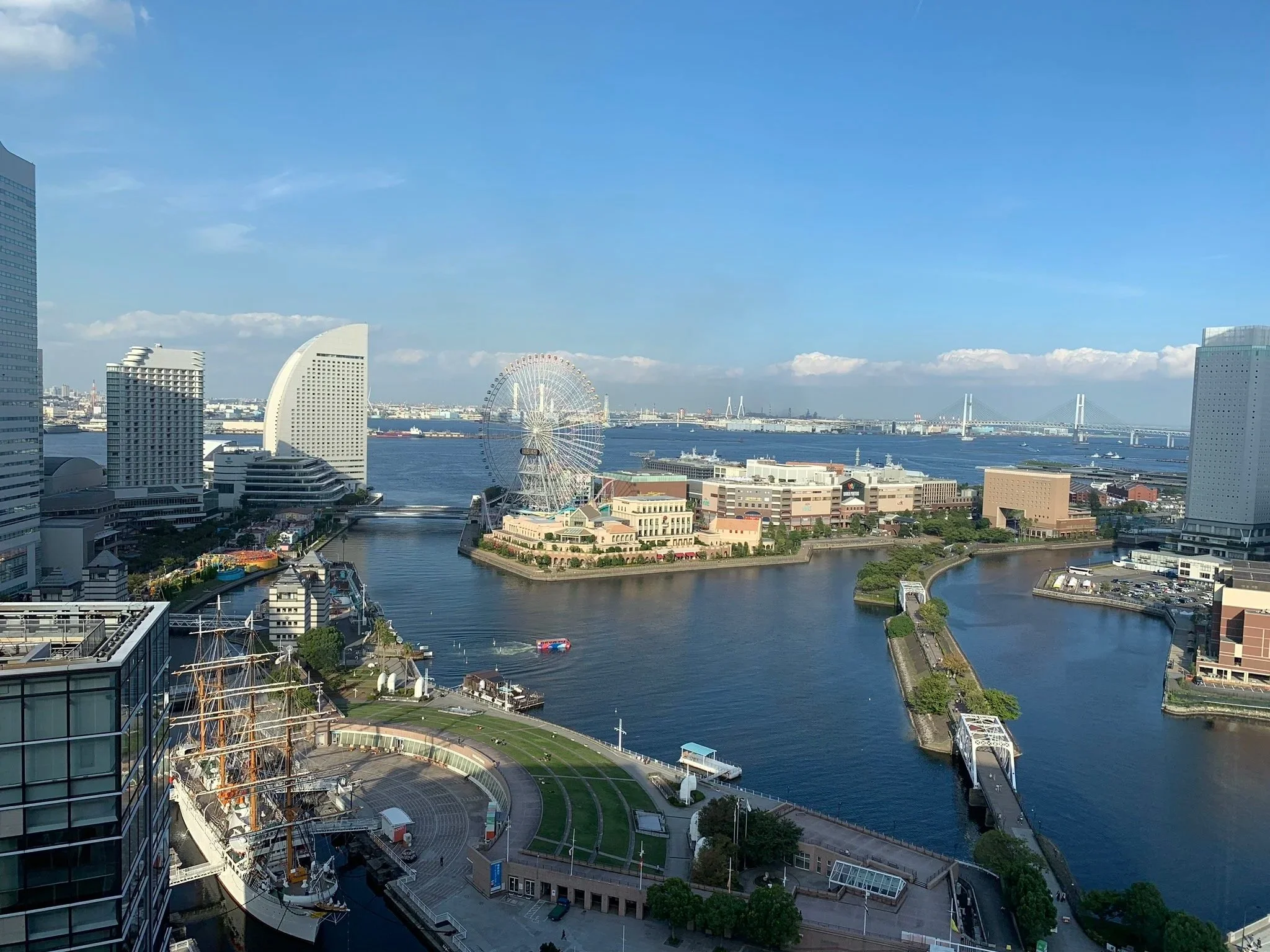
Minato Mirai 21
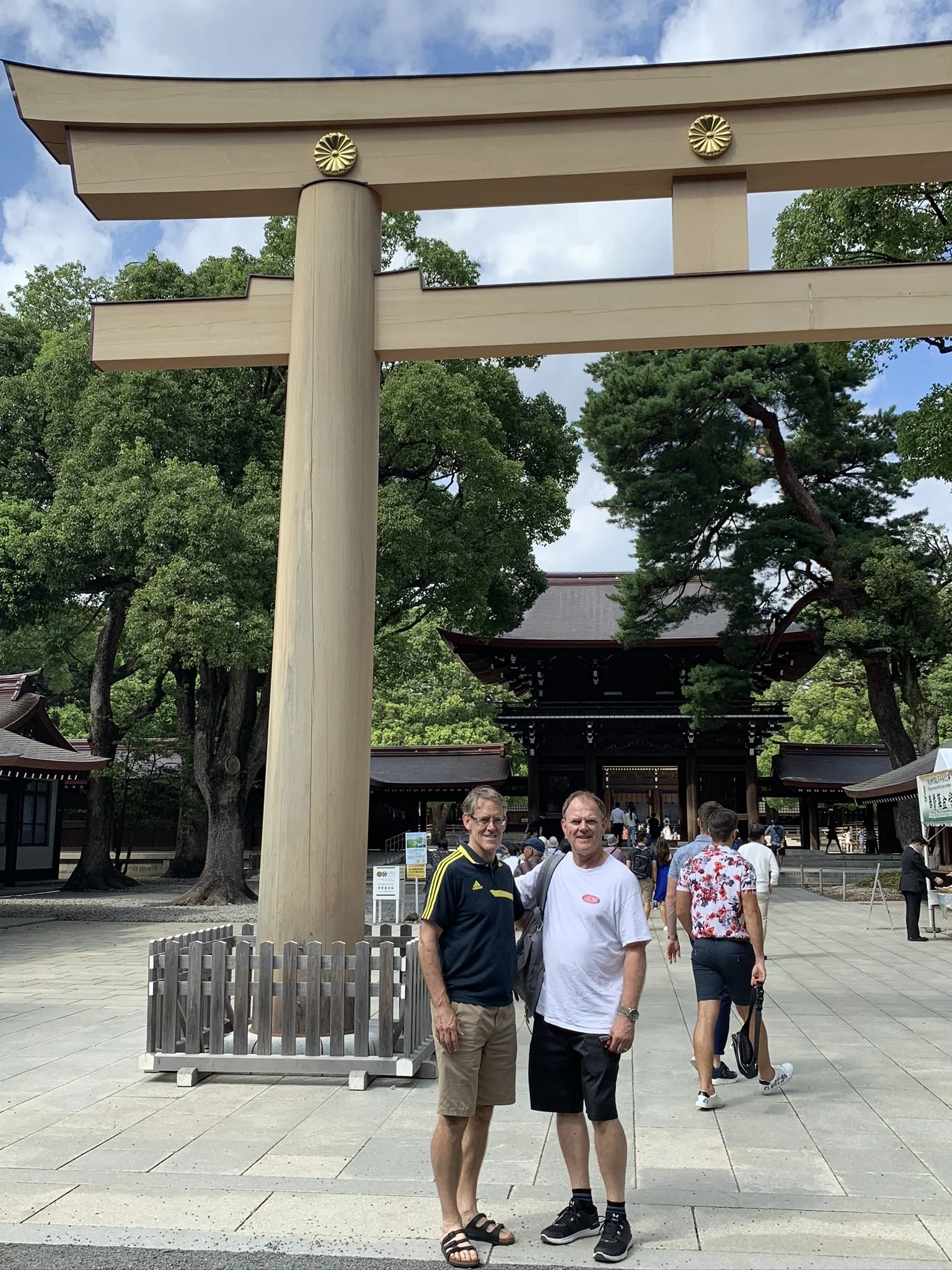
Meiji Jingu - shrine - largest wooden tori gate in Japan
My brother-in-law Kelly gave us our first real introduction to Tokyo. He lives there, so we weren’t simply dropped into the middle of a giant city with a map and a list of attractions. We had a local. We stayed at his home for the first few days, met his family, walked the halls of my nephew’s international school and wandered into places we probably would never have found on our own.
That made a difference.
Tokyo started to feel less like a destination and more like a place where people actually lived.
Still, there were moments when the sheer size of it stopped me in my tracks.
Shibuya was one of them.
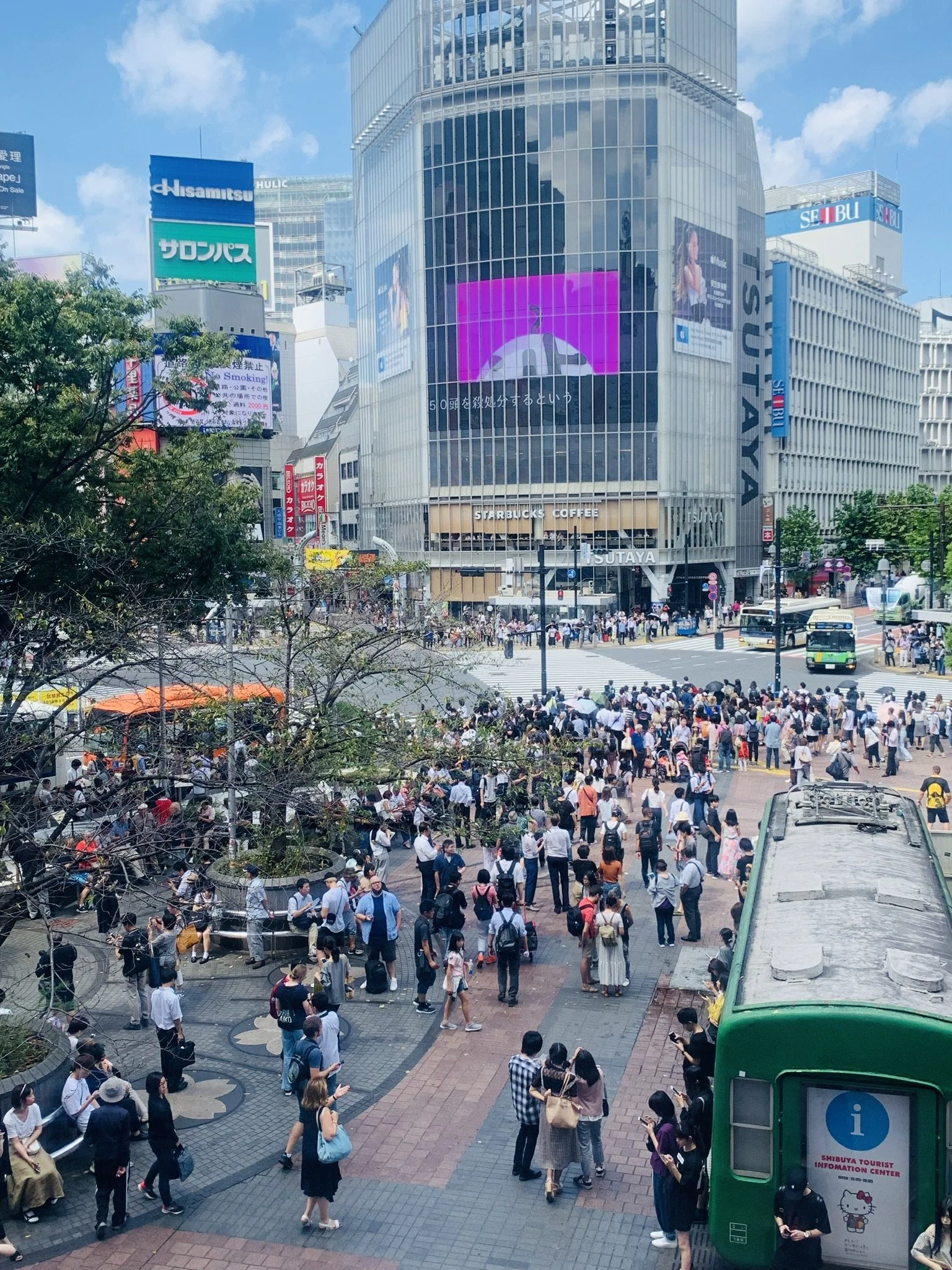
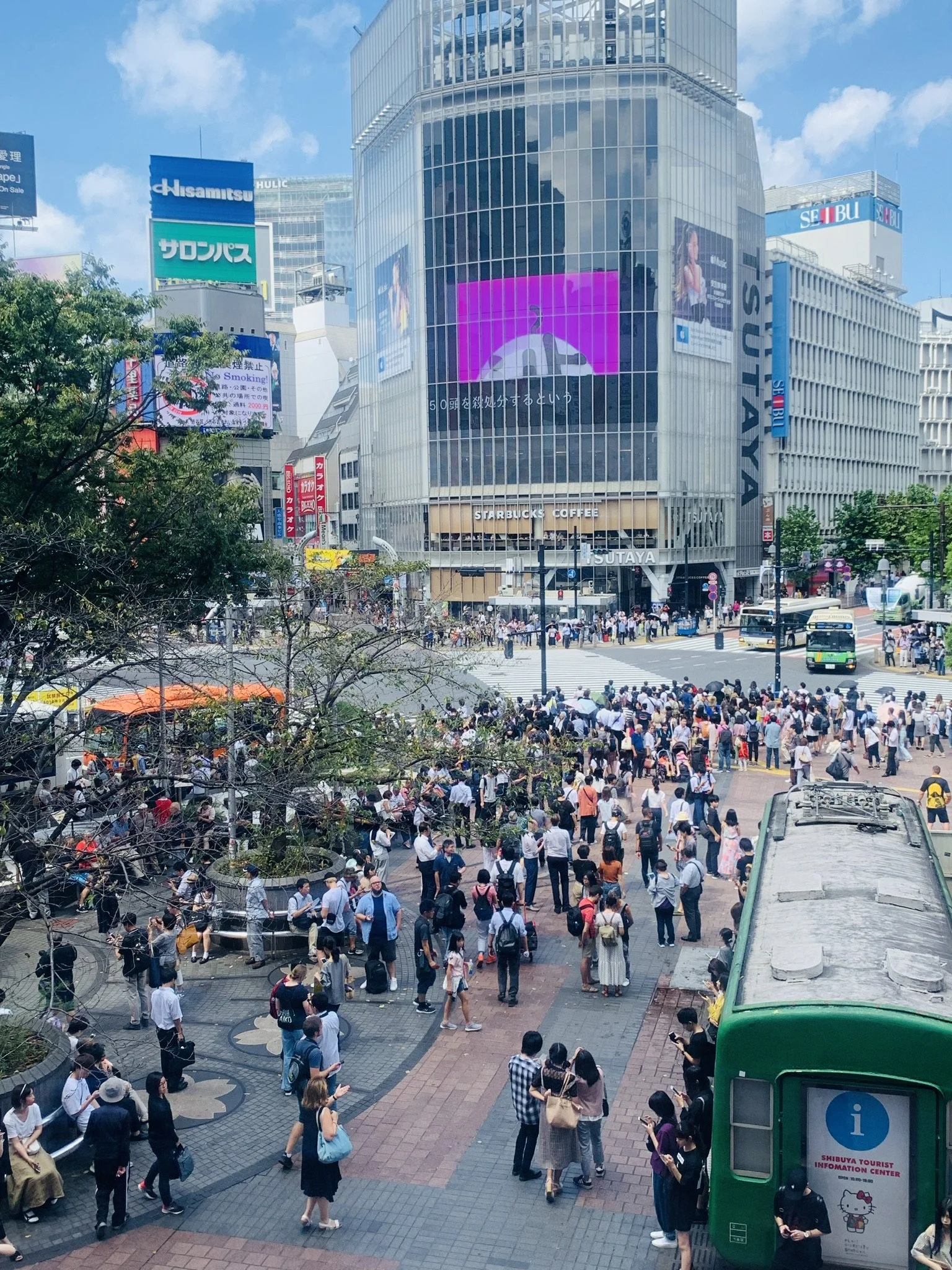
If you’ve seen photographs of Shibuya Crossing, you know what it looks like. What the photographs don’t quite capture is the feeling of standing there watching the lights change and suddenly seeing hundreds—maybe thousands—of people move into the intersection. (check out my video below to see in action)
You expect chaos.
There isn’t any.
People flow across from every direction, somehow avoiding one another without bumping, shoving or becoming frustrated. Nobody seems to be barking instructions. Nobody is blowing a horn. Nobody is standing in the middle of the intersection taking a selfie for twenty minutes. I had to try it myself. been there, done that moment.
It is organized movement on a ridiculous scale. and on that note- let’s talk about a man by the crossing - famous in his pursuit of finding a wife. Mr. Sonoda has been standing there on weekend since 2013. He lists his criteria. Kind heart, willingness for a family & acceptance for his life.

Mr Sonodo - marry me…
After watching the crossing for many minutes, I remember thinking that perhaps this was the secret to Tokyo.
Millions of people can share the same space when everybody understands how to move through it.
That idea followed me around Japan.
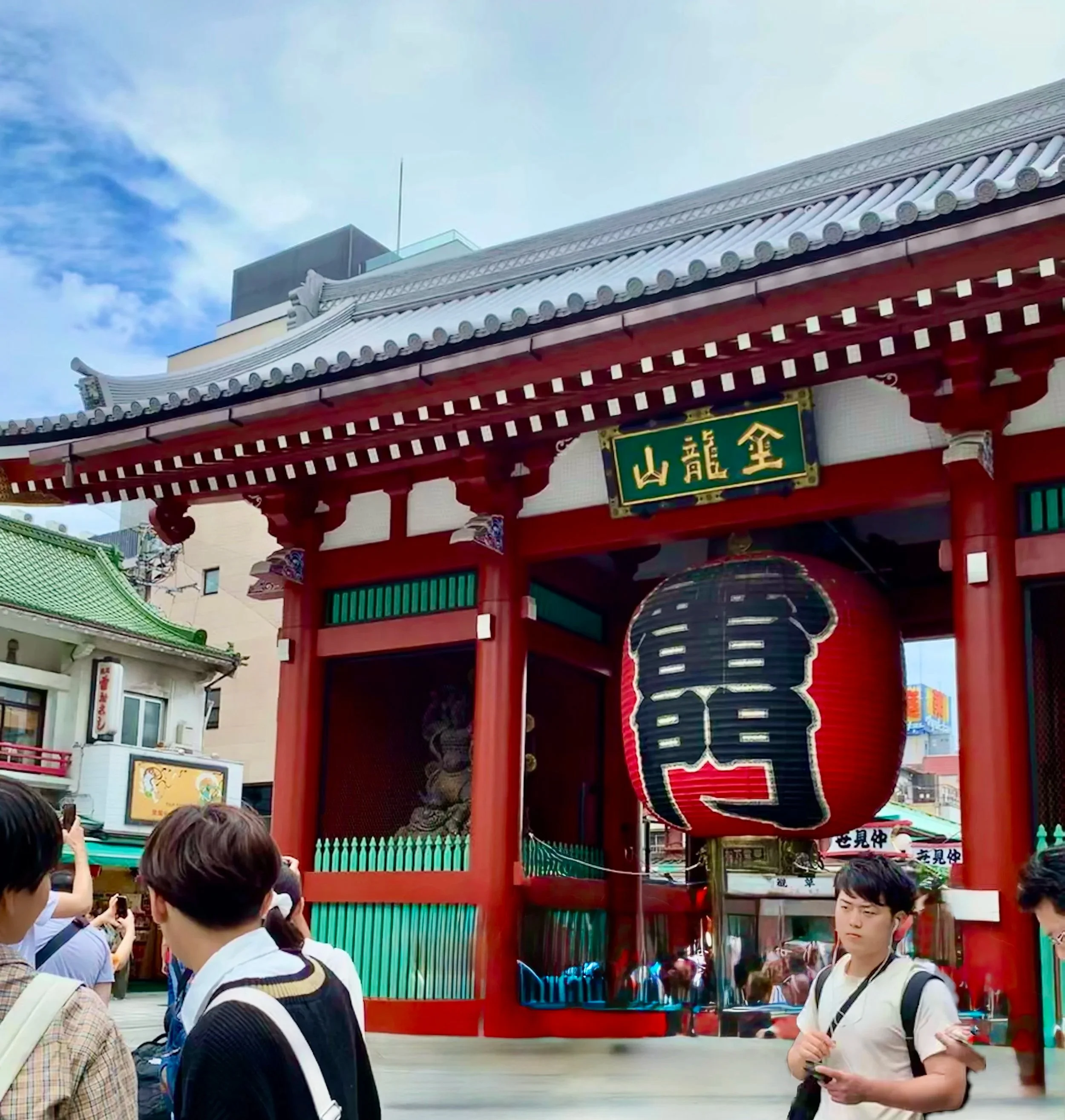
Kaminarimon - Red Lantern weights 700 kg - donated by founder of Panasonic after coming to pray and recovered from illness.
One minute I could be surrounded by glass towers and neon, and the next I would walk through a gate and feel as though I had stepped several hundred years backward.
That happened in Asakusa. Standing beneath Kaminarimon, the great red Thunder Gate at Sensō-ji, the city seemed to change personality. The enormous lantern, the guardian figures, the temple beyond it—all of it felt wonderfully old and completely at home in modern Tokyo.
I loved that contradiction.
Tokyo wasn’t trying to choose between old Japan and new Japan. It seemed perfectly comfortable being both.
You could stand looking at a centuries-old temple and, not far away, see Tokyo Skytree rising into the sky.
And somewhere across the Sumida River was one of the strangest things I saw in the city: the golden flame sitting on top of the Asahi Beer Hall.
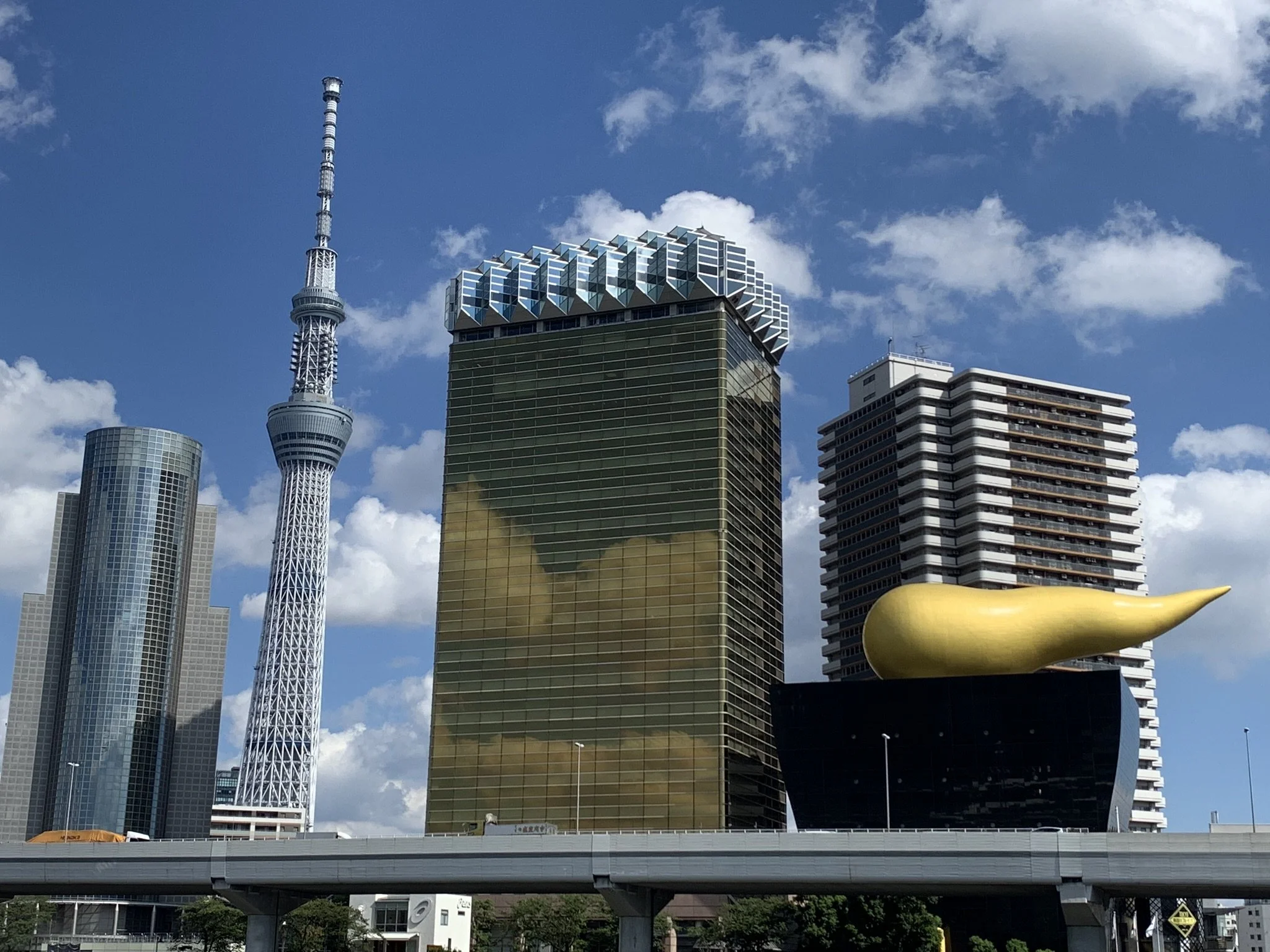
Asahi Beer Hall & Tower
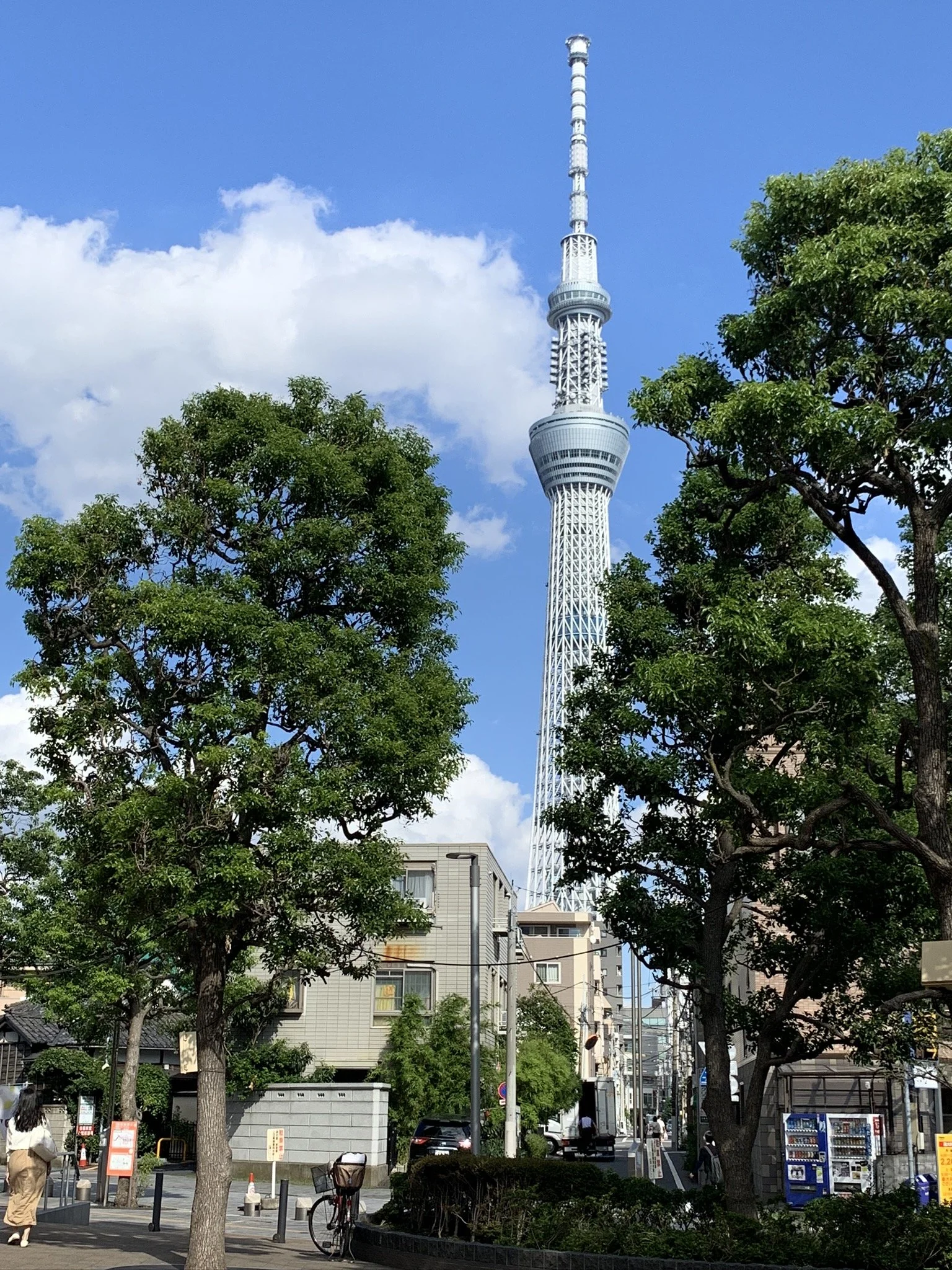
I honestly thought, What the hell is THAT?
The building was designed by French architect Philippe Starck, and the sculpture is meant to represent the burning heart of Asahi, with the golden form also suggesting the head of a beer. (OK??? -not convinced but OK) I’ll admit, I appreciated the explanation.
Tokyo was full of these little collisions of the unexpected.
At Meiji Jingu, the city seemed to disappear completely. We walked through a huge torii and into a forest that felt almost impossible to believe was sitting in the middle of Tokyo. I love it when a city plans for nature. I saw this in Hong Kong, New York, Sydney…
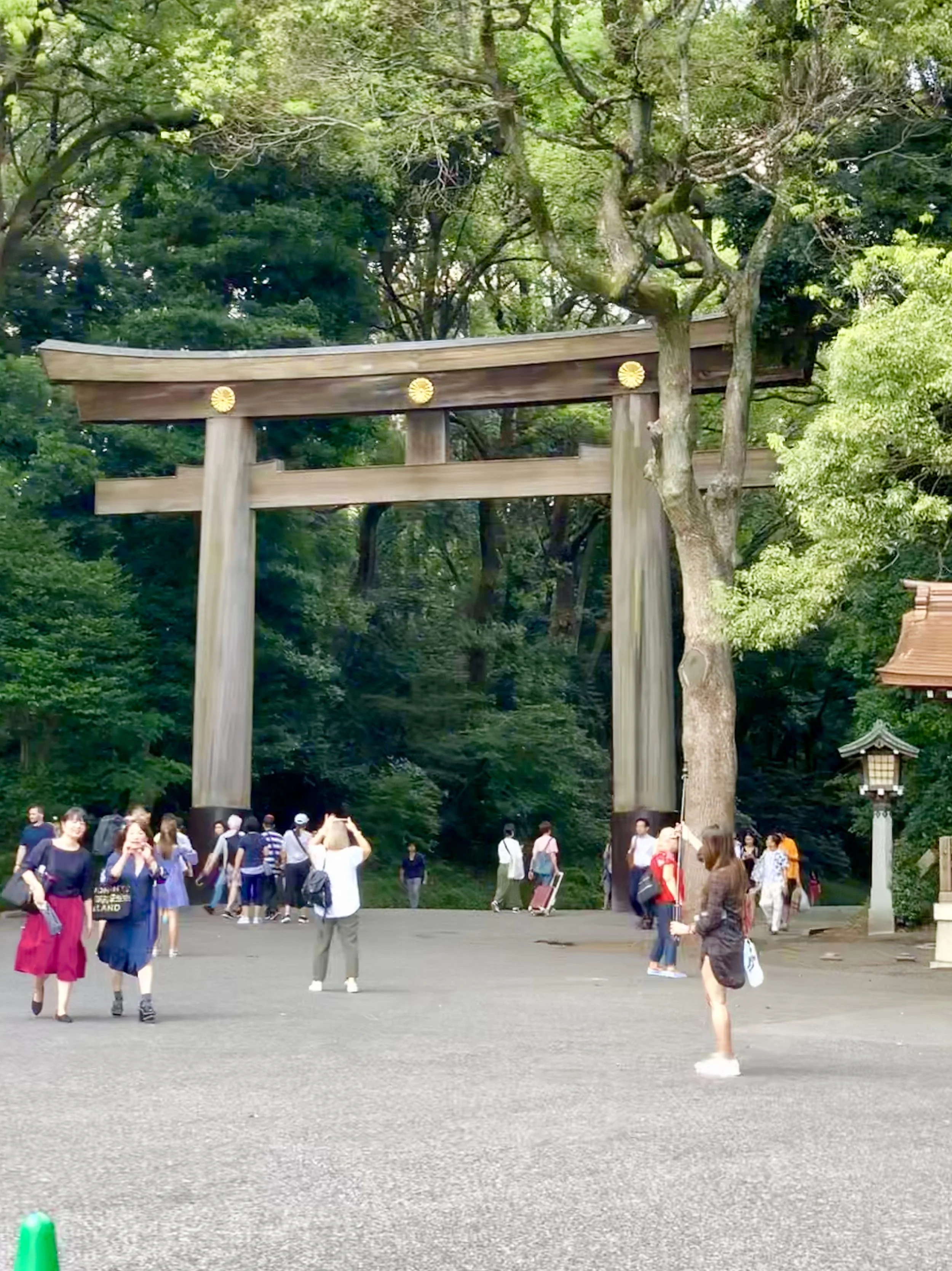
The noise faded.
There were enormous trees, quiet pathways and the kind of stillness that makes you instinctively lower your voice. An oasis. A place to find your thoughts and connect with Mother Nature and ancient culture.
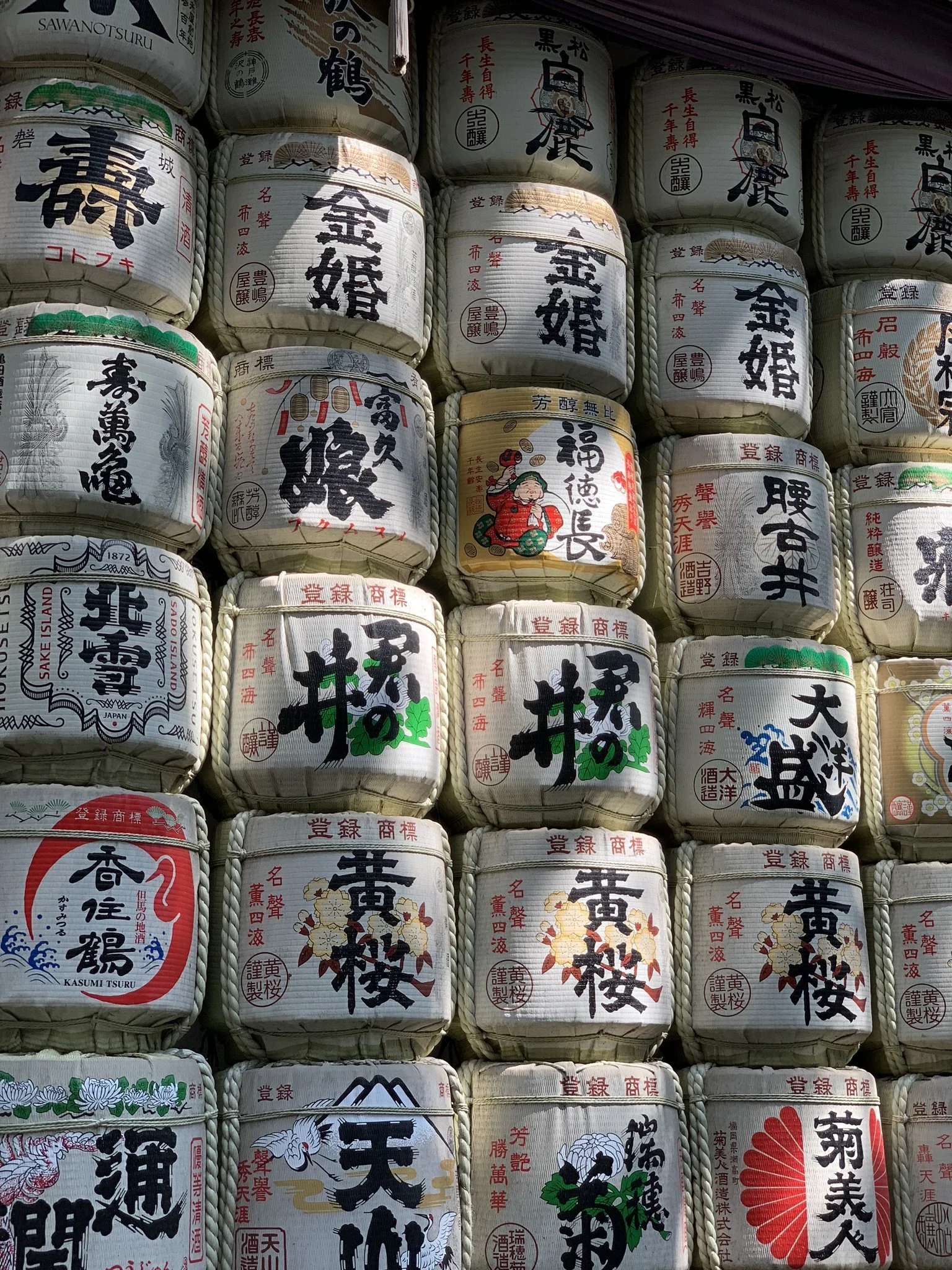
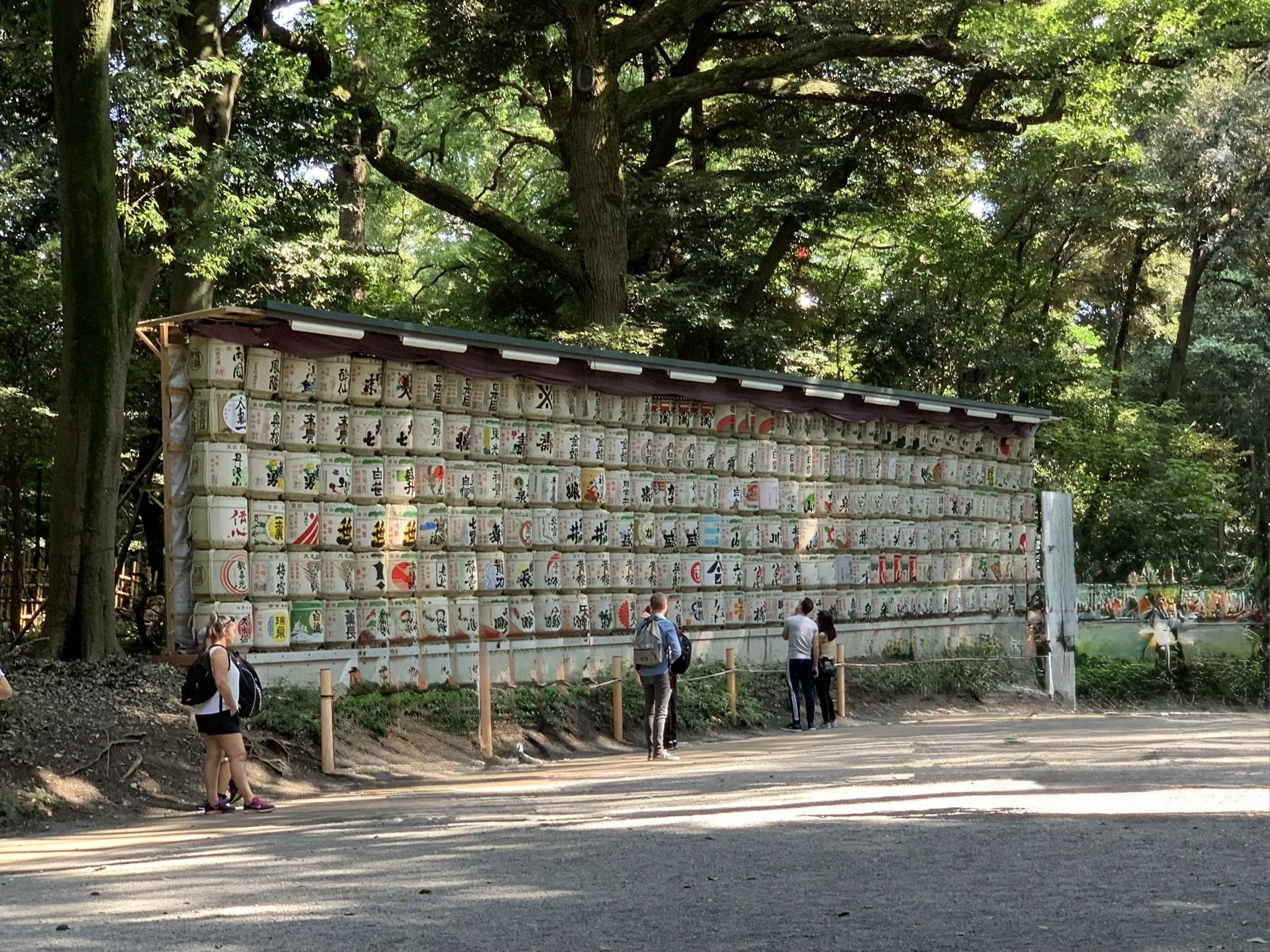
Sake barrels
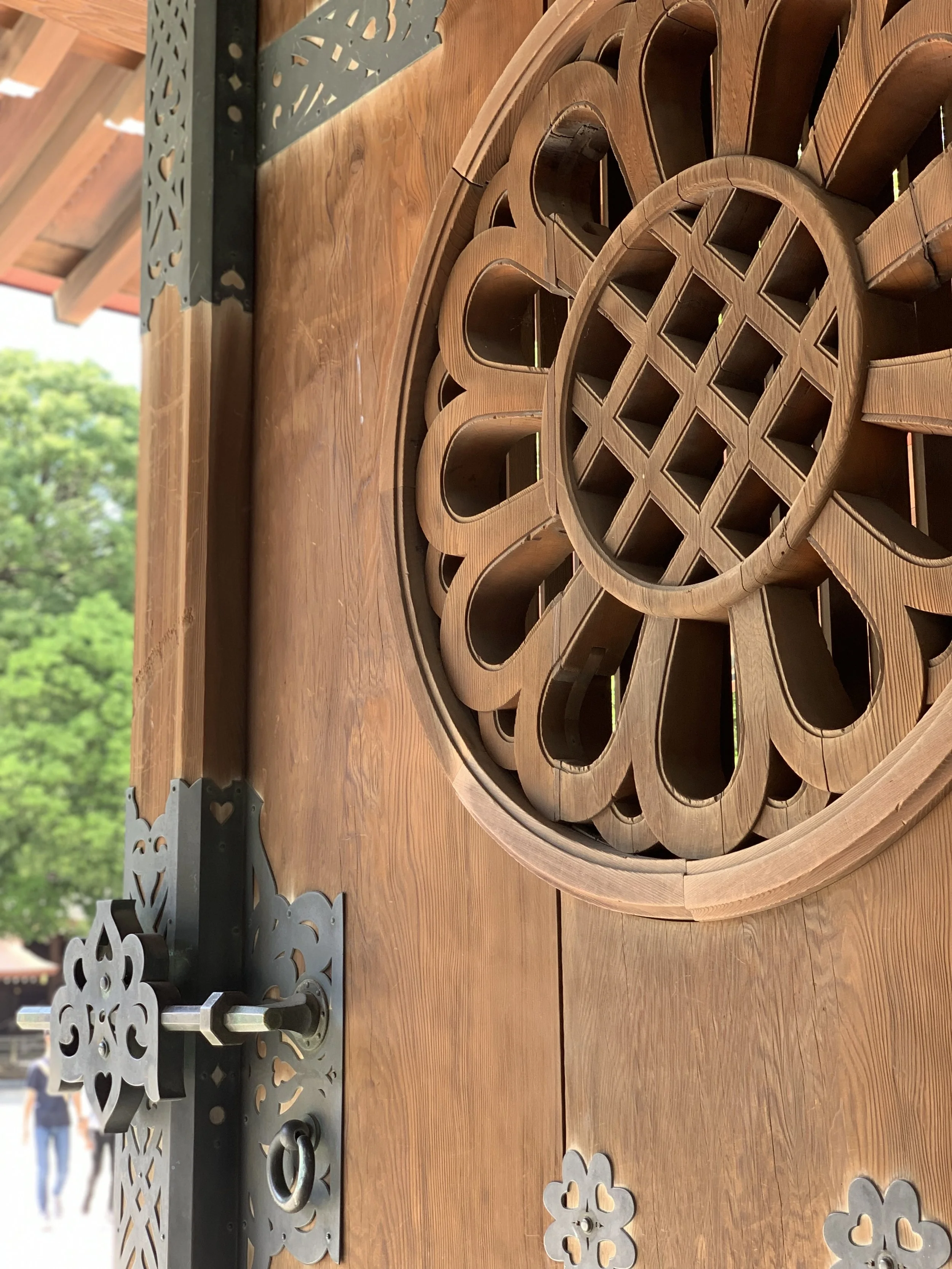
Temple door
Near the shrine were rows of beautifully decorated sake barrels. I stopped to look at them, decorated with art. the question arose. Do they still use these? Is there such a thing as Sake Tasting??? I was becoming increasingly fascinated by sake, although at this point I still had absolutely no idea what I was looking at or for. (watch for my Sake Story)
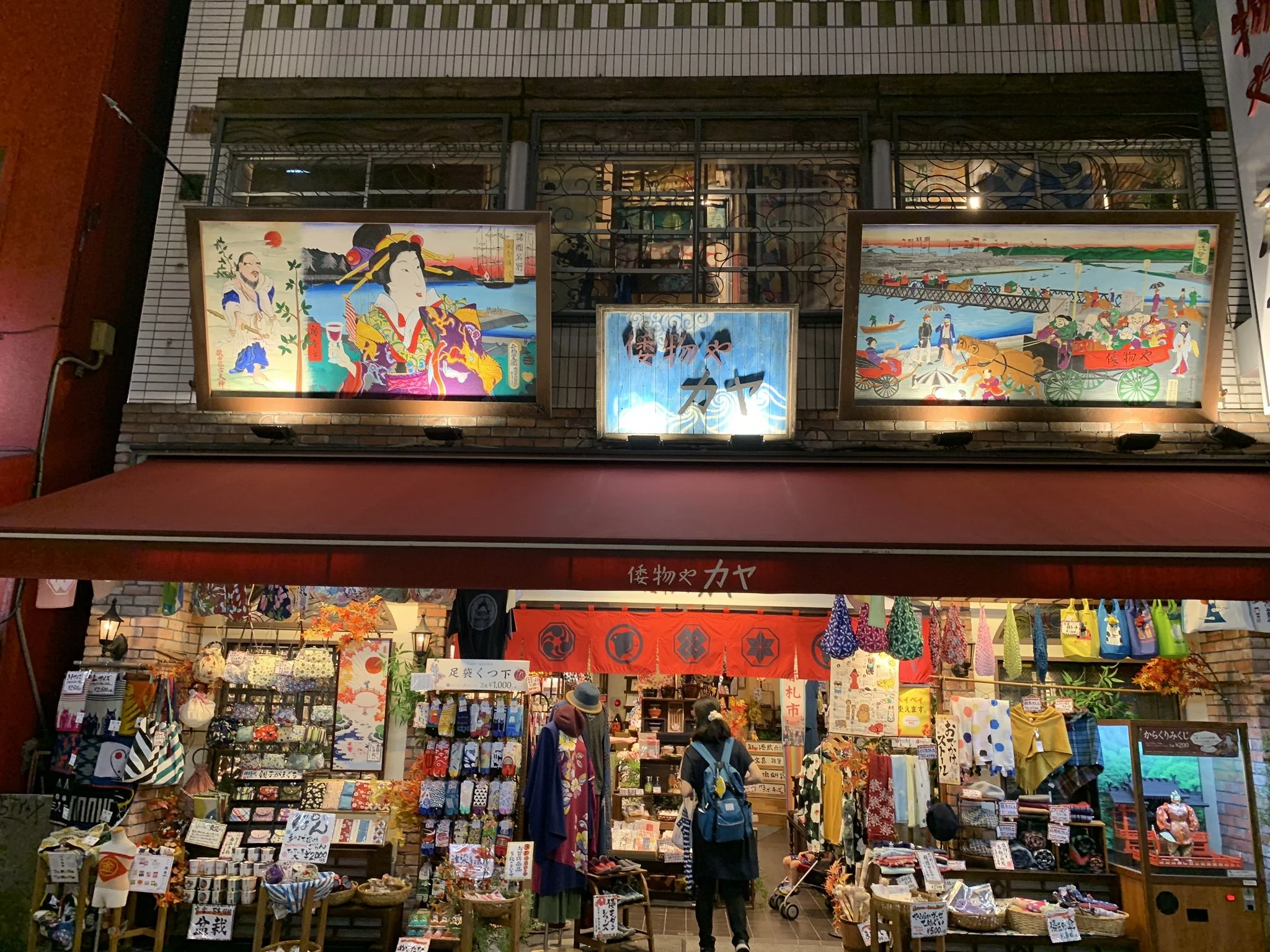
Shopping in Japan was an adventure in itself.
I loved it. Shops using new technology where all you need to do is set you bag on a stand and it calculates the cost. No teller, no reloading. I am sure this is just one of the AI advances that will replace humans in future.
Makes you think about how to navigate the future of less human touch and connections.
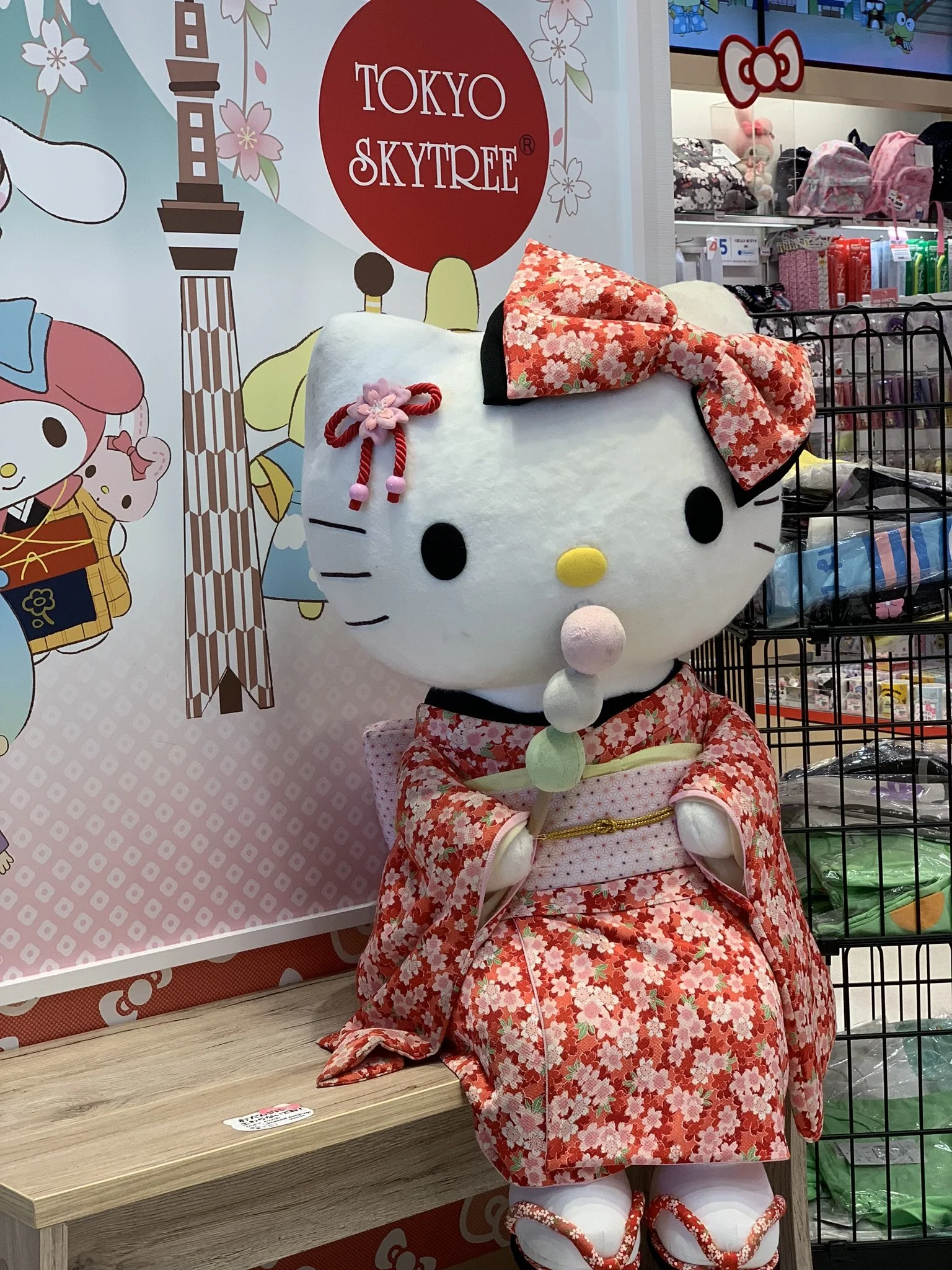
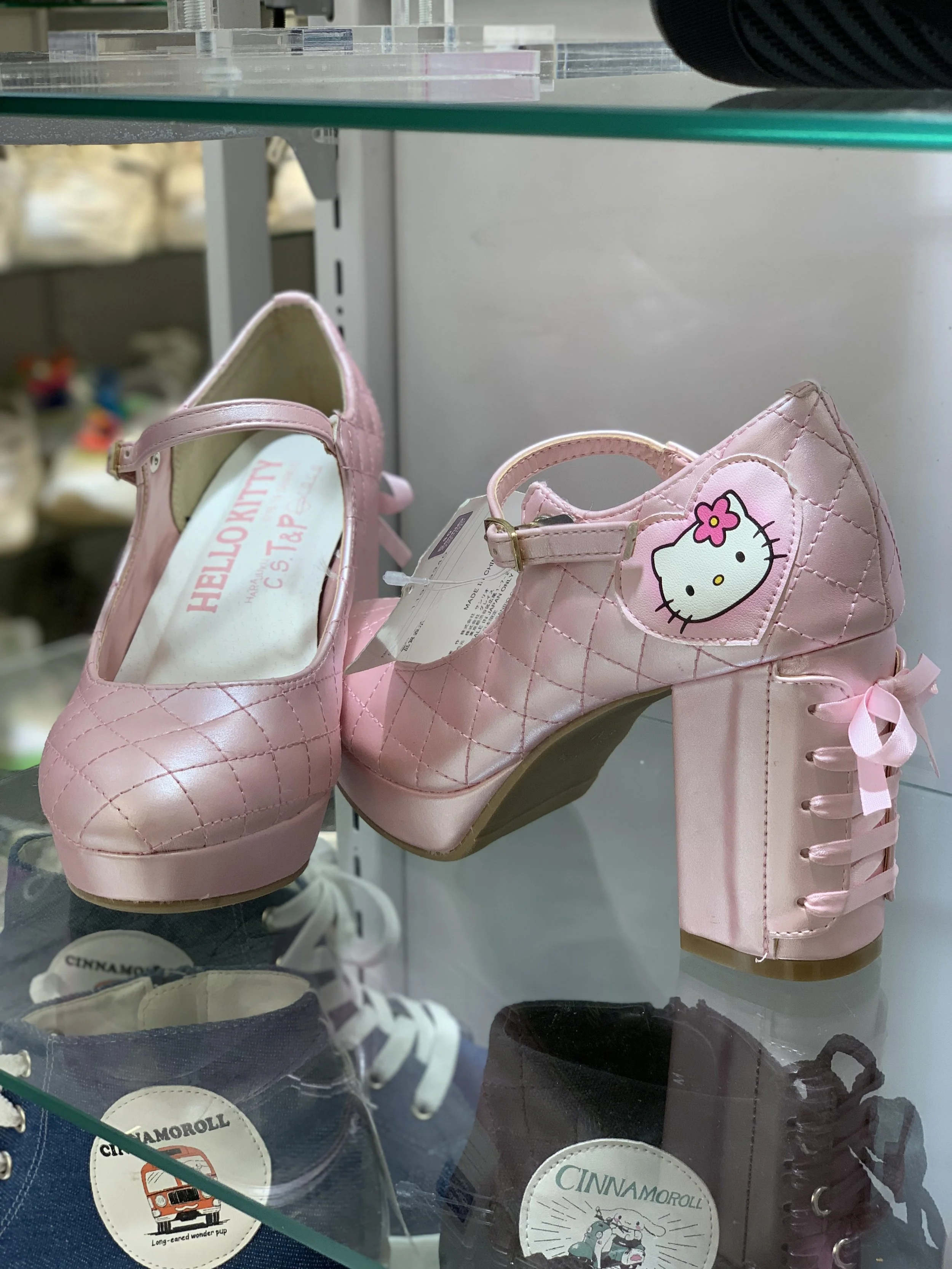
Hello Kitty is a thing, it’s everywhere.
Delicious sweets looked too beautiful to eat. Enormous Transformers statues and shoes. OMG they love getting height. Shoes with platforms so high I was pretty sure one wrong step would result in a broken neck.
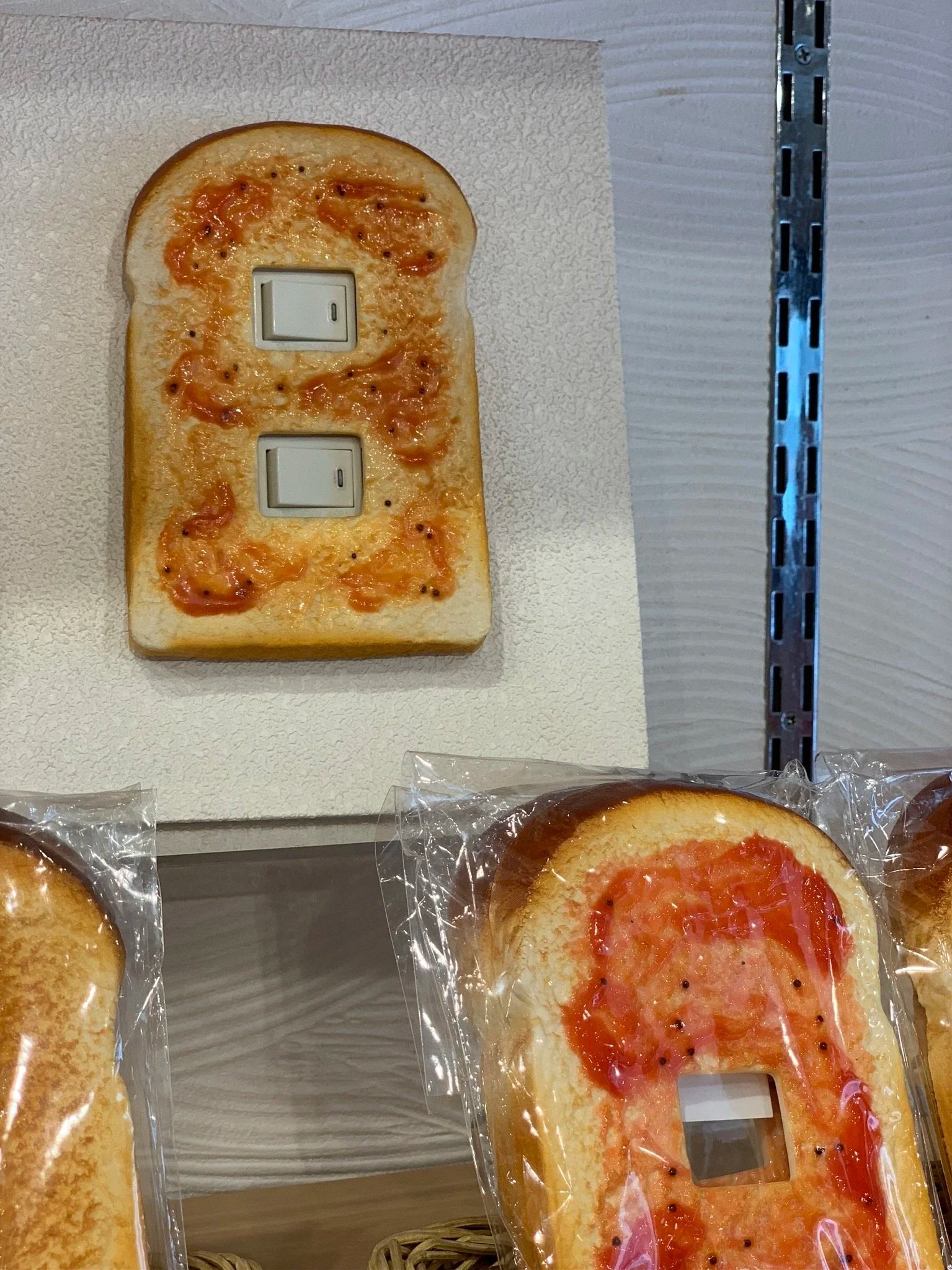
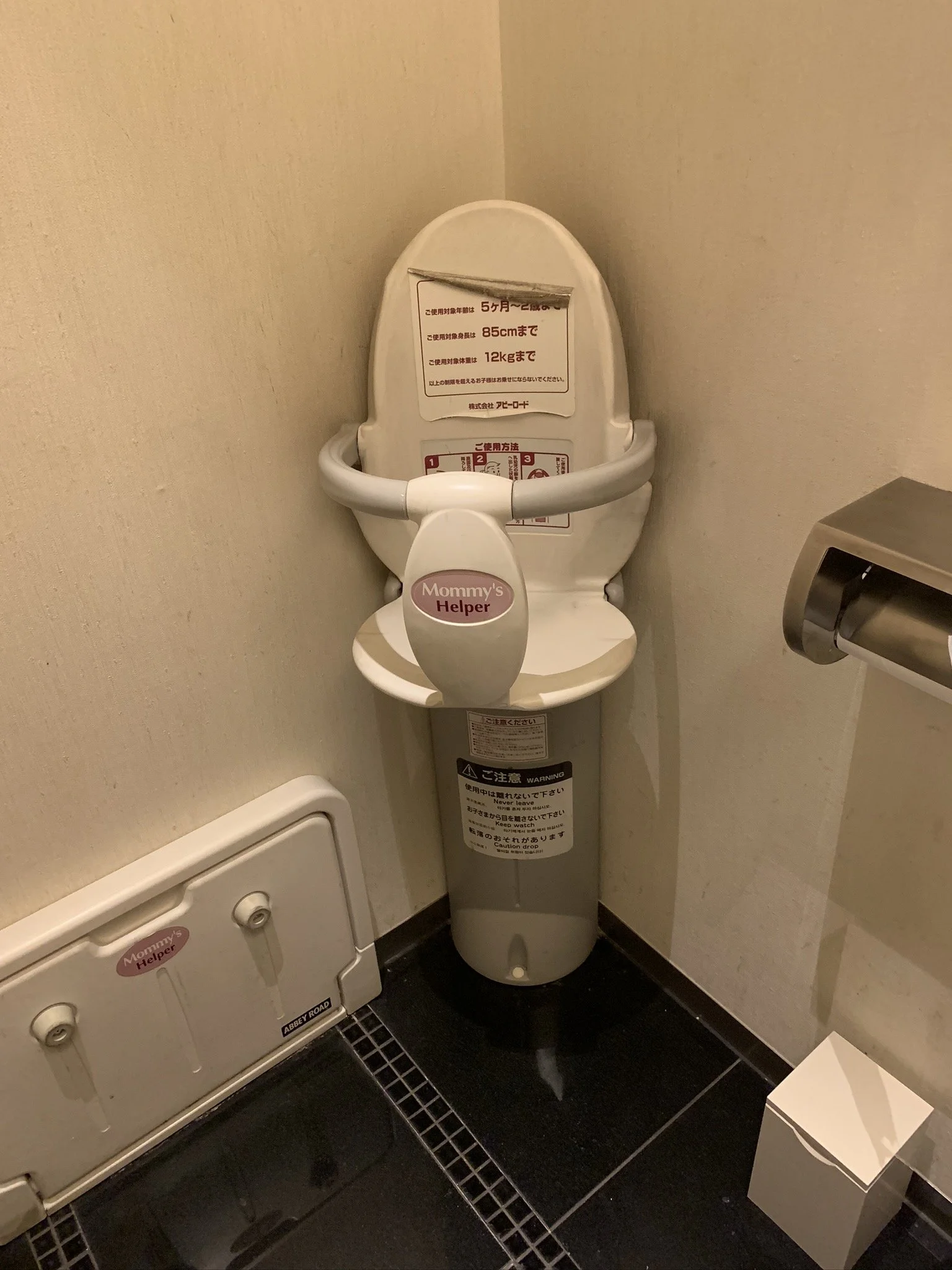
Walking around the city, I was noticing things that made me smile, a fake piece of bread that was a light switch, traditional wooden buckets tucked under little roofs in historical areas, tiny shops and statues.
It was wonderful to just walk and view the fashion and people.
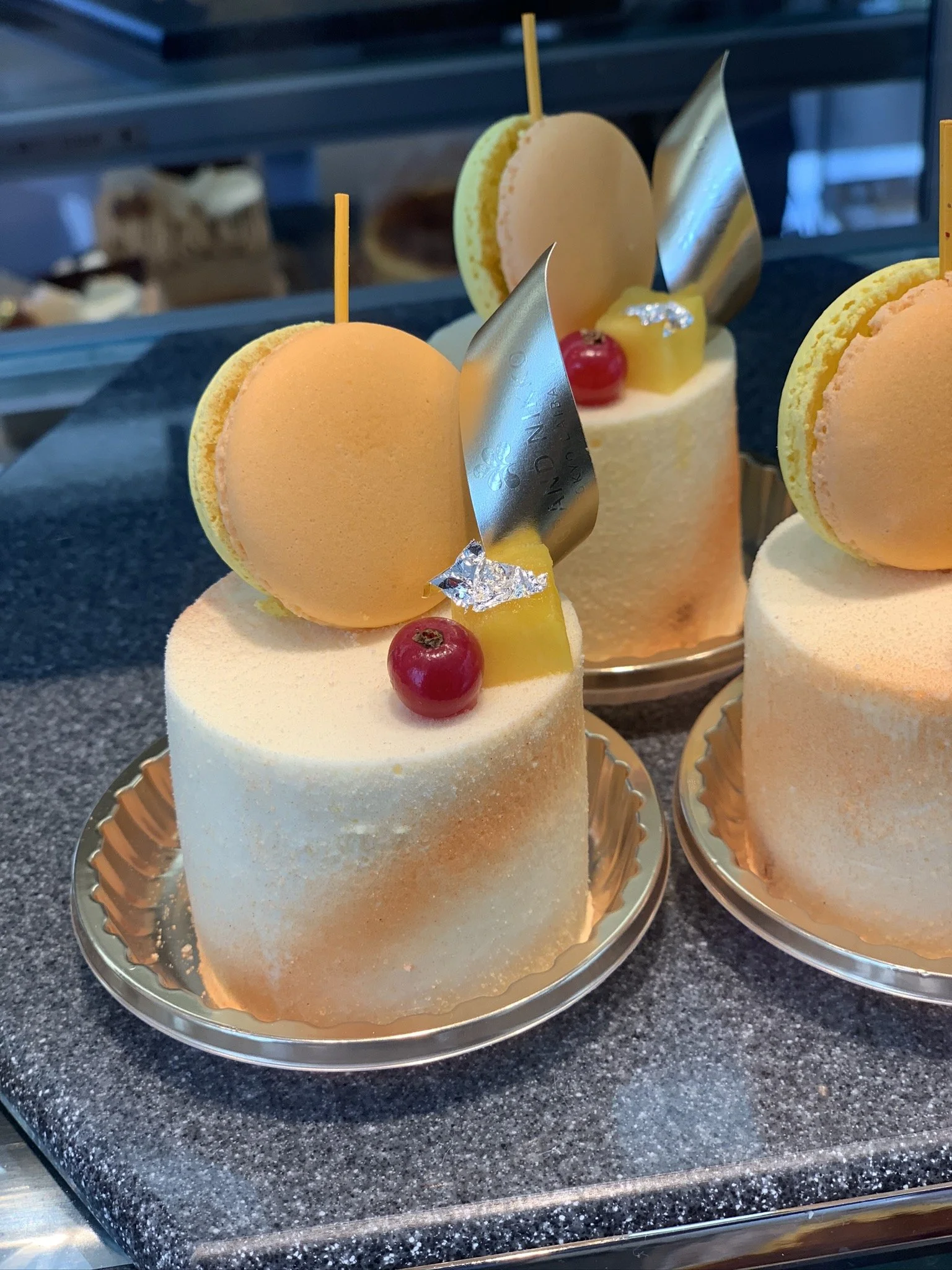
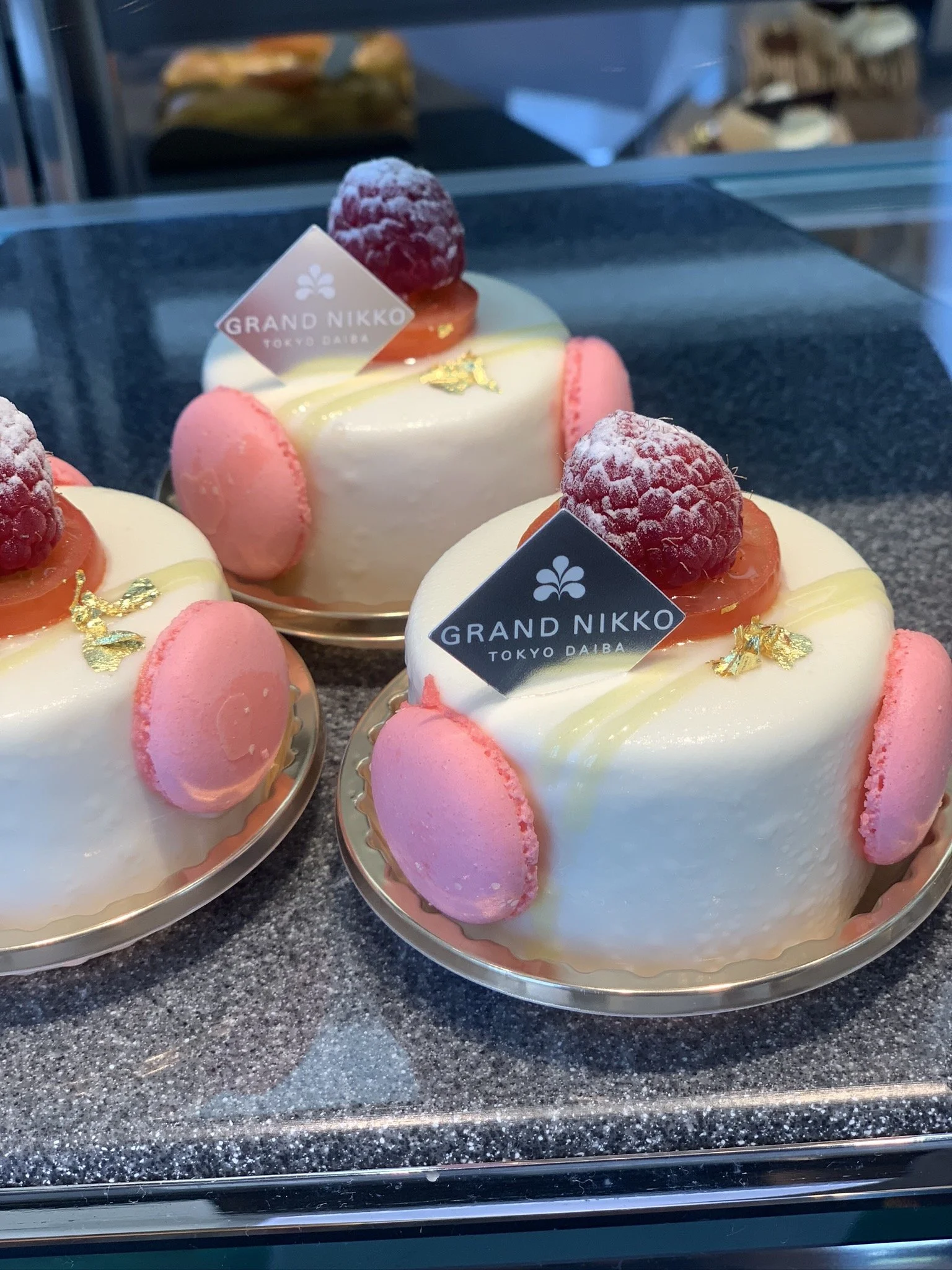
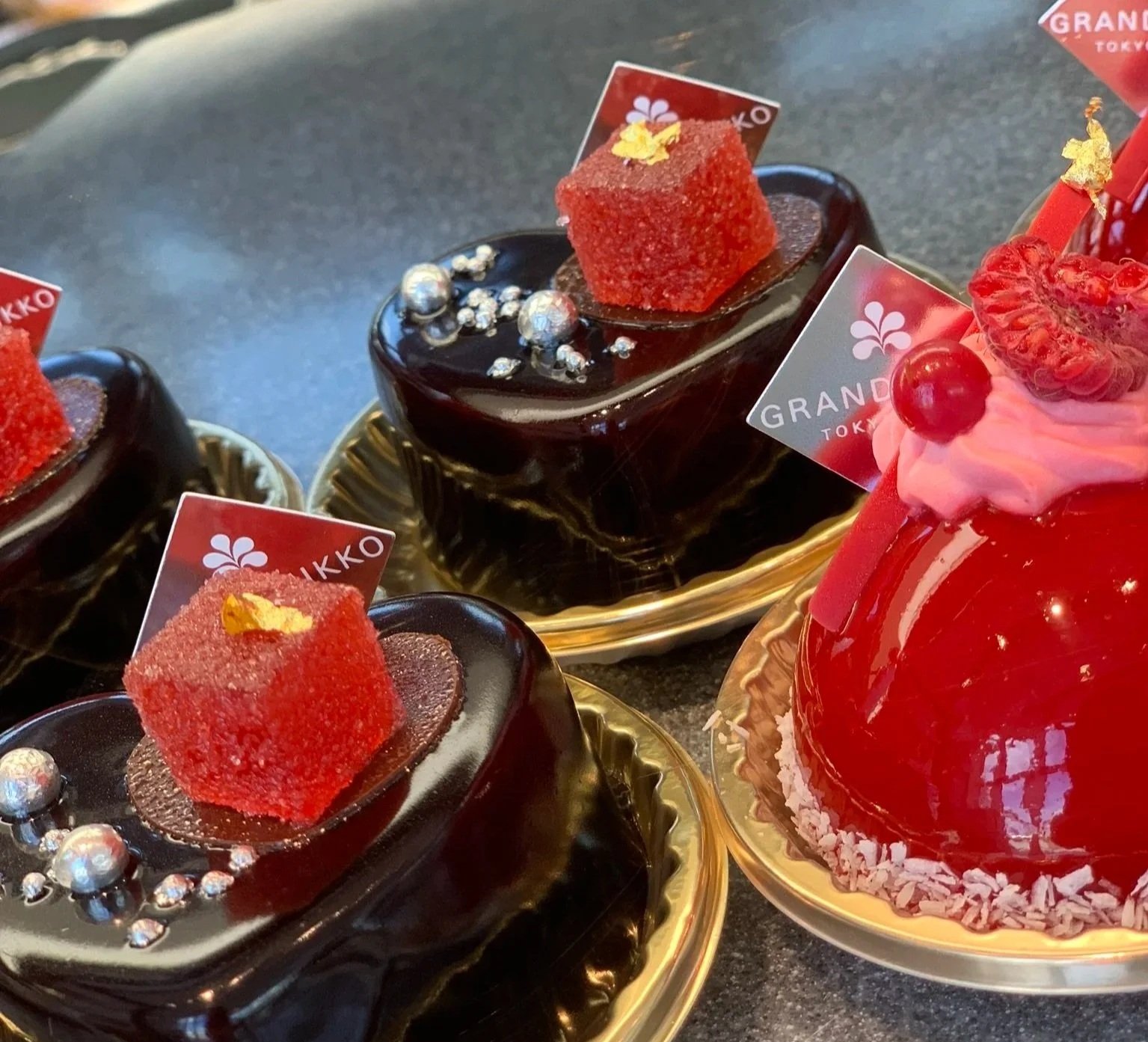
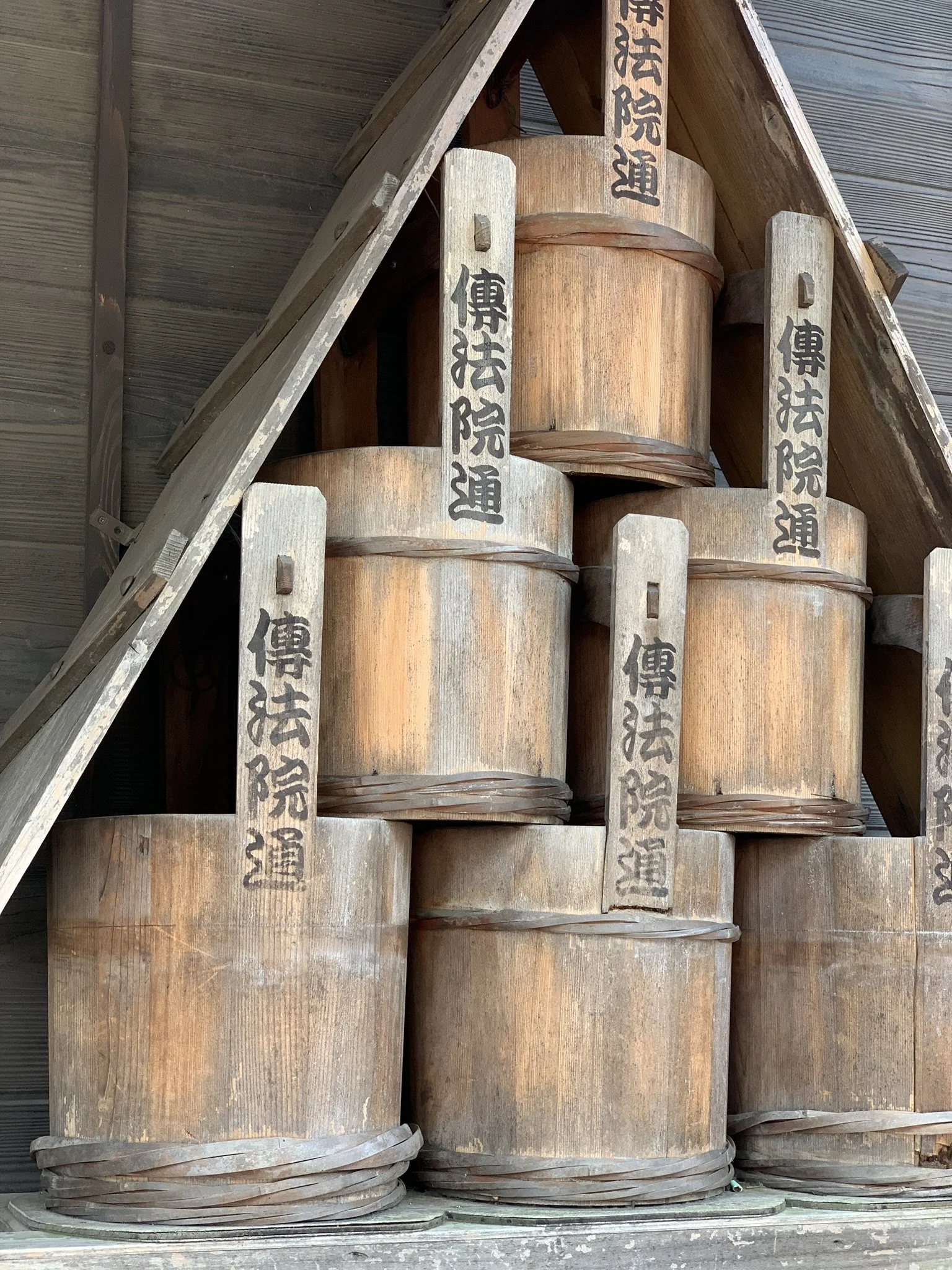
Fire water buckets
If you happen to be in the Asakusa district, perhaps hunt for hidden statues.
There are the Five Thieves of Shiranami taken from the 19th century Kabuki play. ( I took photos as they stood out. I have learned my lesson at the great wall that when you see something of interest - take a photo and research later. Now I wish I had snapped a picture of the others.
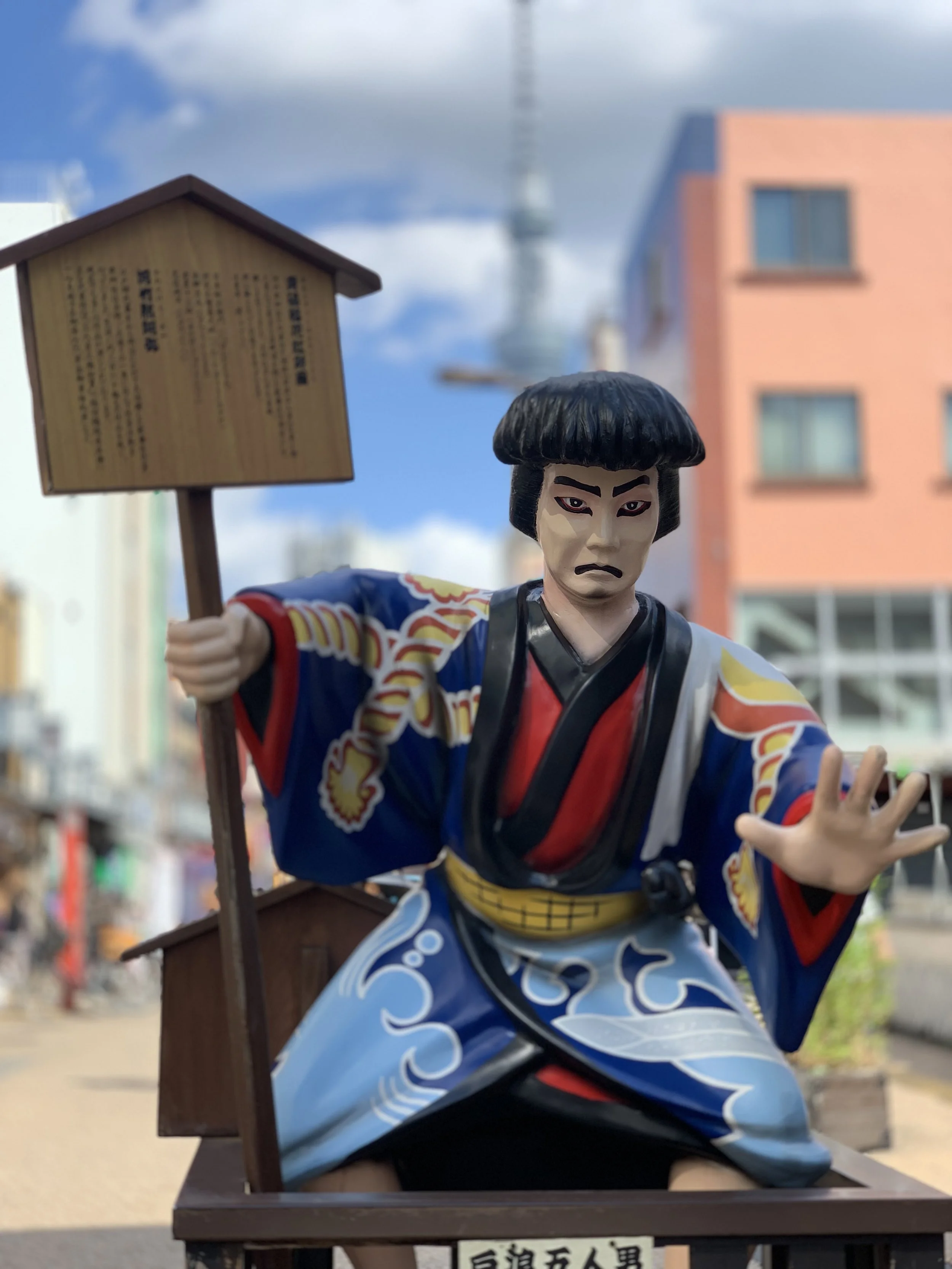
Nippon Deamon
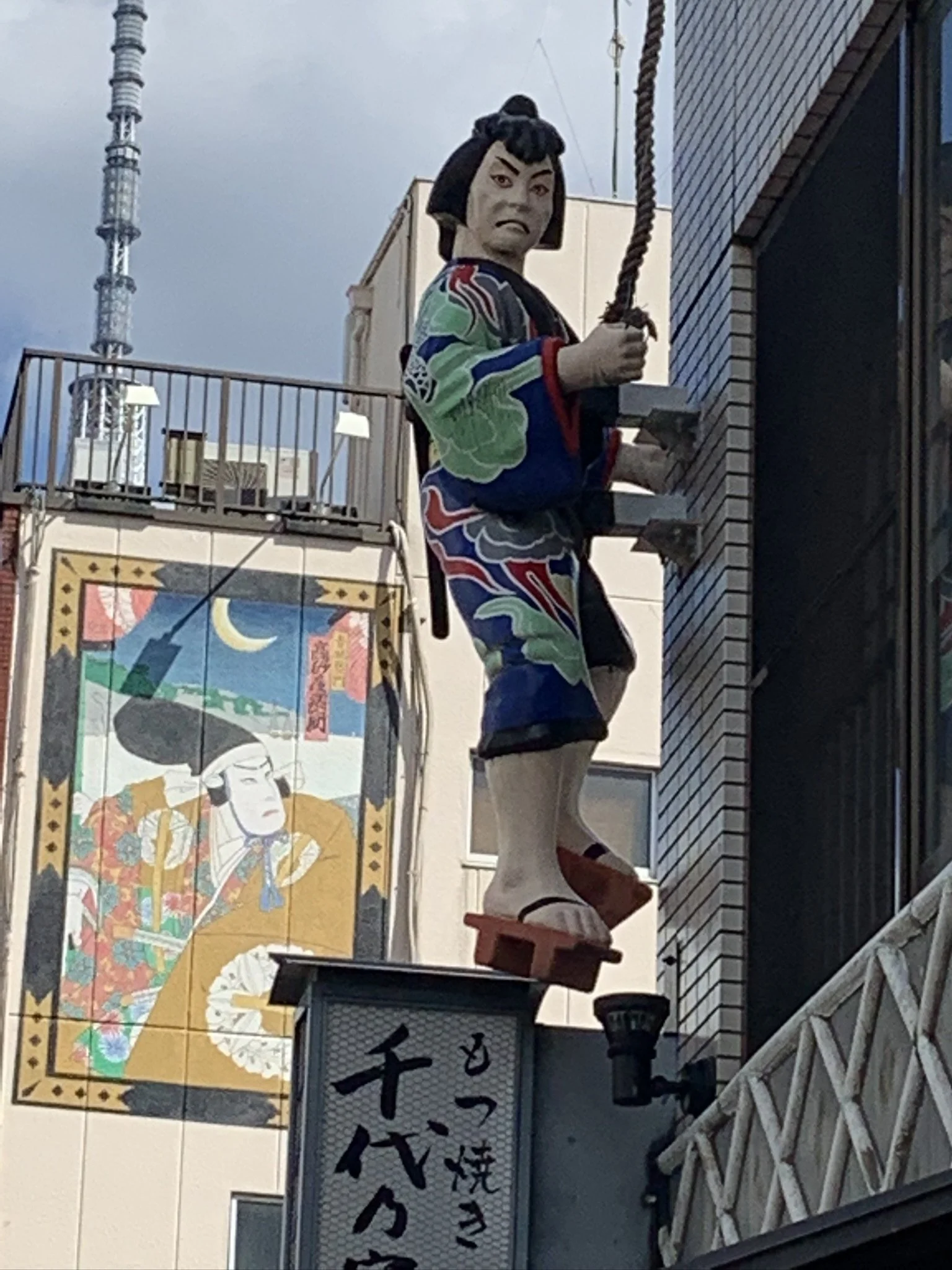
Benton Kozo Kikunosuke
I had no idea that seeing these couple thieves would be the pre-curser to what would become the beginning of having my watch stolen right off my wrist. No bump, no tug, I hadn’t felt a thing.
I suspect it was the crowded elevator ride up the Toyoko Tower, but somewhere between checking my watch as a bought tickets and arriving at the top, it disappeared.
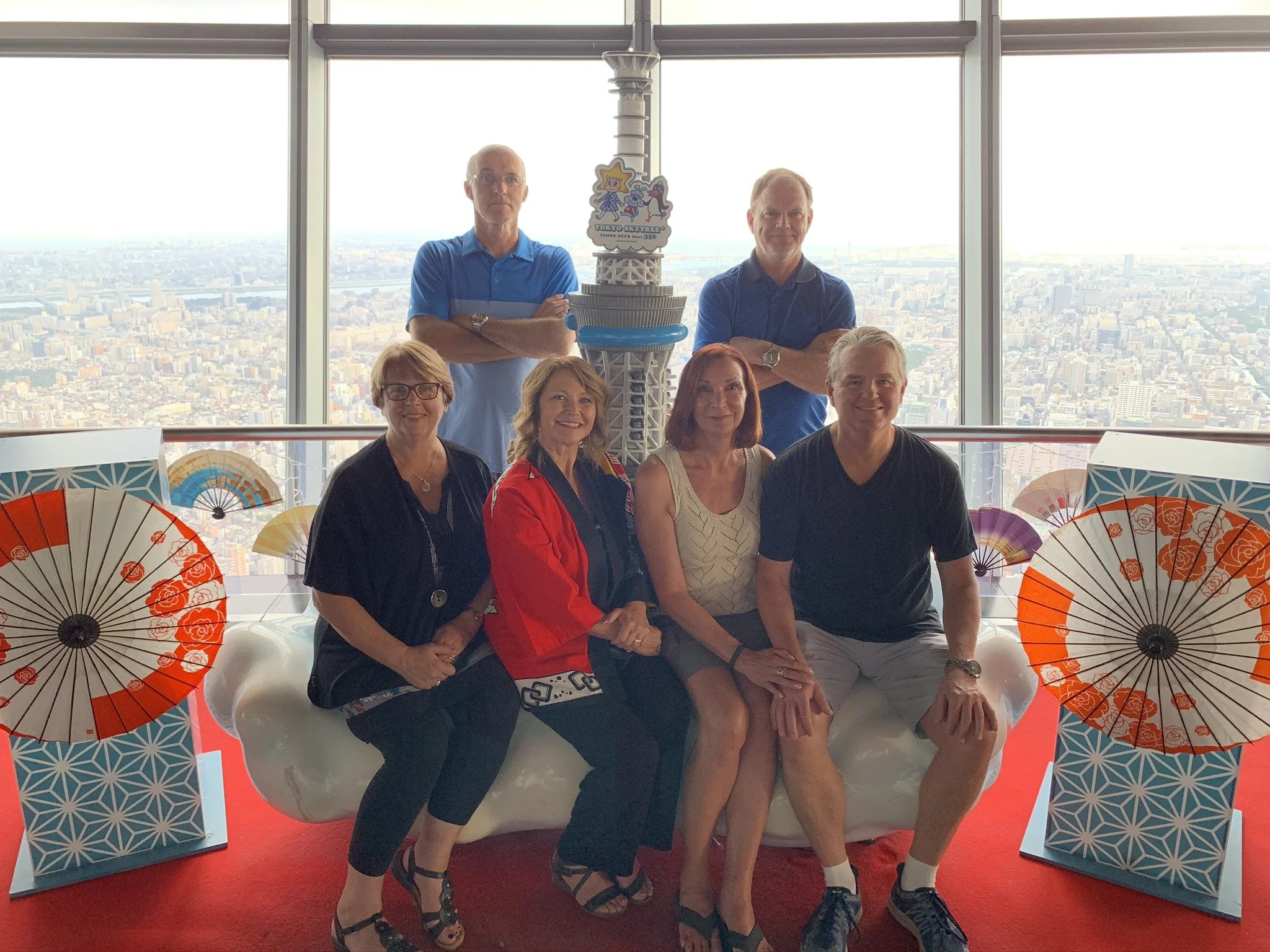
Tokyo Tower pic of the gang
(Crime is everywhere, always be on guard. Clearly a reason to not take good jewelry with you. A mistake I had made and paid for.)
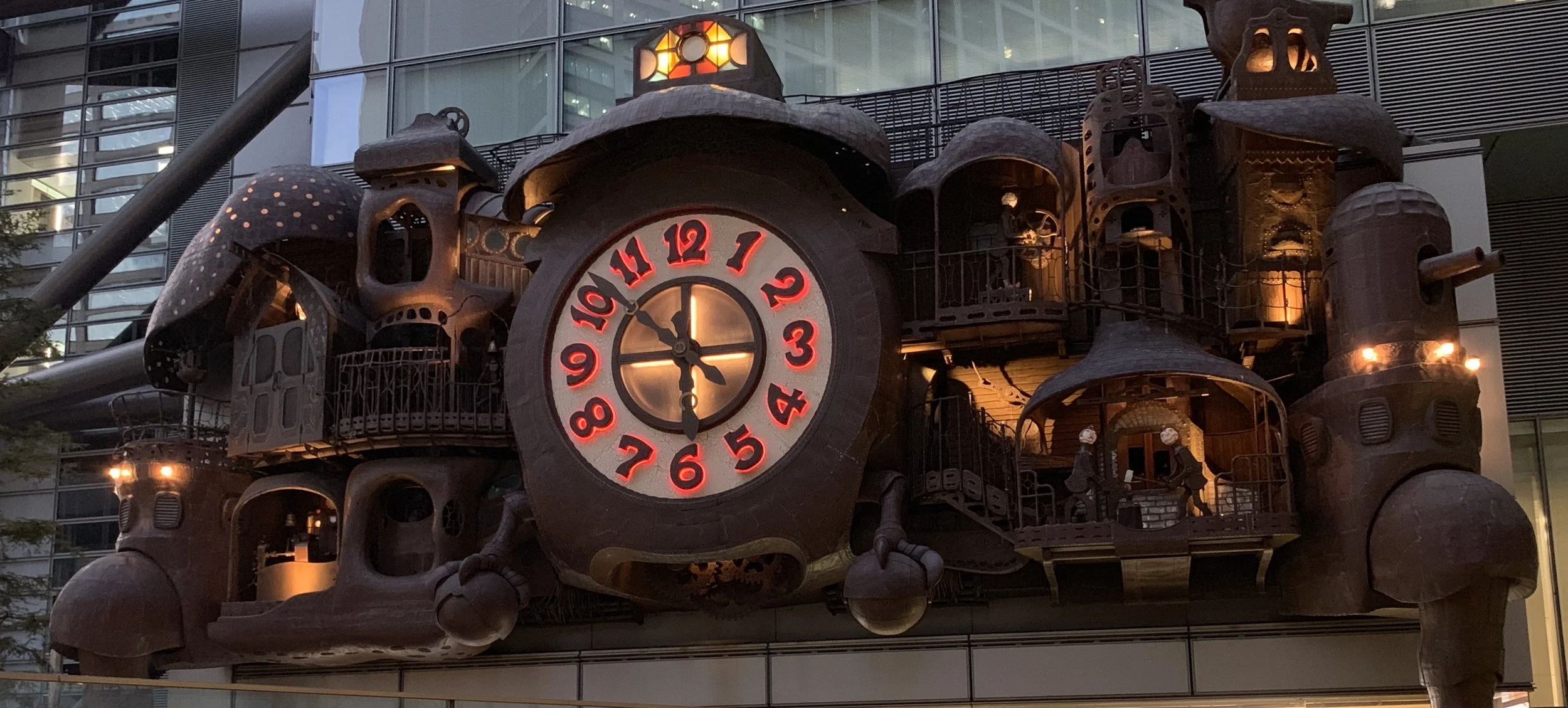
Ni-Tele Really Big Clock - near Nettele Tower
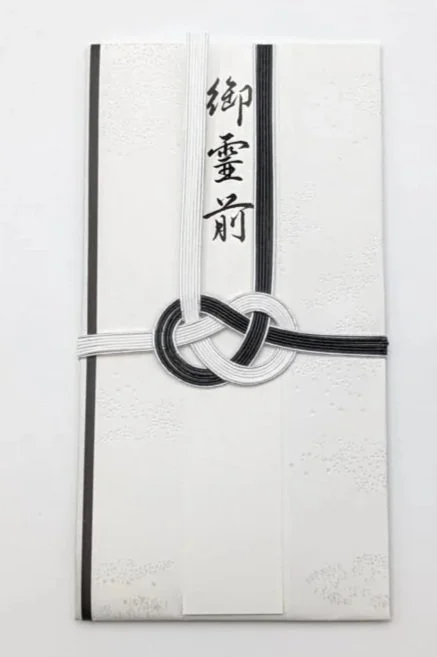
koden-bukuro envelope
Prior to our arrival in Japan, Keiko’s mother fell ill and passed.
I did a deep dive to understand customs around this, learning about Kokoden or condolence money which must be presented in a special black-and-white envelope.
A lovely clerk in Hiroshima helped me with the envelope, explaining how you fill the envelope with money and the bills must be older and facing down. NEVER new bills.
There is 49 days where the family avoids celebrations, drinking parties, or visiting Shinto shrines, as death is considered an impurity in the Shinto faith.
We missed not having more time with my sister in law and appreciate the time we had together.
This changed many things including giving a toast to our hosts as thank you for hospitality.
A home shrine or Butsudan had a place of honour in their home and before the family eats breakfast, small portions of freshly cooked rice, a cup of green tea, or clean water are placed before anyone eats. I was on a steep learning curve but committed to the process.
This is why I travel, to learn, embrace and become a world citizen.
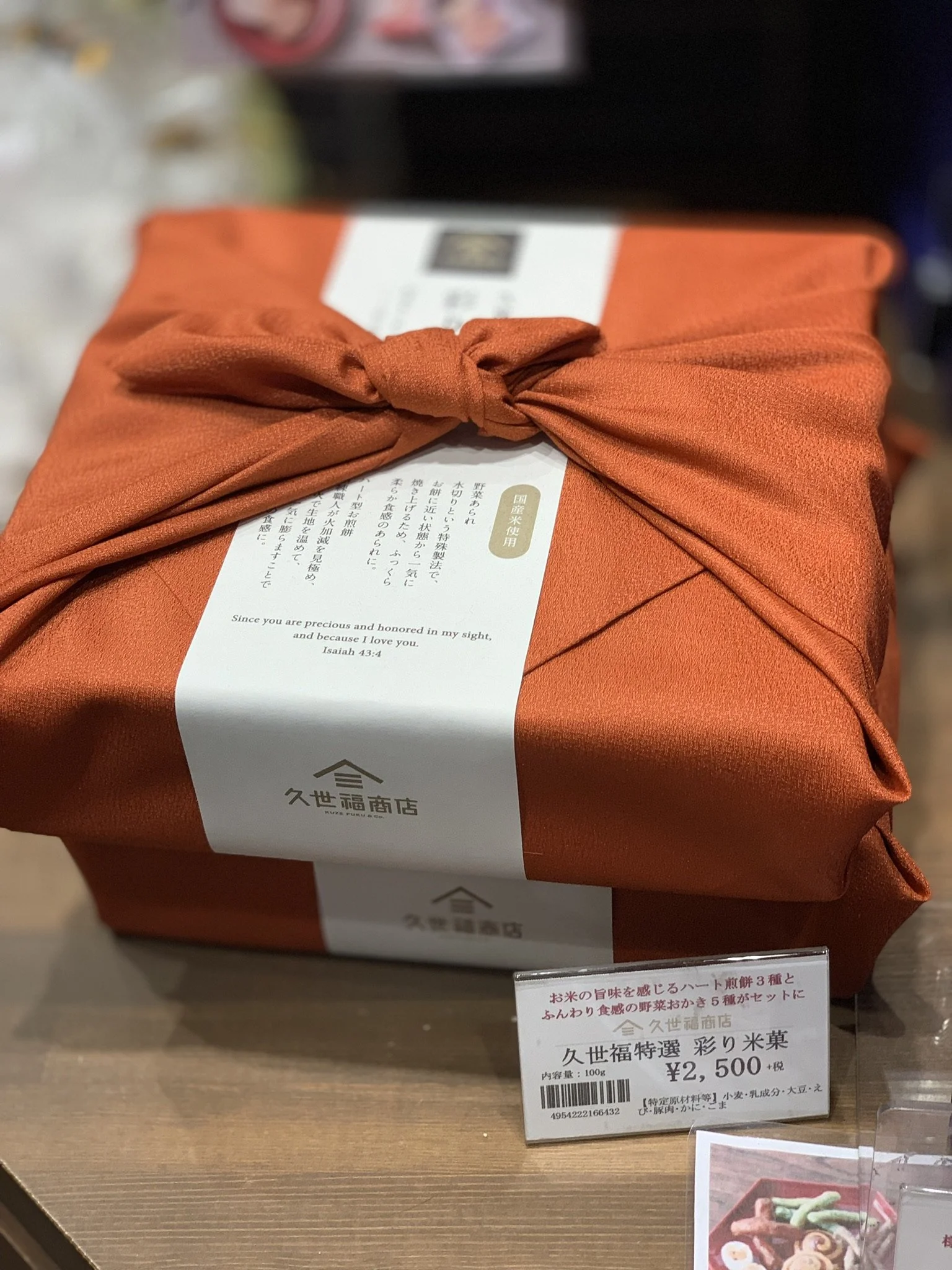
I could not miss telling you about wrapping in Japan. The wrapping is as much as the gift itself. It is a form or Origami and origami dates back centuries.
Gift wrapping in Japan
The oldest known book on recreational paper folding is called Hiden Senbazuru Oritata and dates back to 1797 - translated it means The Secret of Folding One Thousand Cranes.
Gift wrapping I discovered it a lesson in patience. I watched a woman clerk wrap my gift.
Every fold had a purpose. Every edge was perfect. There was no ripping off a piece of paper and hoping for the best.
I watched.
And watched. And watched.
Ten minutes and it was beautiful.
Back home, I would have thrown it into a bag, toss in tissue paper and a card.
Attention to detail showed up everywhere in Japan.
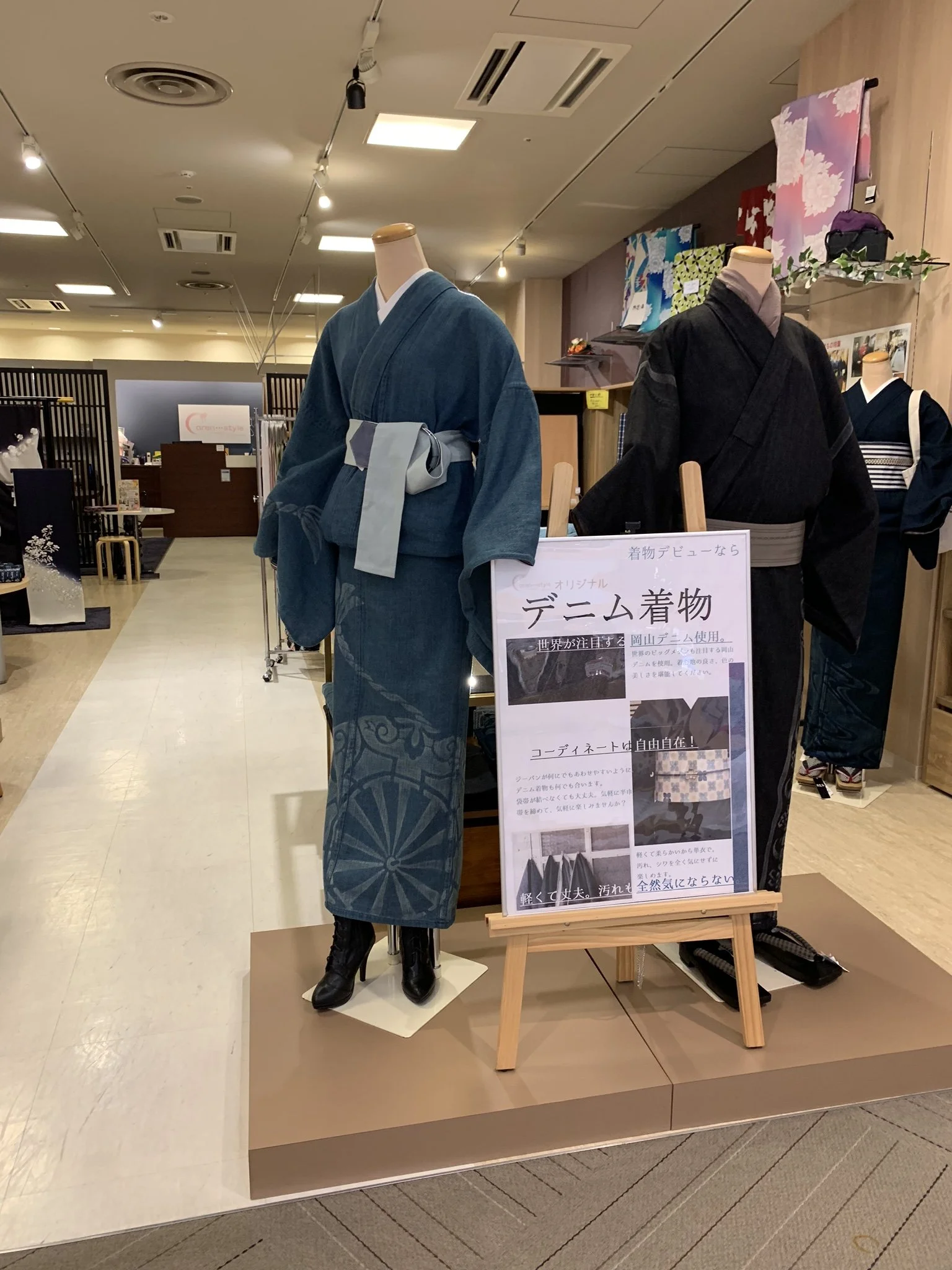
How you tie your kimono, bento boxes and how you bow. Yes, it is a thing.
Eshaku -Greeting Bow is 15 degrees, Keirei or the Respectful Bow is 30 degrees used as a standard business and formal bow to welcome customers into a shop and Saikeirei, a deeply Respectful/Apologetic Bow at 45 degrees or More: This is a profound gesture used for deep reverence, massive gratitude, or profound apologies (shizai).
Bowing is everywhere.
Japan is incredibly clean.
You do not see people walking around eating or holding or drinking coffee or pop, which is completely different in North America, the home of take out and coffee to go.
I don’t even recall seeing public garbage cans.
At first, I kept looking for somewhere to put things. Eventually I learned to do what everyone else did—carry my garbage with me back home. This is intentional and I discovered slowing down to eat. Enjoying the moments. BTW: In 1995 most trash cans were removed.
It sounds like such a small thing, but it said something about the culture.
You don’t always need someone standing over you telling you what to do when people have already decided that taking responsibility is simply part of the deal.
I’m not naturally a huge rules person.
Which made Tokyo particularly interesting. I have no idea how many I broke but I did try.
I began to appreciate what rules can create when everyone follows them, especially in such a HUGE city.
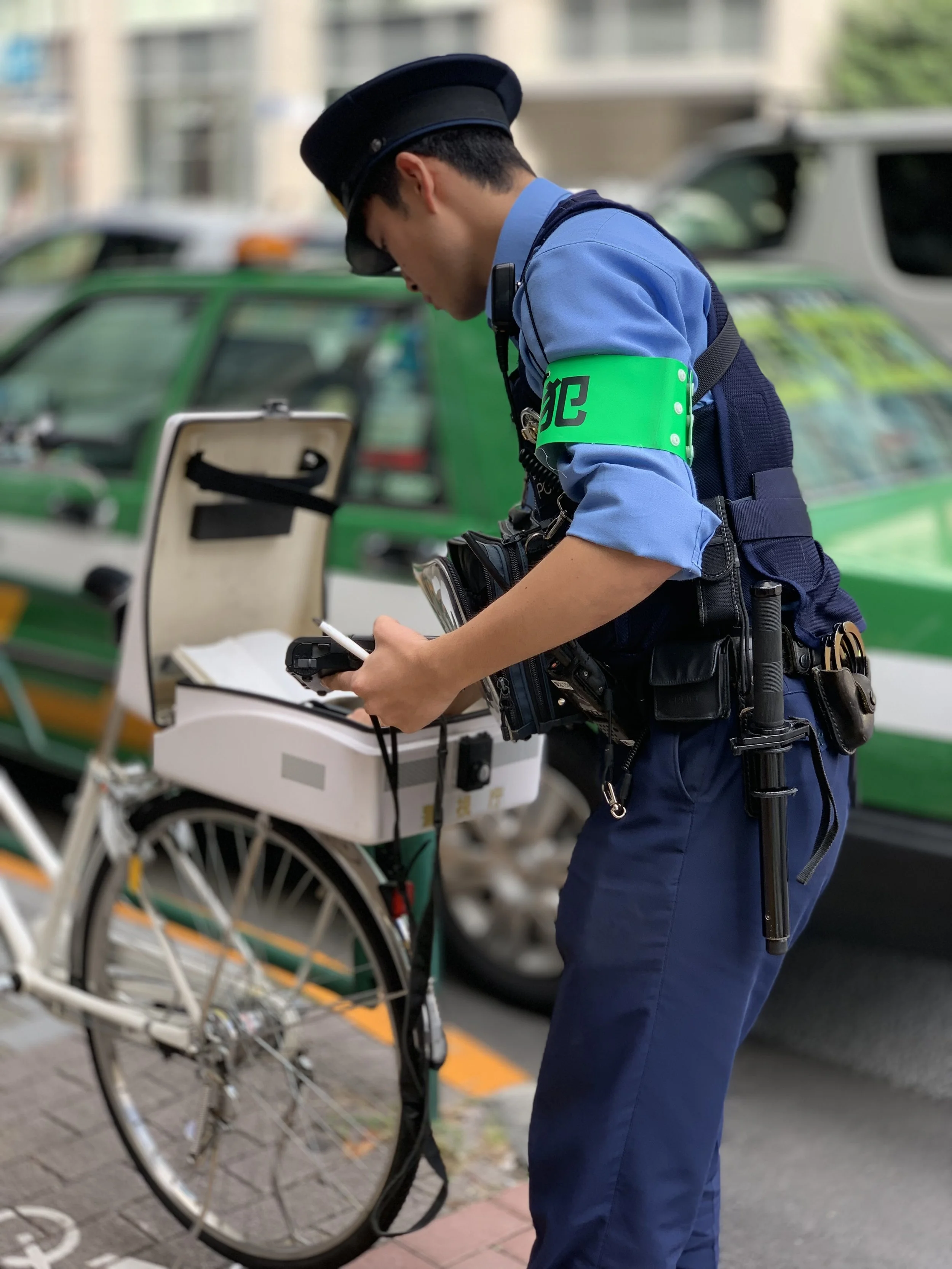
parking ticket
Rules and uniforms at every turn.
I saw it in the streets. On the trains. In stores. At crossings. In the way people bowed. In the extraordinary care people took with something as simple as wrapping a present.
And I saw it one last time just before we left.
I was standing outside a beautiful department store before opening. Two women in immaculate uniforms appeared at the doors.
They stood there quietly. Heads down. shoes polished.
At exactly the appointed time, they both looked at their watches, lifted their arms, reached for the door handles and opened the doors.
No fanfare.
No shouting.
No crowd pushing forward.
The doors opened and people simply walked in.
Inside, the clerks stood at the ends of the aisles and bowed as customers passed.
I stood there watching, thinking about how completely different this was from the way I normally moved through a store.
I had one last purchase to make before I left Japan
By this point, I knew what I wanted: Excellent Sake, a beautiful sake container with matching cups. A custom gift made in Japan.
I had come to Japan not knowing much about sake.
I was leaving with a little more knowledge, a beautiful reminder of the country and a much greater appreciation for the strange, wonderful precision of everyday life.
Maybe I never become a great fan of rules.
But I certainly learned to appreciate what happens when everyone else follows them. INCLUDING ME!
Below are some “Don’t Miss This” suggestions
Beyond the Blog — Tokyo & Yokohama
A few things I’d put on your radar when planning a Tokyo adventure—especially if you like to eat, wander and experience a place rather than just see it.
Tokyo
Get inside Toyosu Fish Market
Skip the tourist-only version and get onto the working floor. I found Toshi Experience – Toyosu Fish Market, where a chef takes you through the market and food district, then turns what you discover into a meal. Not cheap, but worth every yen. Book early.
Visit Meiji Jingu
A peaceful forest escape in the middle of Tokyo. The contrast between the enormous city and this quiet shrine is unforgettable.
Discover Nezu Shrine & Yanaka
For a taste of old Tokyo without the same crowds. Wander the shrines, tiny streets, traditional shops and neighbourhoods.
Wander Yanaka Ginza
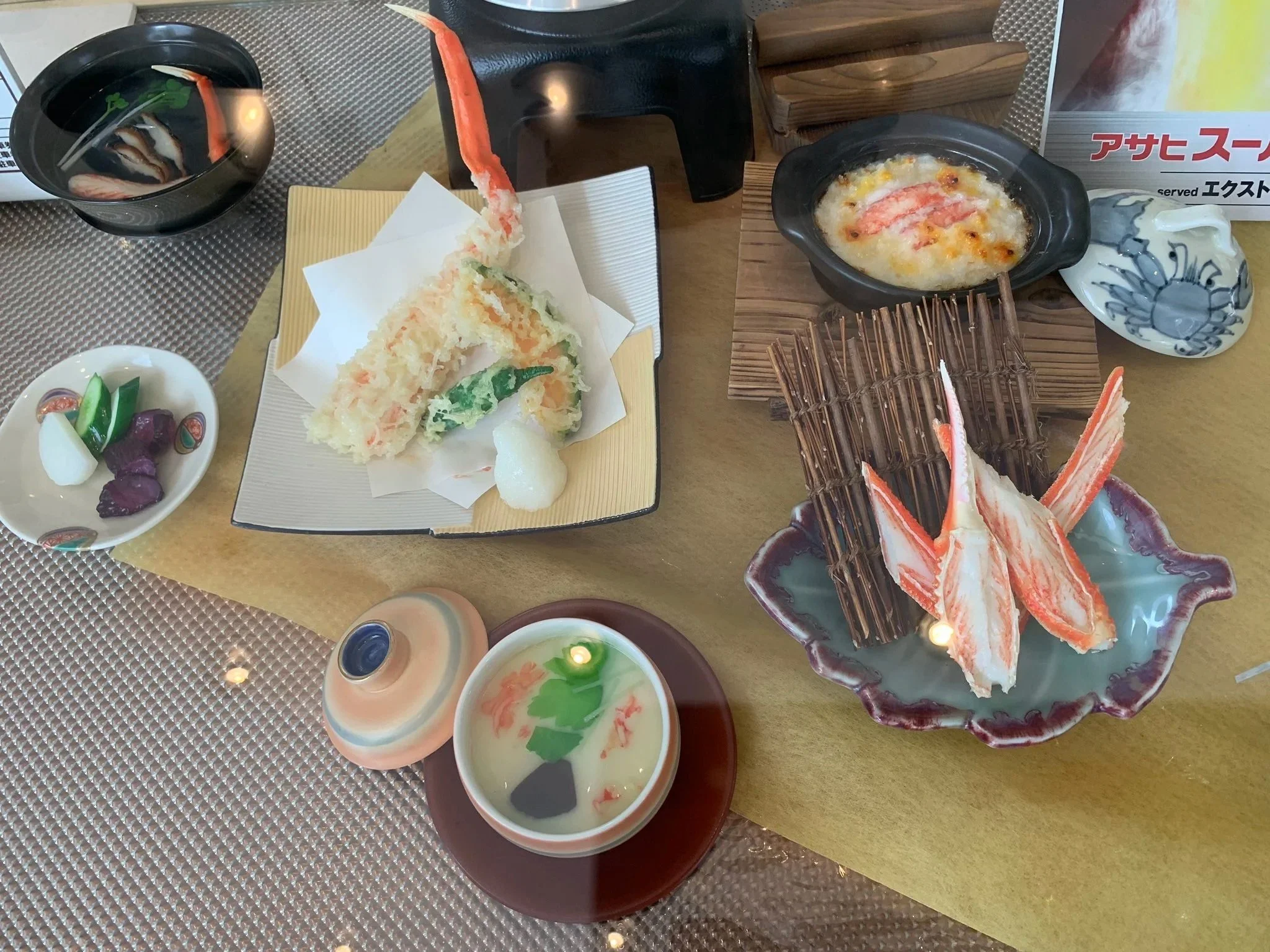
Go hungry! This old-fashioned shopping street is perfect for grazing on Japanese snacks and local treats. I bought dashi here—yum!
Explore Kappabashi Kitchen Town
A foodie’s playground filled with Japanese knives, dishes, cookware and restaurant supplies. And plenty of wonderfully quirky things you didn’t know you needed.
Explore Senso-ji & Nakamise
Yes, it’s busy and touristy—but iconic for a reason. Take your time, wander beyond the main path and sample something delicious along the way.
Go up Tokyo Tower
Do it for the view—and to appreciate just how enormous Tokyo really is. Add nearby Zojo-ji Temple for a completely different perspective. Tickets are required and lines are common, so plan ahead.
Experience Shibuya Crossing
Stand back and watch the madness become choreography—then cross it yourself! For the ultimate view, head to Shibuya Sky at Shibuya Scramble Square. Book ahead, especially around sunset.
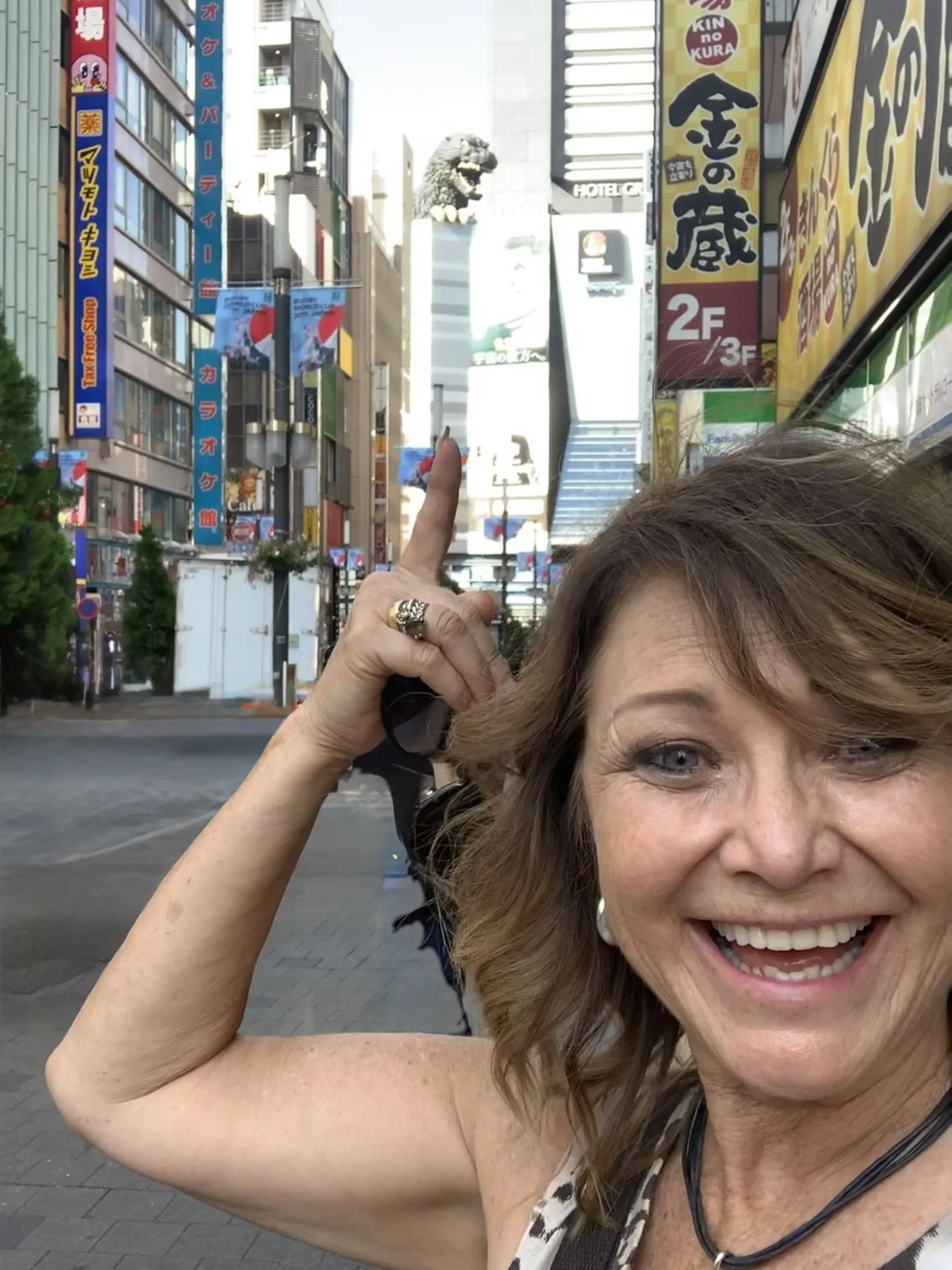
Find Godzilla in Shinjuku
Because sometimes travel needs a giant lizard. While you’re there, explore Shinjuku, Kabukicho and Golden Gai.
Book a sake tasting
Don’t just drink it—learn about it. A proper tasting makes sake far more interesting once you understand what you’re actually tasting. I loved this experience and recommend Brian. Search for Craft Sake Shoten, formerly Brian’s Bar. Book ahead.
Visit Hamarikyu Gardens
A beautiful Edo-era garden surrounded by skyscrapers. The perfect place to slow down when Tokyo starts feeling BIG.
Spend a few hours at the Tokyo National Museum
If you want to understand Japan beyond the neon, this is a great place to start.
And don’t forget Yokohama…
Stay in Yokohama
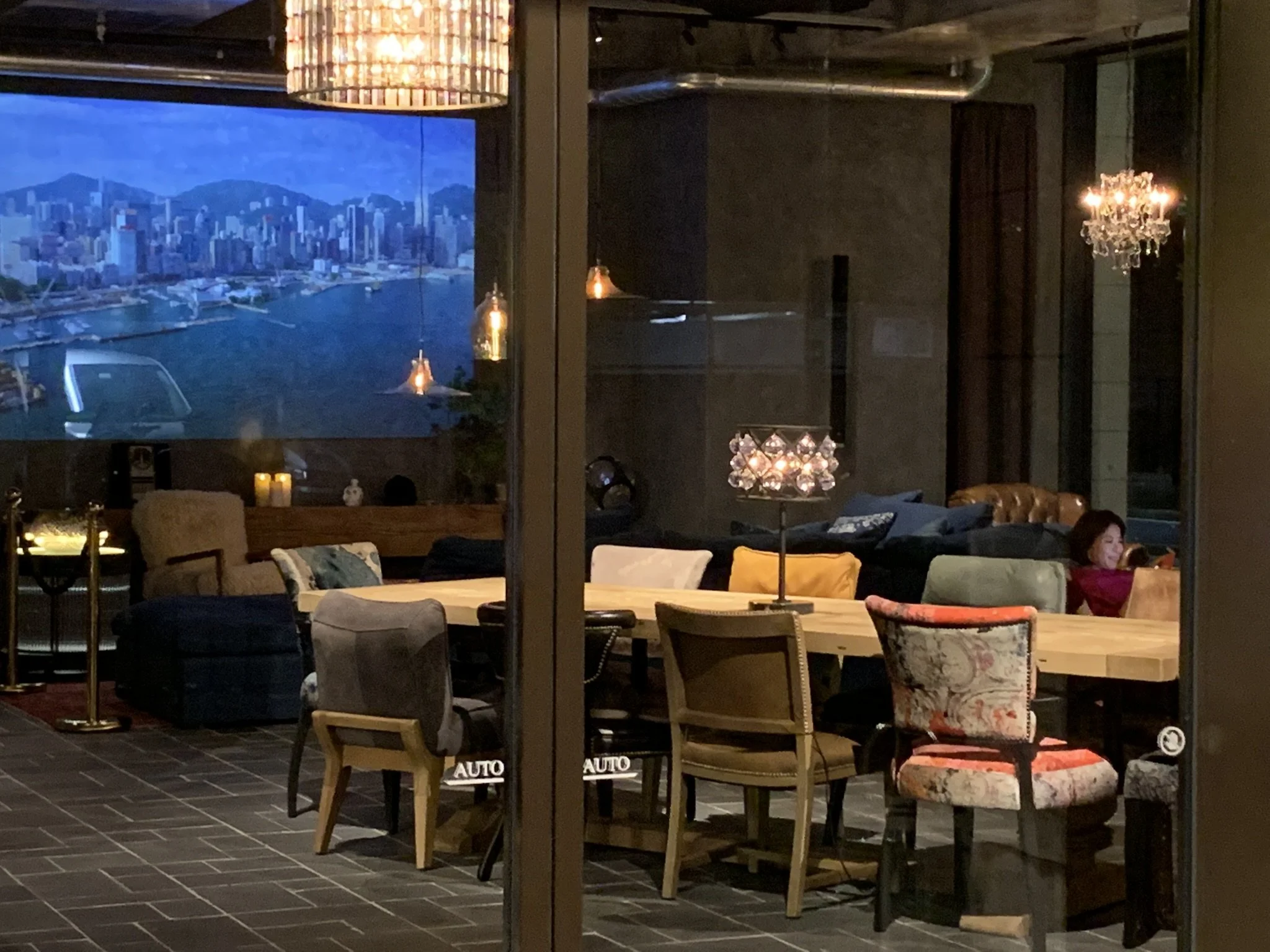
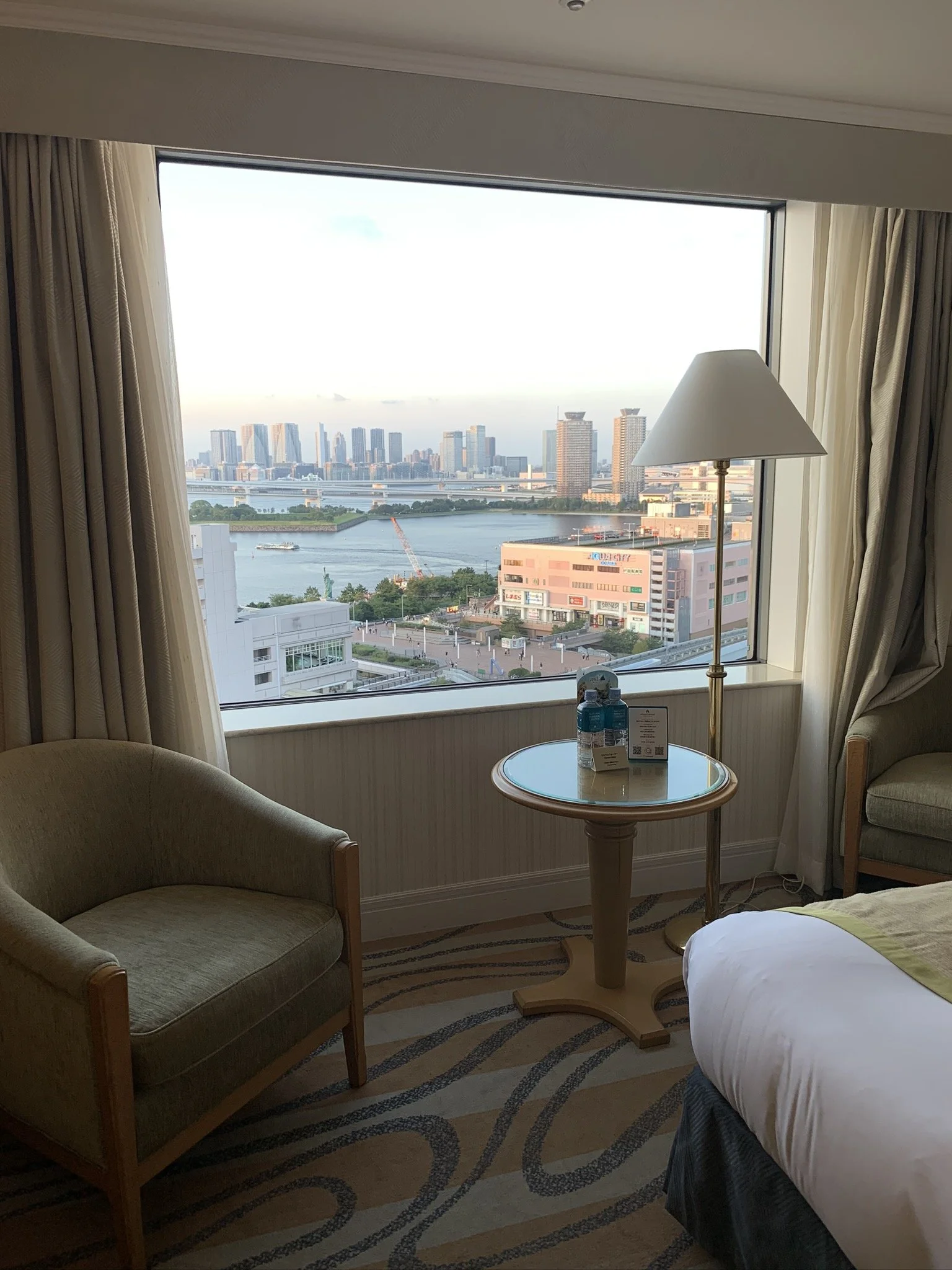
A great alternative to Tokyo’s hotel scene, with easy train access and a completely different waterfront atmosphere. Consider Hotel New Grand for historic elegance right on the water, or Grand Nikko Tokyo Daiba for a convenient touring hub. Sometimes the hotel becomes part of the travel story.
Visit Sankeien Garden
Traditional gardens, historic buildings and a welcome escape from the city for a few hours.
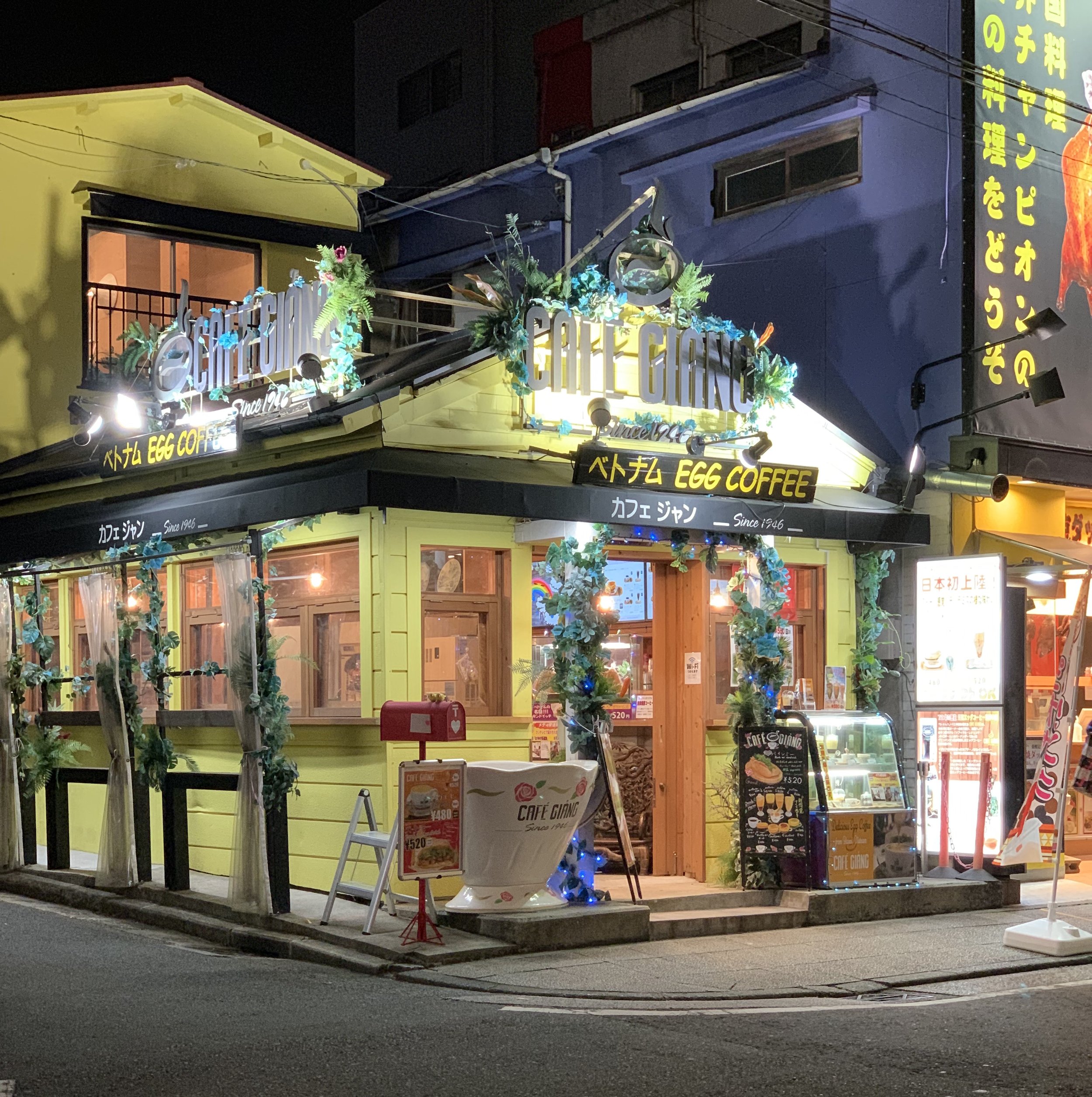
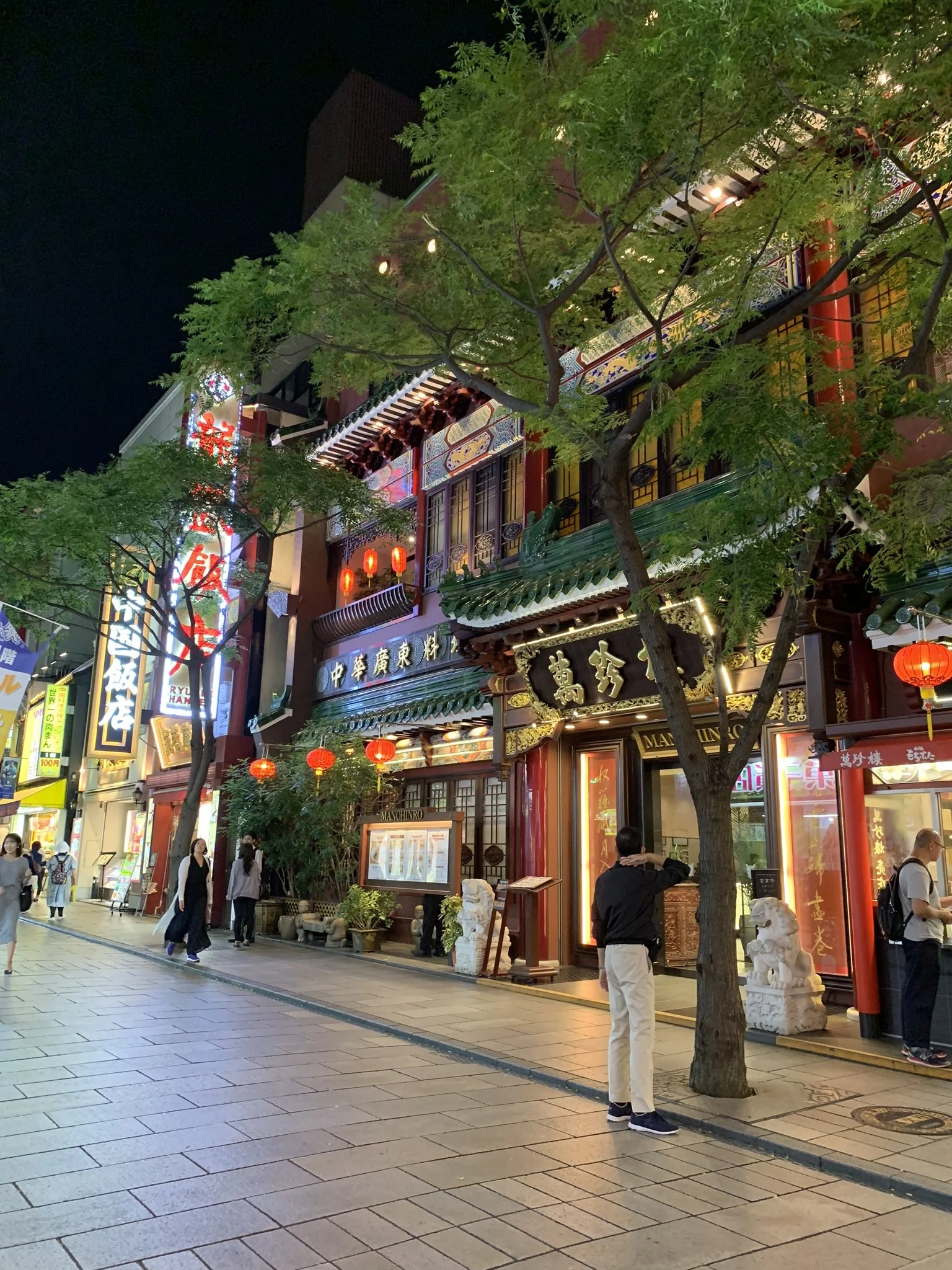
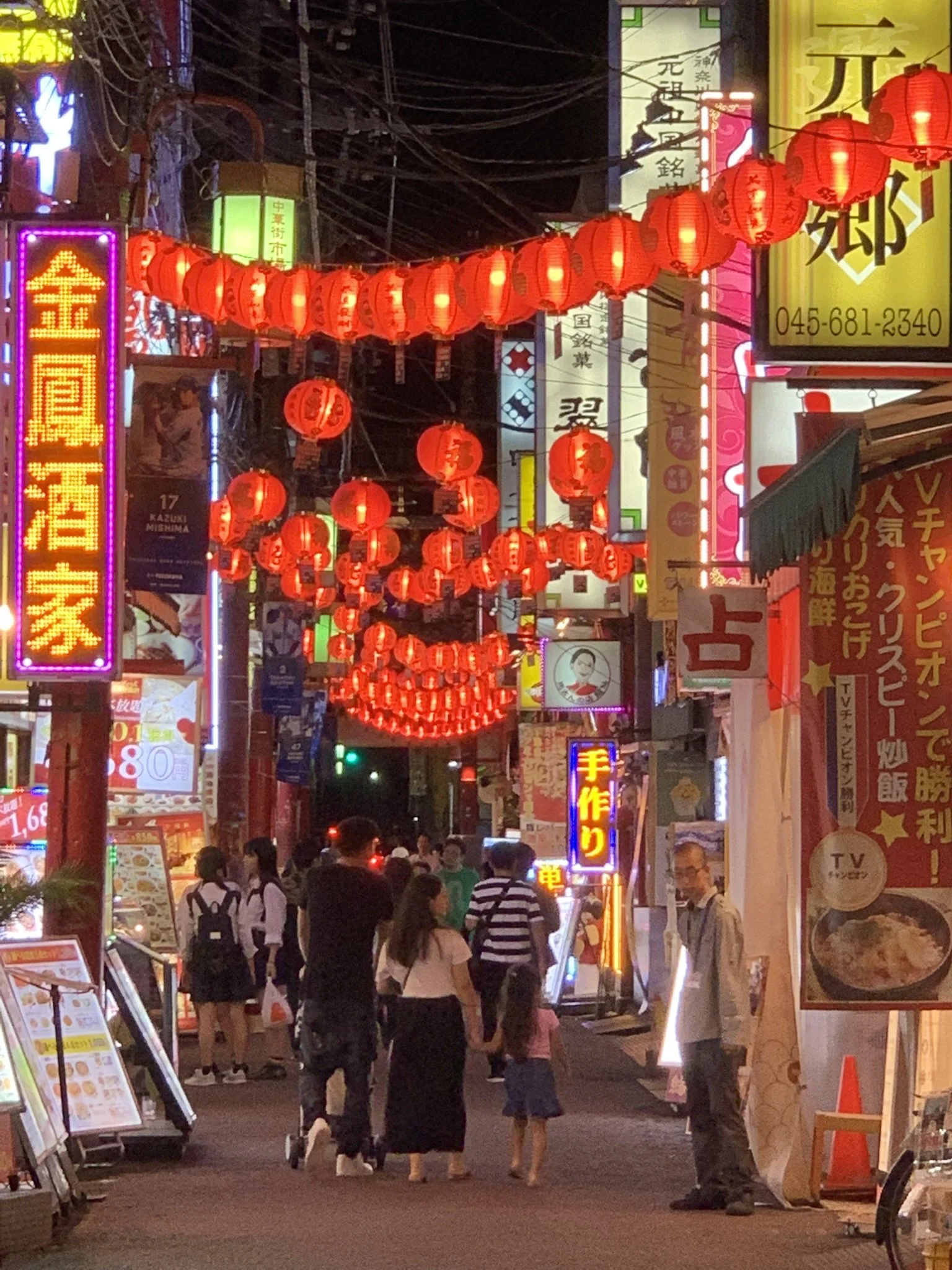
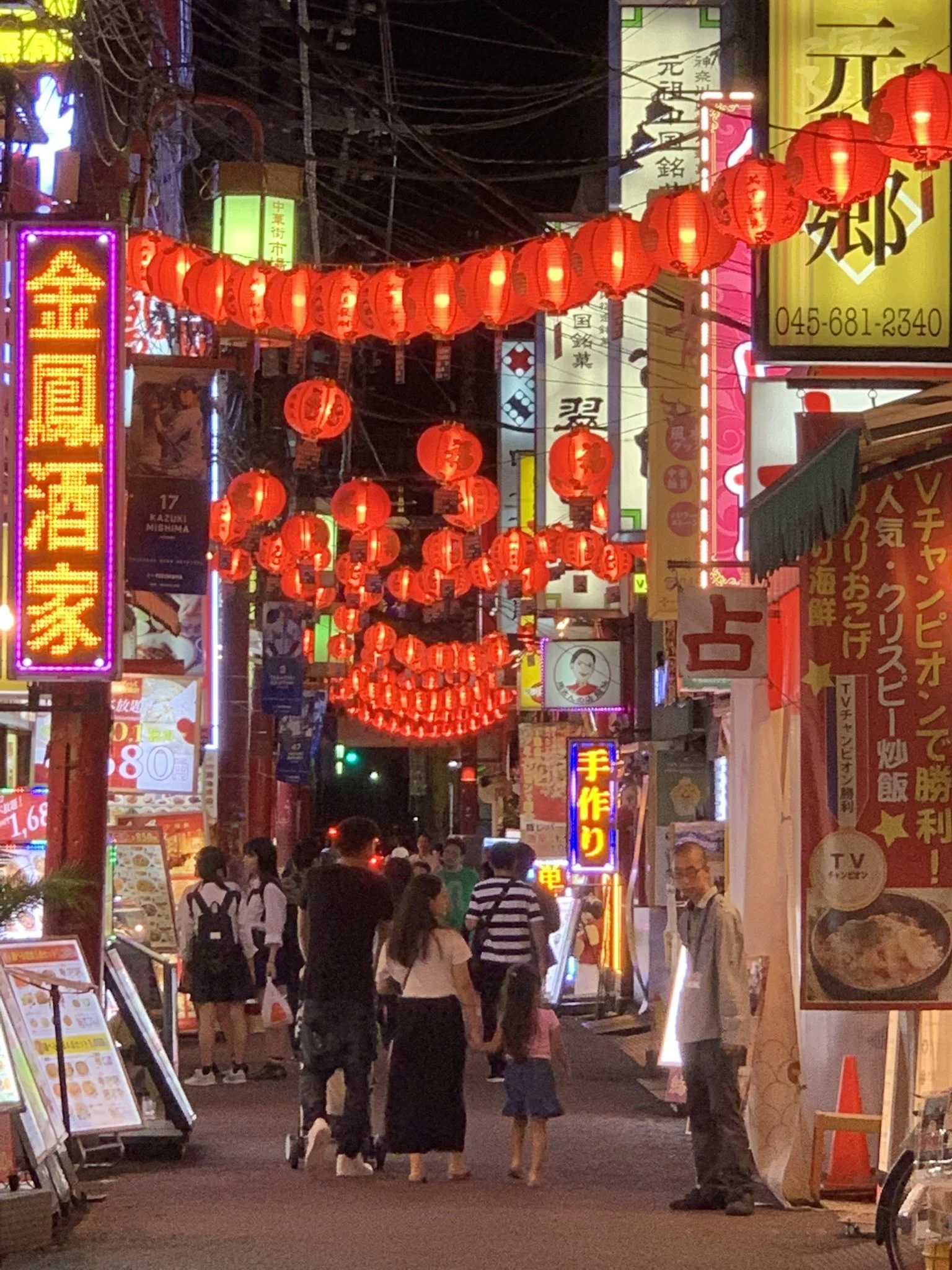
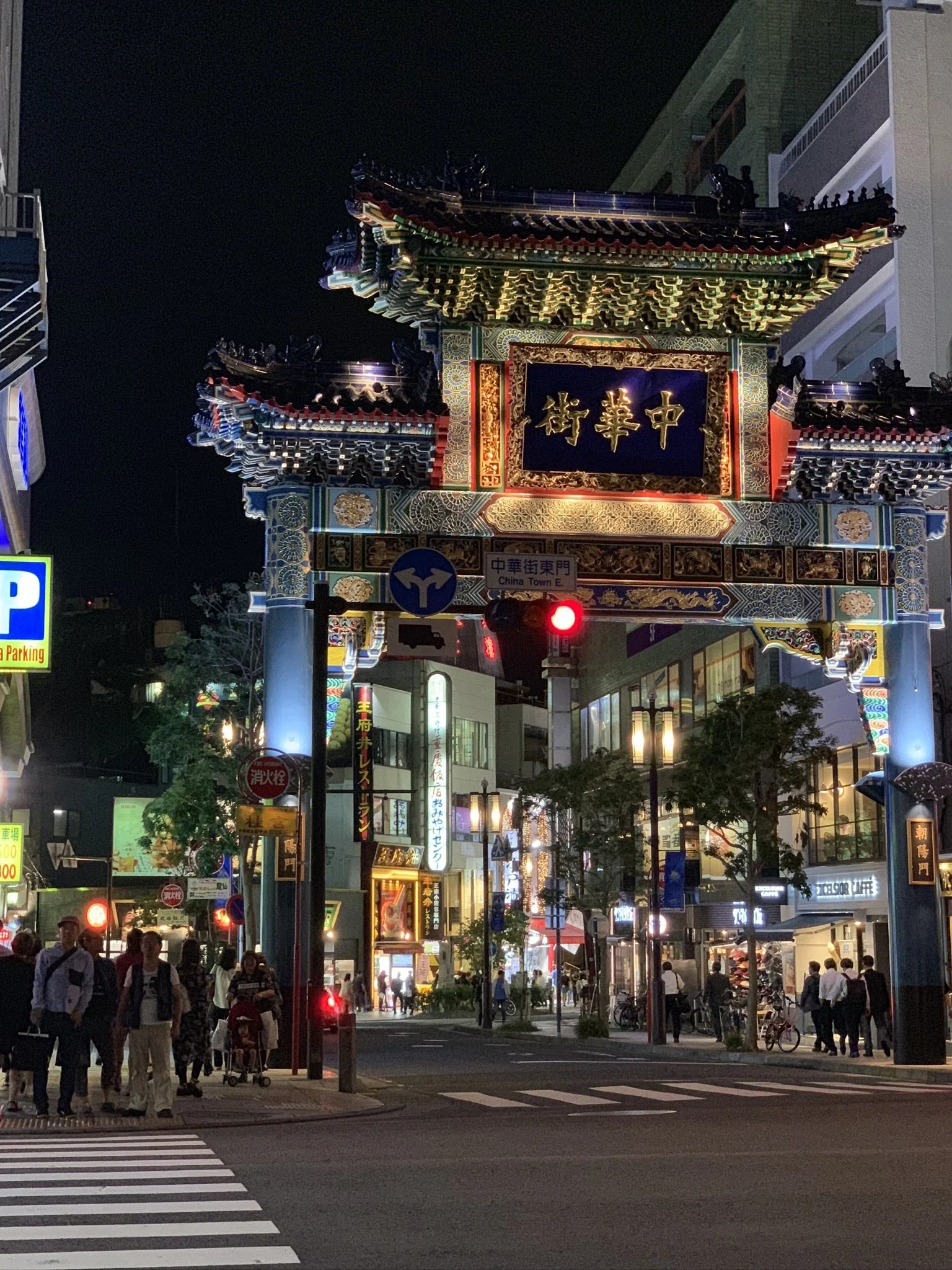
Eat your way through Yokohama Chinatown
Come hungry. Leave happy. That’s pretty much the plan.
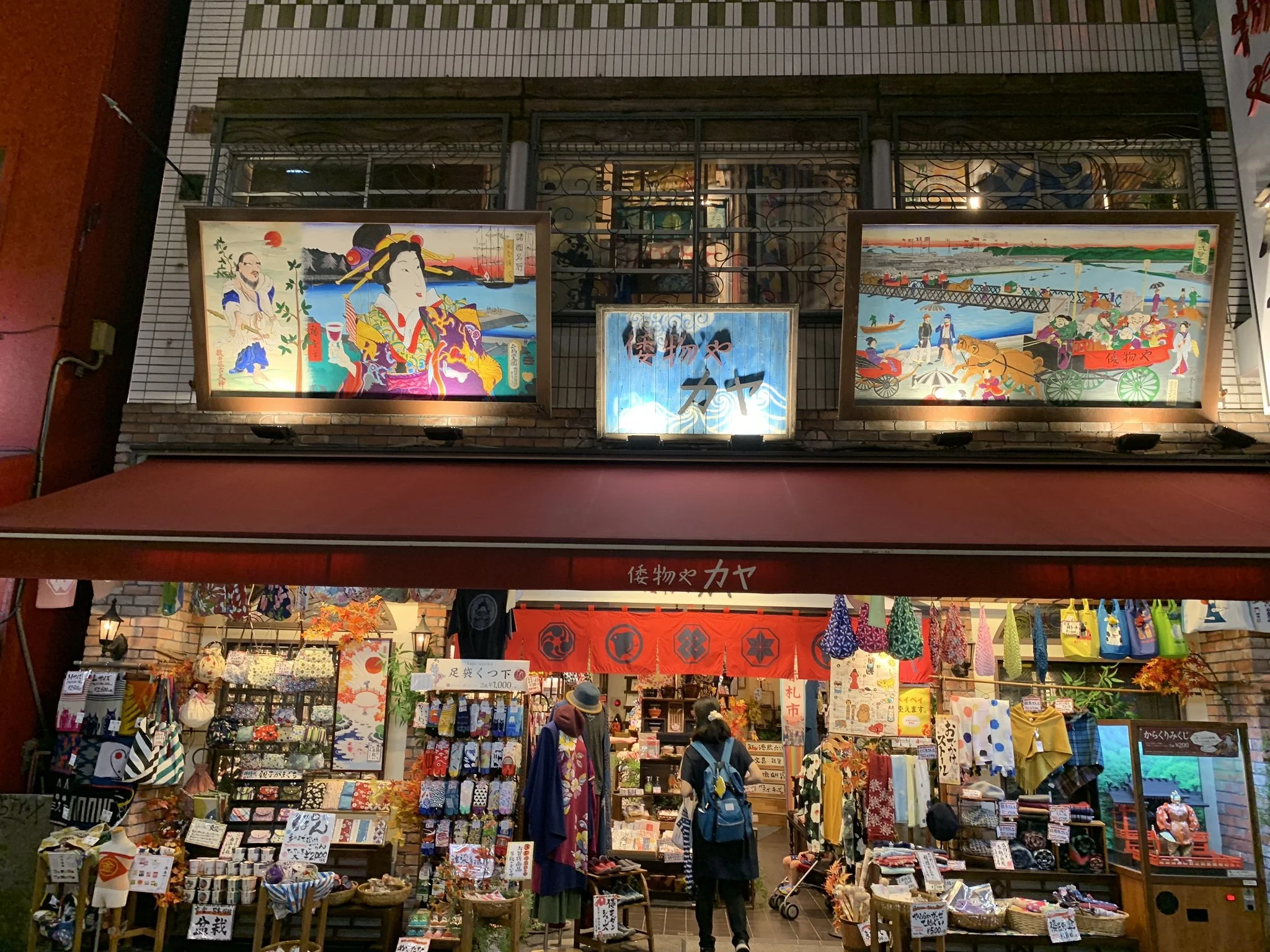
Wander Motomachi
Boutiques, cafés and a more relaxed, sophisticated side of Yokohama.
Make your own Cup Noodles
Yes, really. It’s quirky, fun and surprisingly interesting once you learn the story behind Japan’s instant-noodle revolution.
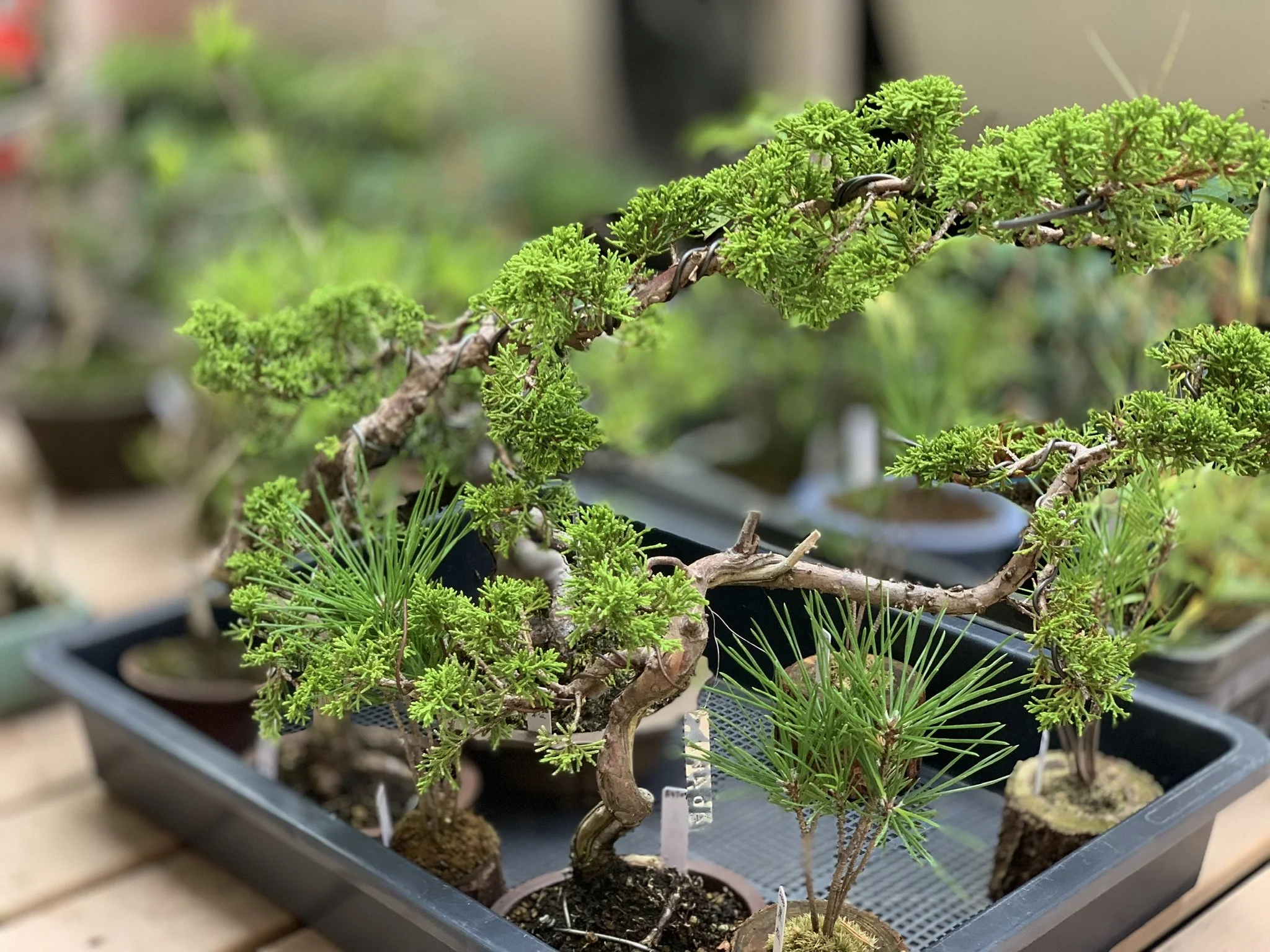
Try a hands-on Japanese craft
Pottery, knife-making, indigo dyeing, wagashi—or whatever catches your eye. I’d rather bring home something I made than another souvenir I bought.