
You can’t call it “Home Sweet Home” if you clean it with chemicals
Fresh scents. Beautiful results. A home that smells inviting — not overwhelming.
Discover Nature’s Direct and fall in love with walking through your front door again.
Create a Healthy Home Today
The science-backed reality of what’s in our homes
Modern homes are filled with thousands of chemicals released from everyday products like cleaners, disinfectants, paints, plastics, and fragranced items. Many of these release volatile organic compounds (VOCs)—chemicals that easily evaporate into the air we breathe indoors.
And here’s the part most people don’t realize:
Indoor air can contain higher concentrations of certain pollutants than outdoor air, sometimes several times higher, especially during activities like cleaning or spraying fragranced products.
What’s Really in Our Homes?
Most people never question what’s in their cleaning cupboard.
But everyday cleaning products can contribute to indoor air exposure through volatile organic compounds (VOCs), which are widely studied for their role in indoor air quality and irritation in sensitive individuals.
Why this matters more for children and pets
Children are not “small adults” when it comes to chemical exposure.
Health authorities note that children, infants, pregnant people, seniors, and individuals with respiratory conditions are more vulnerable to indoor air pollutants like VOCs.
Why? Because they:
Breathe more air relative to body size
Spend more time indoors
Play closer to floors where chemicals settle
Have developing immune and respiratory systems
Pets are also at higher risk because they:
Walk and lie on treated surfaces
Groom themselves (ingesting residues)
Spend nearly all their time indoors

The hidden chemistry of “fresh scent”
That “clean smell” many people associate with freshness often comes from synthetic fragrance compounds—not purity.
Research on fragranced household and personal care products shows they can emit dozens to hundreds of VOCs, including solvents, stabilizers, and fragrance chemicals. Some studies identify compounds associated with:
Respiratory irritation
Headaches and sensitivity reactions
Potential endocrine and immune system disruption (in certain exposures)
Even products marketed as “natural” or “green” may still release VOCs when sprayed or diffused indoors.
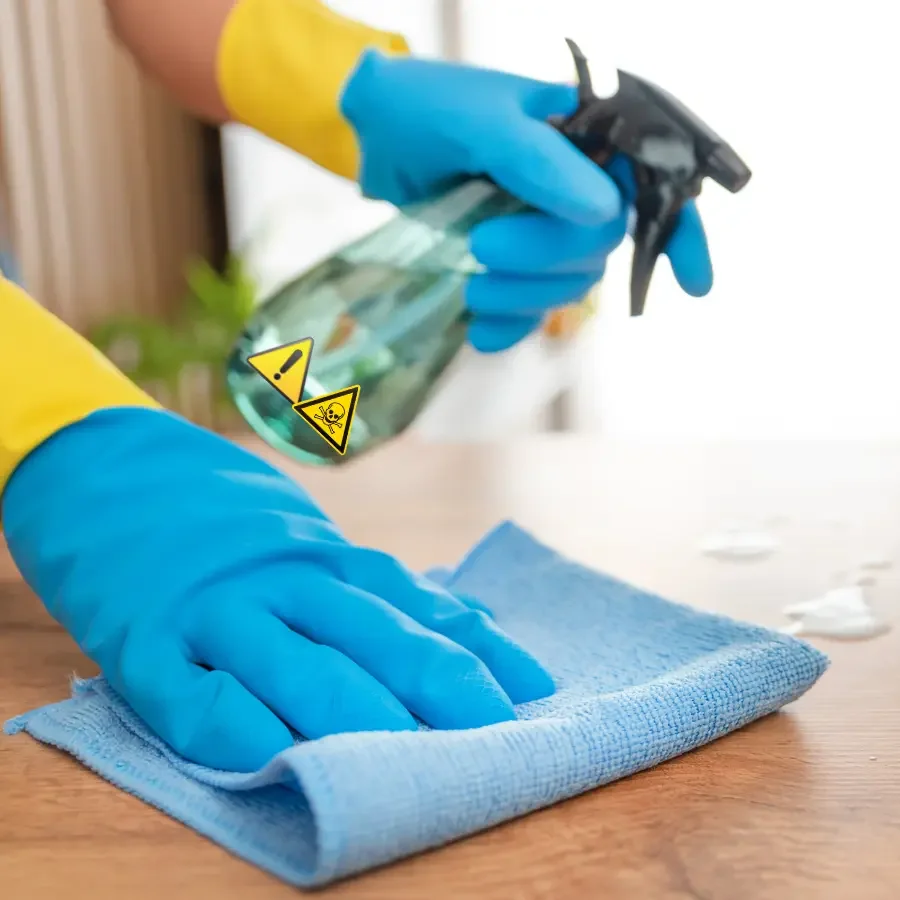
What happens inside your home (the part you can’t see)
When you spray, wipe, or diffuse chemicals indoors:
VOC levels can spike rapidly in enclosed spaces
Chemical mixtures interact with indoor air chemistry
Particles can linger long after the smell fades
Studies show cleaning and disinfecting products are associated with respiratory irritation and increased risk of asthma symptoms, particularly with repeated exposure or poor ventilation.

Why This Matters in Real Homes
Homes aren’t sterile spaces — they’re living environments.
We cook, clean, move, breathe, sleep, and share space with the people (and pets) we love most.
That’s why many families are rethinking what they bring into their homes and choosing lower-chemical or alternative cleaning approaches as part of their lifestyle.
Indoor air quality research has consistently shown that indoor environments can be influenced by cleaning practices, ventilation, and product choice.
It’s not about fear. It’s about awareness.
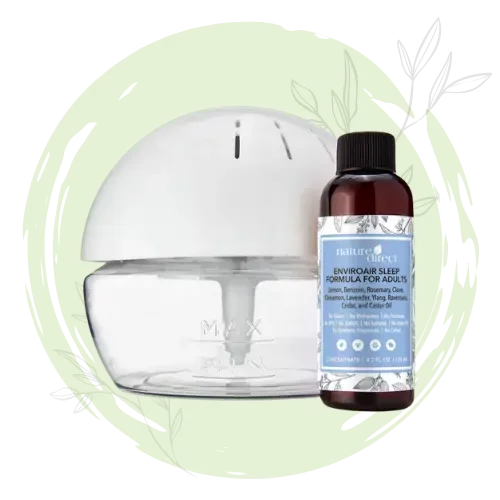
A Different Way to Care for Your Air
Nature Direct’s approach goes beyond surface cleaning.
According to brand materials, their EnviroAir Sleep Formula system and Pure Air Revitalizer technology are designed to support a fresher-feeling indoor environment by:
circulating air through a water-based system
using specially formulated scent blends
adding a light aromatic experience to the room
The brand describes this as a system that helps create a more comfortable sleeping and living environment, especially when used overnight.
Sleep better. Breathe easier. Wake up refreshed.
The Night Everything Changed
I didn’t expect much at first.
One night, I had a full kitchen moment — burnt popcorn, smoke, that lingering smell that seems to sit in every corner of the house.
I had been using the Nature Direct Revitalizer at my bedside with the Sleep Formula already running in the background.
So I decided to put it to the test.
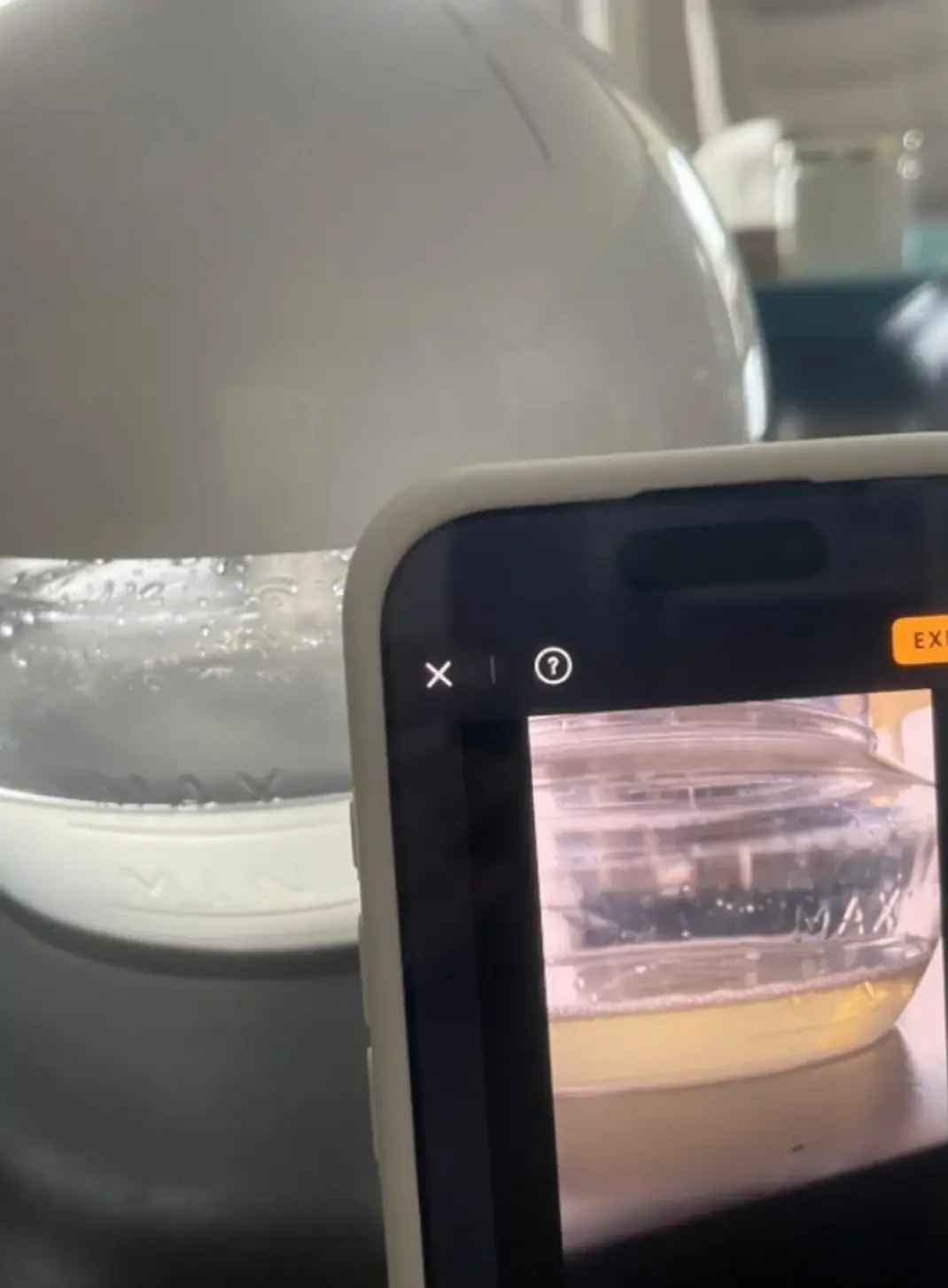
I filled the unit with the concentrated solution, plugged it in, and let it run overnight.
When I woke up…The air felt different. Not covered up. Not perfumed. Reset.
The collection chamber told its own story — visibly showing what had been drawn from the air during the night.
That was the moment I stopped thinking of it as “just scent” and started thinking of it as part of how I care for my home environment.
Final Thought
You clean your home to take care of your life inside it.
So the real question becomes: