Sold Out? I don’t think so. Plan B -Arequipa
I’m a big believer that things happen as they should. That sometimes the road less travelled is exactly the one that will surprise you. It may not be the road you intended to take, but it can lead you somewhere you never would have discovered otherwise.
The plan started with a trip to Machu Picchu. As I dug deeper into my research, however, I uncovered what sounded like a dream trip: riding the Belmond Andean Explorer from Cusco to Arequipa. A luxury train journey through the Andes seemed like the perfect way to end our time in Peru.
So that became the plan.
Those of you who know me know that I don’t take “no” very well.
I started looking at dates and booking the trip, but unfortunately, the train was sold out.
Okay, I thought. Jacqueline, figure it out.
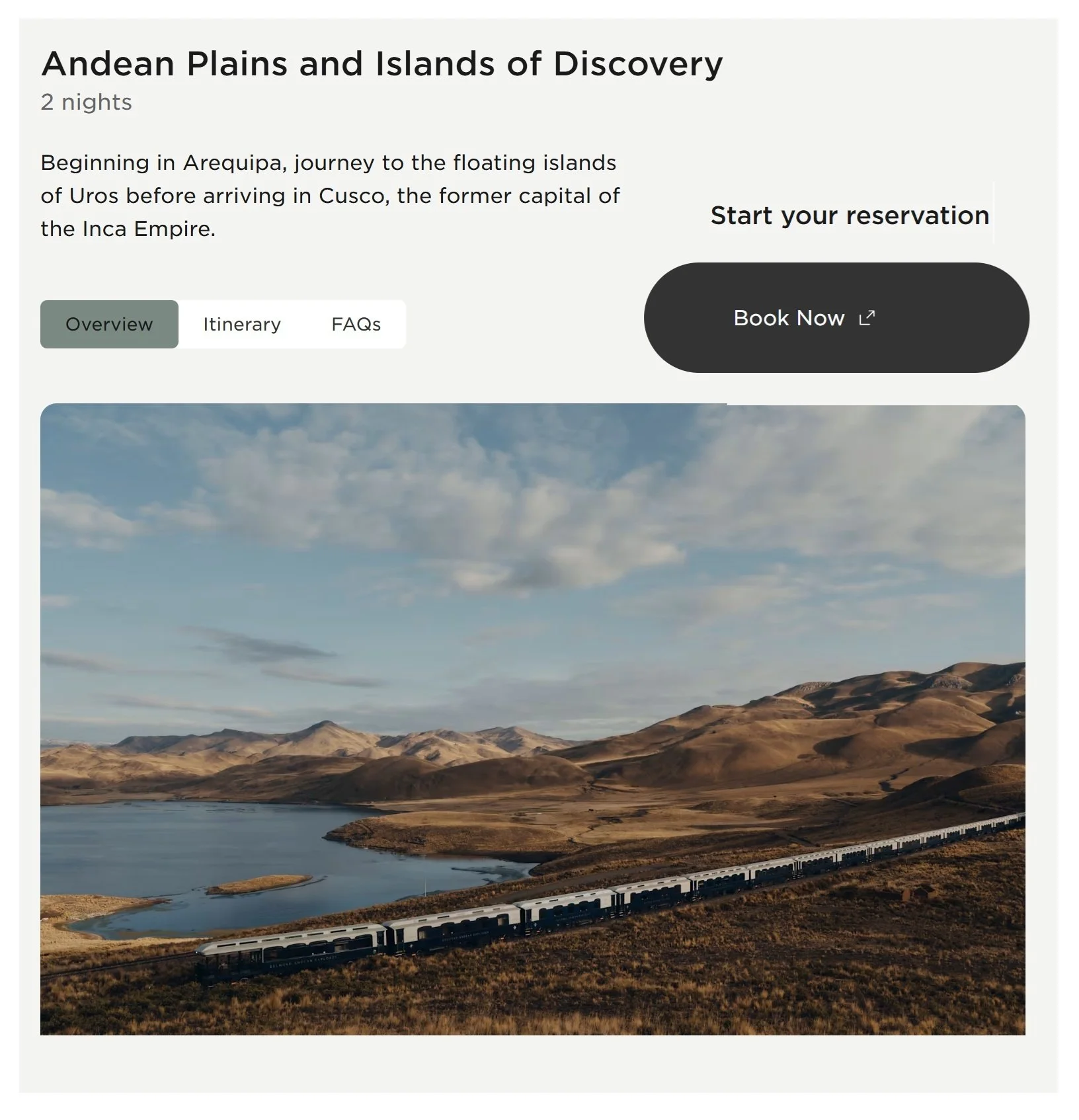
Belmond Andean Explorer
If one direction was full, what about the return?
Could we turn the trip around instead of ending with a train trip, could we start with one?
And that little change became the beginning of an entirely different adventure.
What I didn’t know at the time was that Arequipa—this place that was never supposed to be the star of the story—was about to introduce me to a part of Peru I might never have seen otherwise.
And isn’t that the magic of travel?
Sometimes the itinerary you fight so hard to create isn’t the journey you’re meant to take.
Sometimes the best experiences are hiding inside the change of plan.
So, Arequipa it was. And Peru was about to surprise us.
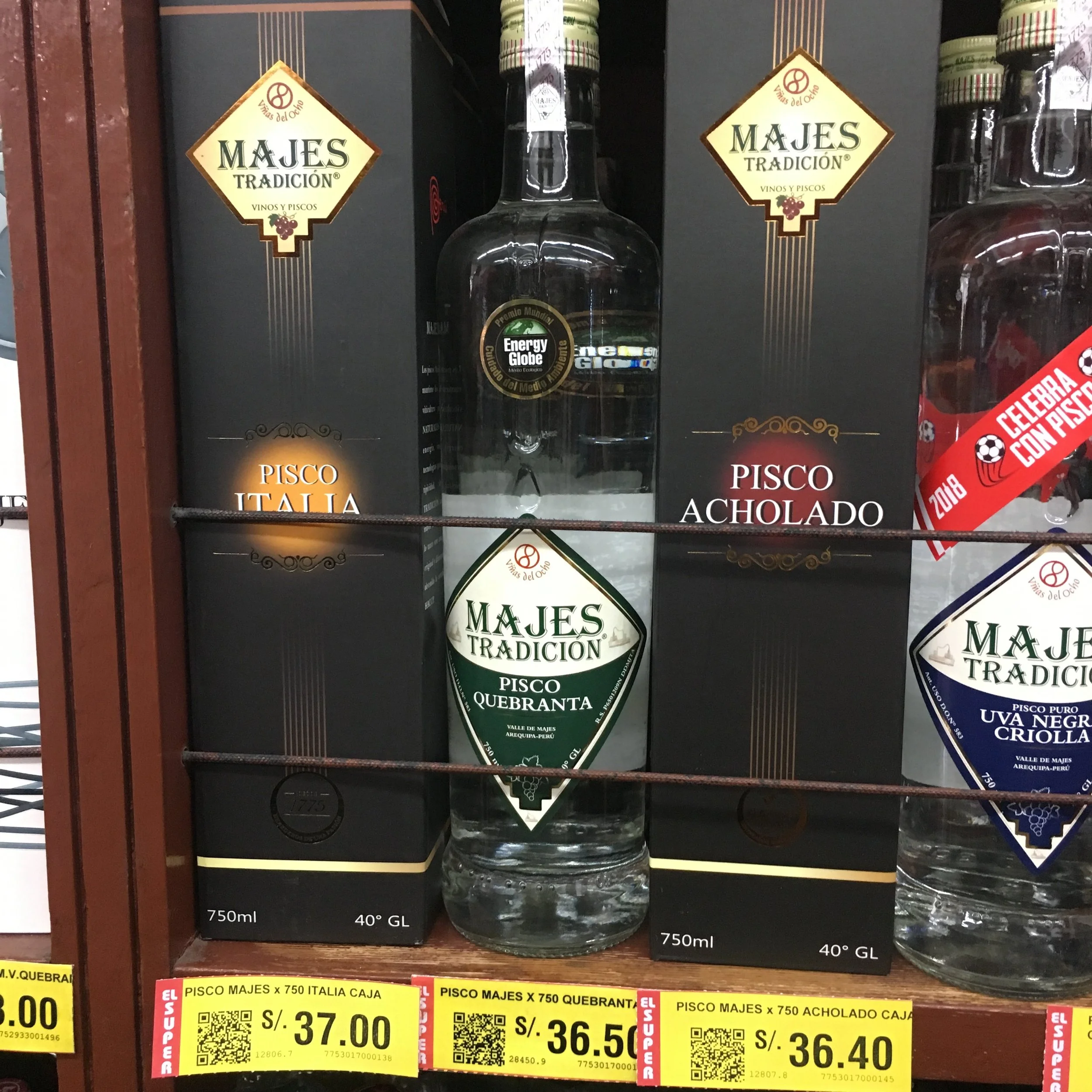
Getting to Peru was no small undertaking. We flew from Calgary to Toronto and then on to Lima—a long, long day in the air. By the time we finally arrived at our hotel in Lima, I was ready to put my feet up and forget about airports for a while. UNTIL… someone handed me a complimentary Pisco Sour.
Now, if you’ve never had a Pisco Sour, let me just say this: it goes down rather innocently.
One became two, and I swear the glass doubled in size.
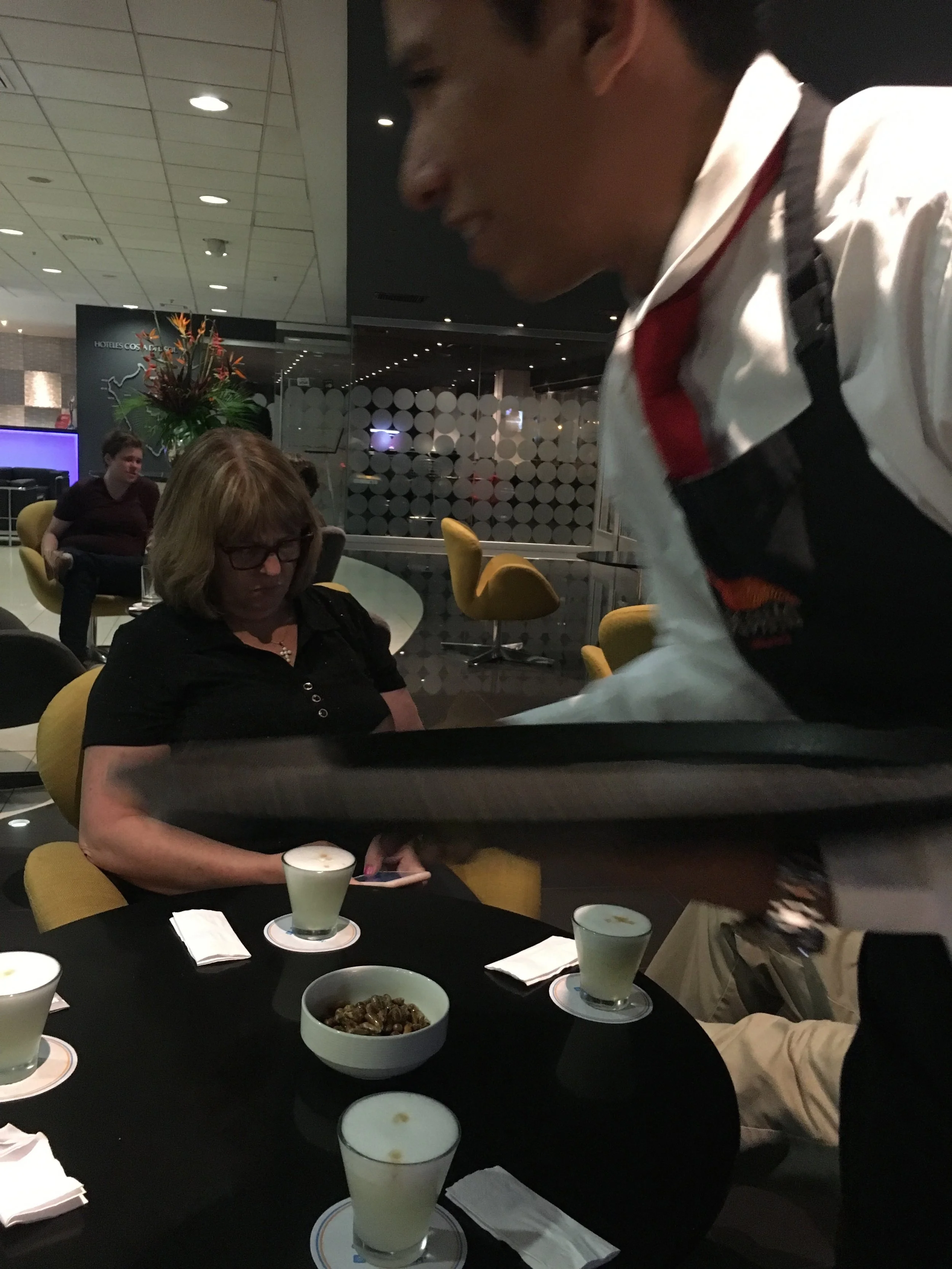
There wasn’t much food involved. Sitting in the lounge nibbling on corn nuts, drinking Pisco Sours and becoming increasingly convinced that everything was hilarious.
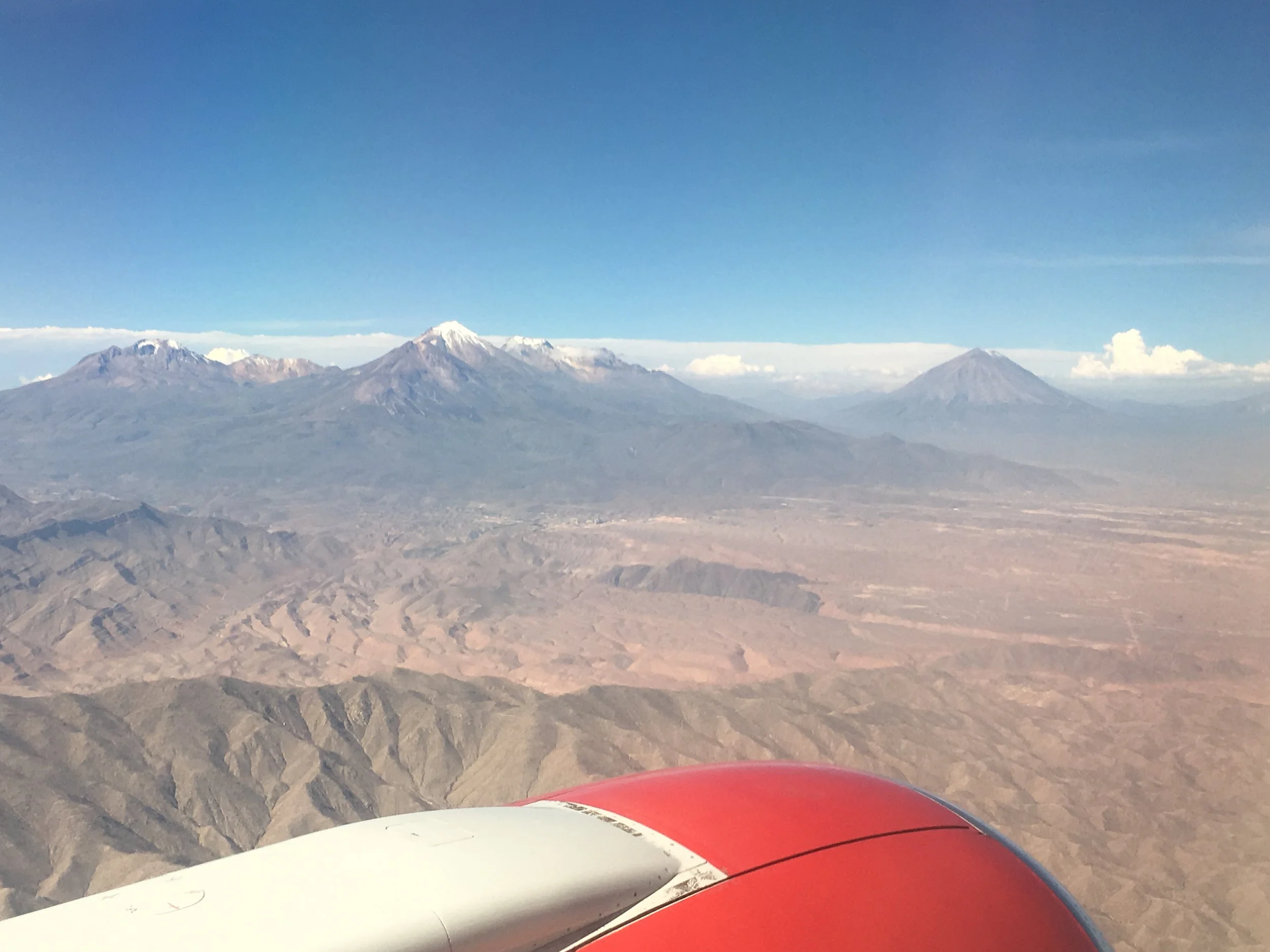
Blame it on the altitude and alcohol - This was not the smartest thing I have done. The wake up came way too soon. Clearly my good judgment had failed me.
The next morning we were off to catch a flight to Arequipa.
Let’s just say I had learned my first lesson about Peru before I had even properly arrived:
Pace yourself and perhaps hold off on Pisco Sours for a bit. Their effects hit you hard.
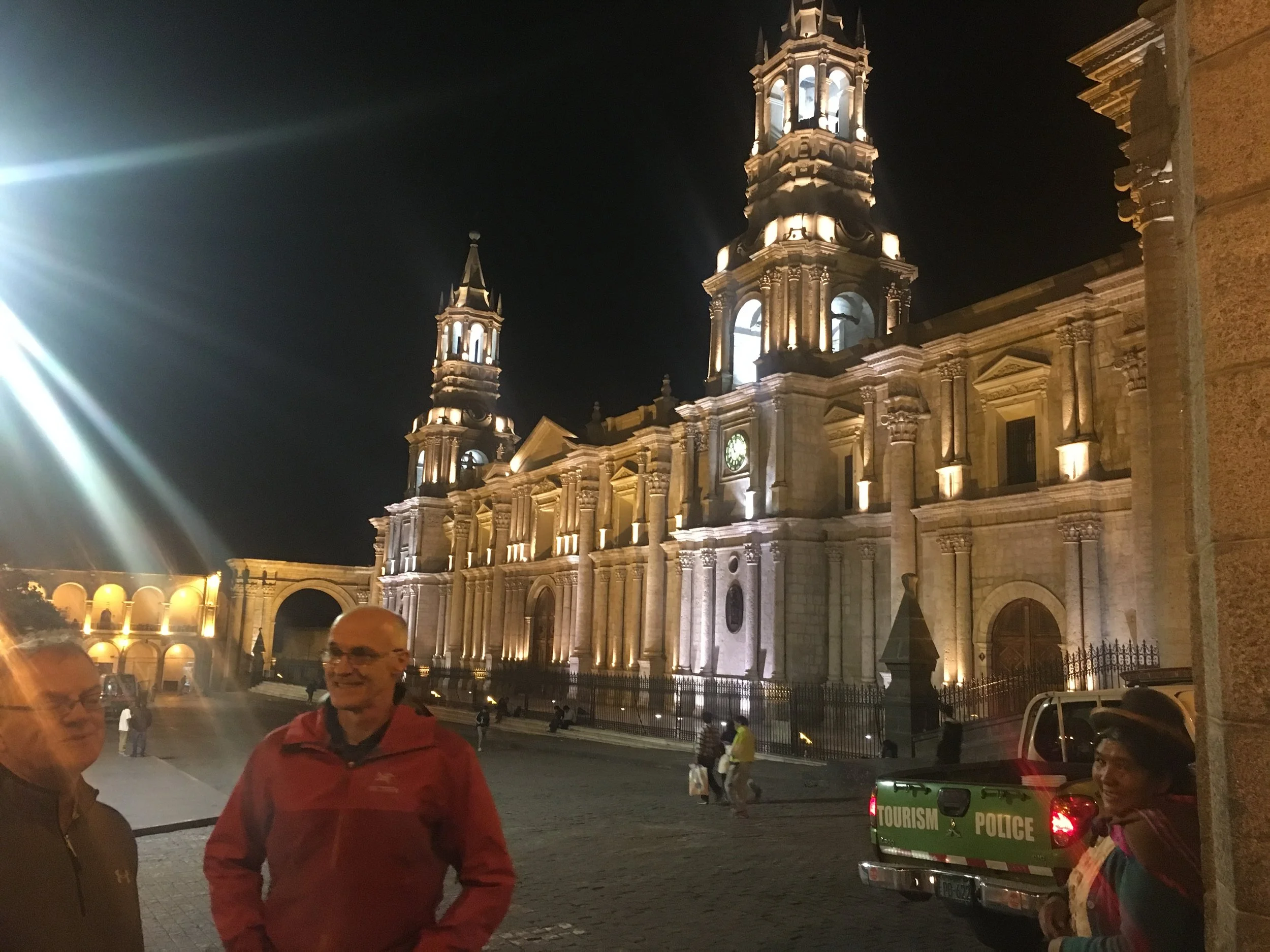
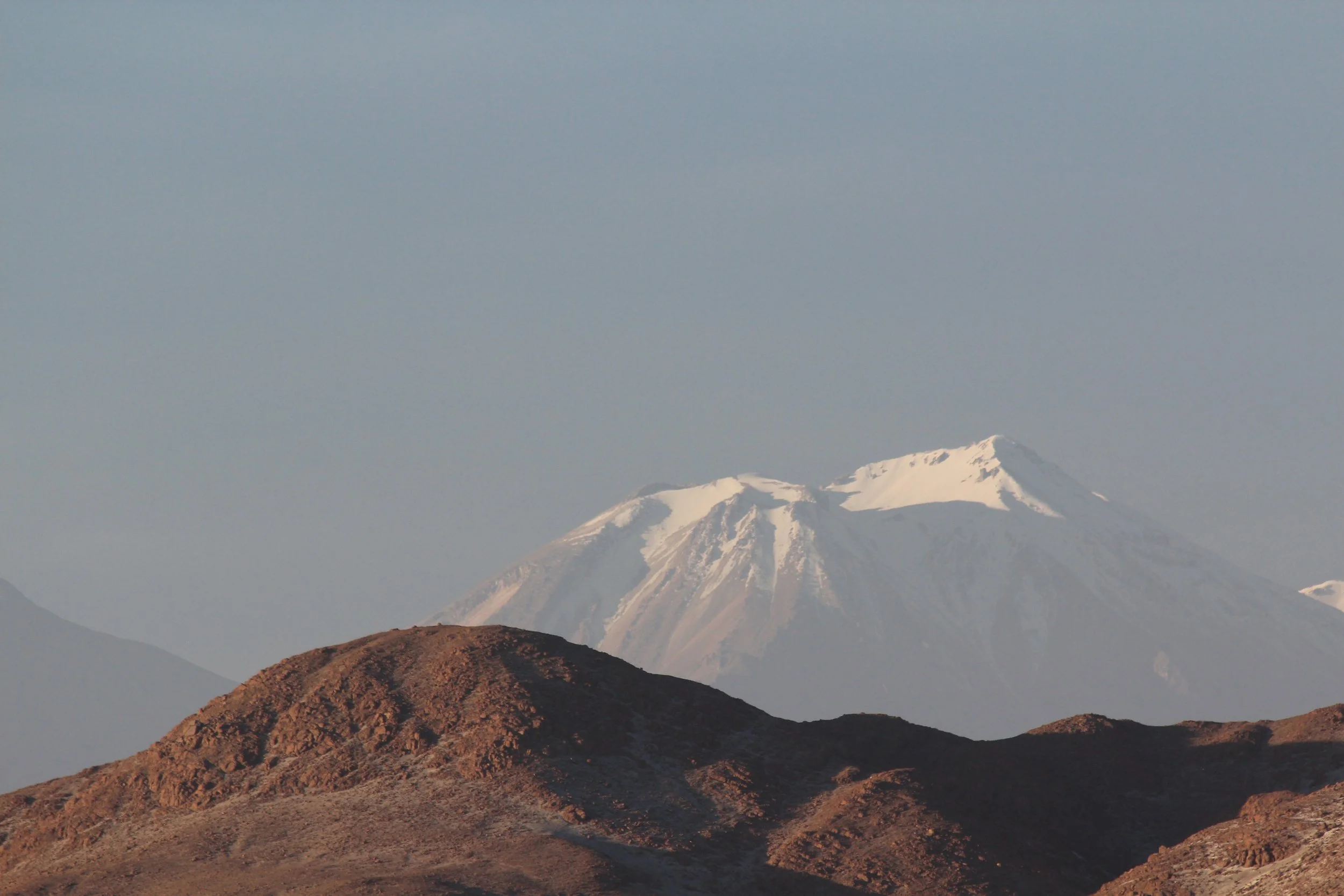
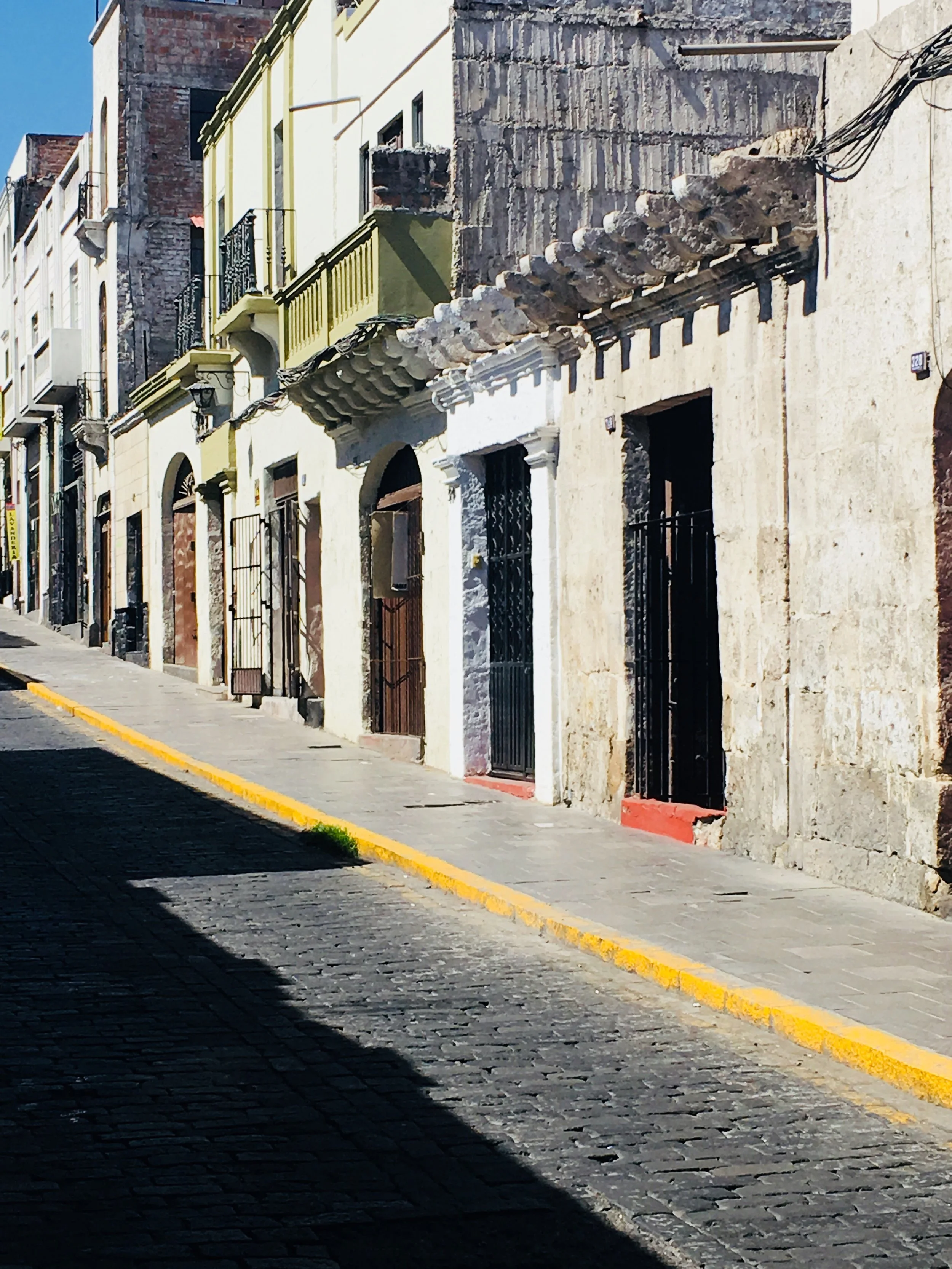
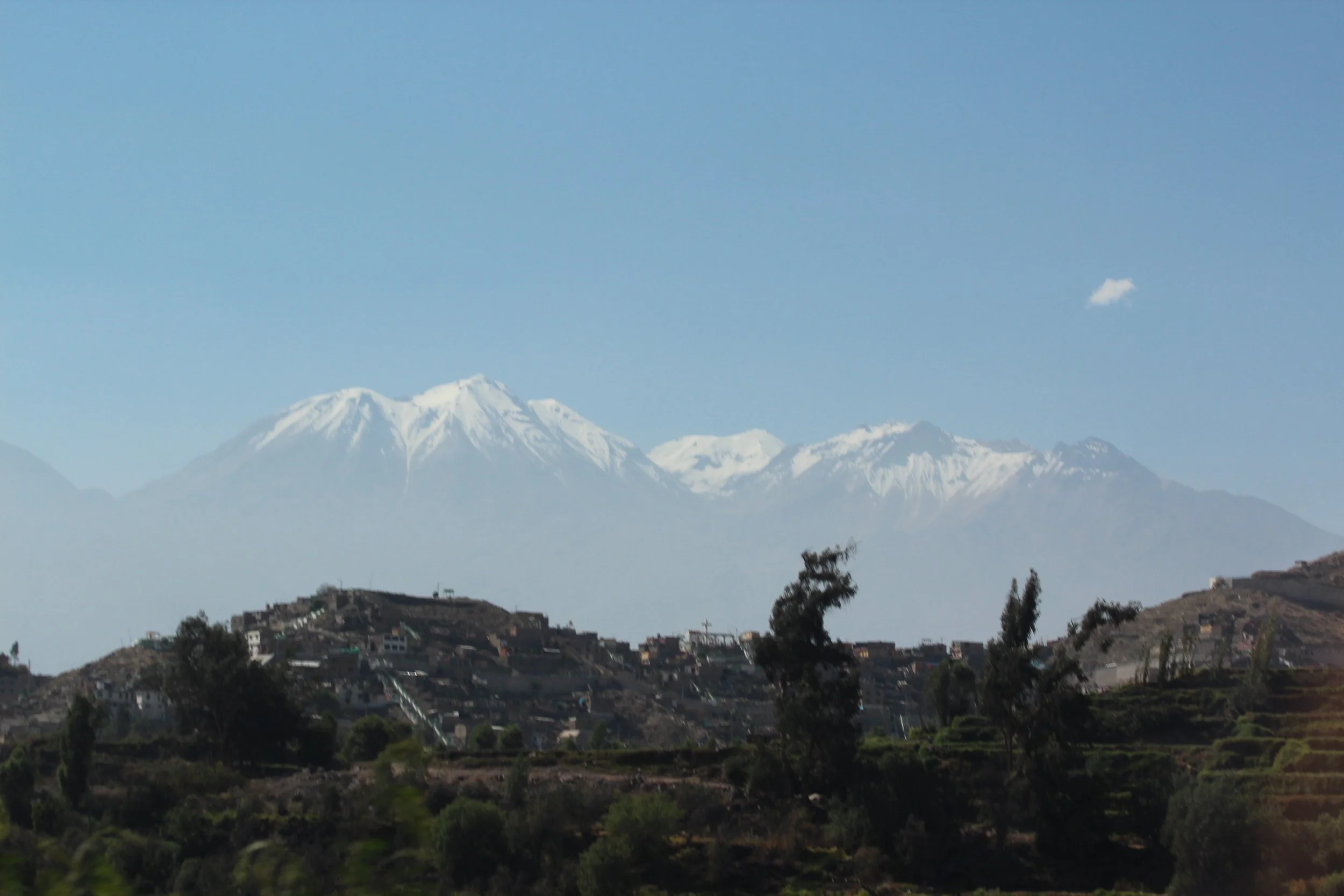
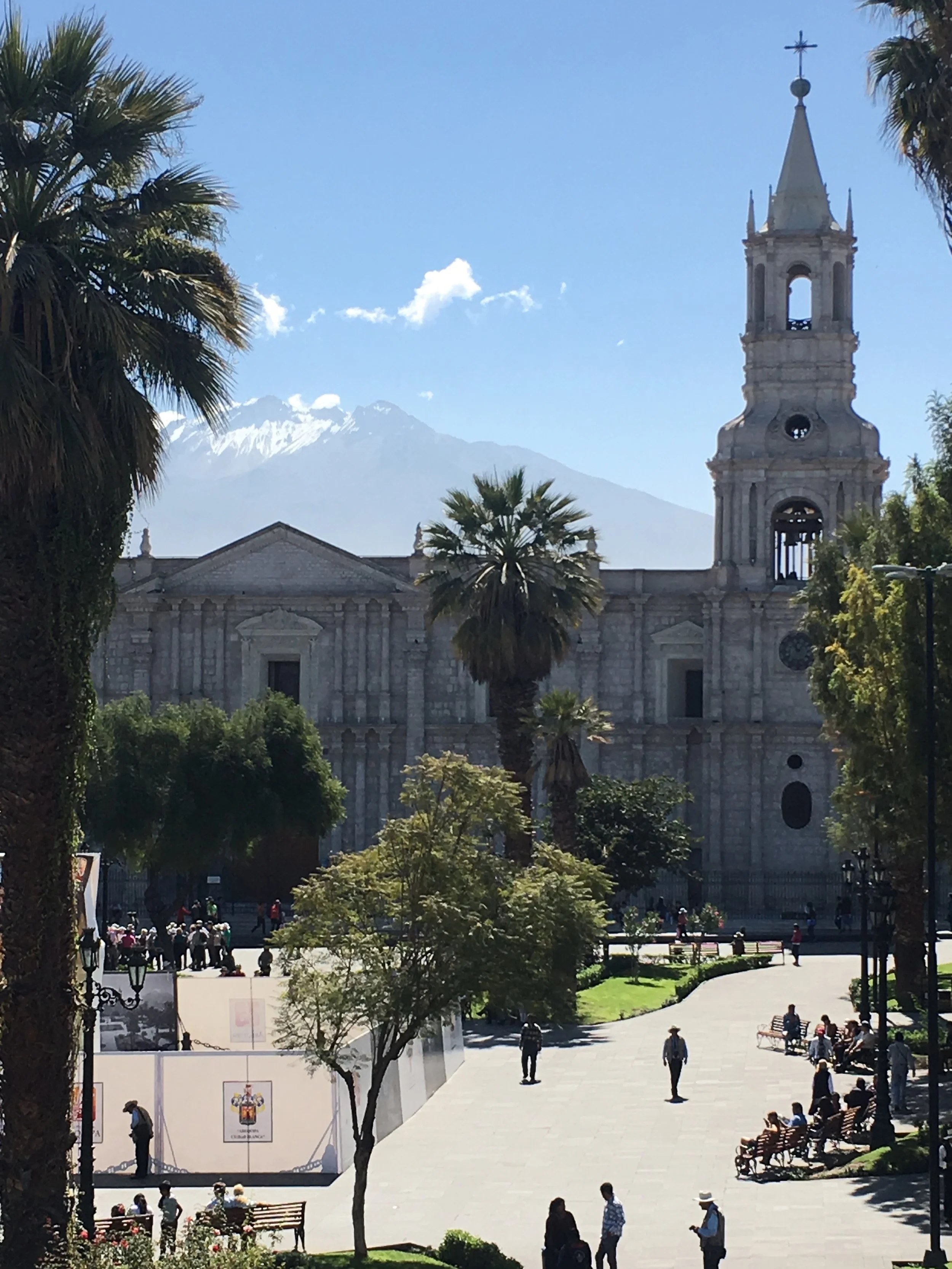
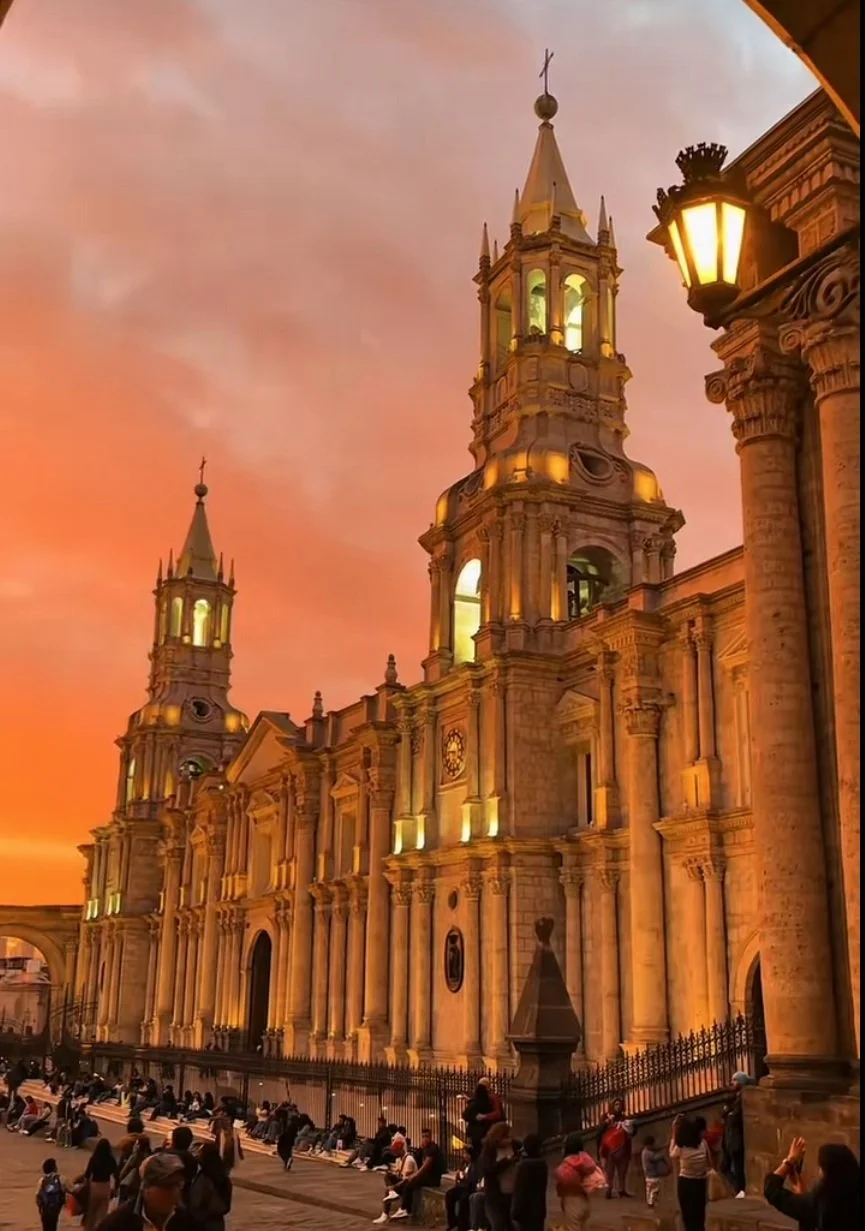
Arequipa sits high in the Andes at the foot of towering volcanoes, and the first thing that struck me was the colour. White. Not sterile white. Not modern white. Warm, weathered, almost glowing white. It is really beautiful.
The historic centre is built largely from a pale volcanic stone called sillar, created from volcanic material. The stone gives Arequipa its nickname, the “White City,” and it is everywhere—in walls, arches, courtyards, churches and grand old buildings.
But there is much more to the colour of Arequipa than pretty architecture.
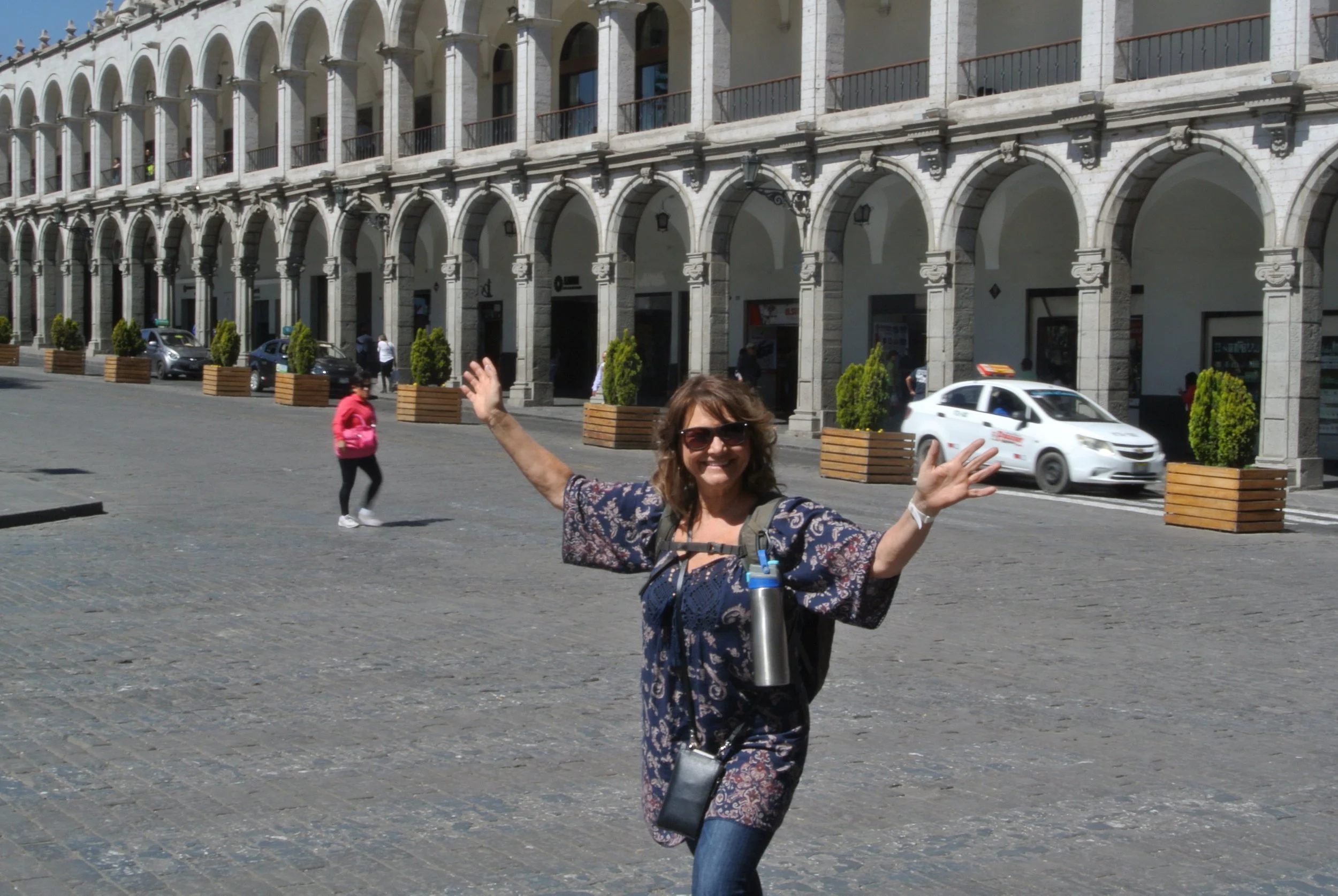
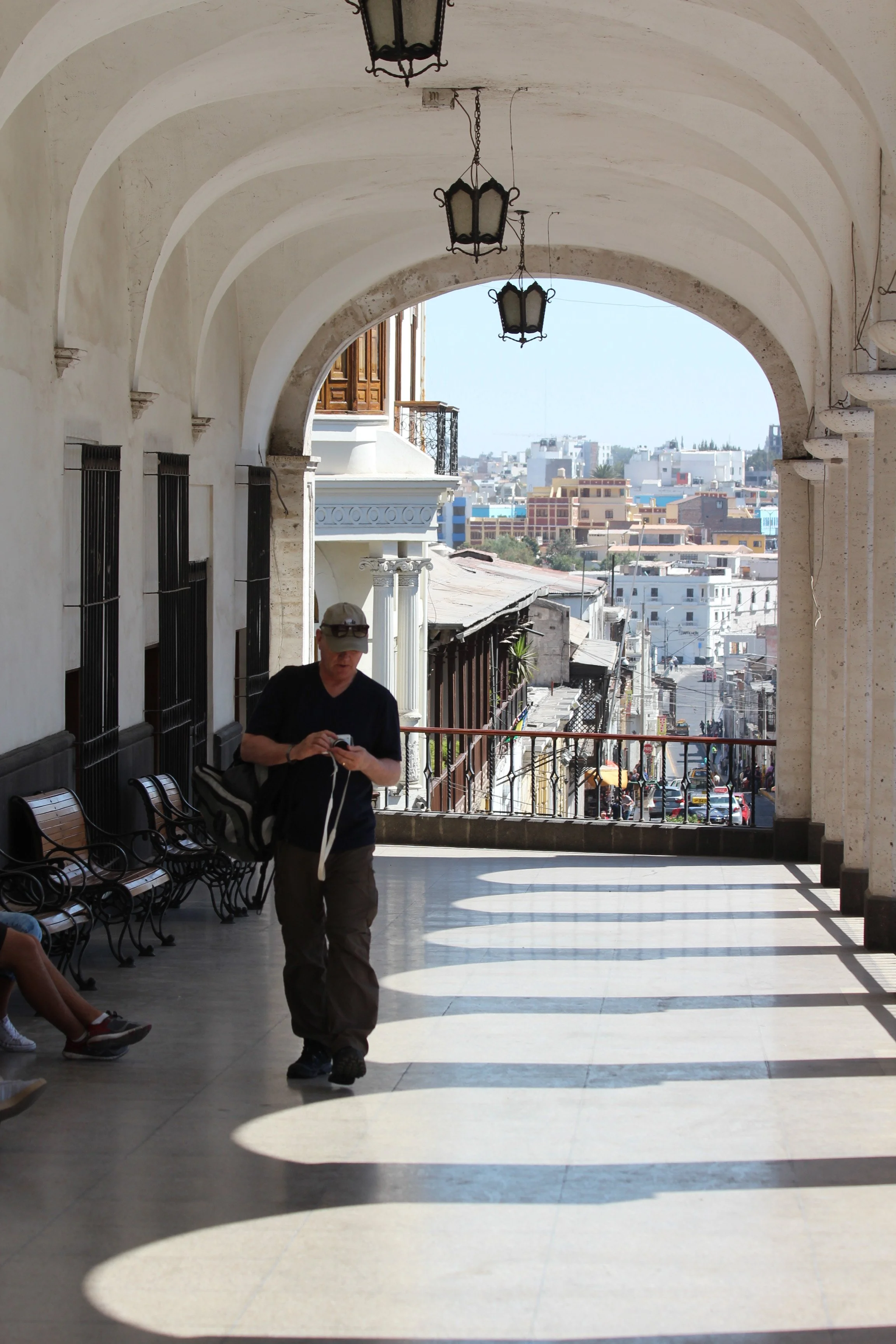
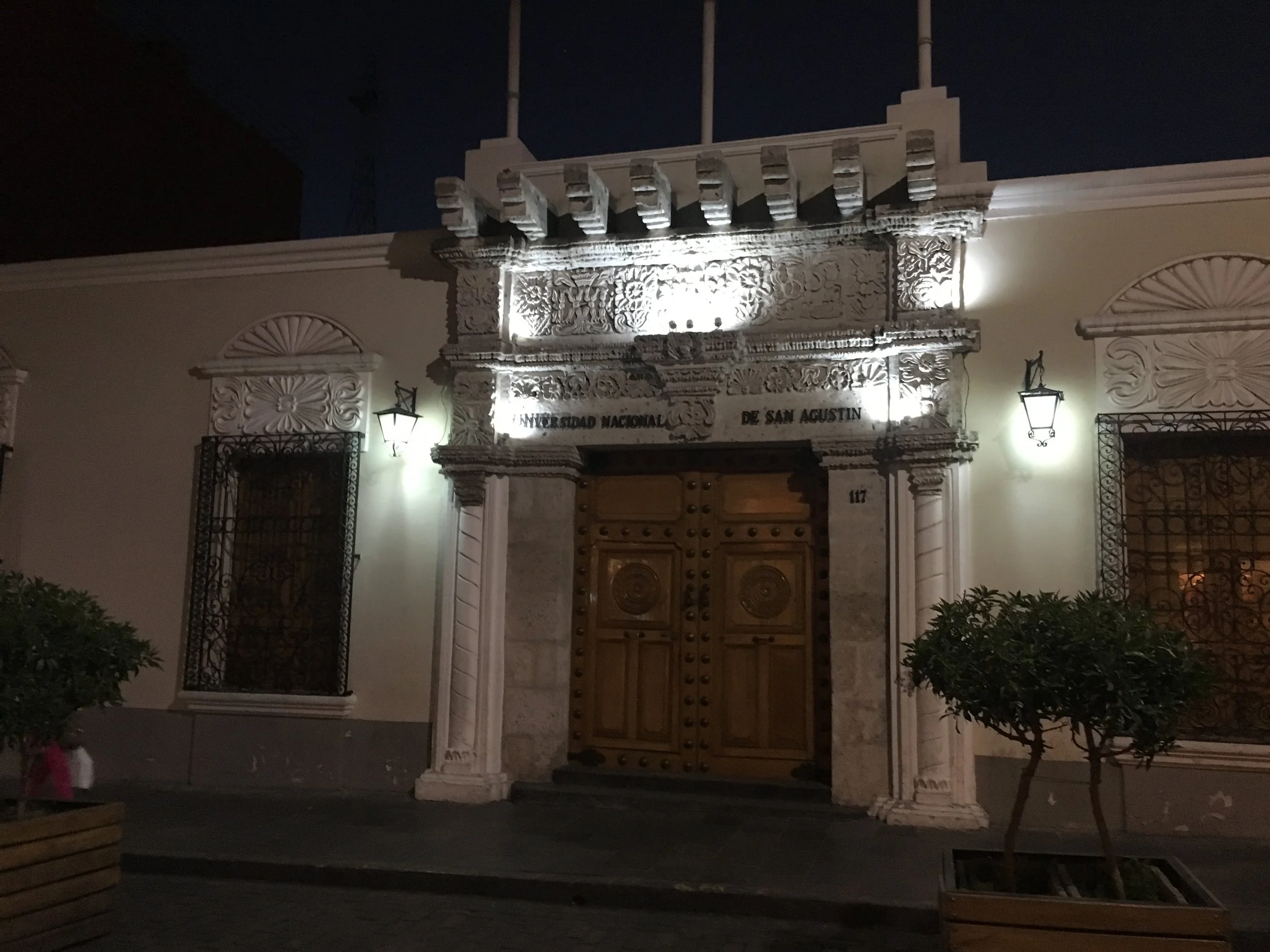
Ornate Universidad National de San Agustin
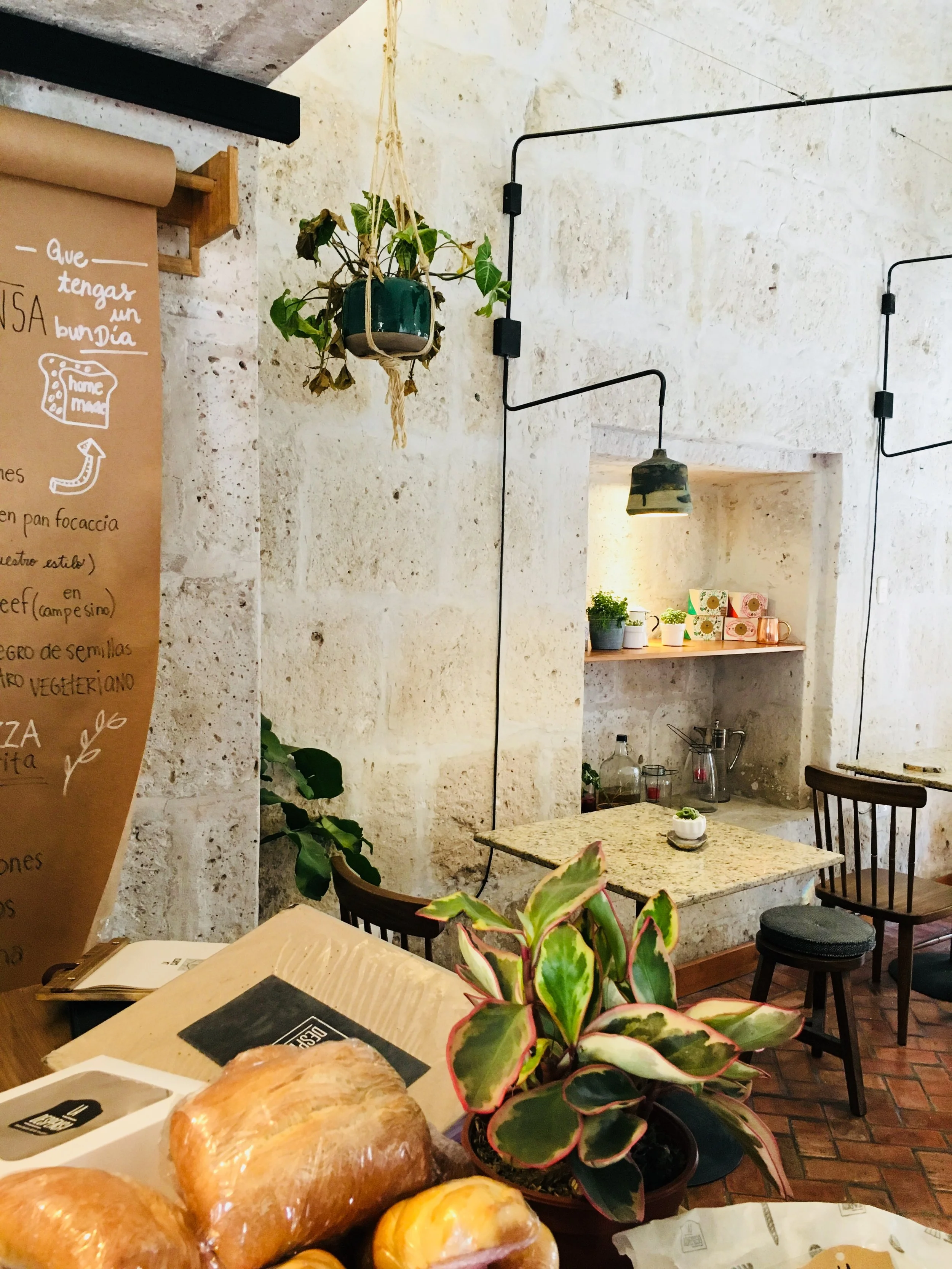
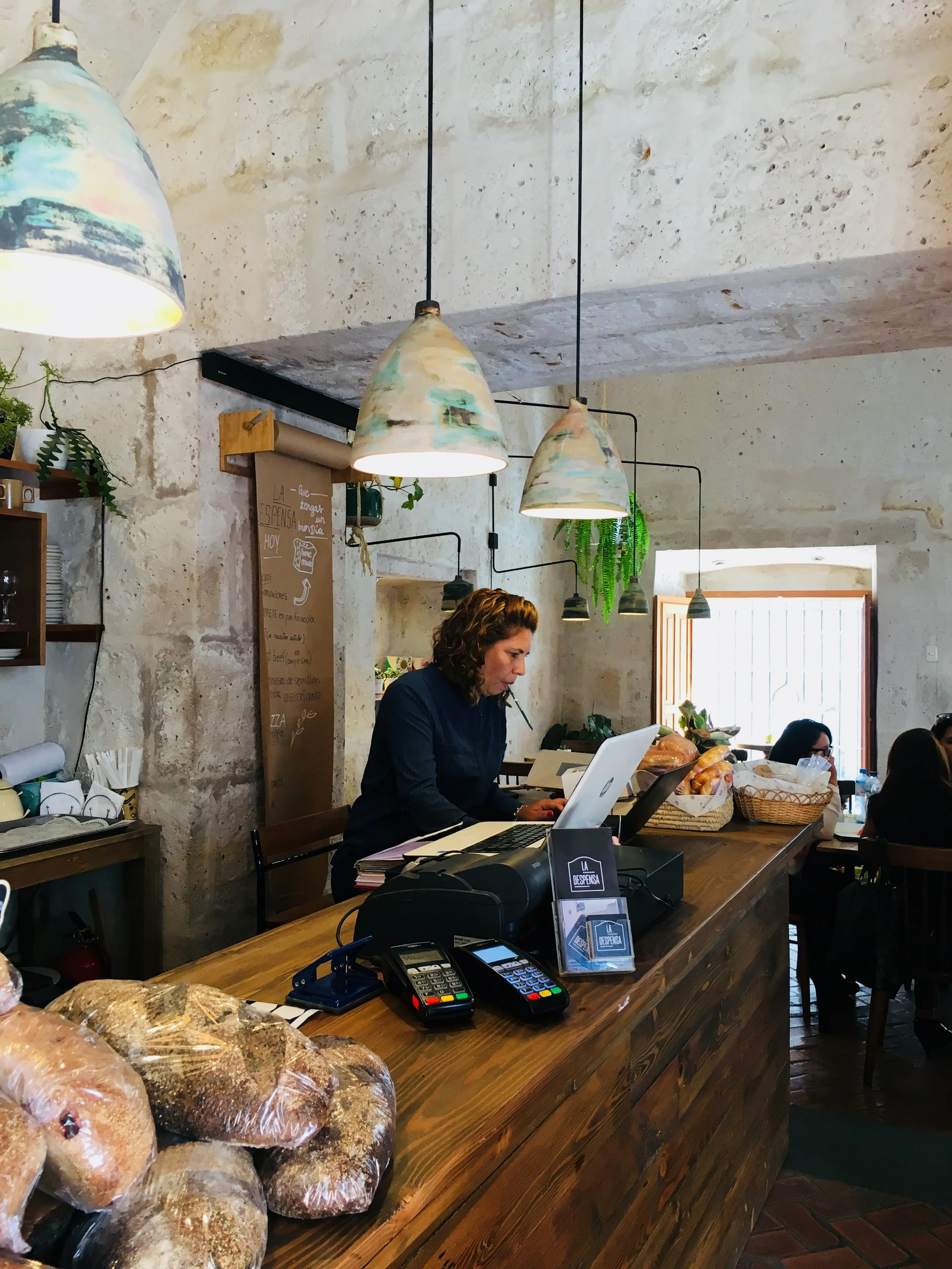
La Despensa
The city’s historic centre was designated a UNESCO World Heritage Site in 2000 because of the remarkable way European and Indigenous building traditions came together here. The architecture also reflects the reality of living in a place shaped by earthquakes, volcanoes and an unforgiving natural environment.
It is not simply a beautiful colonial city. It was a city that had survived.
Even while there we could see volcanoes spewing ash into the air.
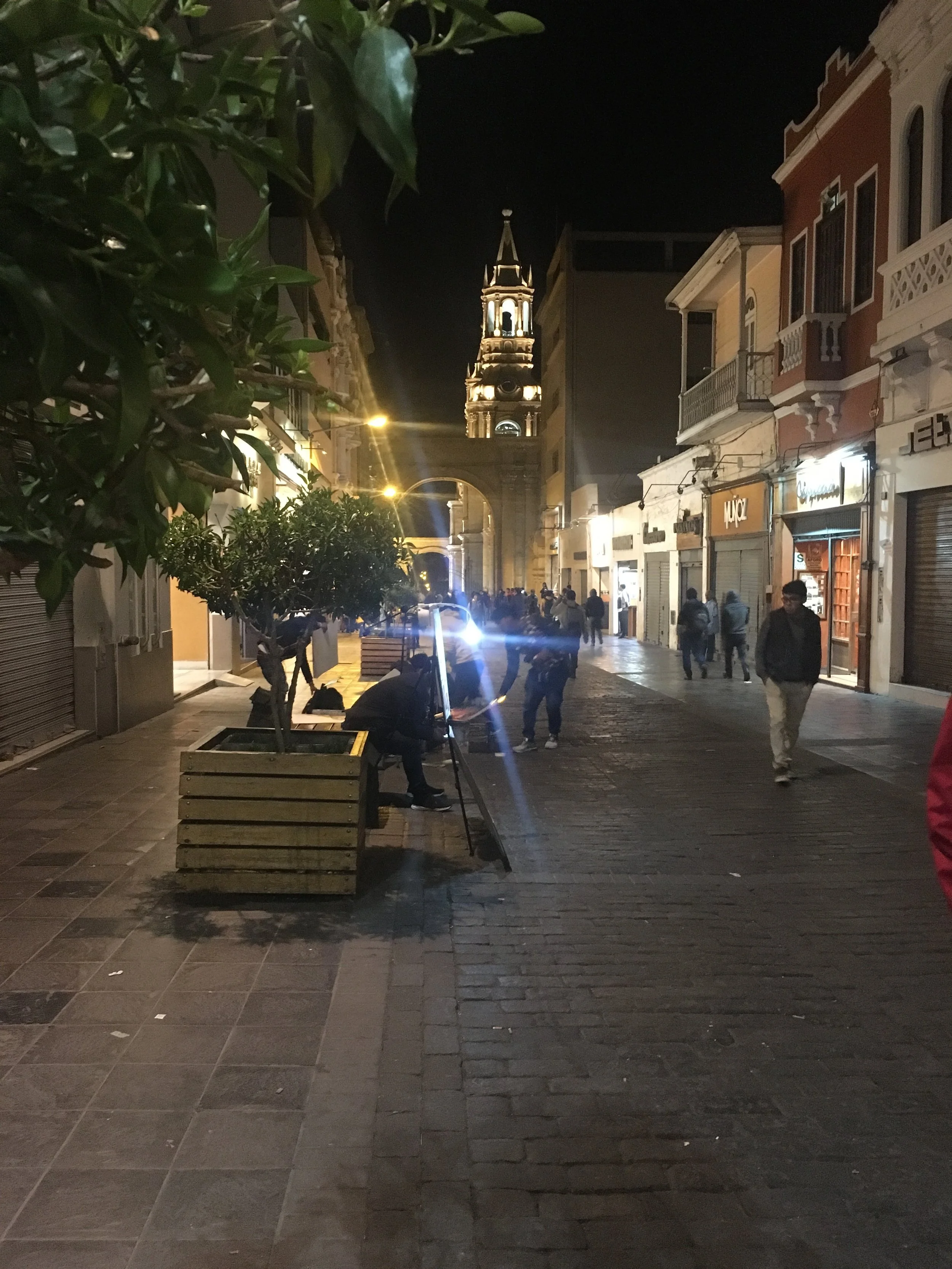
We wandered through the cobblestone streets, past the Plaza de Armas and the Basilica Cathedral, and I found myself doing what I always do when I visit a UNESCO site: looking beyond the pretty picture.
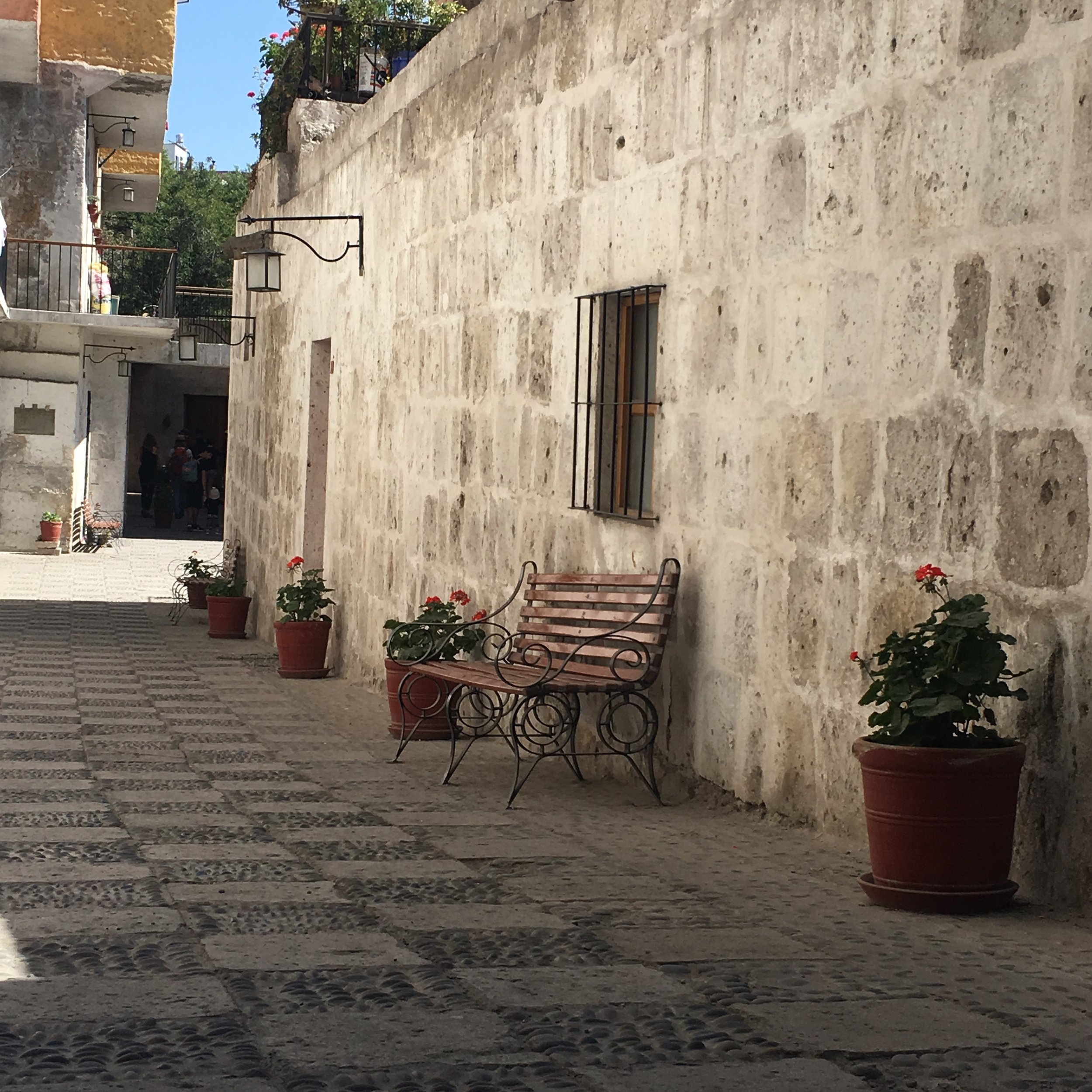
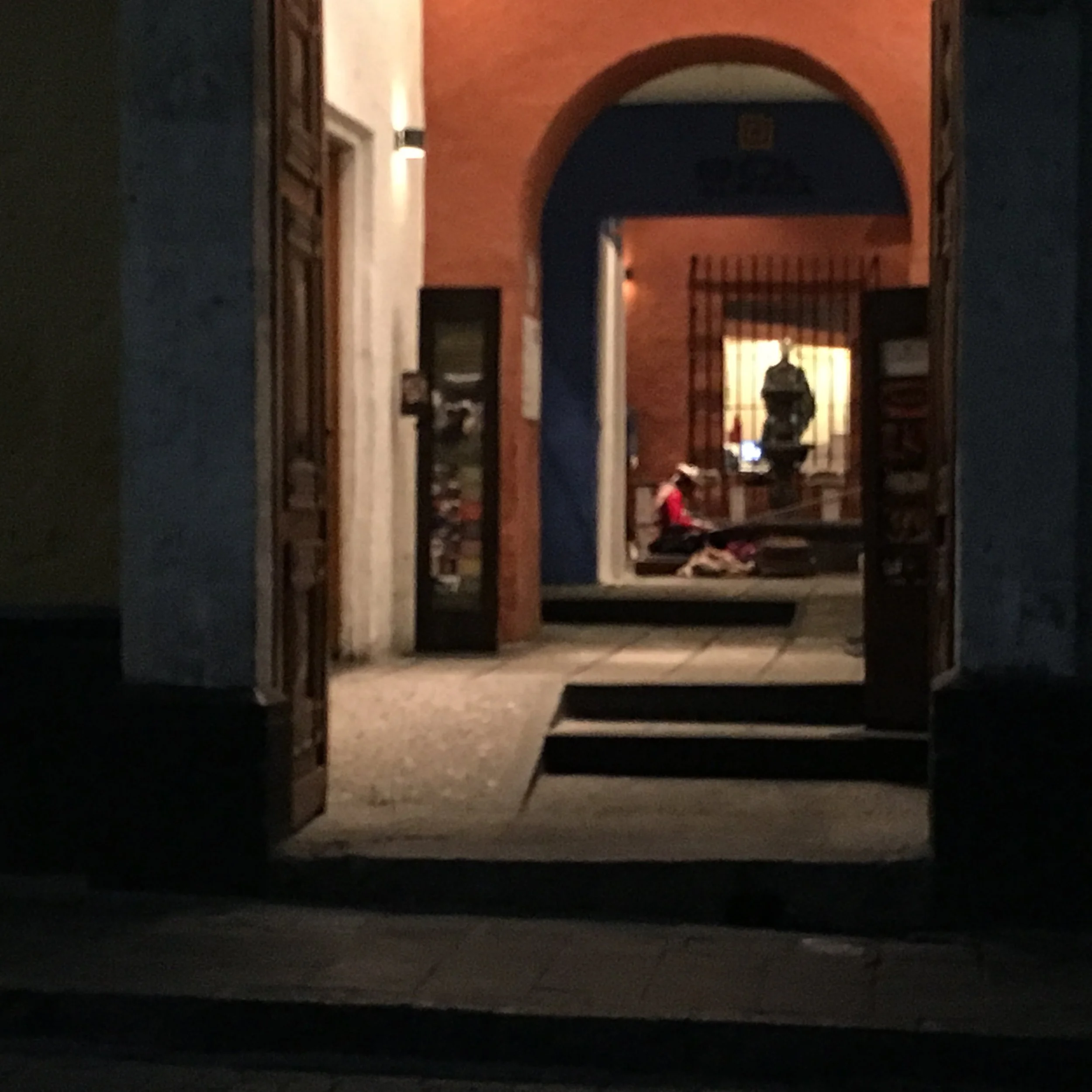
One of my favourite discoveries in Arequipa came when we opened a large door. I had read that doors were gateways so I pushed and pulled many hoping to find that special passage.
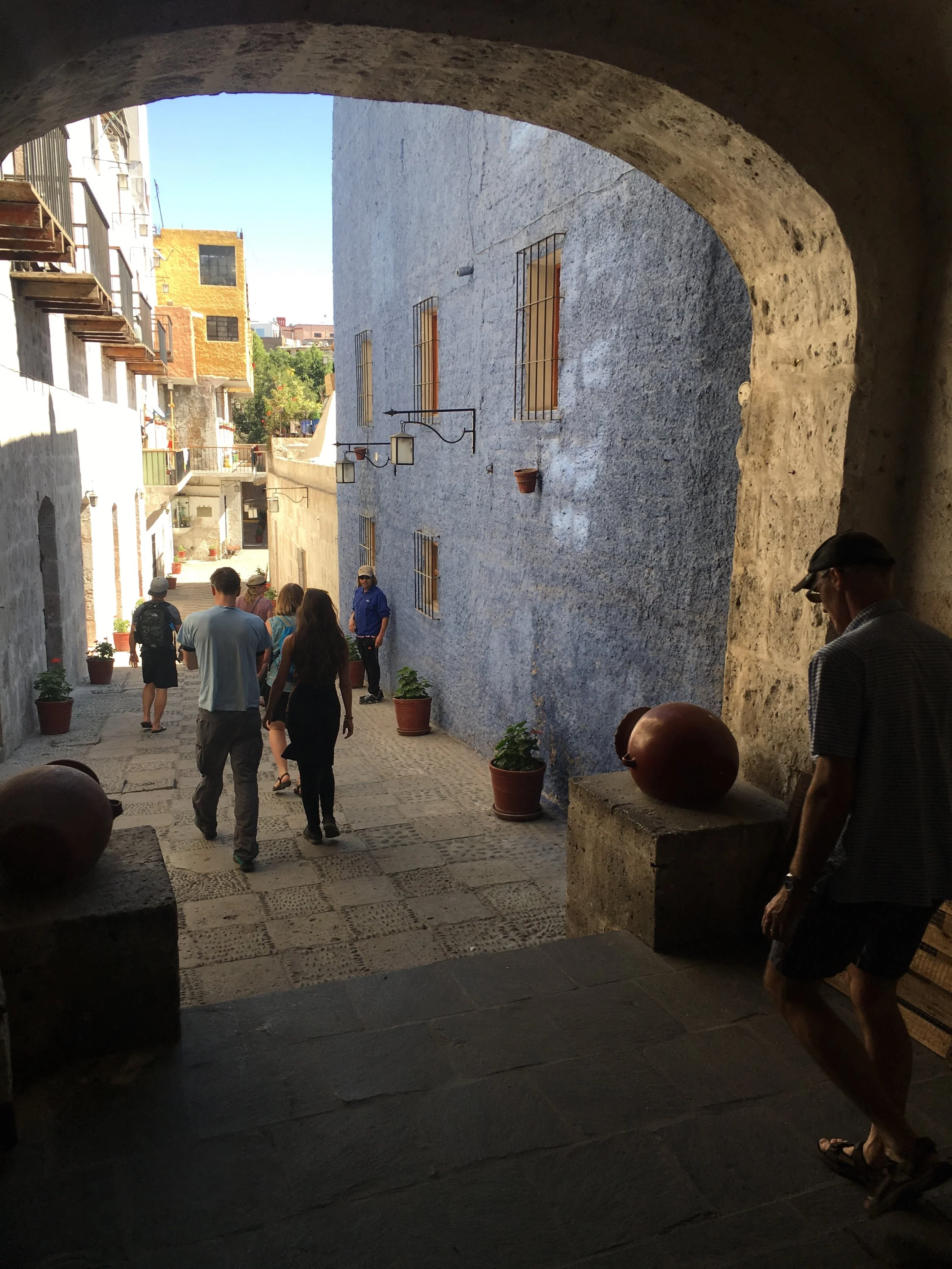
And there is was. Behind that door was a narrow passageway that felt like we’d accidentally wandered into another world. White walls, tiny windows, simple yet ornate iron lighting and the kind of quiet little architectural detail that makes you wonder what else might be hiding behind the next door.
That became one of my favourite things about Arequipa.
You could be walking down an ordinary-looking street and suddenly discover something extraordinary.
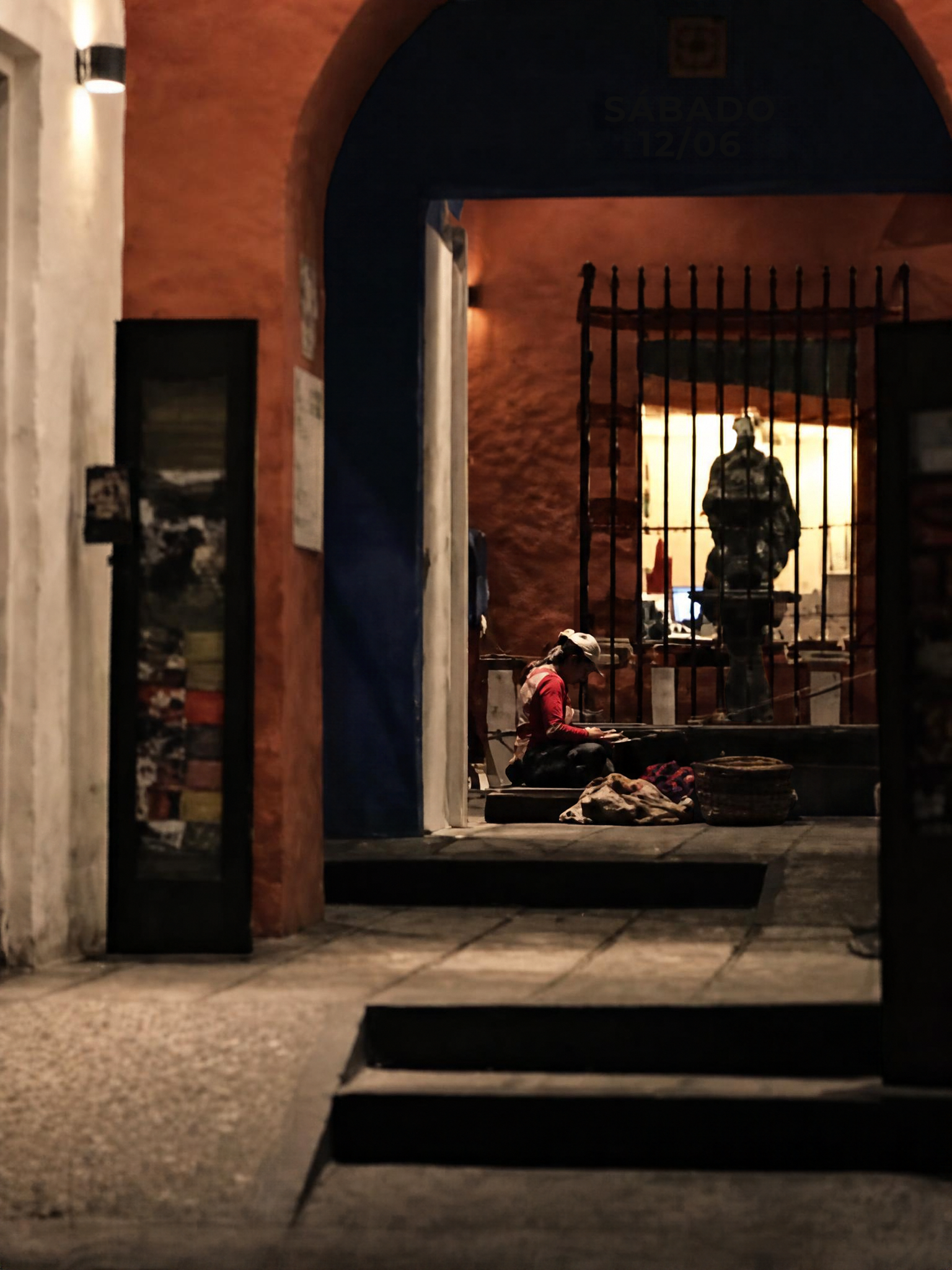
UNESCO actually describes this characteristic of Arequipa’s historic architecture—the way large doorways and passageways lead from the street into courtyards and the interiors of city blocks.
Opening the door became a THING. Mostly to see what’s on the other side. but you will learn more about doors on my Belmond Train blog. Stay tuned…
Keep going.
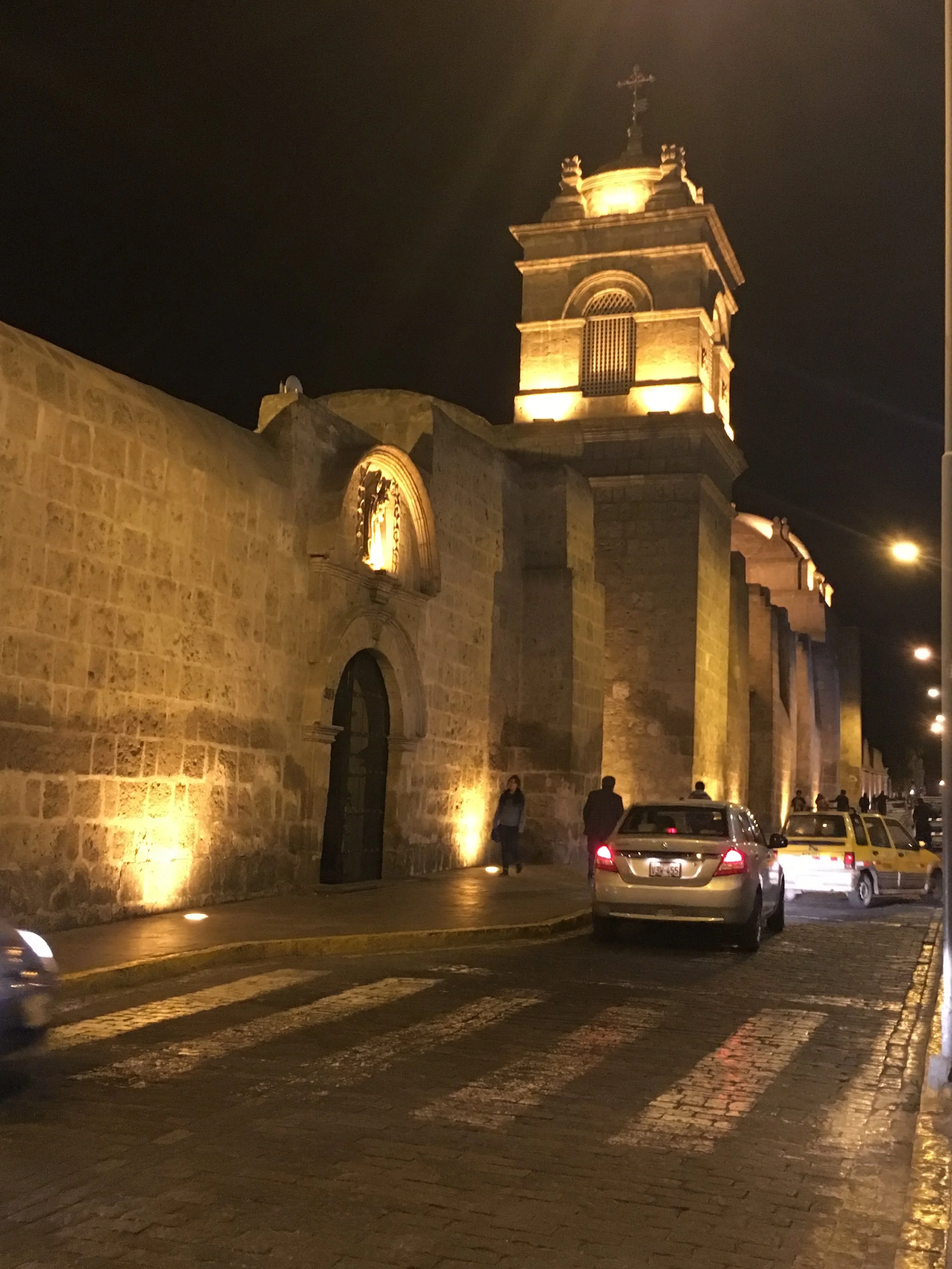
Santa Catalina Monastery, feels less like a building and more like an entire city tucked behind walls. Streets, courtyards, vivid colours, little corners and unexpected spaces unfold one after another. It is often described as a "city within a city."
Over 5 Acres large and completely enclosed by imposing 4-meter-high (13-foot) volcanic sillar stone walls.
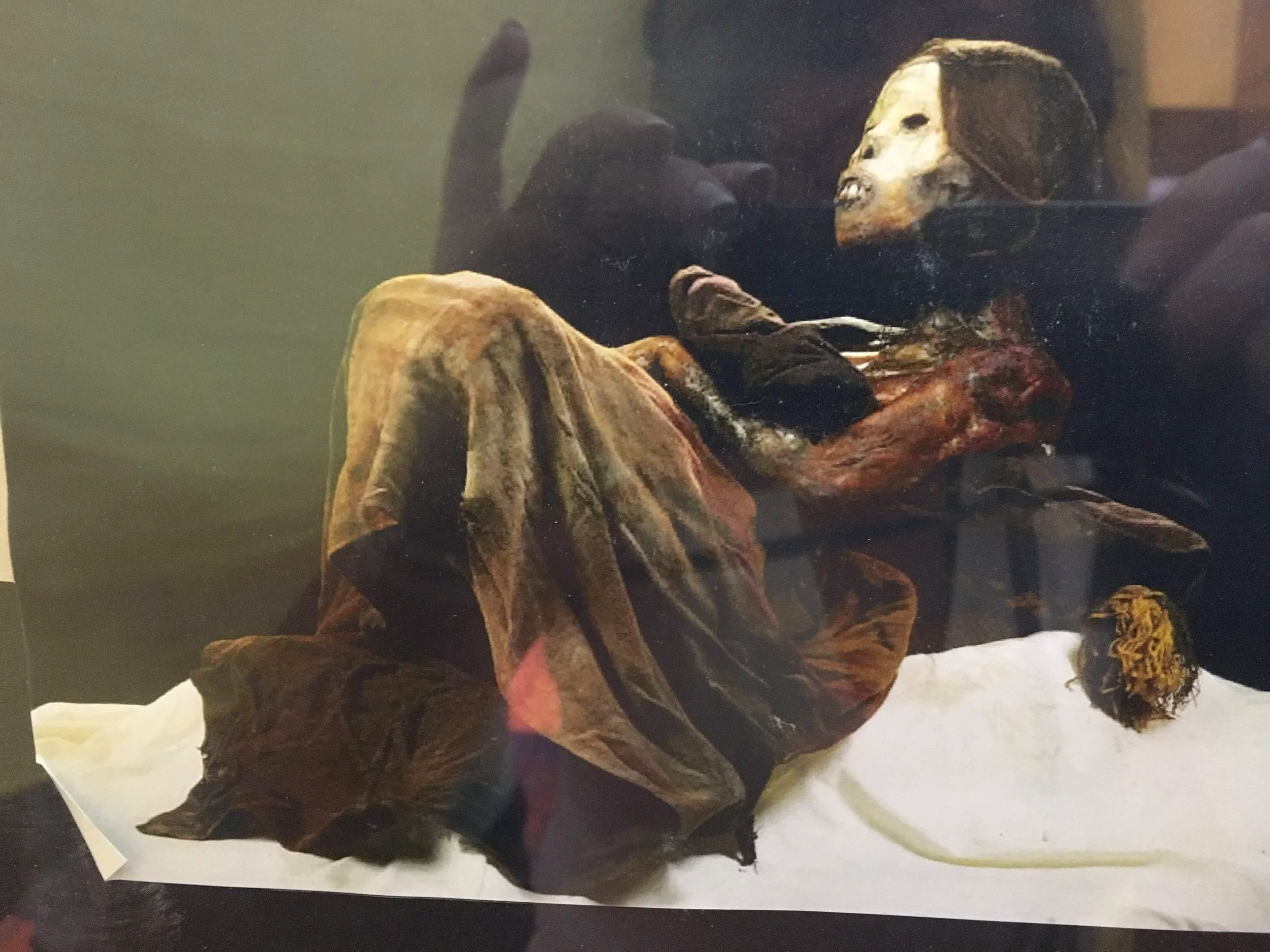
Juaita. even her hair is intact.
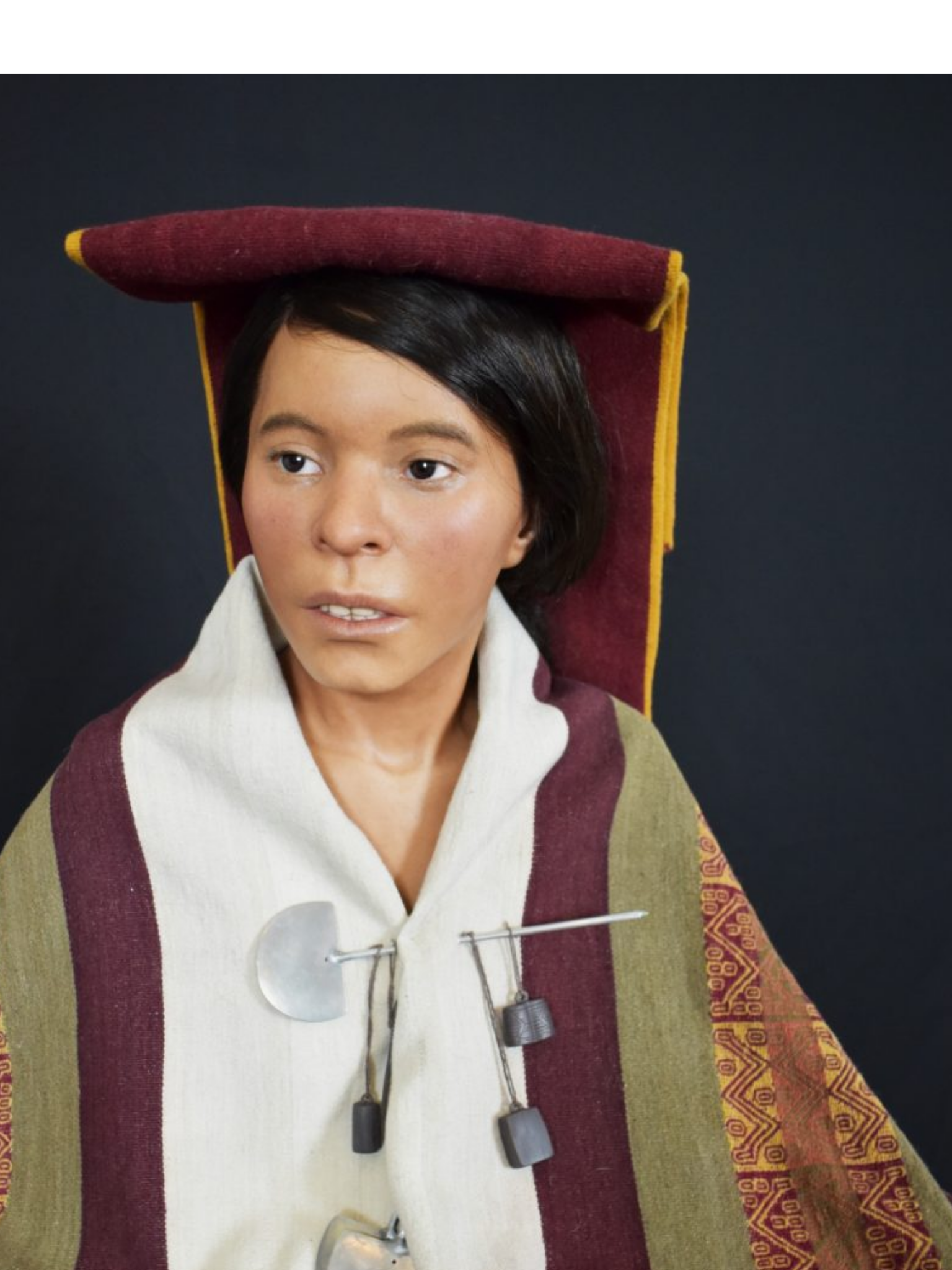
Reconstruction of Juanita,
And just when I thought I had a handle on Arequipa, we met Juanita.
Juanita, known as the Lady of Ampato, is an Inca girl whose remarkably preserved remains were discovered on Mount Ampato in the early 1990s. She was part of a capacocha ritual, an Inca ceremonial offering connected to sacred mountains. Her remains and associated offerings are preserved at the Museo Santuarios Andinos in Arequipa. It is estimated she was about 14 year old when she was sacrificed over 550 years ago.
Standing there, you can’t help but stop thinking about dates and archaeology and start thinking about how preserved she is. Had it not been for a volcanic eruption on a mountain nearby her body may have still been lock in ice. It is an incredible finding.
Her hair in intact and what was learned was her diet. Originally she ate peasant food but months before her death, diet changed to be high in protein - food which elite ate.
In the final weeks leading up to her death, her hair showed spiked levels of cocaine (from chewing coca leaves) and ethanol (from chicha, a fermented Incan corn beer). This proved that she was kept heavily intoxicated, likely to keep her calm, sedated, and compliant during her long trek up the mountain and for the ritual itself.
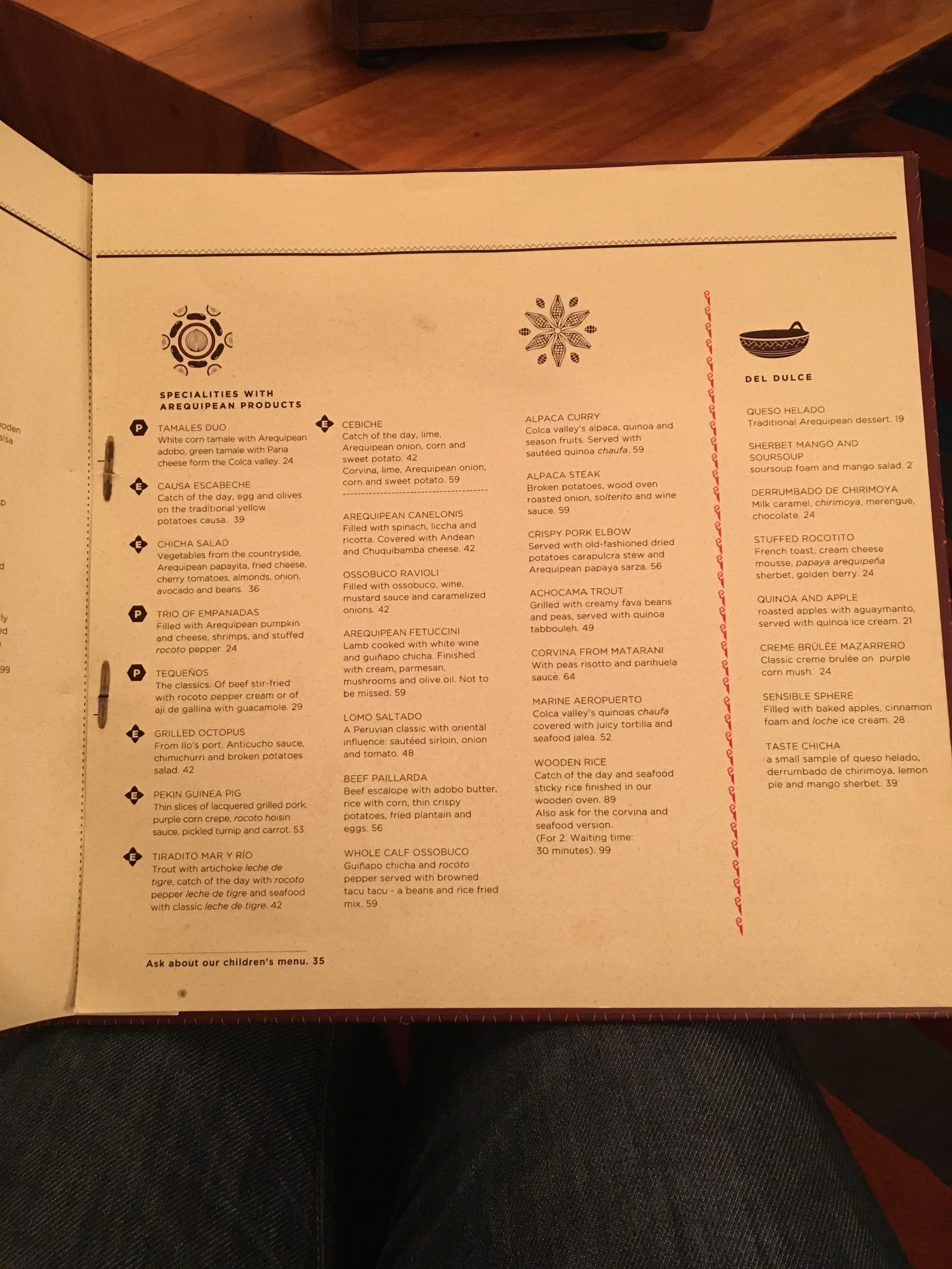
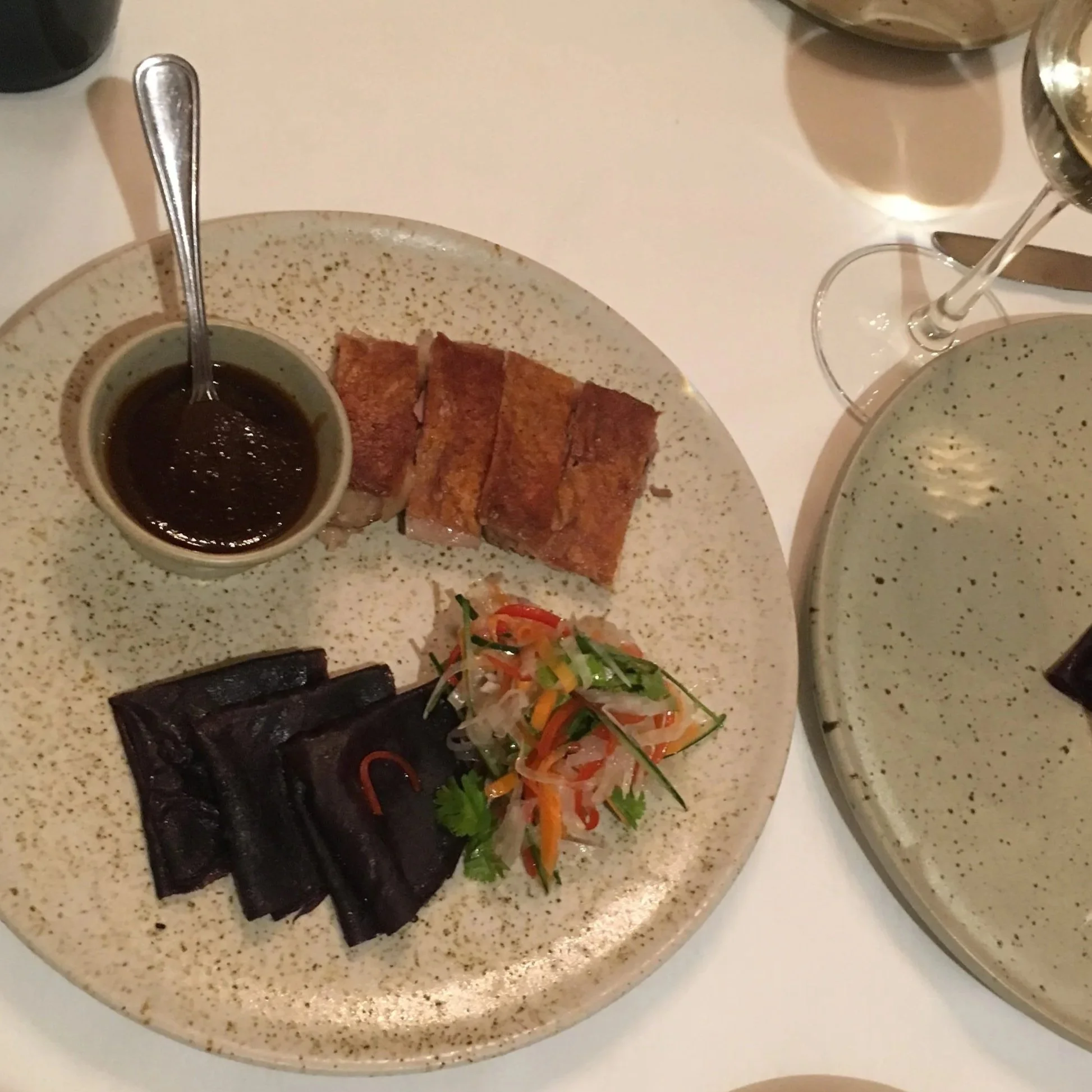
Pekin Guinea Pig Cuy
Guinea Pig is a thing here in Peru.
Did you know that Peruvians consume an estimated 65 million guinea pigs each year, and the national livestock population consistently sits at well over 25 million?
Our first dinner it was decided guinea pig was a must. Know as “Cuy”
Now, I grew up thinking guinea pigs were pets.
Cute little furry creatures.
The kind of thing you feed vegetables to.
So you can imagine the mental gymnastics involved when the dish arrived. Great that is was a small plate that we shared. Food is one of the best ways to stretch outside my comfort zone.
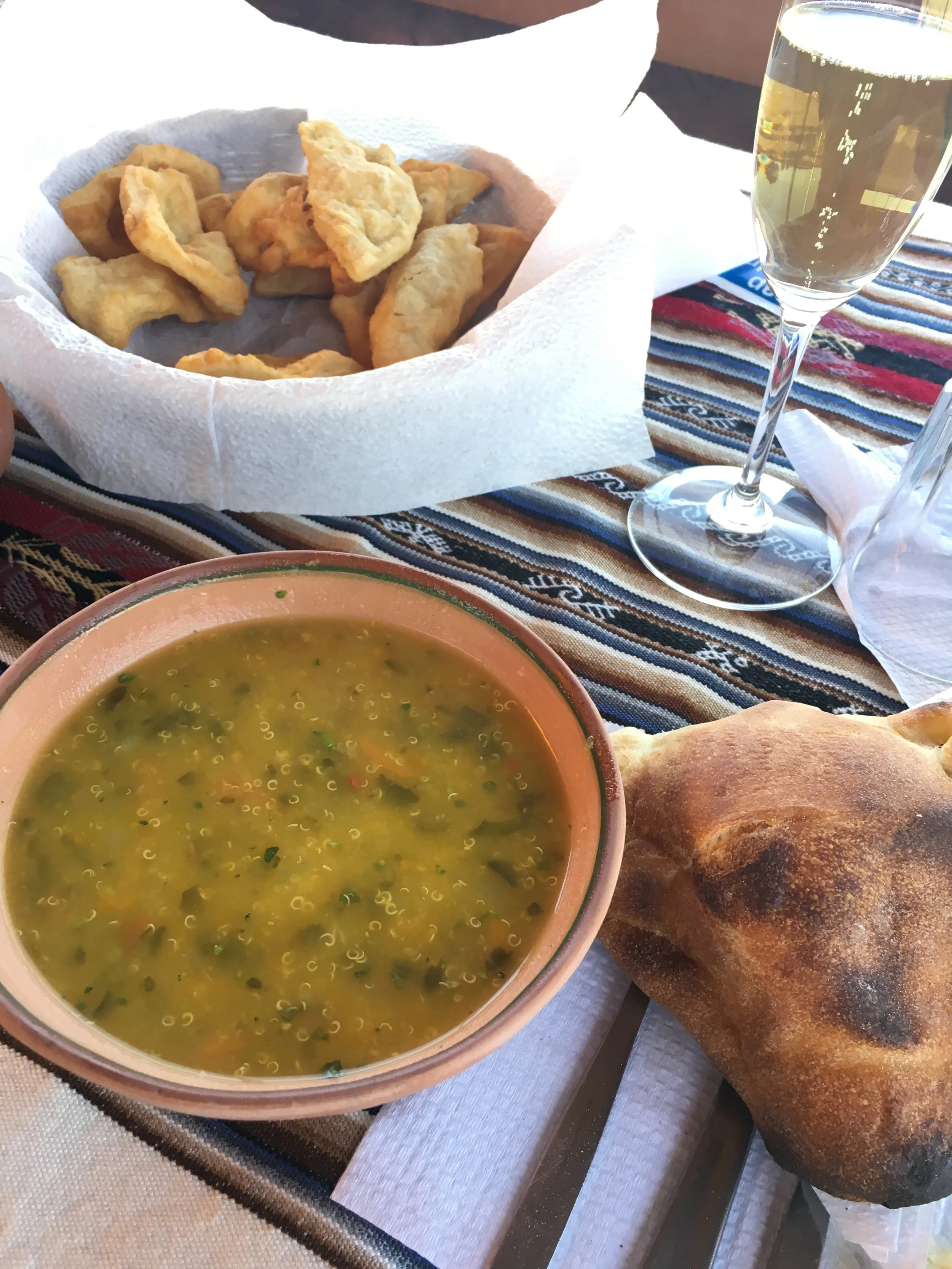
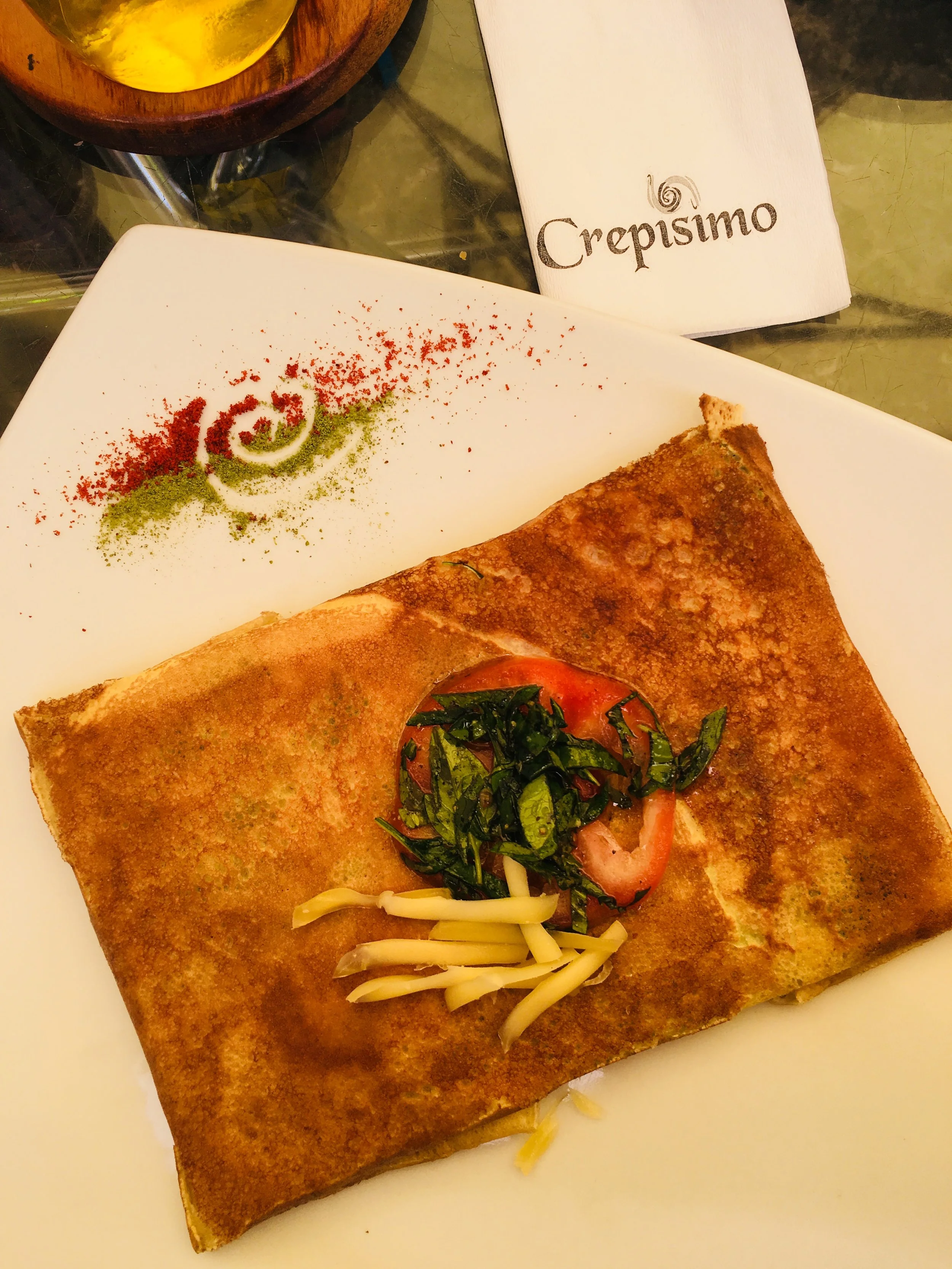
Arequipa’s food scene is fabulous, and I quickly discovered that Peruvian cuisine isn’t something you simply eat—it is part of the story of the place. Ingredients, traditions, Indigenous influence and Spanish influence all show up on the plate.
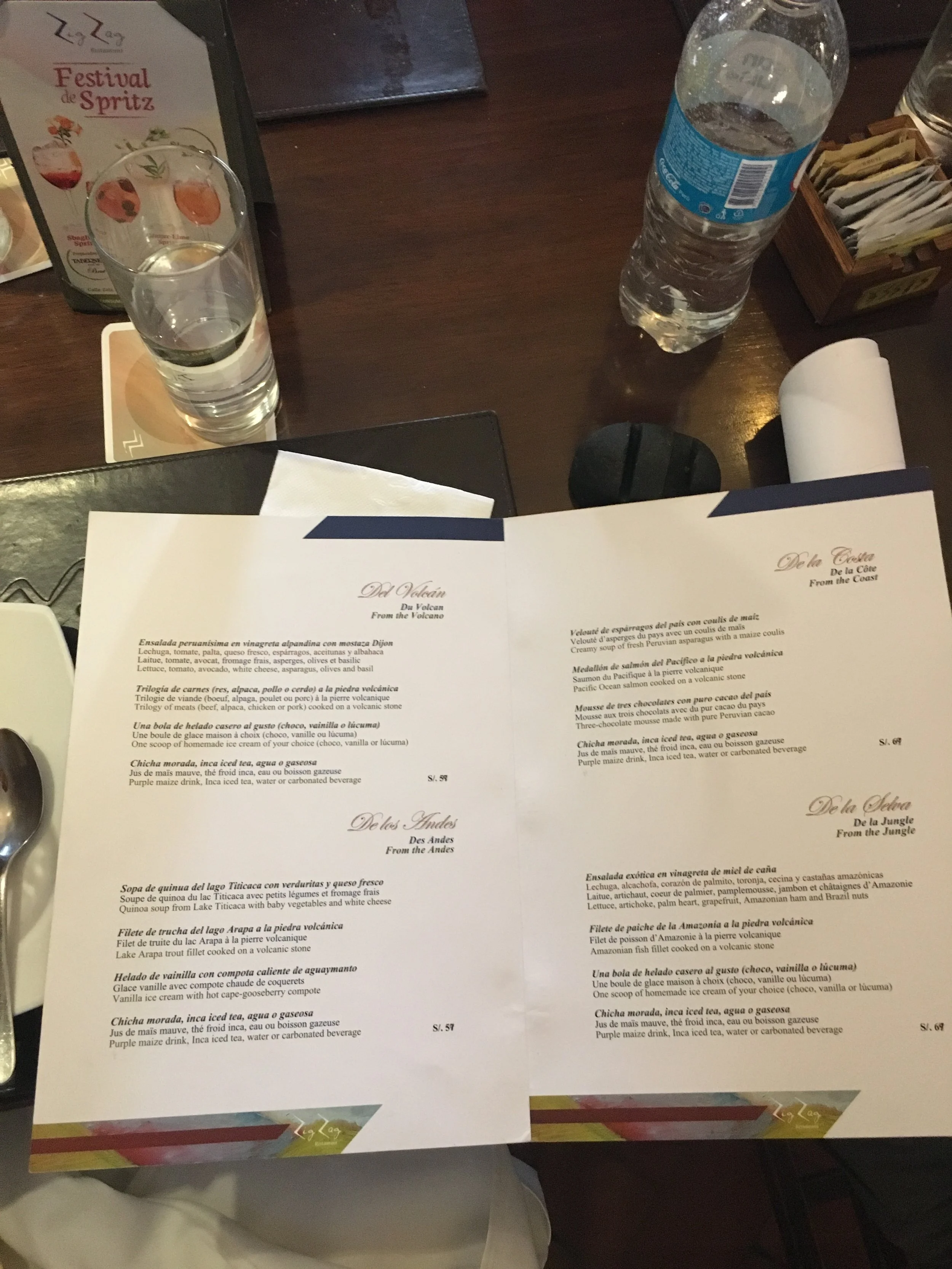
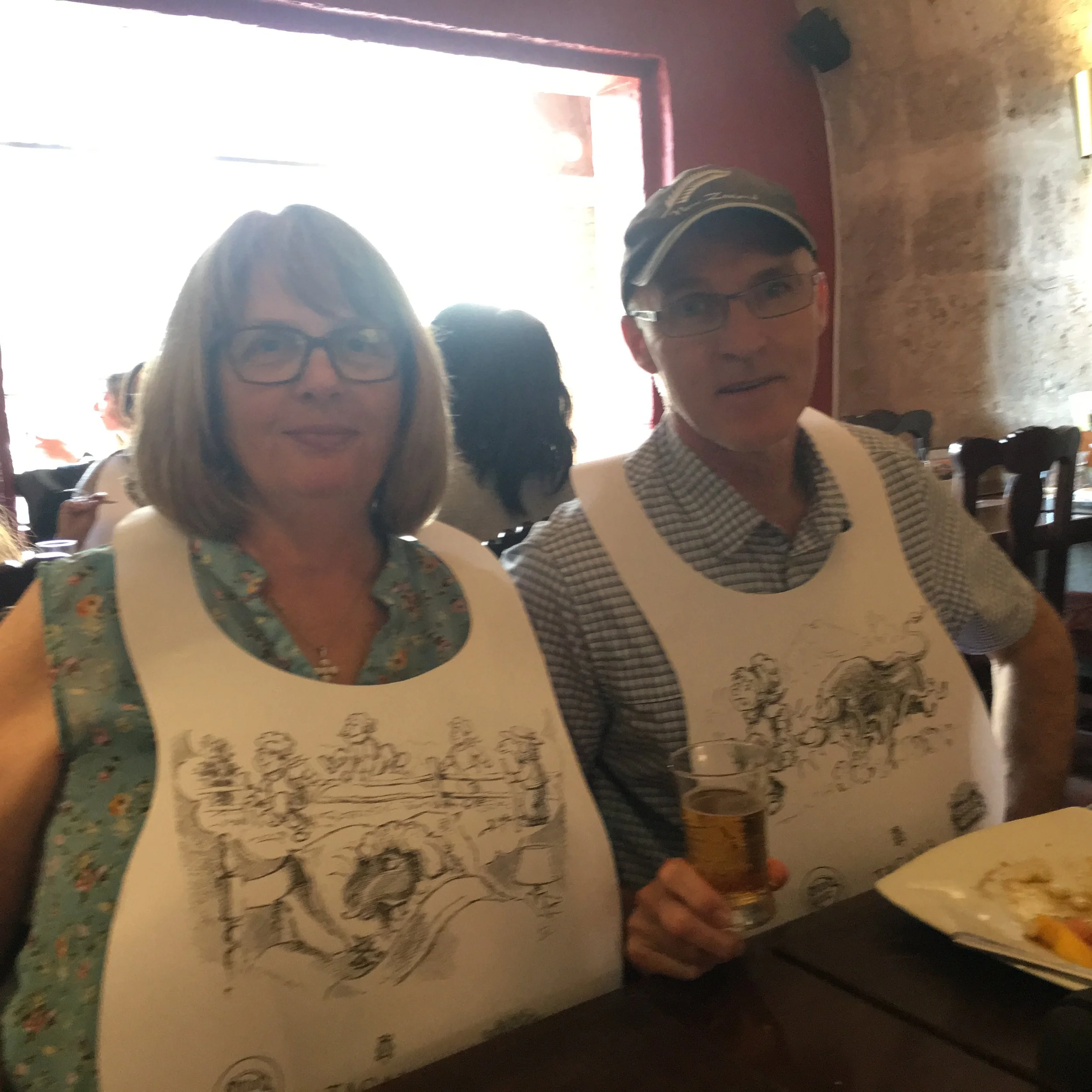
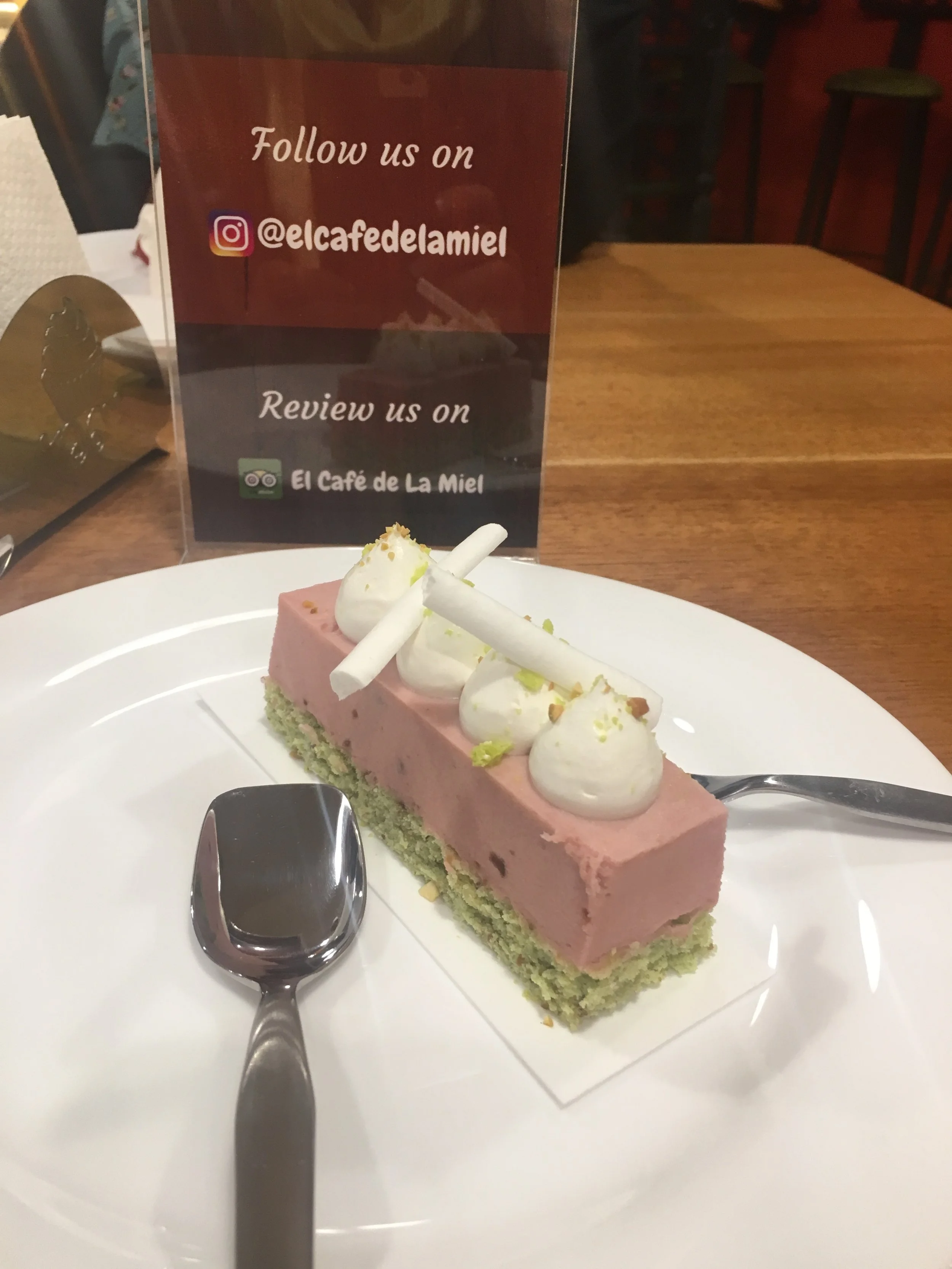
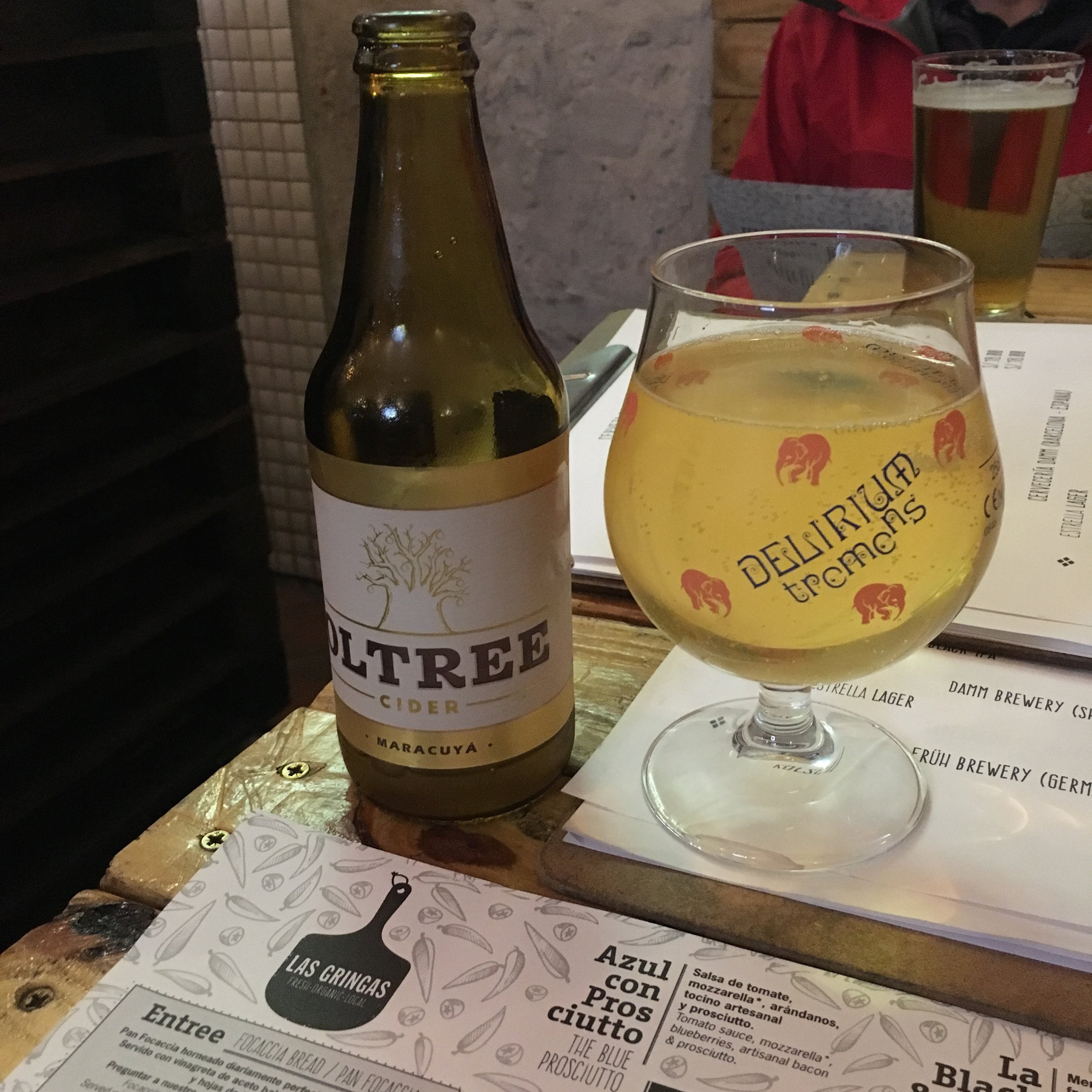
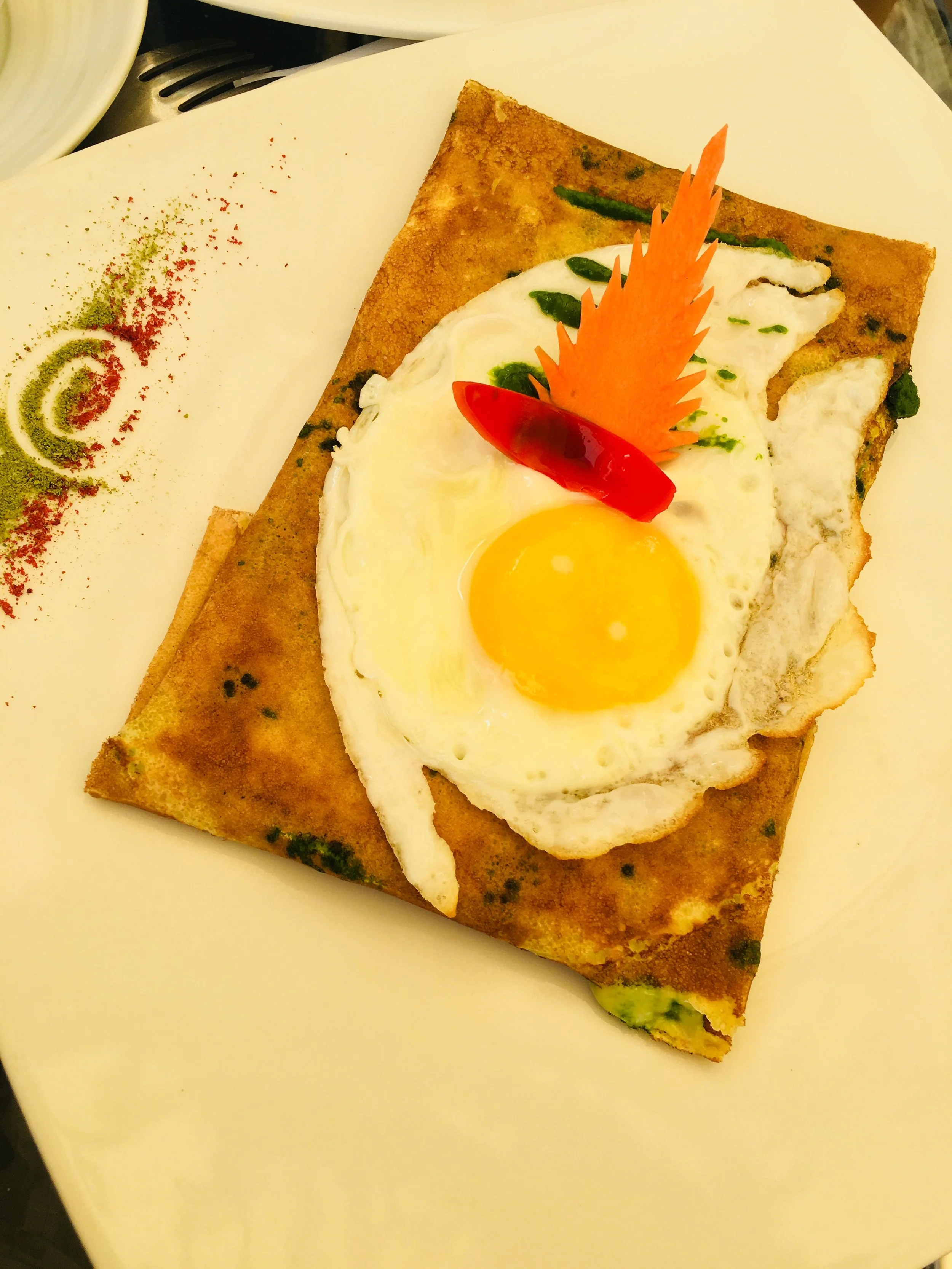
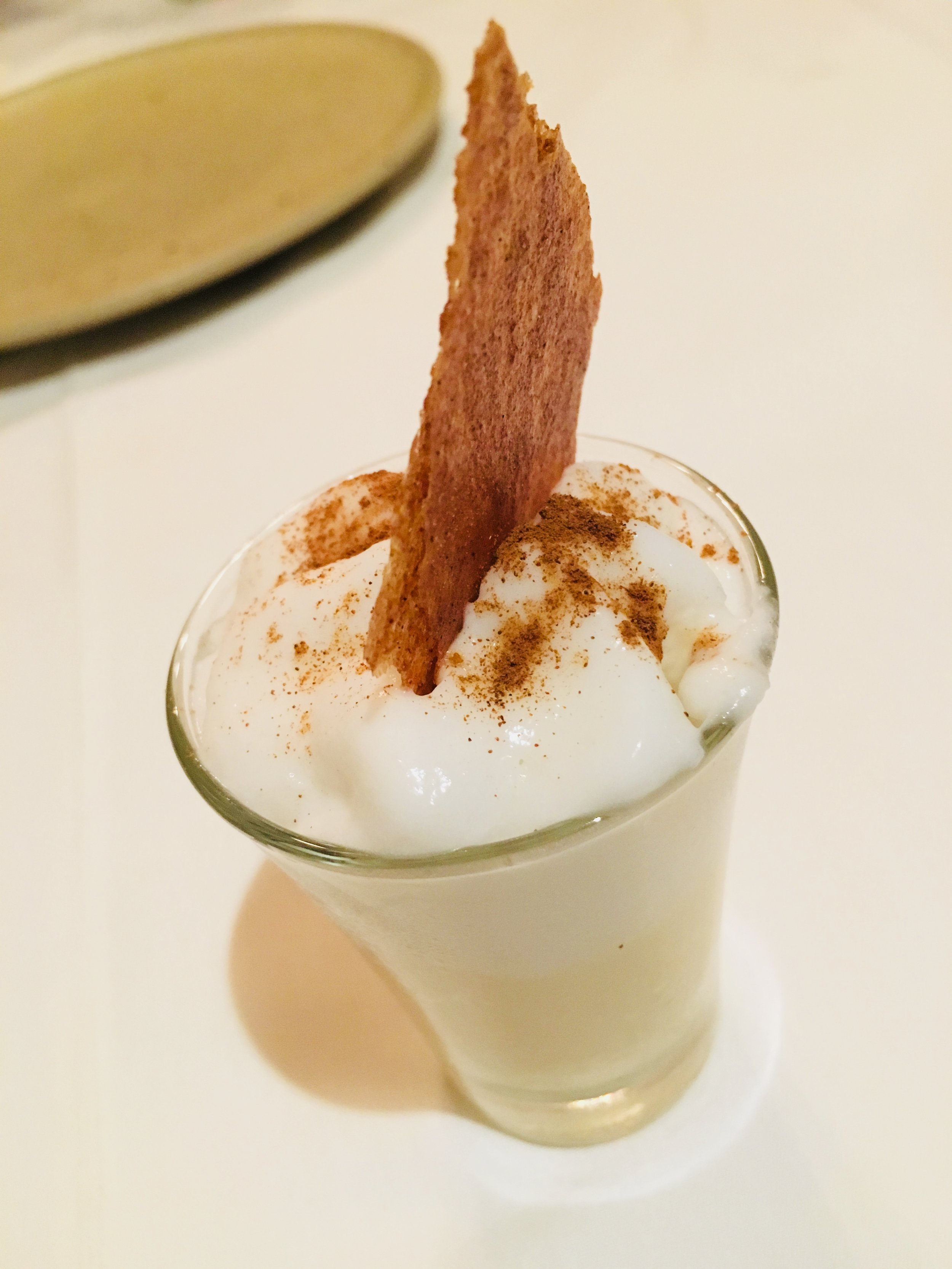
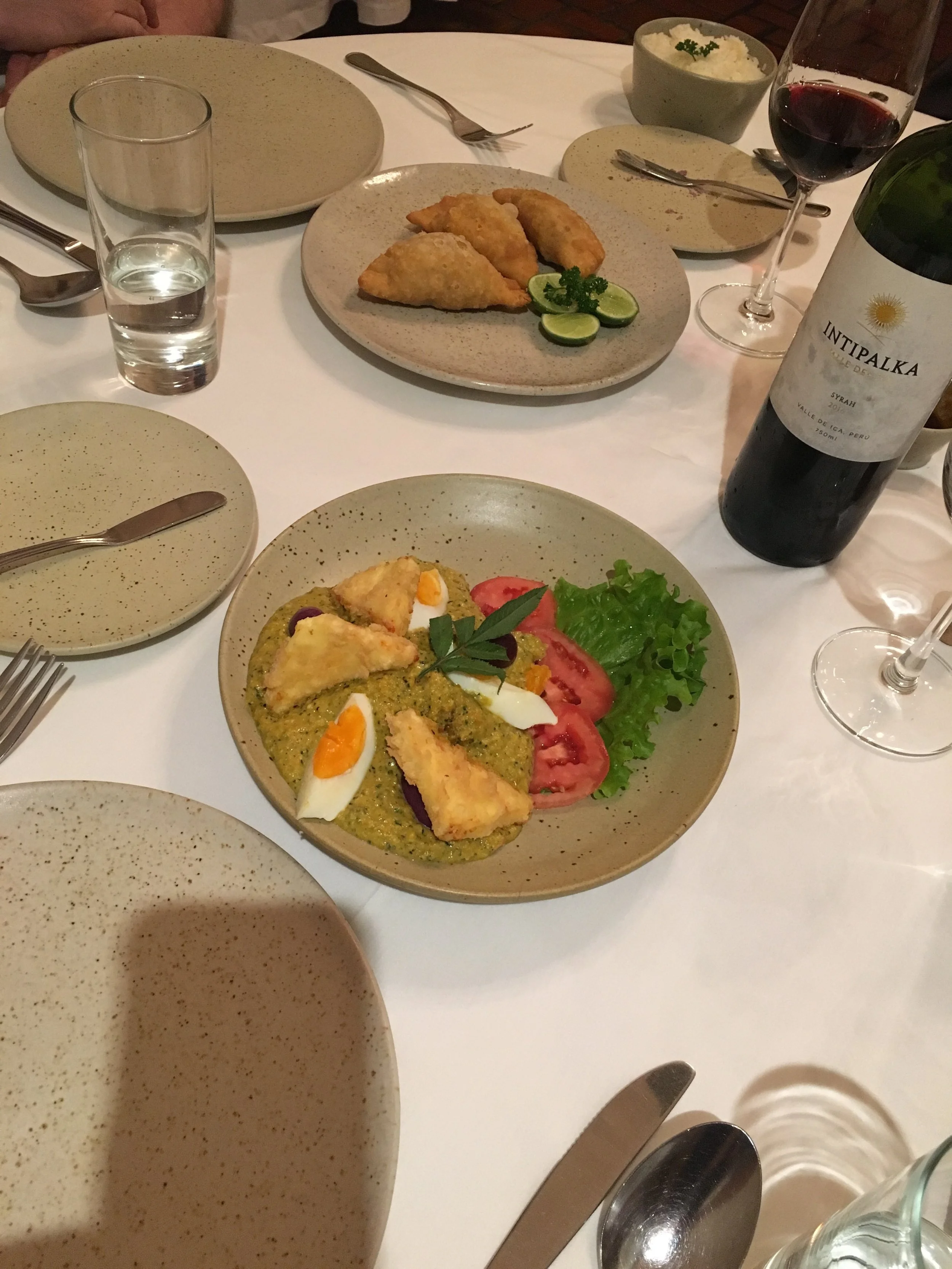
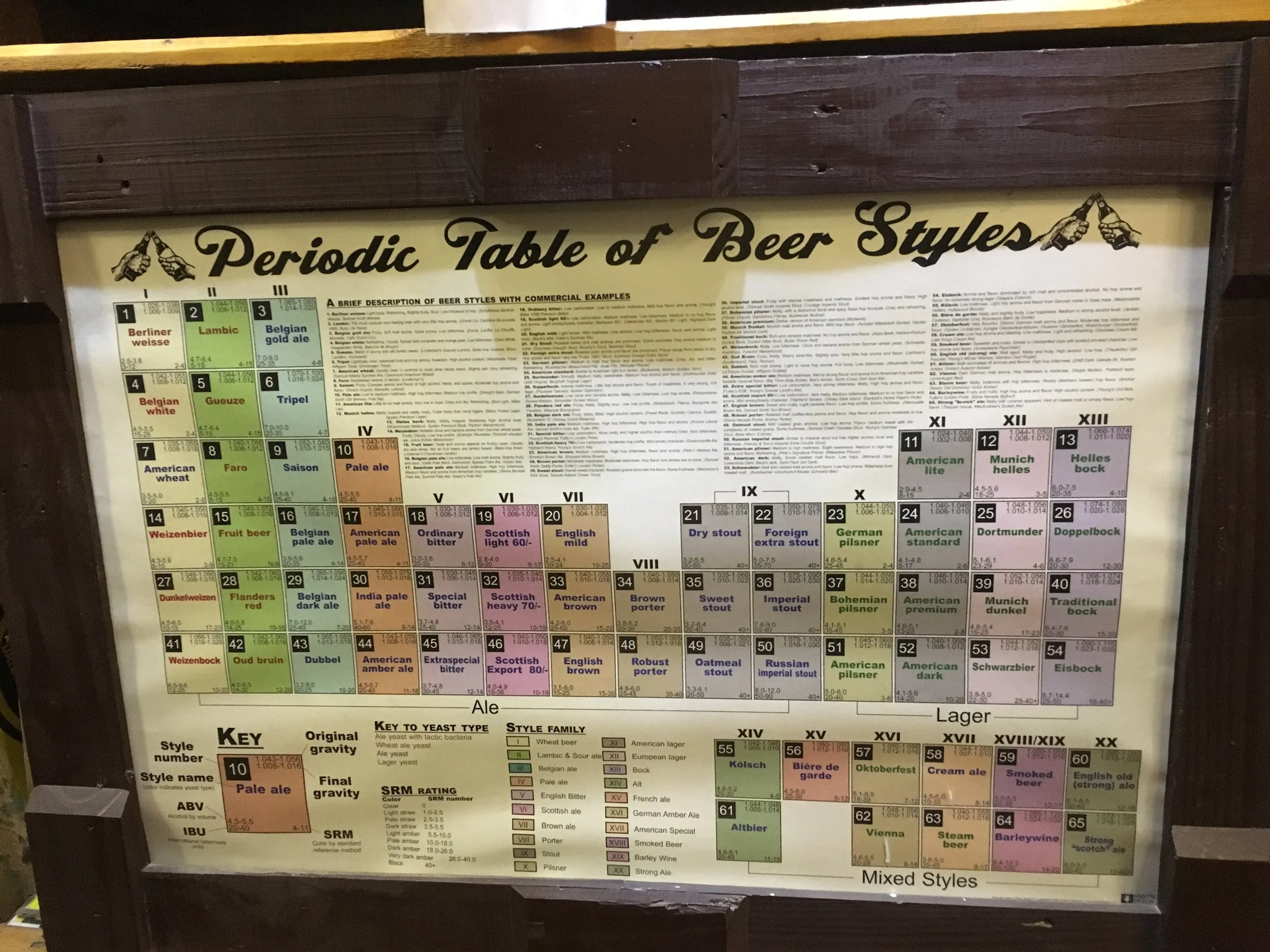
But some of my favourite memories were found in restaurants. The food scene here is top notch.
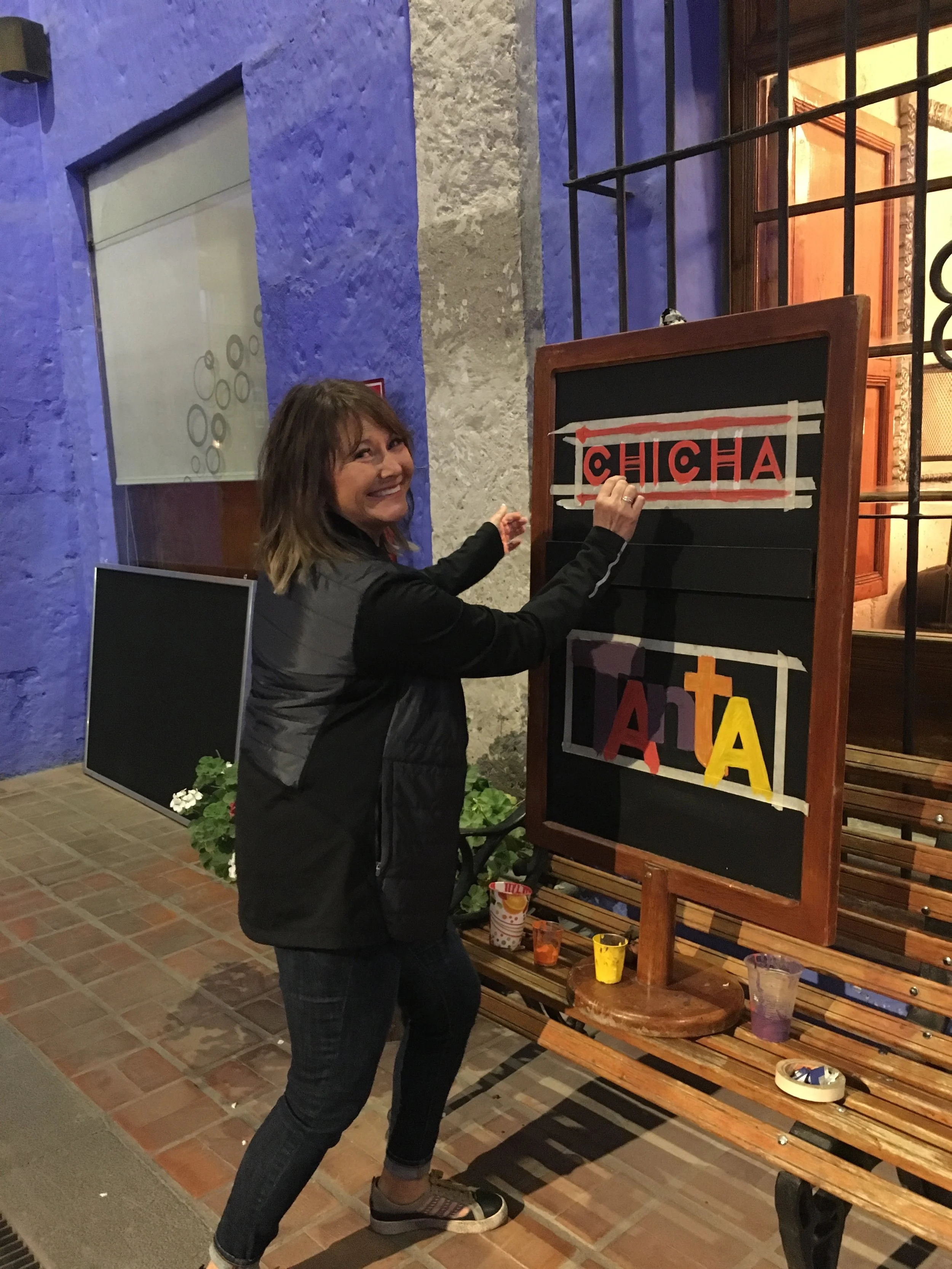
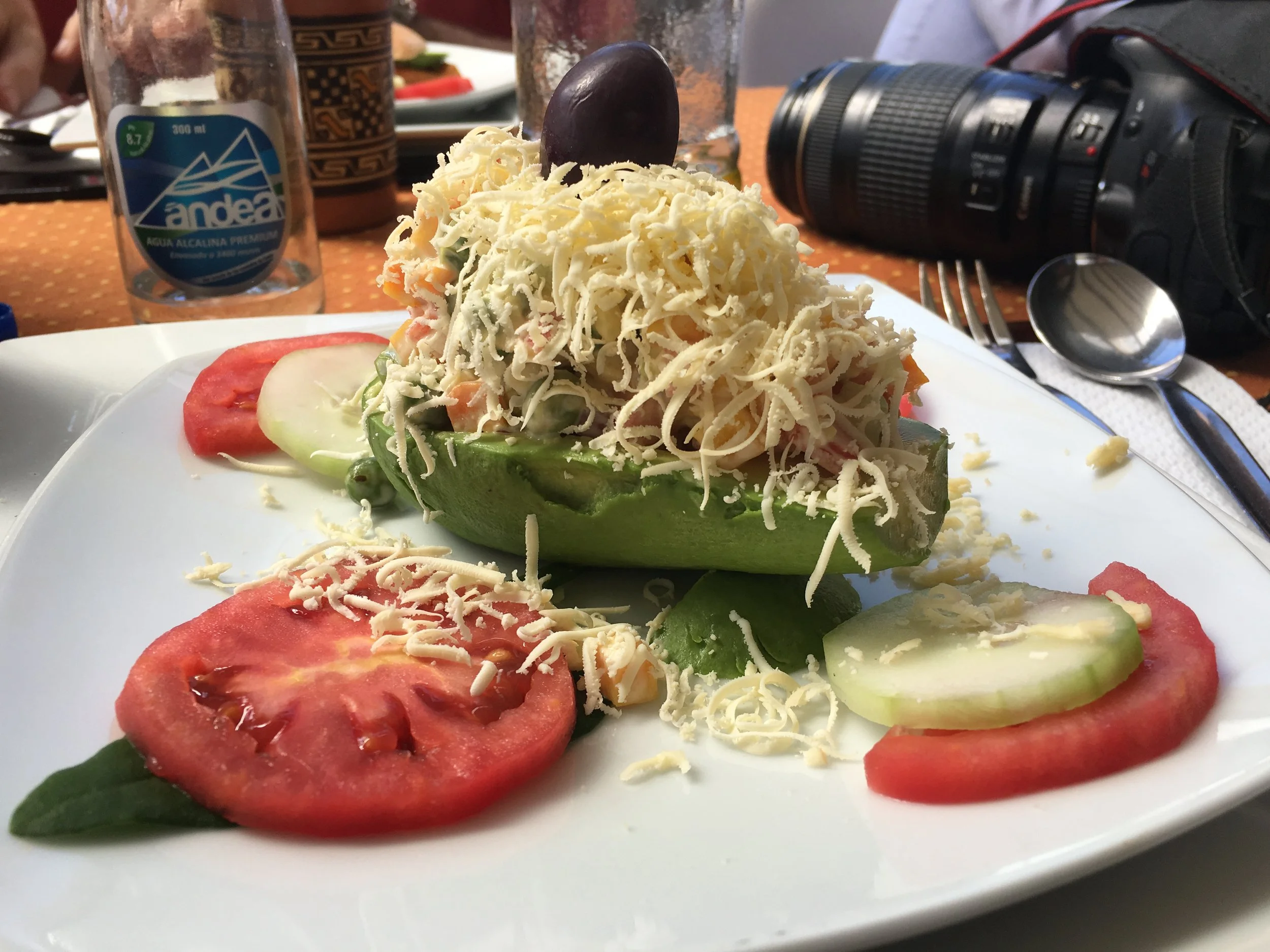
ChiChas
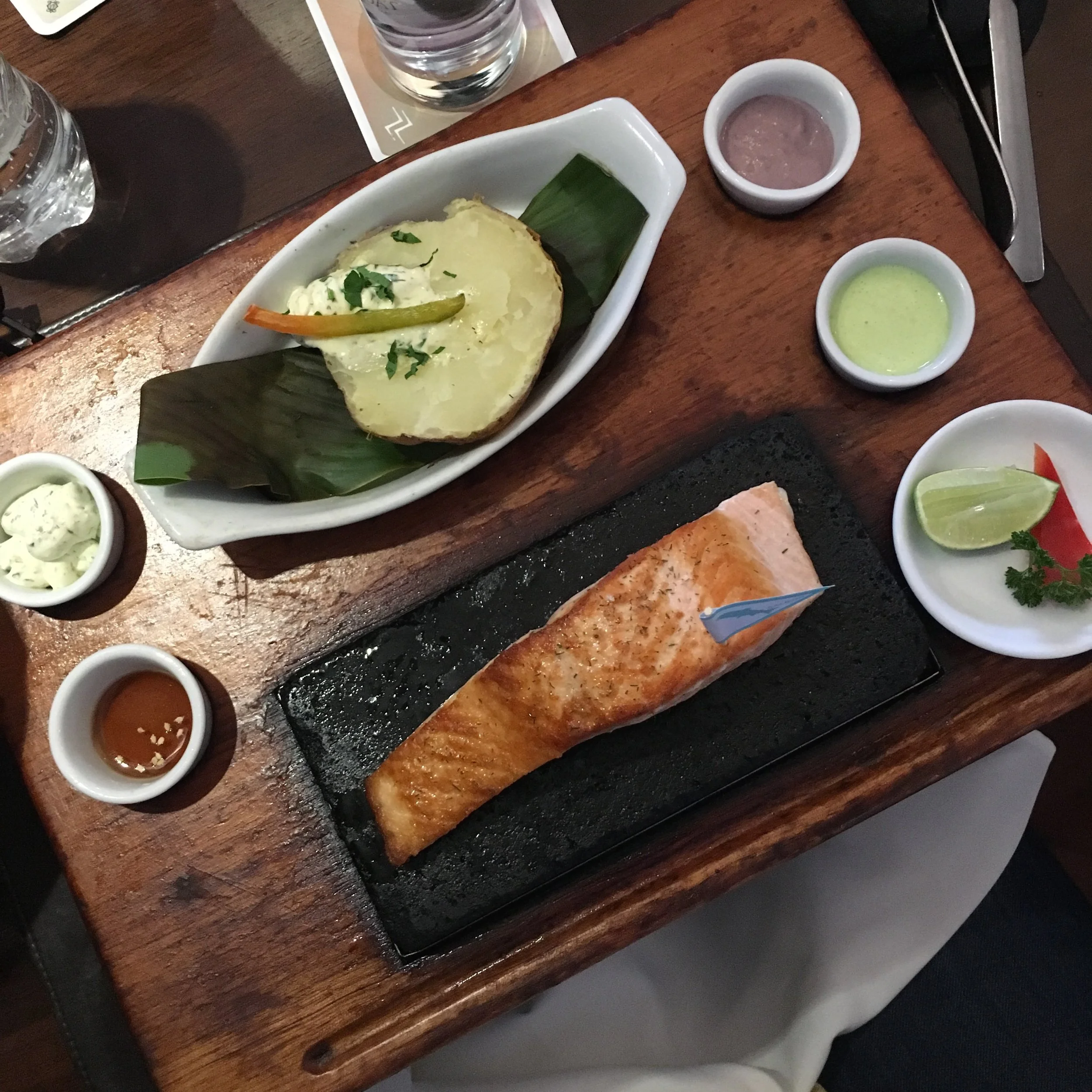
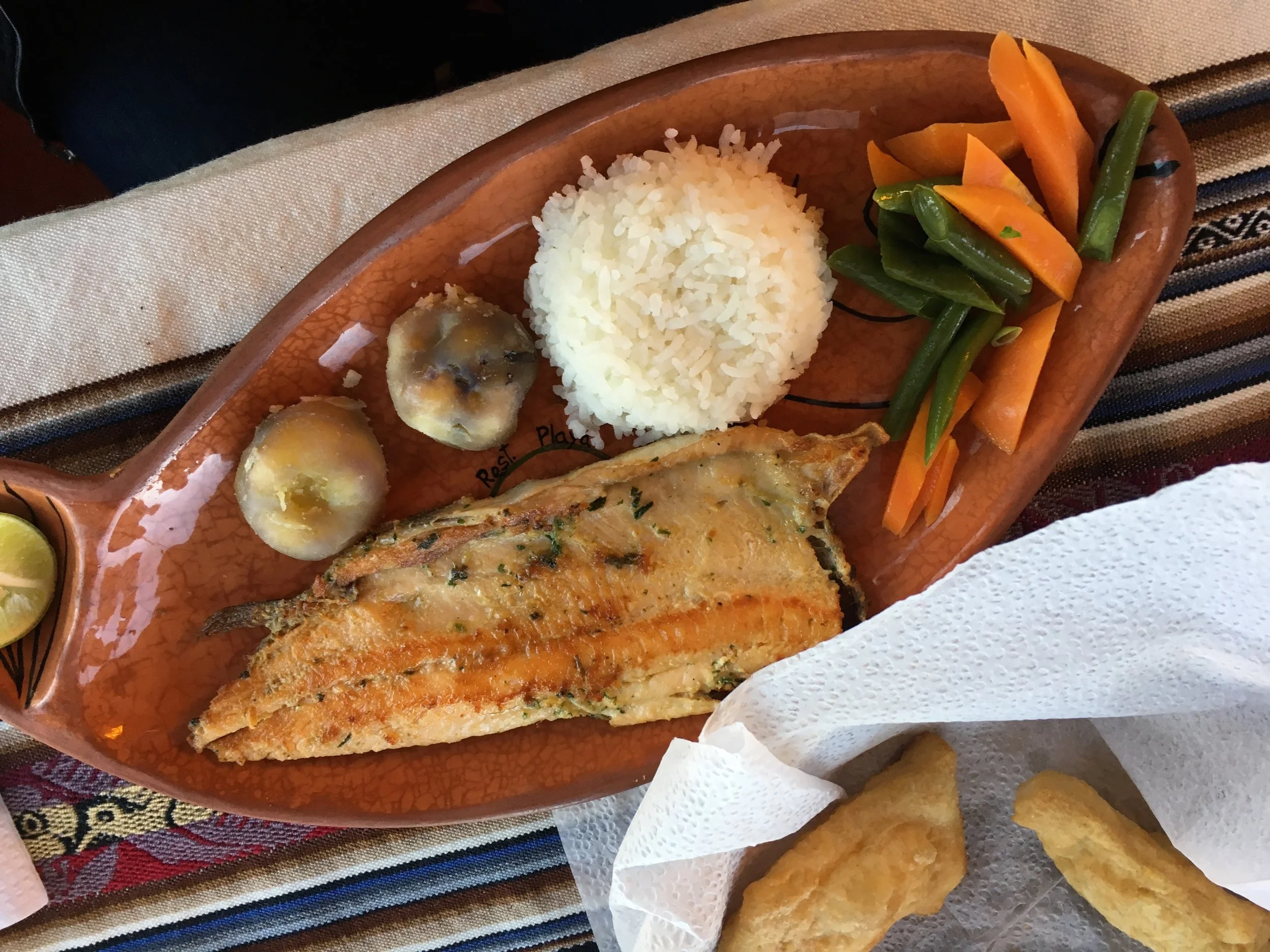
Zig Zag Amazonian trout
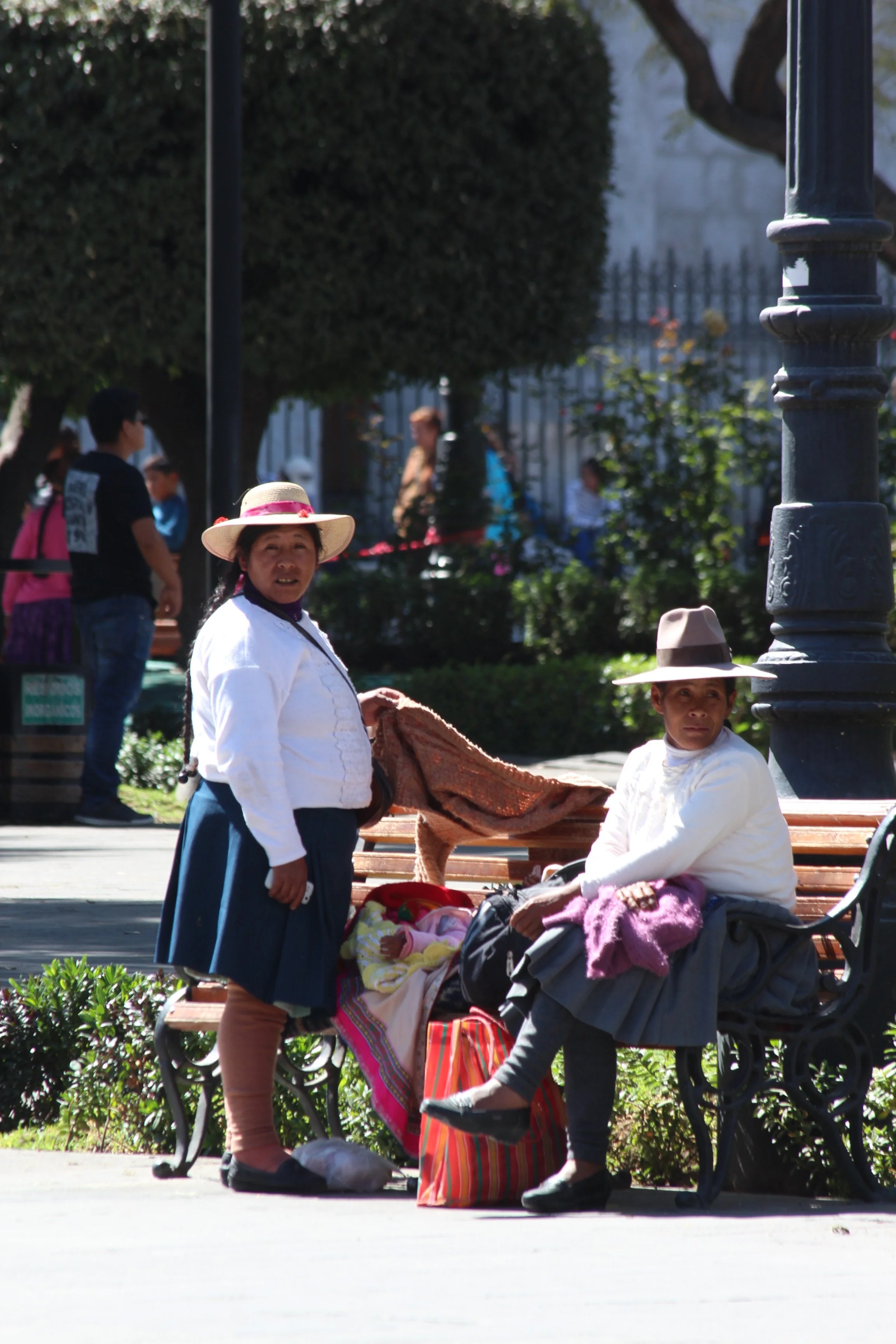
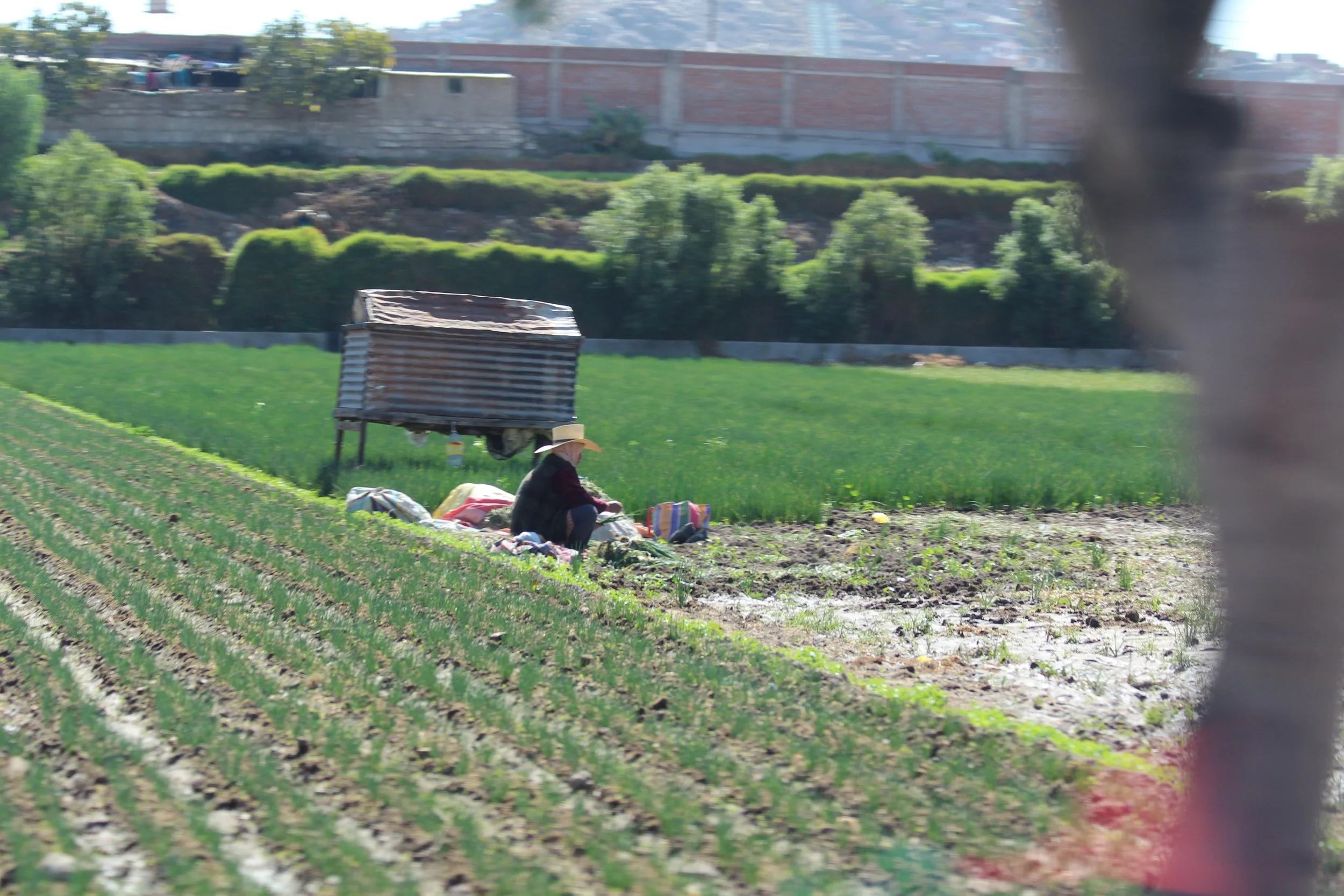
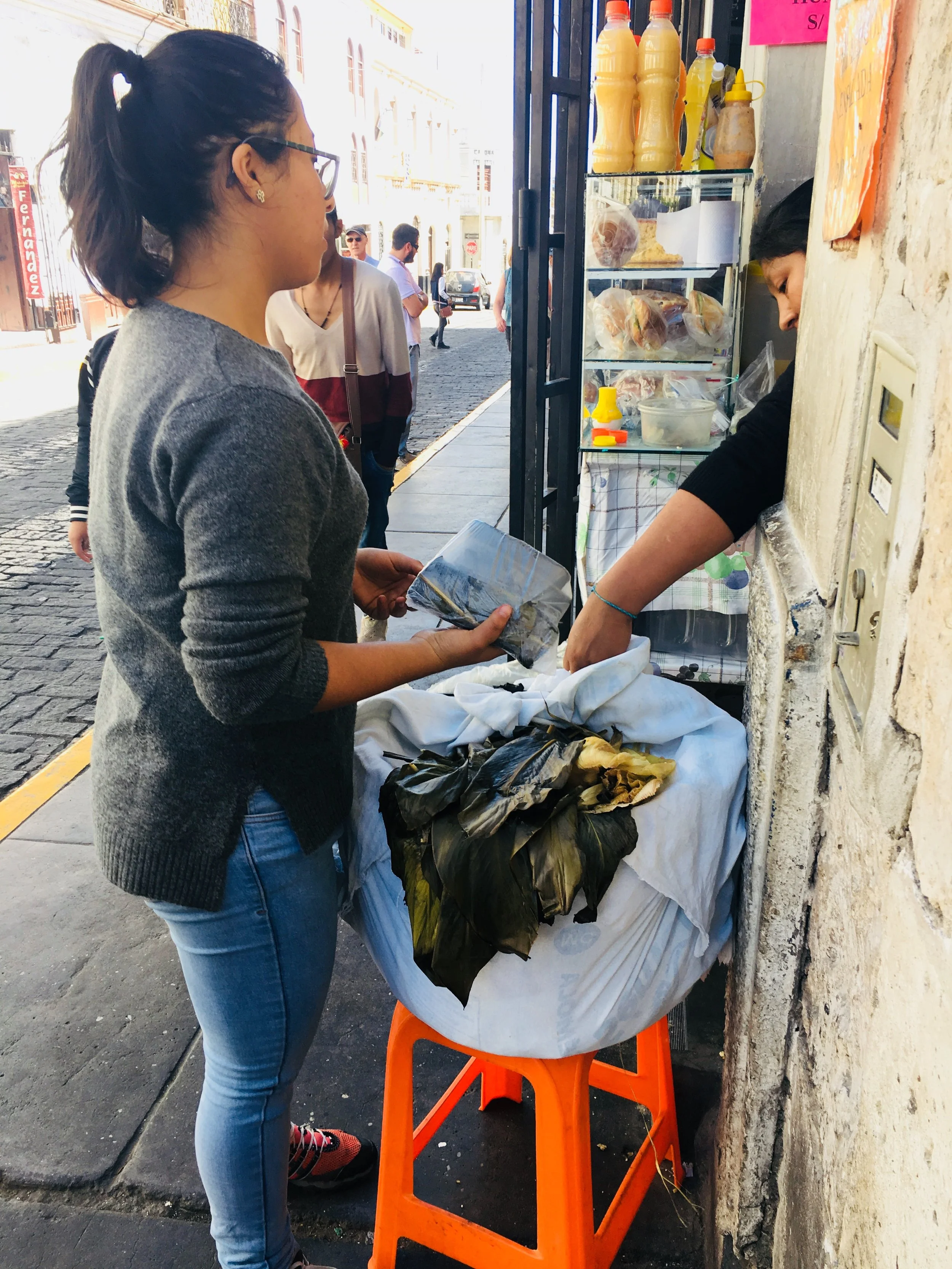
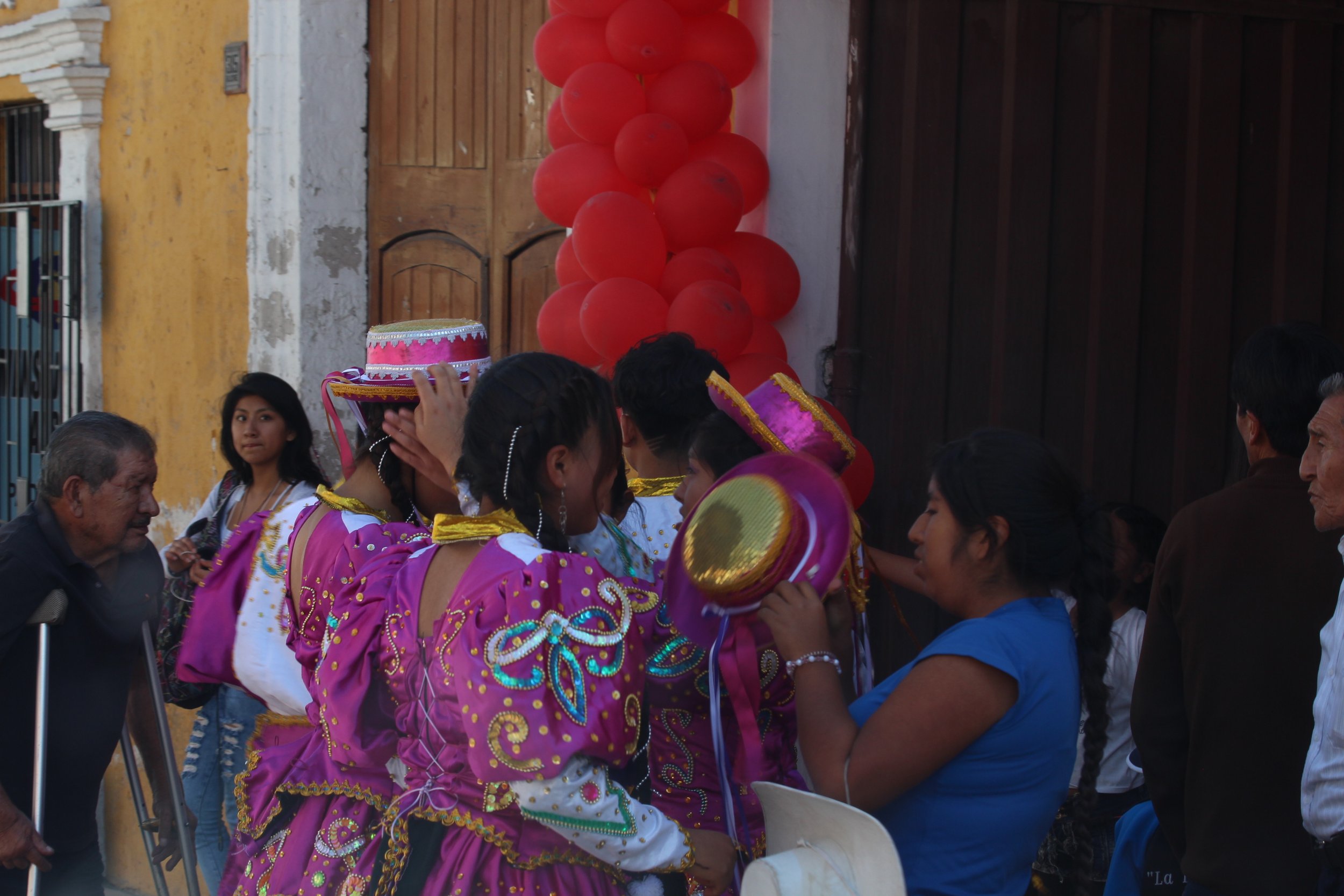
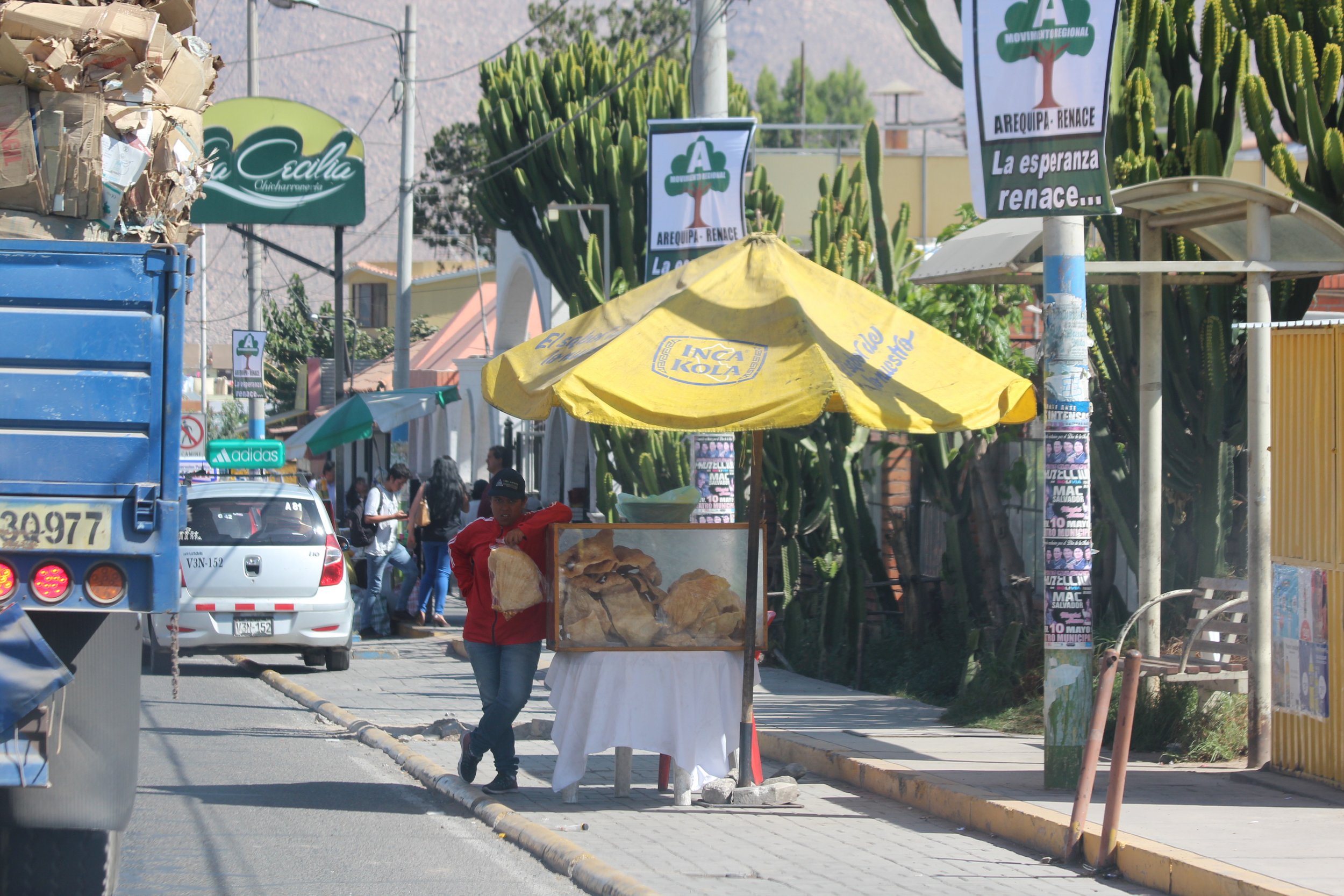
The street scene is vibrant.
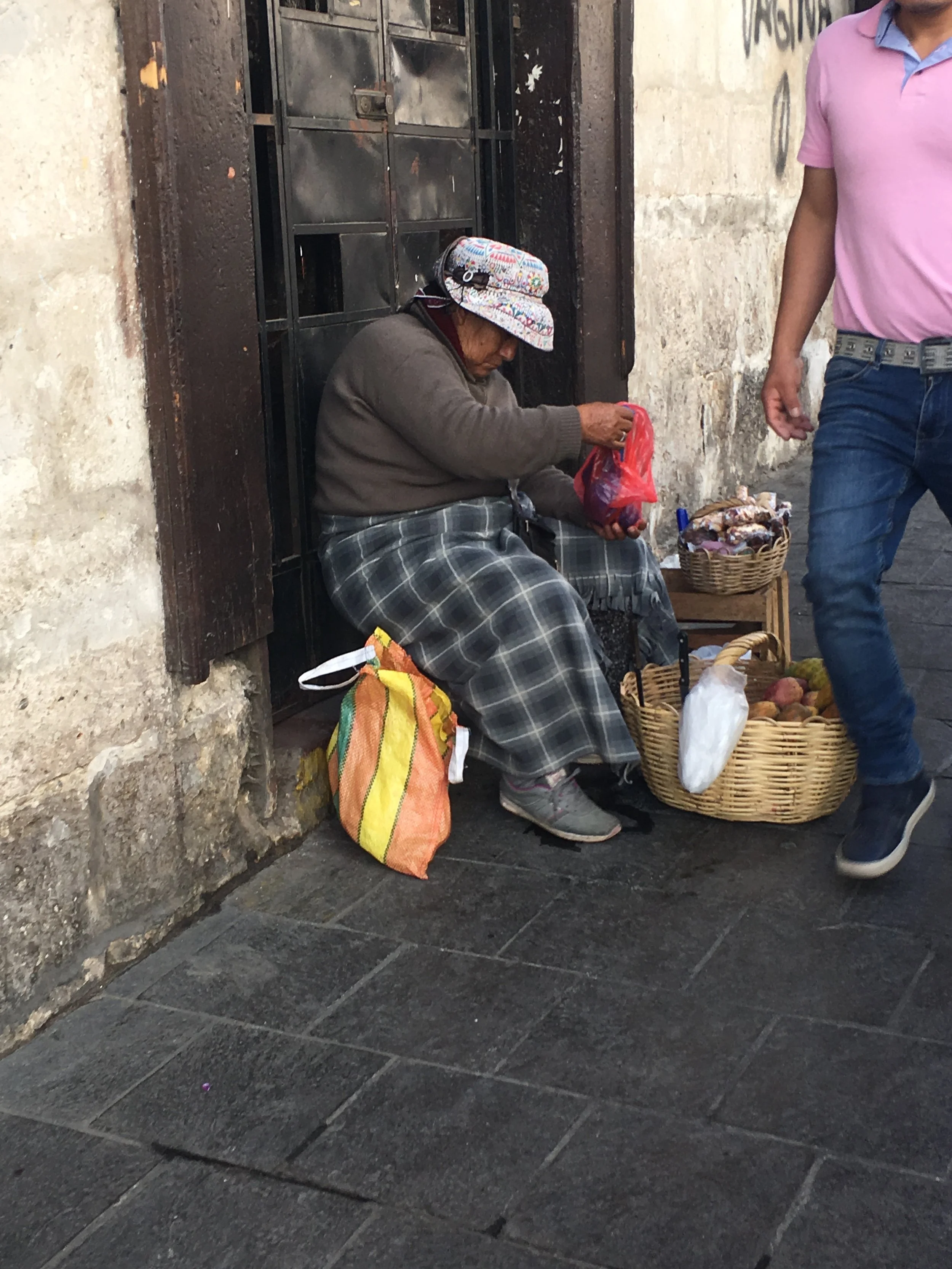
Women carrying wicker baskets. Bright coloured blankets that turn into carrying packs.
Indigenous woman with braids and hats. They form a rich visual language. Hats are worn primarily by Quechua and Aymara women - cholitas. They instantly communicate a woman’s marital status, home village and connection to her heritage.
They wear heavy, thick-knit wool stockings in shades of beige, tan, or light brown, and in the highland communities, the stockings are a continuation of the vibrant textile art. They are knit with bright neon yarn featuring geometric patterns, native flowers, or symbols of llamas and condors that match the trim of their skirts.
On their feet ojotas - traditional sandals.
Historically made of leather, modern ojotas are recycled from durable truck tires. They have incredible grip for steep rocky paths but offer zero insulation and are completely open to the elements. The thick wool stockings are the only thing keeping their feet and ankles from getting frostbite. Living up in the Andes can be very cold the minute the sun tucks away.
I was speechless when I spotted a woman weaving.
She was working on a portable loom, the strap secured around her back, carefully manipulating thread after thread.
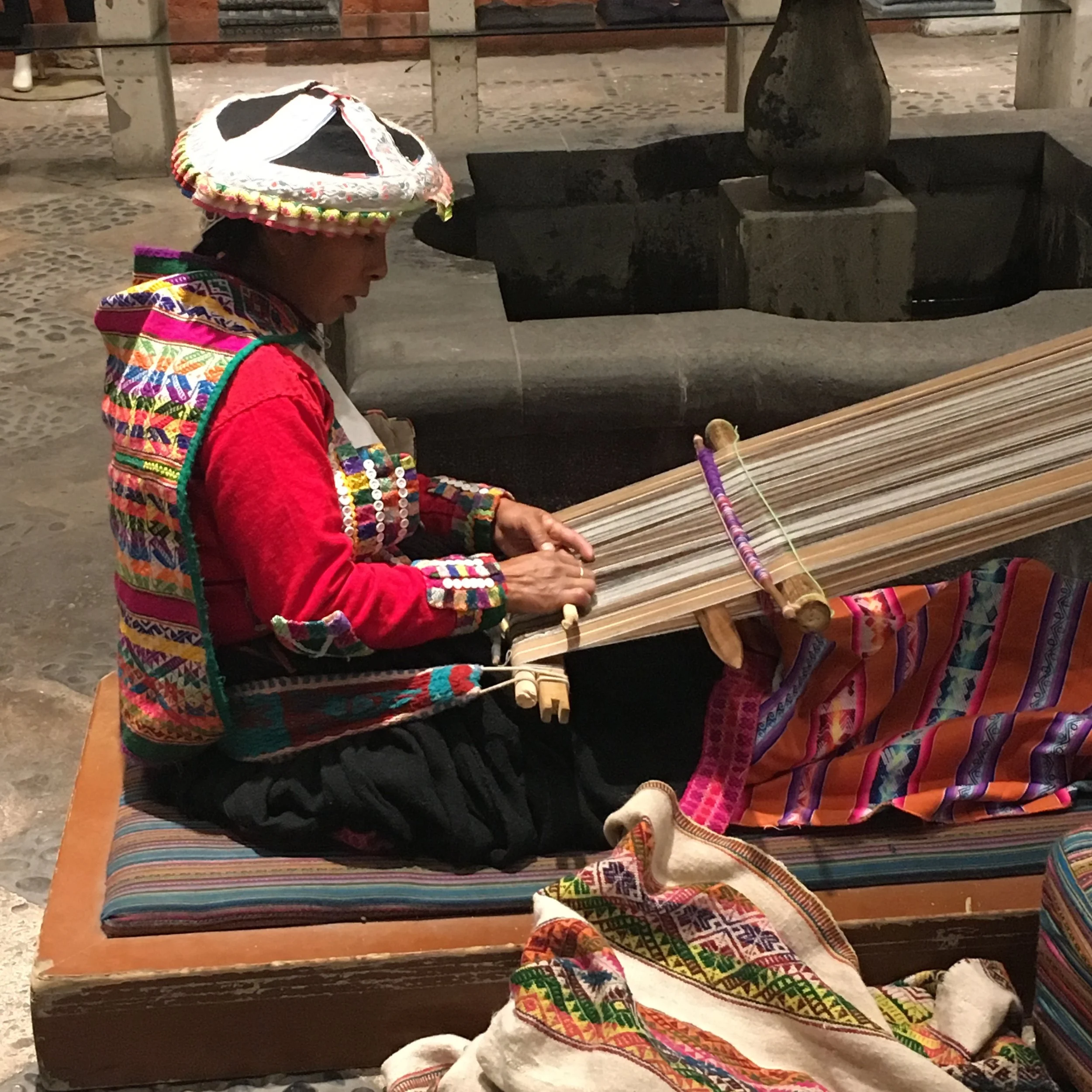
I could have watched her for hours.
There was something hypnotic about it.
One thread.
Then another.
Counting.
Repeating.
Building a pattern one tiny movement at a time.
It also made me look at textiles differently.
We see a beautiful woven piece in a shop and think about the price tag.
But after watching someone create fabric this way, you begin to understand that you’re not just paying for material.
You’re paying for time, patience, Skill, and generations of knowledge.
That is the kind of thing I want to bring home from travel—a different appreciation for the things I see every day.
Exploring the city was checked off we now go sandboarding.
I discovered we were far enough south to reach the desert, I started looking into the possibility of sand dunes.
Before agreeing to it, I checked our travel insurance.
Because yes, I’m adventurous.
But I’m not completely reckless.
Well…
Not completely. Not totally convinced the insurance would work we made a gamble. We would take it easy… if that is possible on a steep dune.
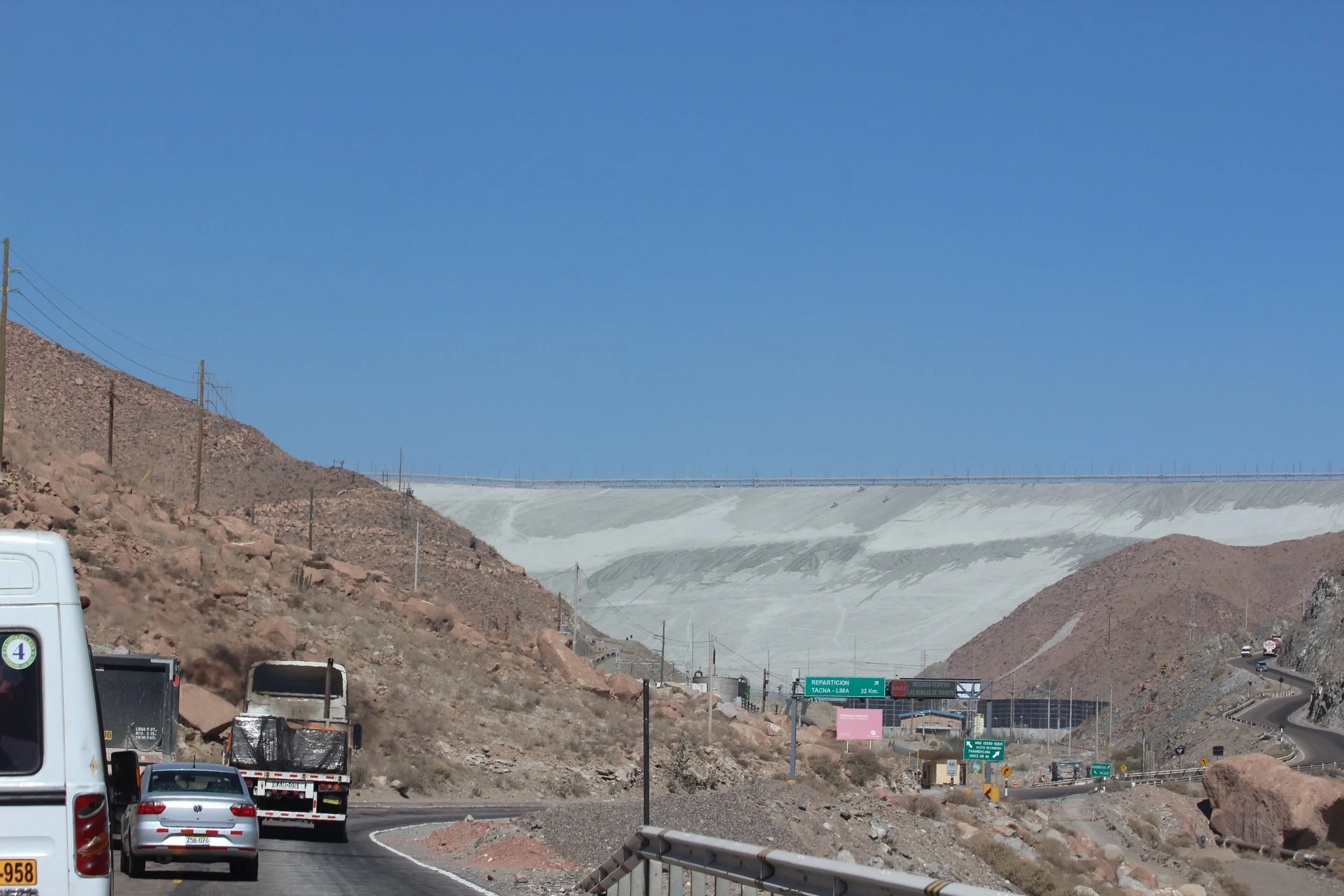
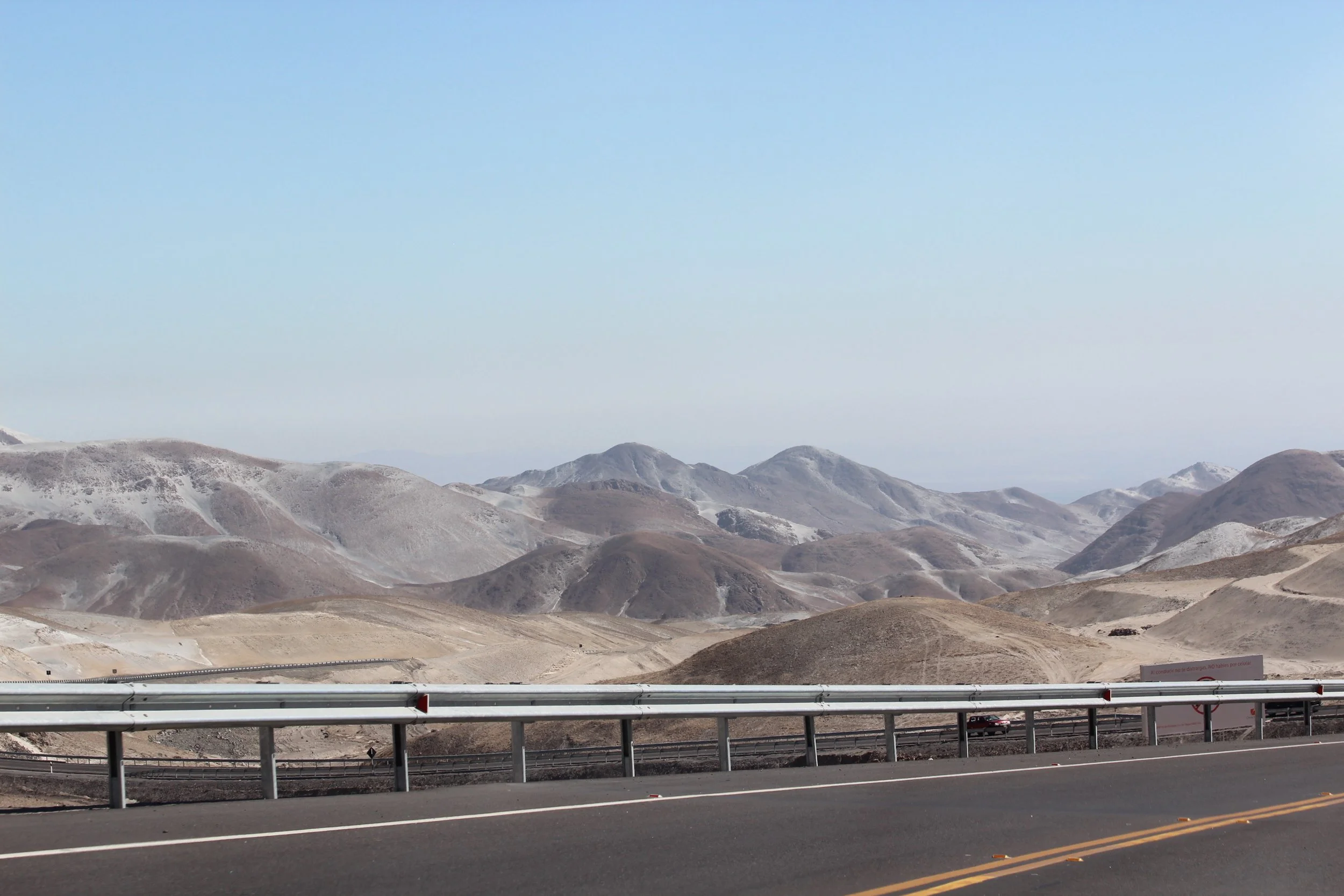
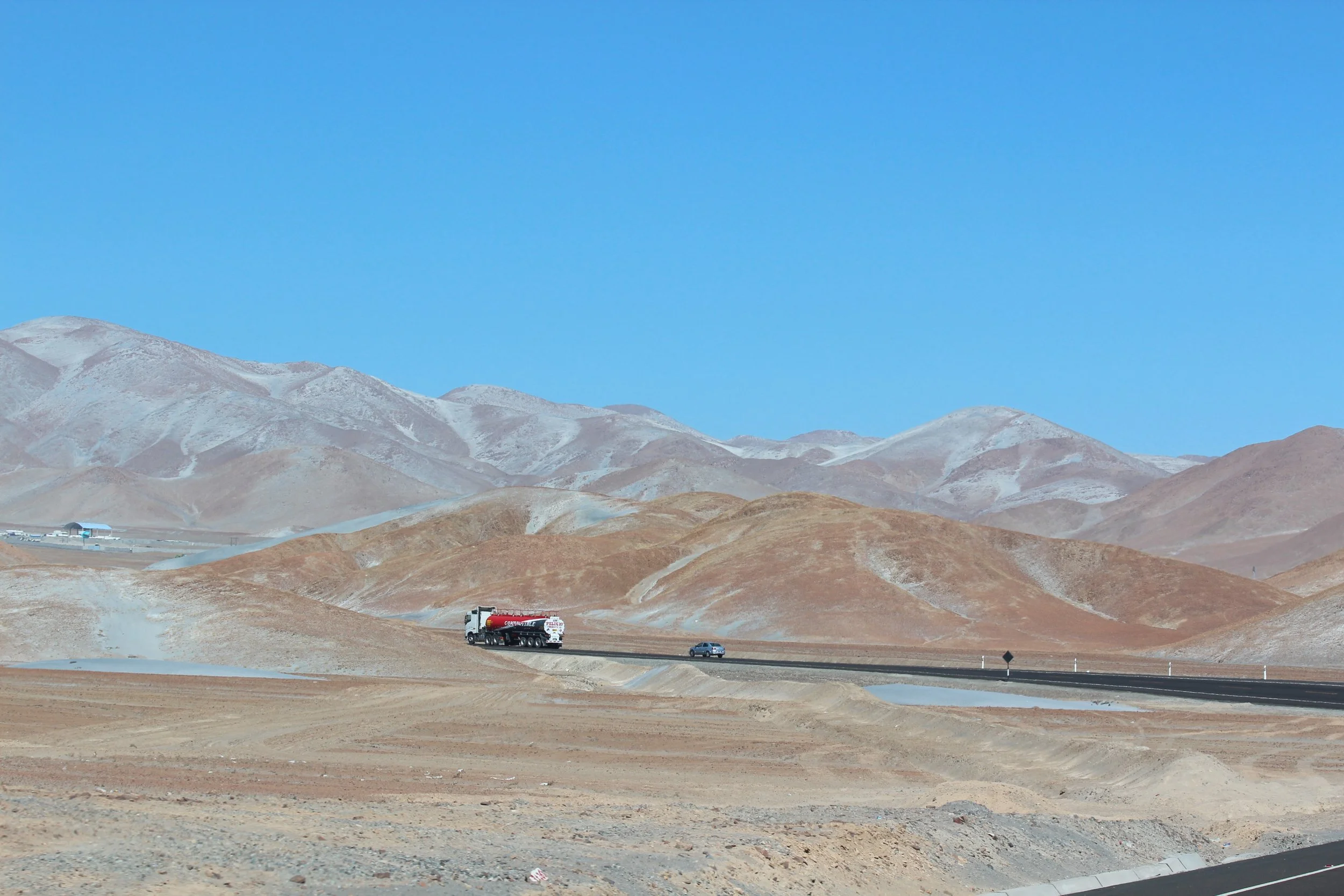
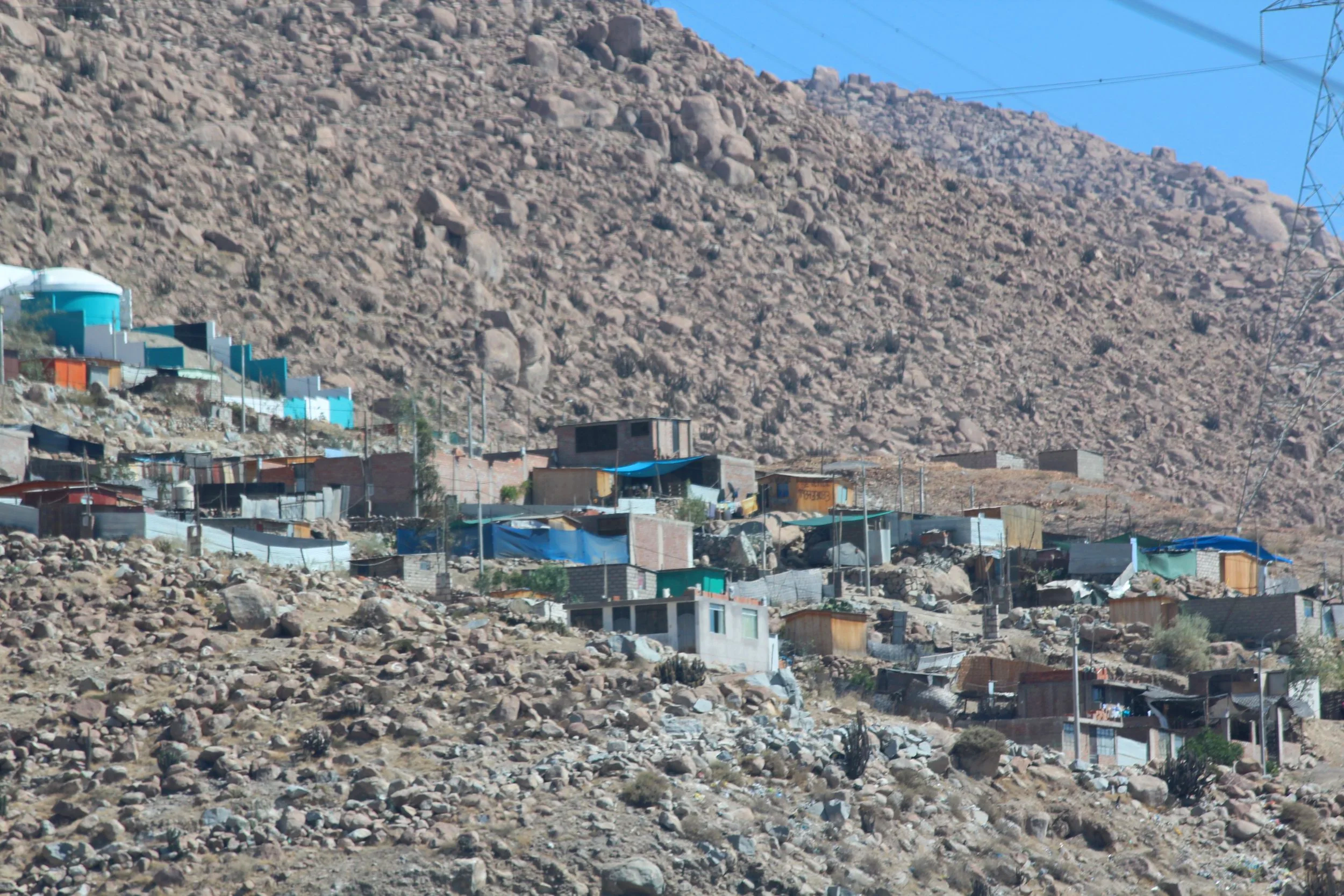
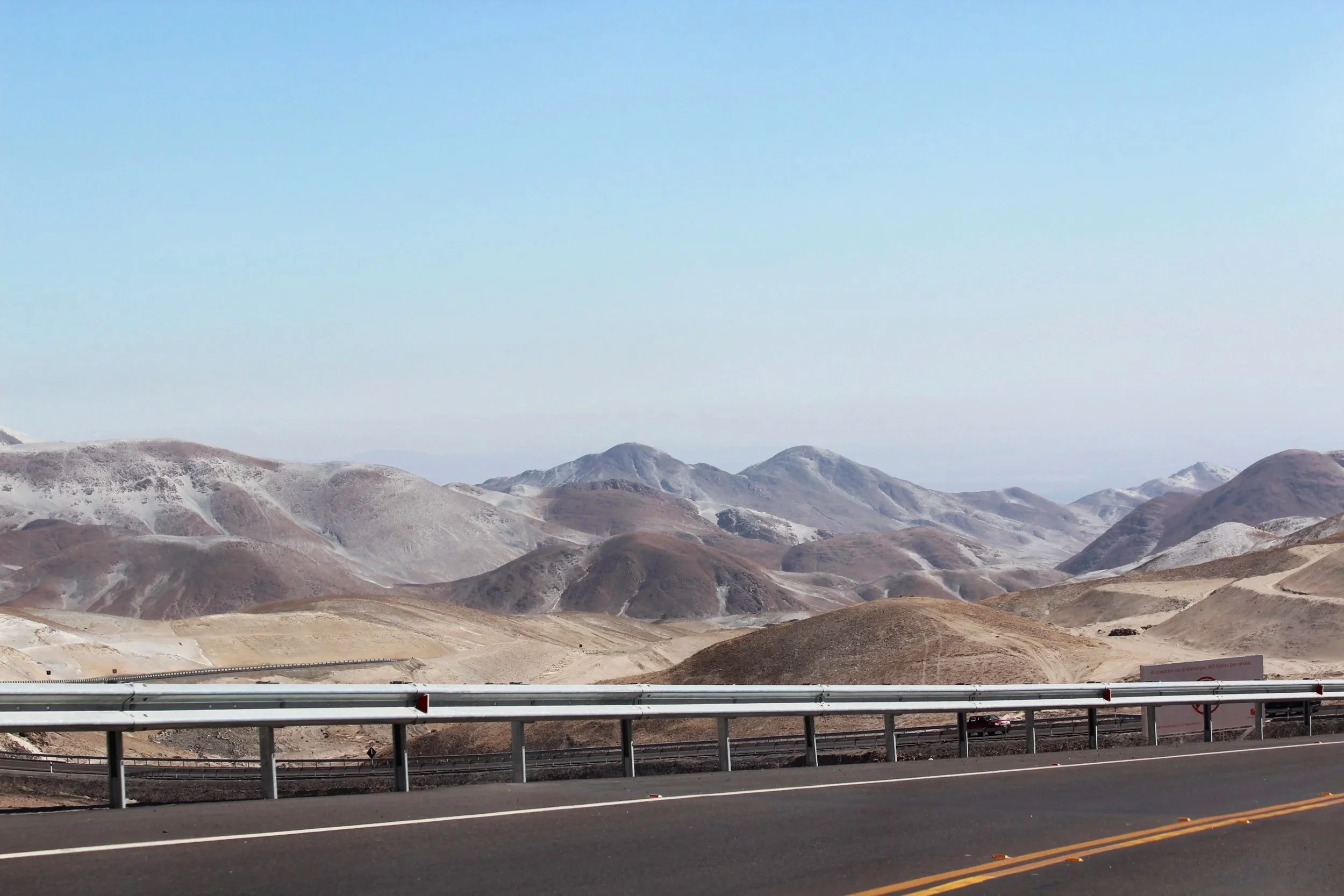
Once we started driving away from Arequipa, the landscape changed dramatically. Volcanic rock seemed to crumble across the terrain, and the landscape looked almost otherworldly.
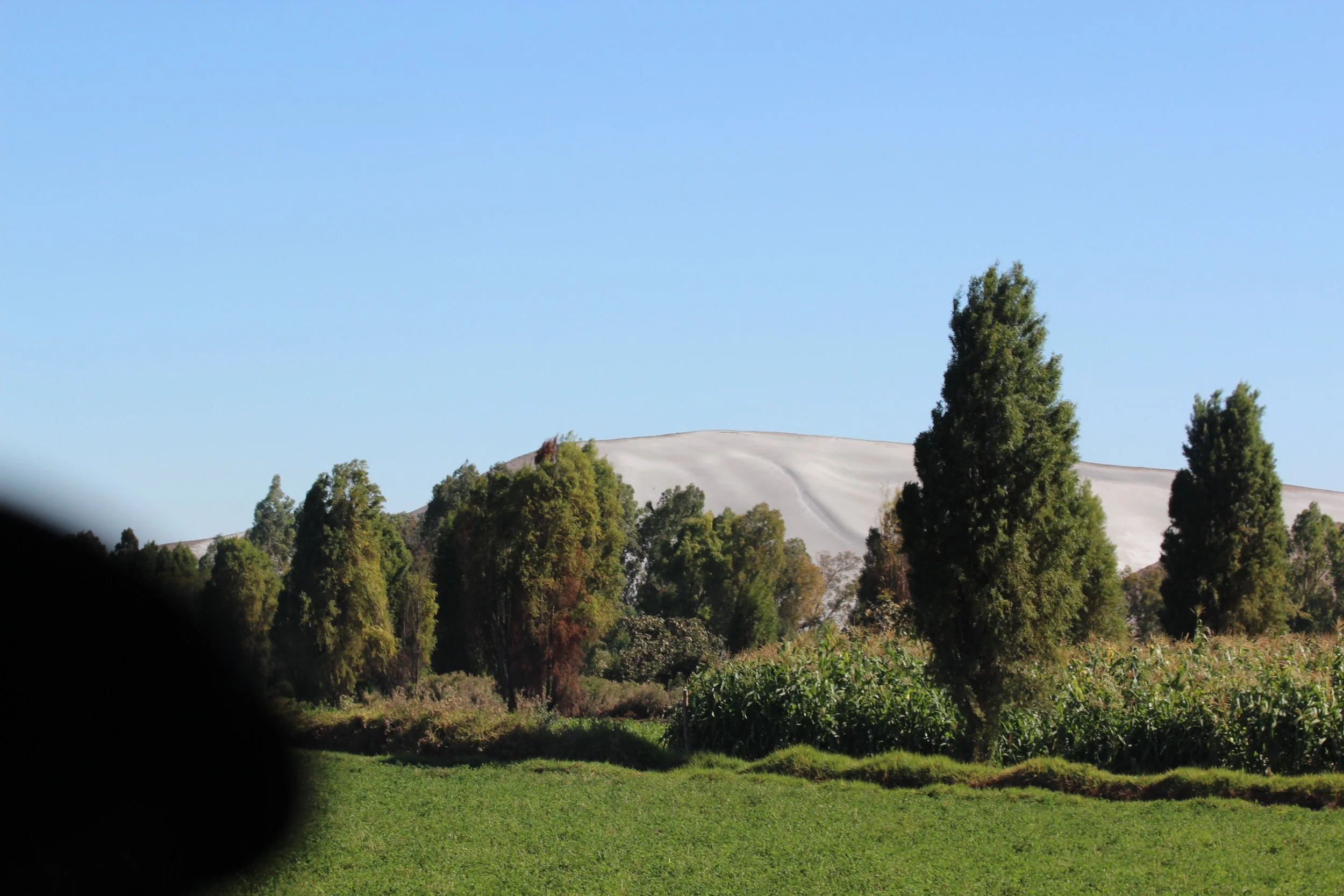
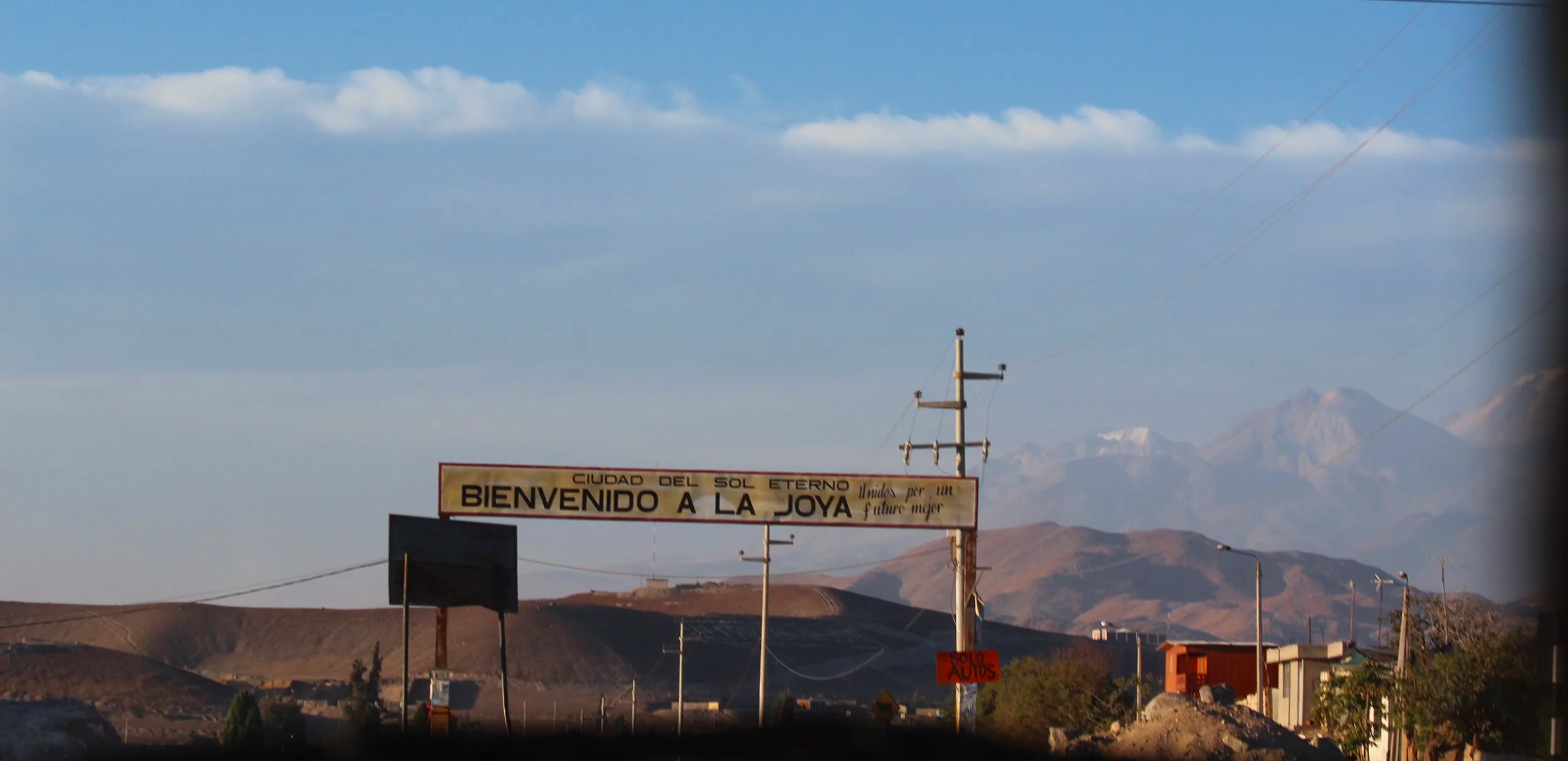
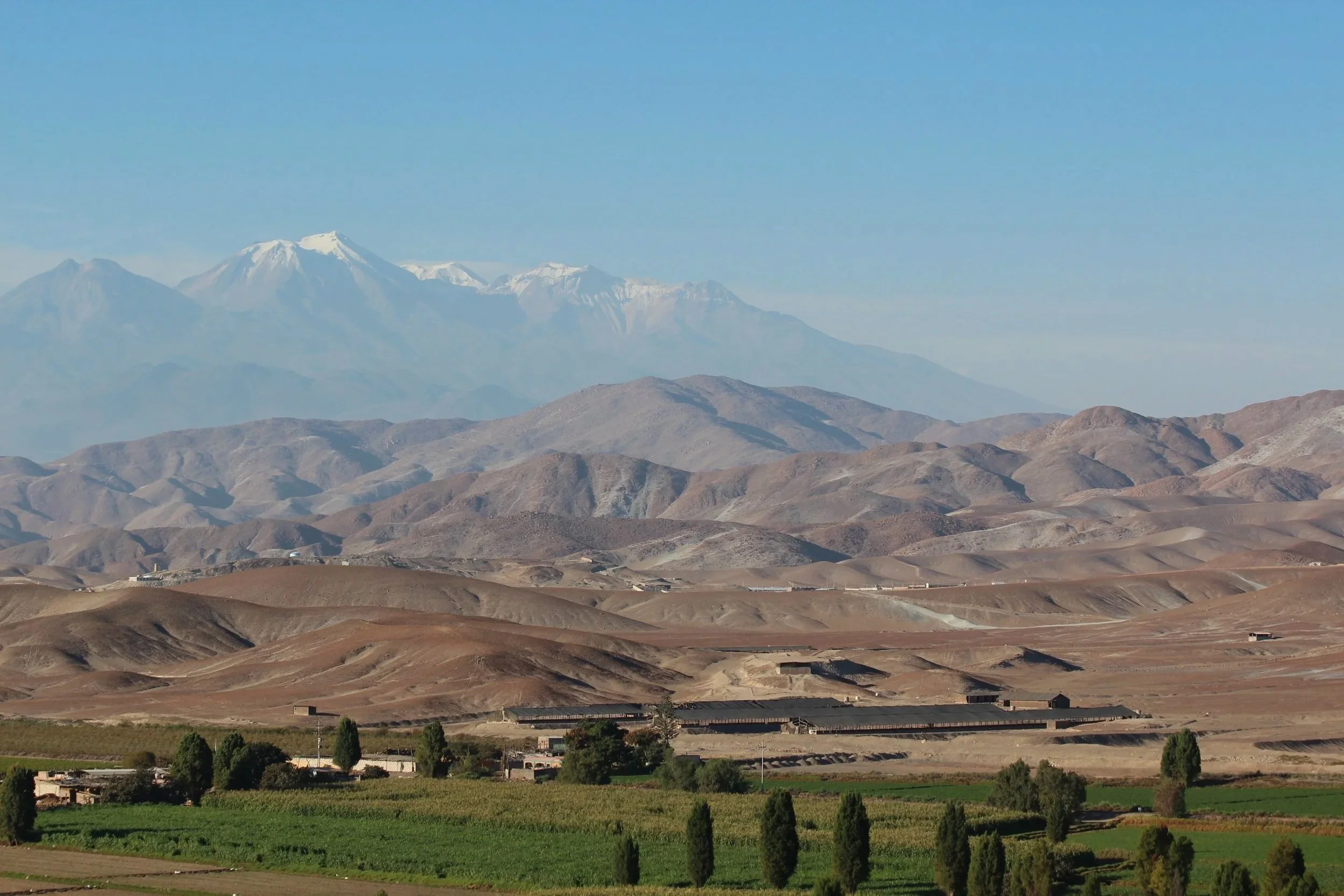
As we approached La Joya there is was. An oasis.
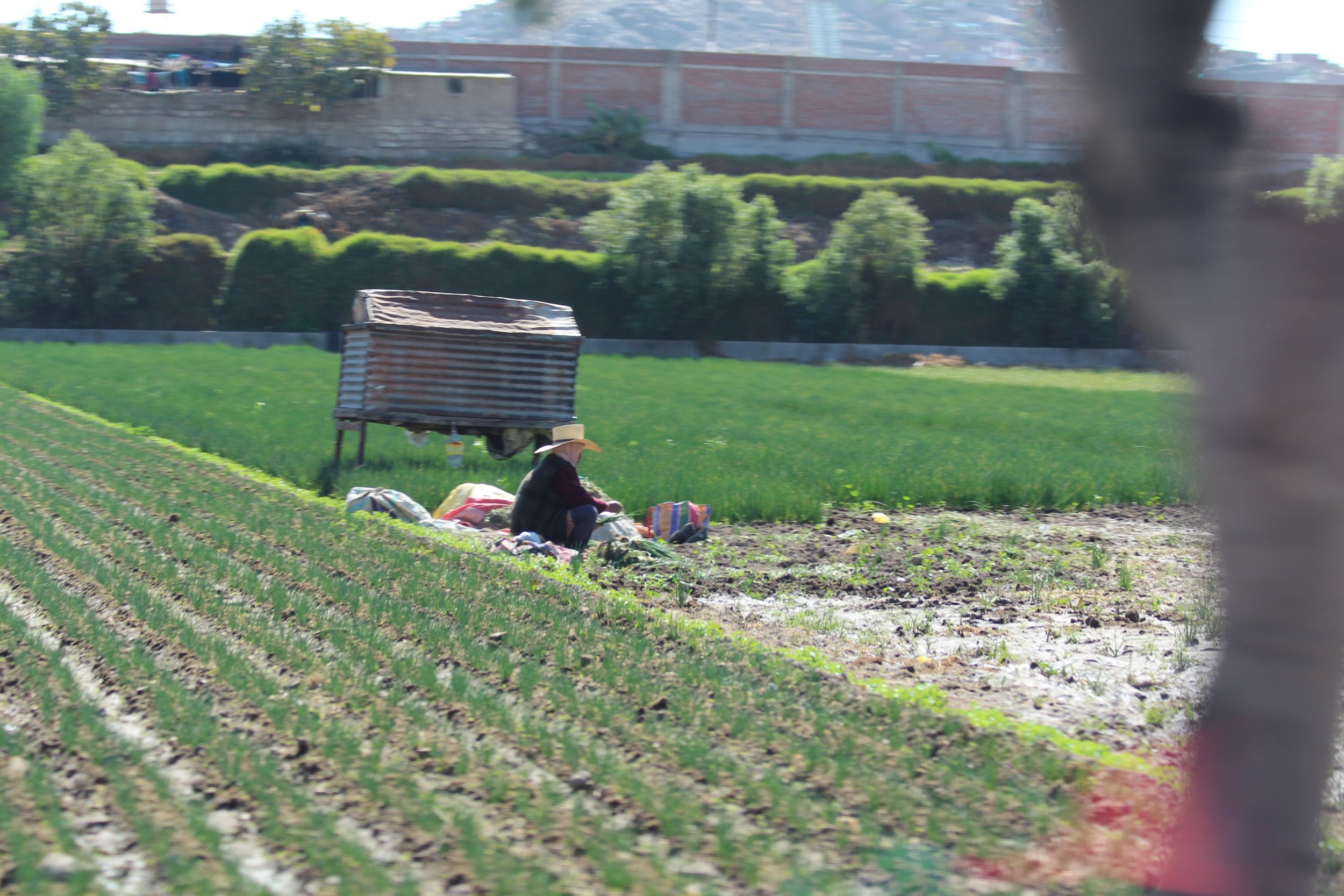
Green. Corn. Trees.
And cactus.
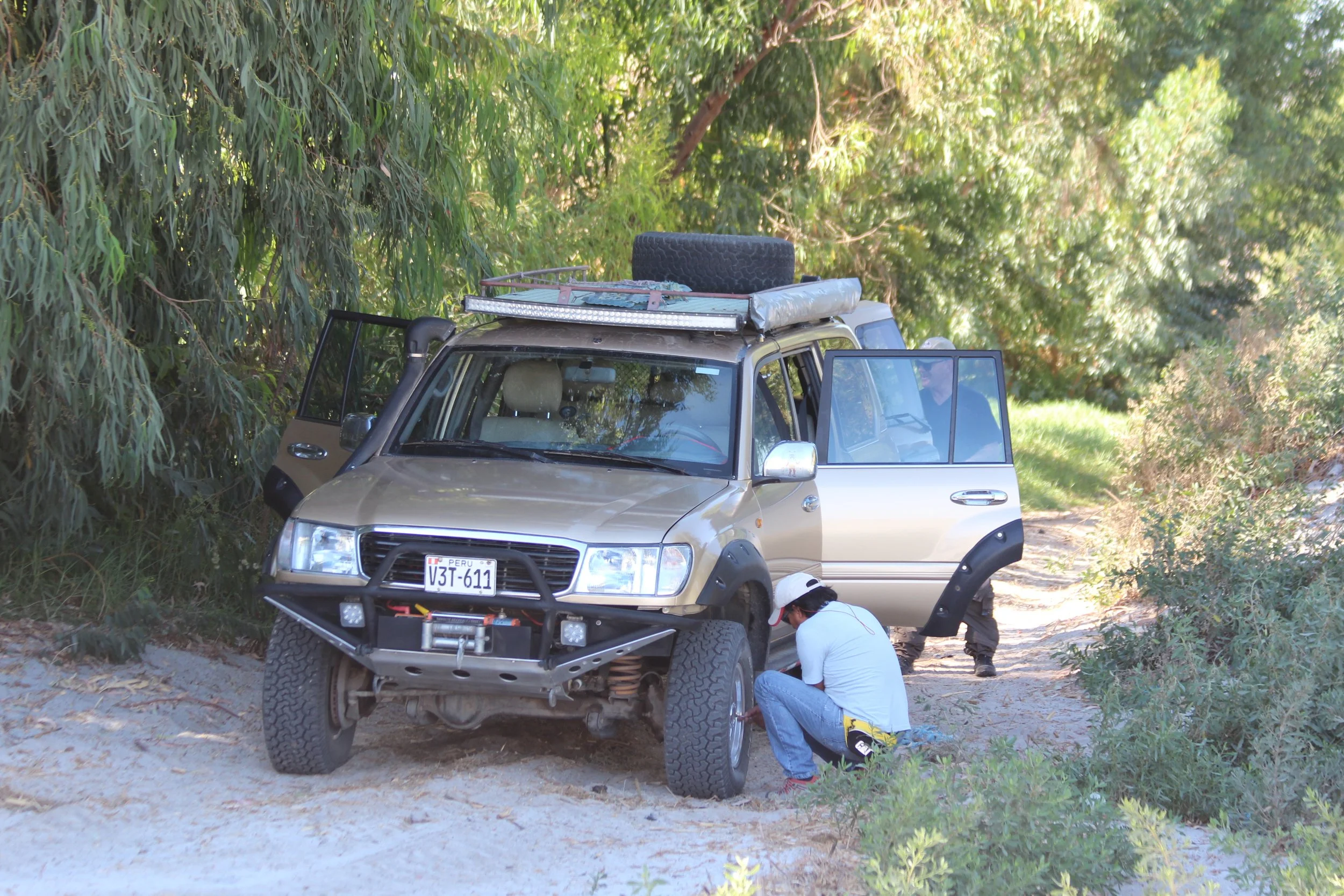
But before we could tackle the dunes, we had to let some air out of the tires—and that’s when Peru threw us another unexpected surprise.
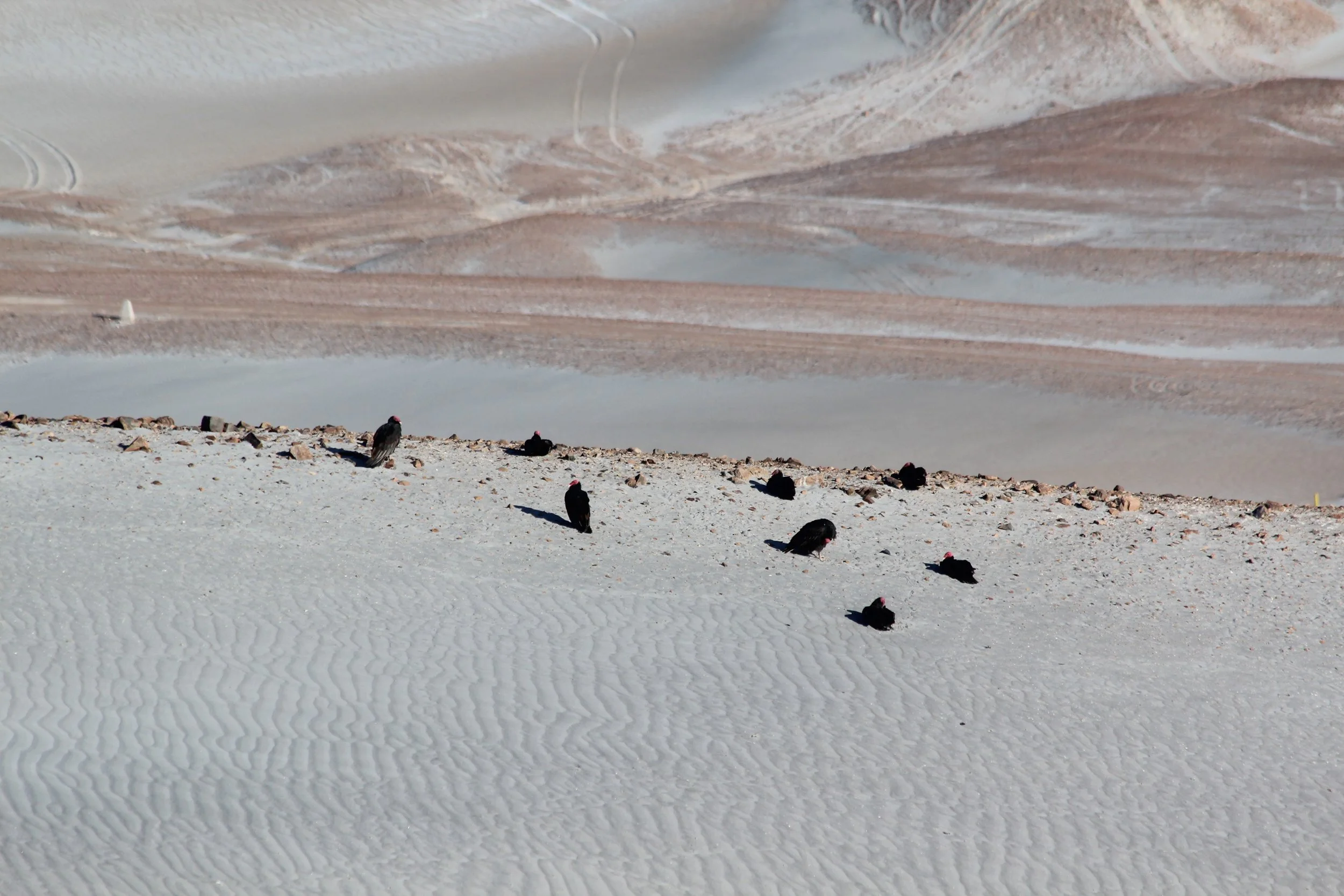
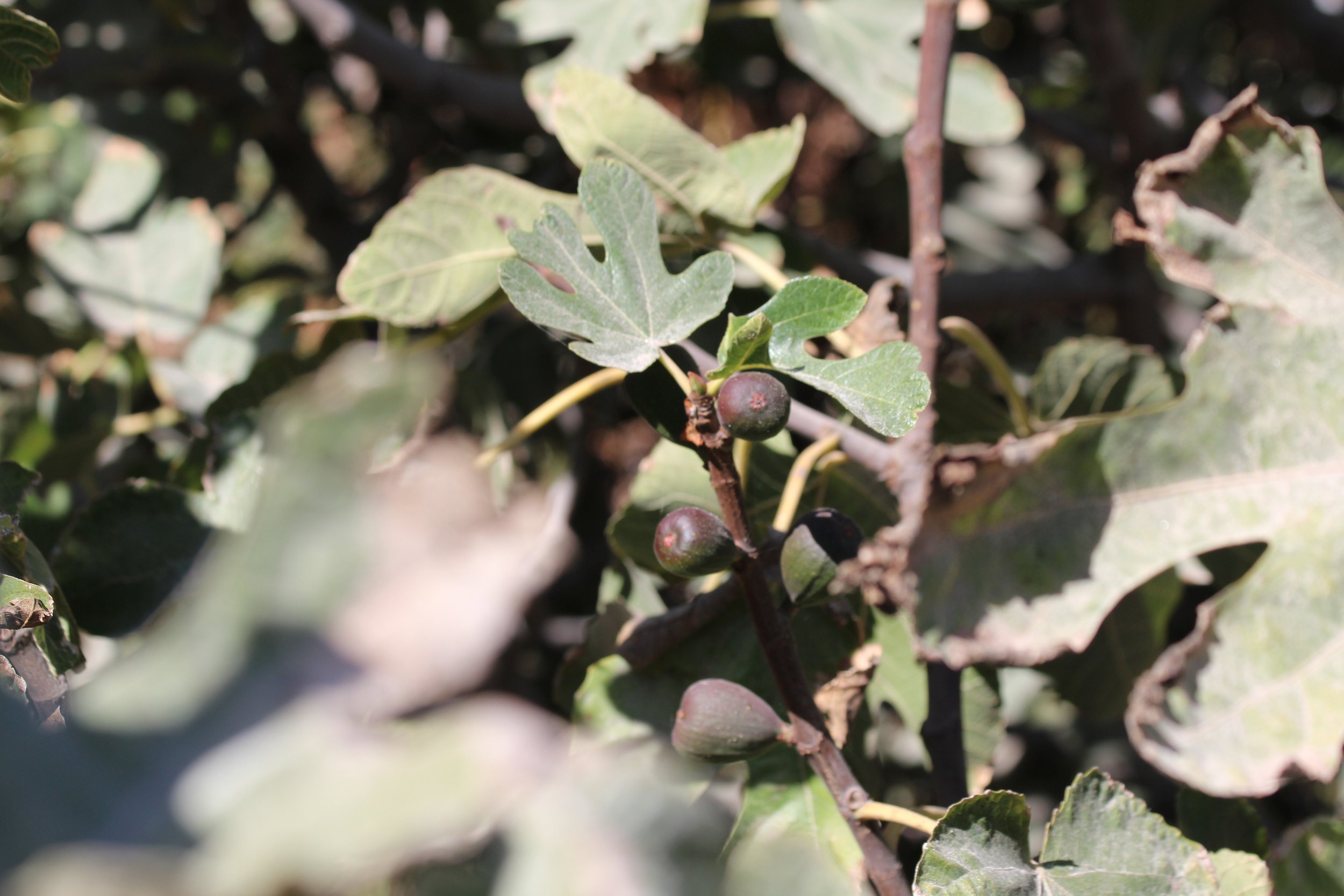
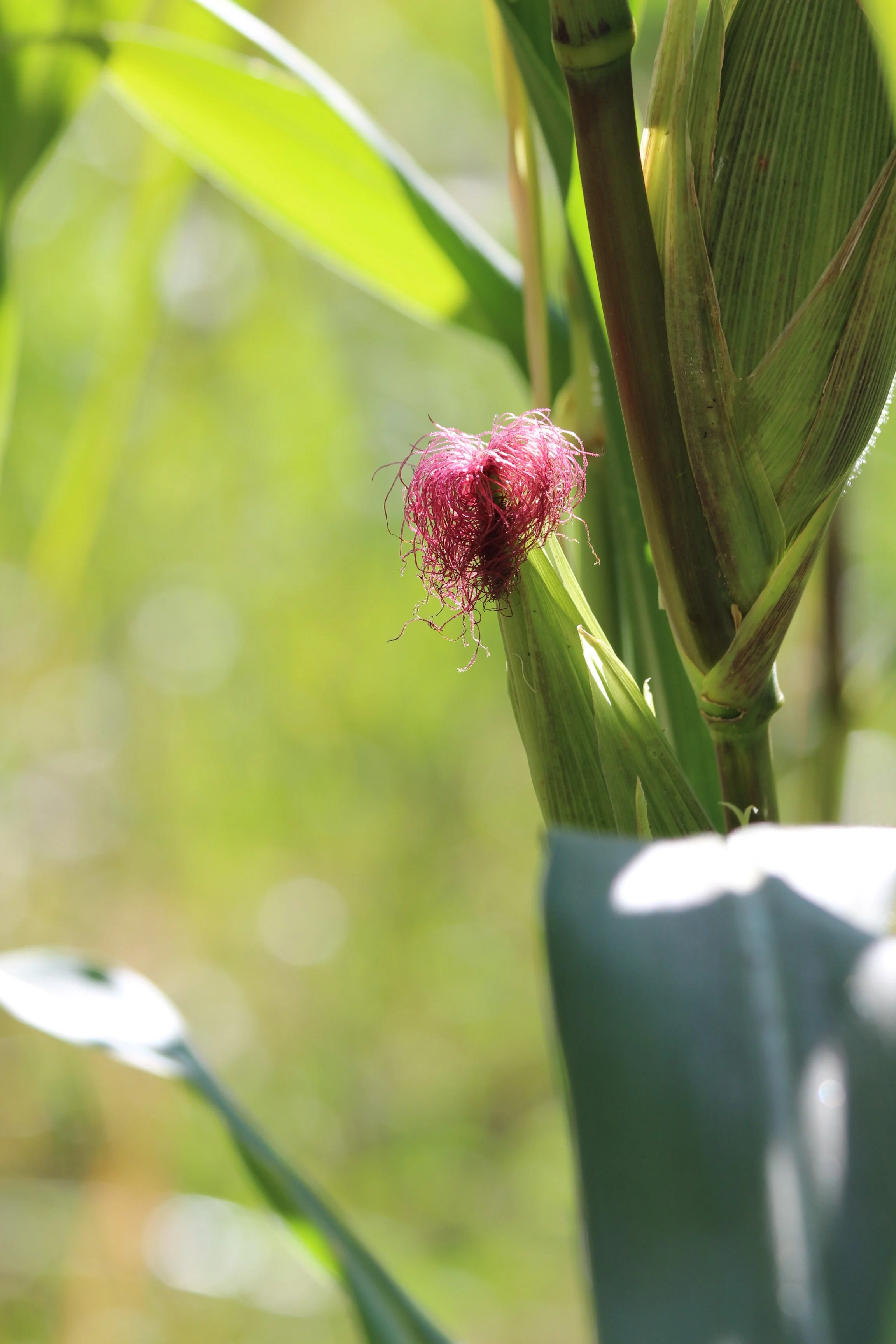
There, at the base of the massive desert dunes, we spotted a cactus. Wild growing figs, pink corn silk and vultures soaring above. What a interesting area.
The ear of corn looked almost like someone had dipped them in pink paint. But this wasn't a decoration. It was corn silk, and the colour is completely natural. Some varieties of corn produce pink, purple or red silk because of plant pigments called anthocyanins
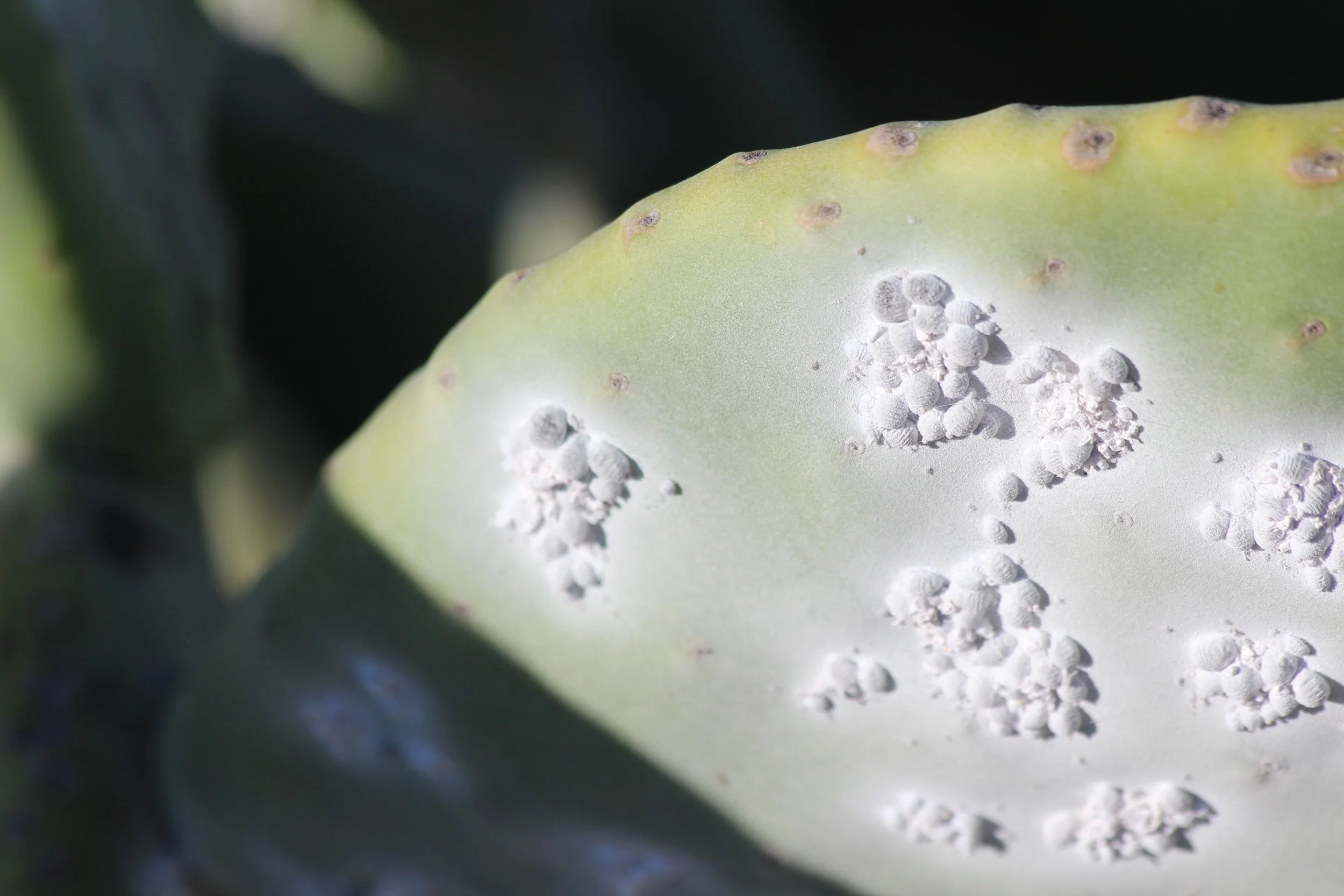
That ordinary-looking cactus turned out to be connected to something extraordinary: one of Peru’s most fascinating natural dyes.
Living on prickly pear cactus is a tiny insect called cochineal. For centuries, Andean communities have harvested these insects, dried them and transformed them into a brilliant crimson-red dye—the colour behind some of the stunning reds found in traditional Peruvian textiles.
Peru is now one of the world’s leading producers of cochineal, and this little insect has become part of a much bigger story about colour, trade, history and ingenuity.
So, while we were supposed to be getting ready to sandboard, we found ourselves standing at the foot of the dunes, looking at a cactus and learning how something so tiny could create one of the world’s most remarkable natural reds.
And that’s one of the things I love about travel. You can have a plan, but sometimes the best stories are the ones you never planned to find.
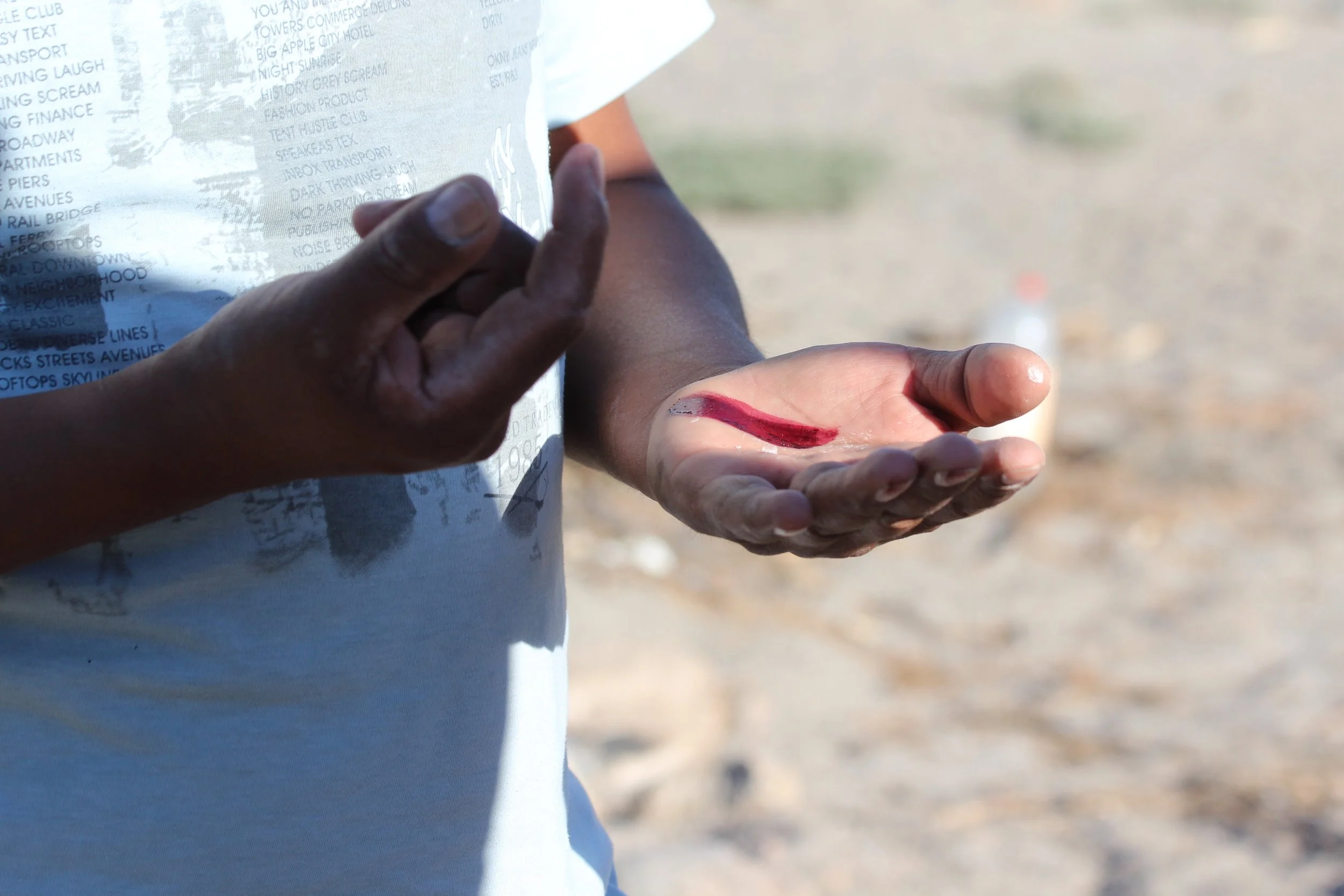
Be Curious…You never really know what lesson is coming next.
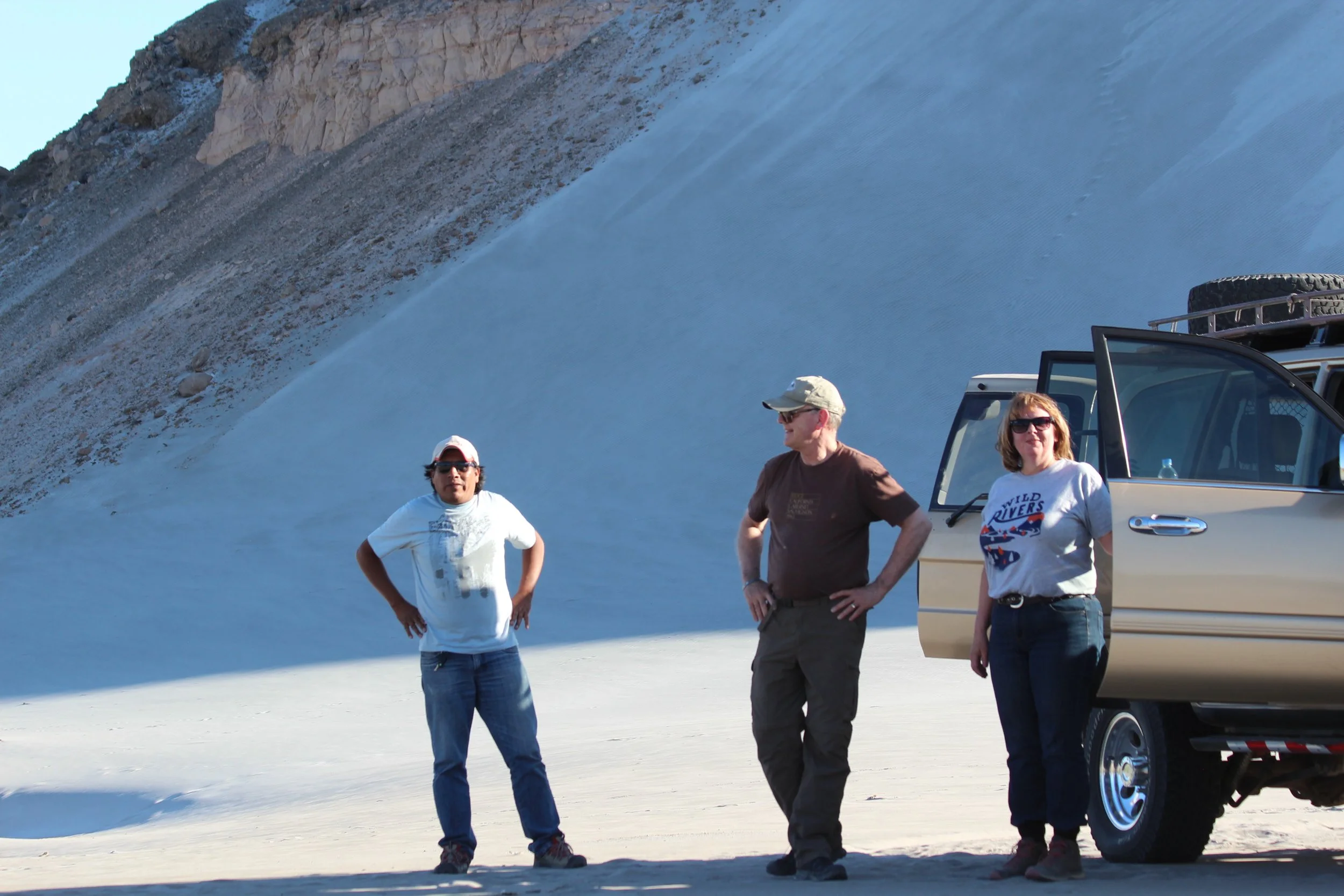
Eventually, we drove up the dunes. And they were enormous. we mentioned we didn’t want to kill ourselves so we choose a middle height.
There are several ways to tackle the sandboarding experience.
I chose the belly-down version.
Because standing upright on a board while racing down a steep sand dune seemed unnecessarily ambitious. and potentially risky.
Quickly I discovered that the more wax you put on the board, the faster you go. BTW wax every run, sand rips the wax right off in one go.
Naturally, I wanted to go faster.
We raced down the dunes, laughing like teenagers. wiping out, sand everywhere. It was a blast.
And honestly?
That’s the part I want to remember.
Not how old I was.
Not whether I looked graceful.
Not whether anyone watching thought this was a sensible activity.
I was having fun.
At any age.
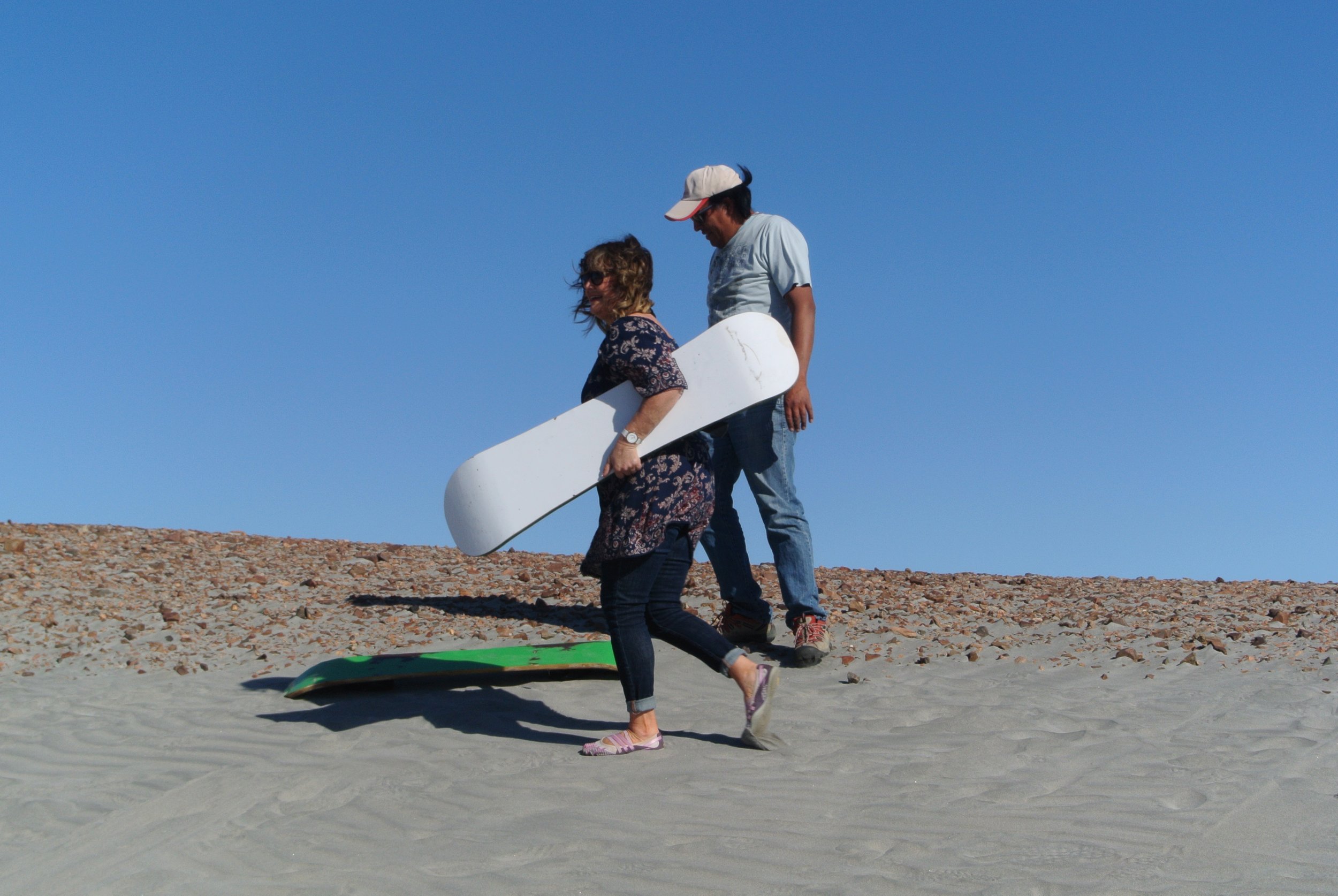
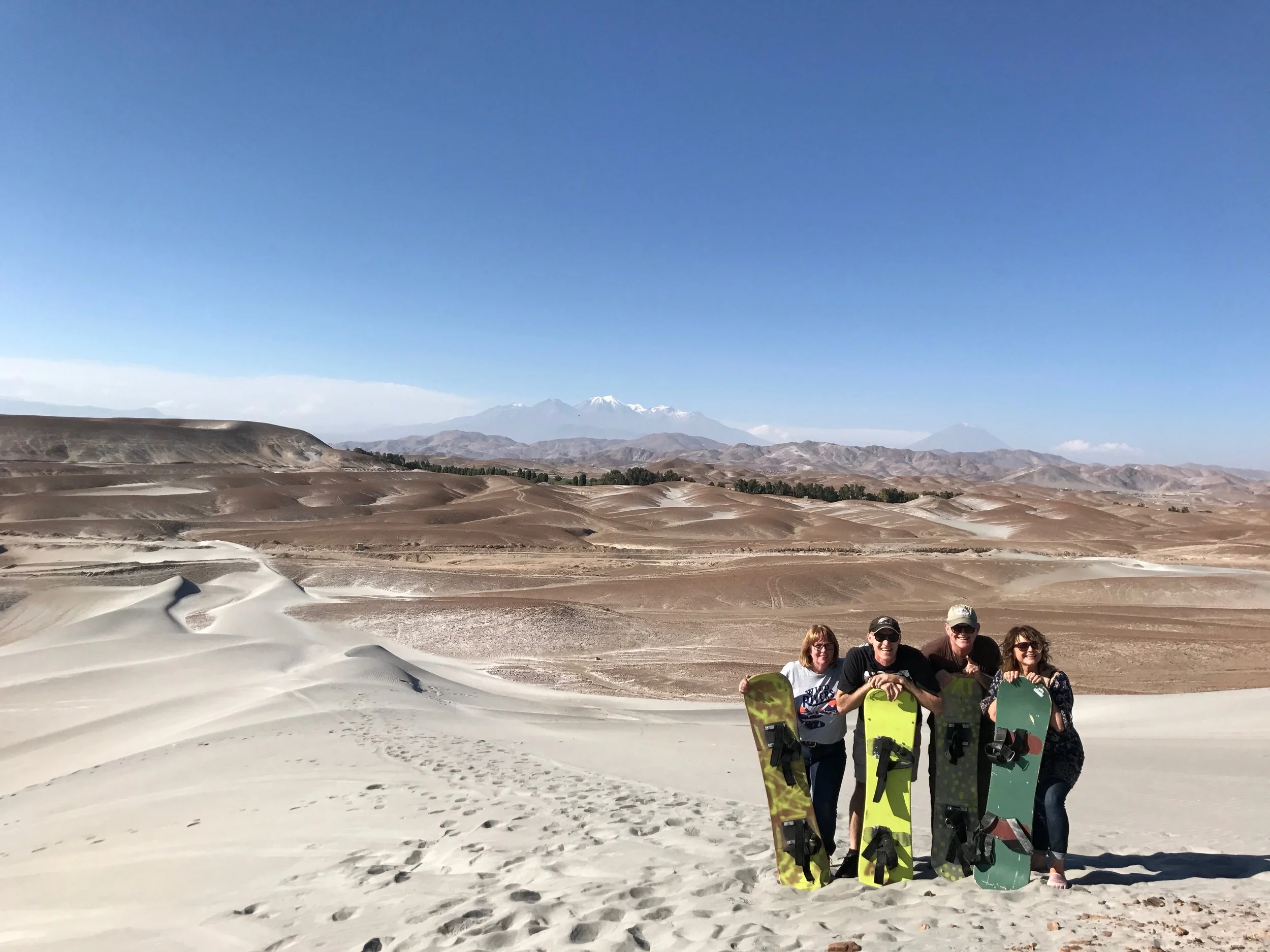
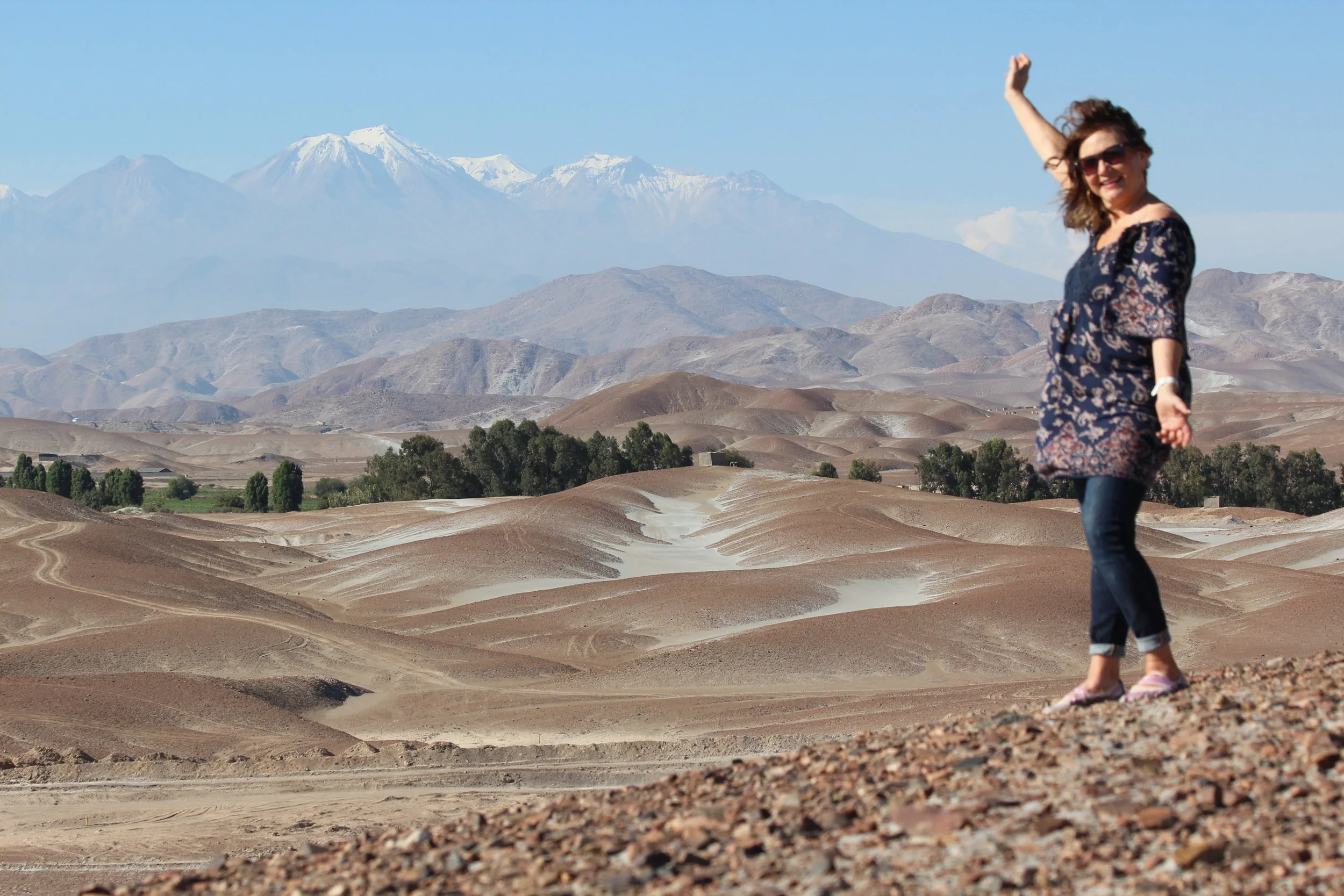
Excuse the grunts LOL. Here is the Video Link of sandboarding https://youtu.be/MgrFy-yRQVg
Just another reason why we need to take care of our health so we can enjoy our time on earth.
At some point, we have been taught that getting older means stopping being more sensible, more predictable.
That adventure belongs to younger people.
That at a certain age you should know better.
I’m not buying it.
Maybe the point isn’t to act your age.
Maybe the point is to keep having experiences that make you forget what your age is.
As the sun started dropping, the desert took on a completely different personality. The light stretched across the dunes, the mountains and volcanoes sat in the distance, and for a moment everything went quiet.
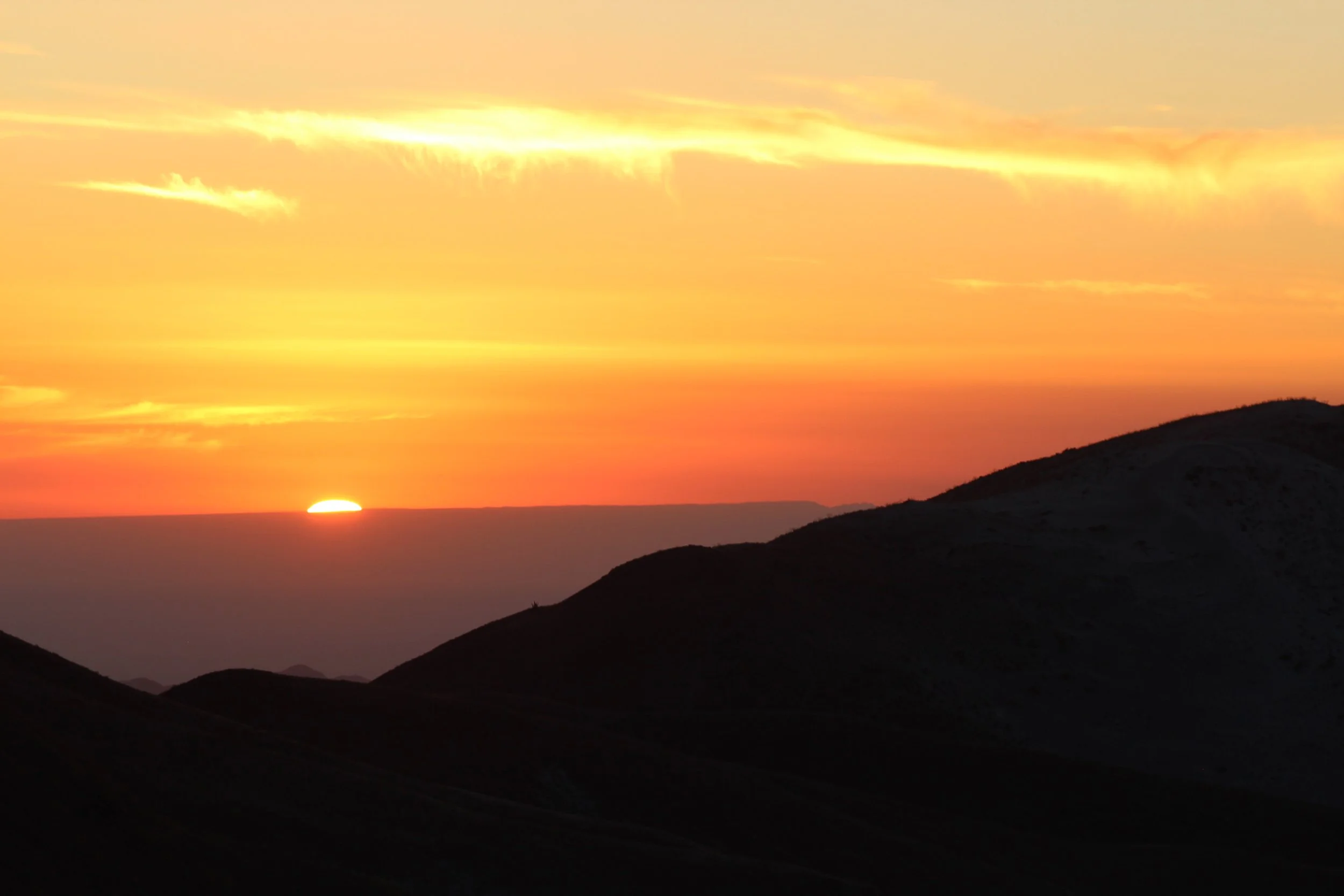
I remember thinking how strange it was that this wasn’t even supposed to be the main event.
I had come to Arequipa for a train.
Instead, I had eaten guinea pig, wandered through centuries of history, opened mysterious doors, met Juanita, watched a master textile artist weave thread by thread, learned about a tiny insect that produces red dye and thrown myself down a sand dune.
And I hadn’t even boarded the train yet.
That was the moment I realized something about travel that I keep learning over and over again.
The destination isn’t always the story.
Sometimes the detour is the story.
Sometimes the thing that goes wrong is exactly what sends you somewhere better.
Sometimes “sold out” is simply an invitation to find another way.
And sometimes the best memories are the ones you never planned.
Arequipa gave me all of that.
It gave me history and food, architecture and culture, adventure and a little bit of insanity.
It reminded me that travel isn’t about proving how many places you’ve been.
It’s about being willing to open the door.
To say yes.
We need to laugh until our stomachs hurt, eat something we’ve never tried, get a little lost, learn something new and occasionally do something that makes our friends look at us and say, “Are you sure about this?”
Yes.
I’m sure.
Because life isn’t a rehearsal.
And the train was still waiting.
We just had a whole lot of Peru to experience before we climbed aboard.
And that train?
Well, that’s another story entirely.