If Day 1 was about discovering the extraordinary world of the Incas, Day 2 was going to take us a little deeper. We were about to discover how they lived, what they grew, how they created those incredible textiles and, of course, what they drank.
And believe me, there were a few surprises along the way!
Urubamba: Our little home in the Sacred Valley
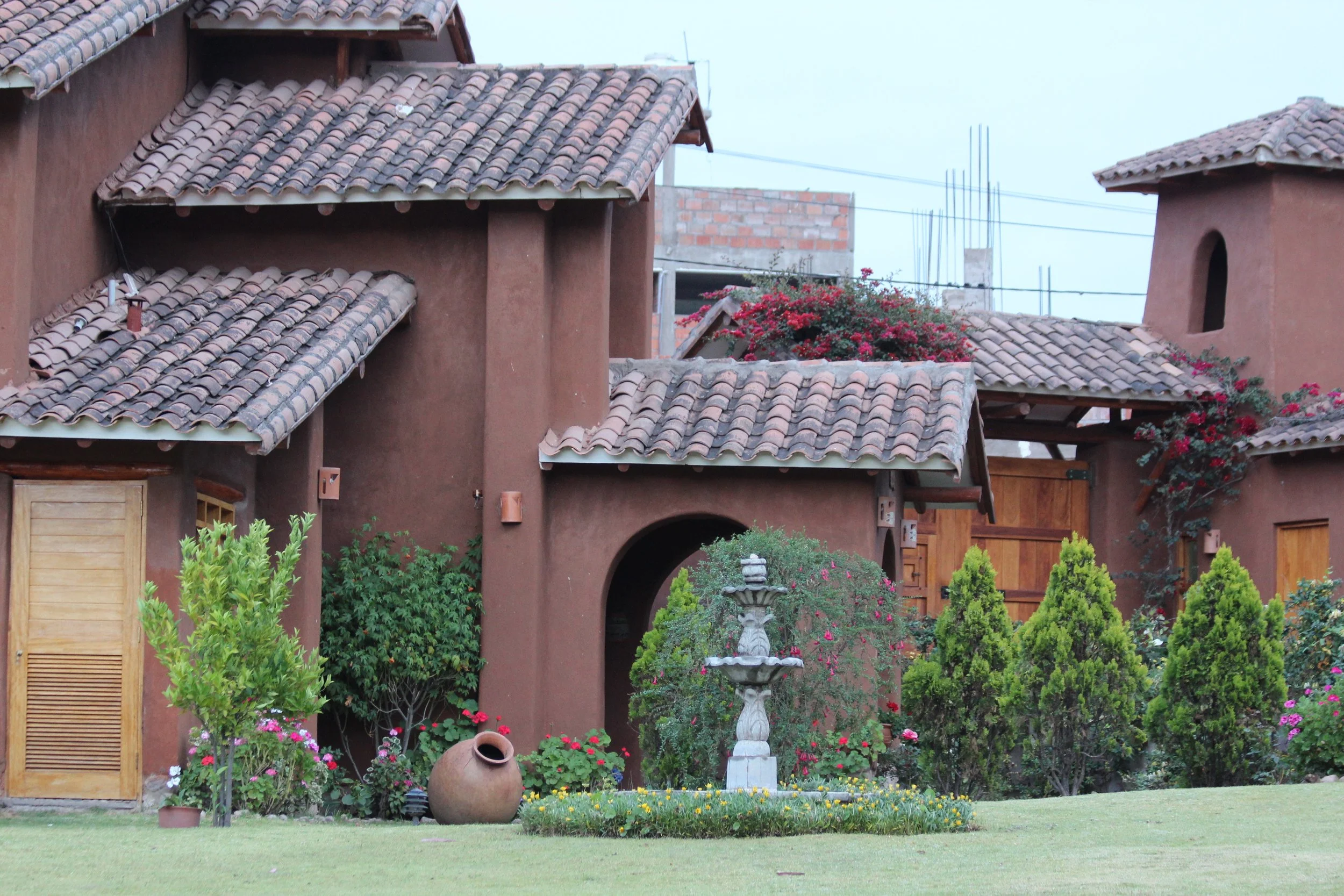
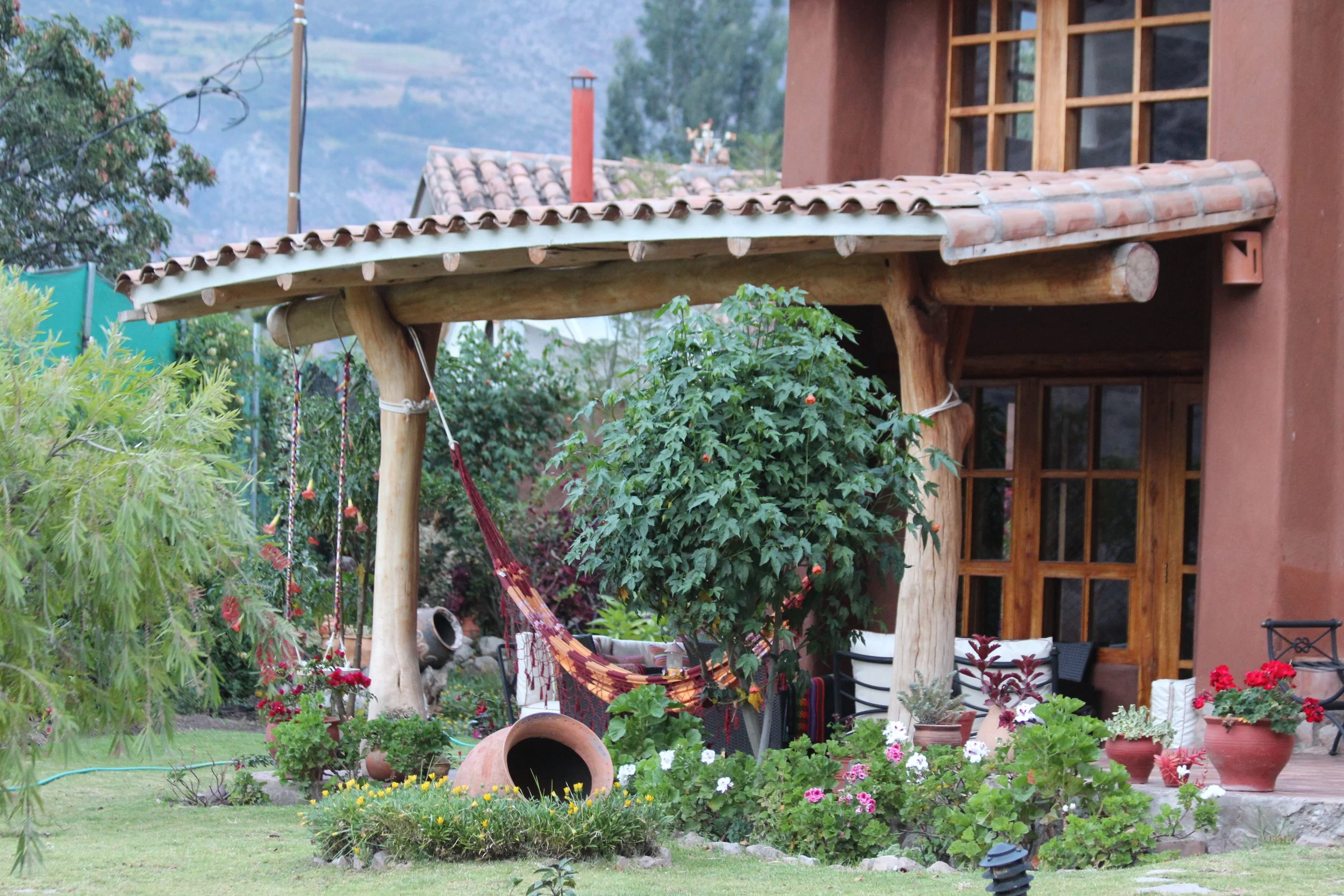
After our roadside encounter with guinea pig on a stick (yes, that really happened!), it was time to call it a day and head to our home base in Urubamba.
We had booked Villa Tayta, a lovely property with room for up to 12 people. Our plan was to stay for 3 days even though we wouldn't be spending every night there. Price was much lower than Cusco but you will need transportation.
Once we had dropped our bags, I had another mission.
FOOD.
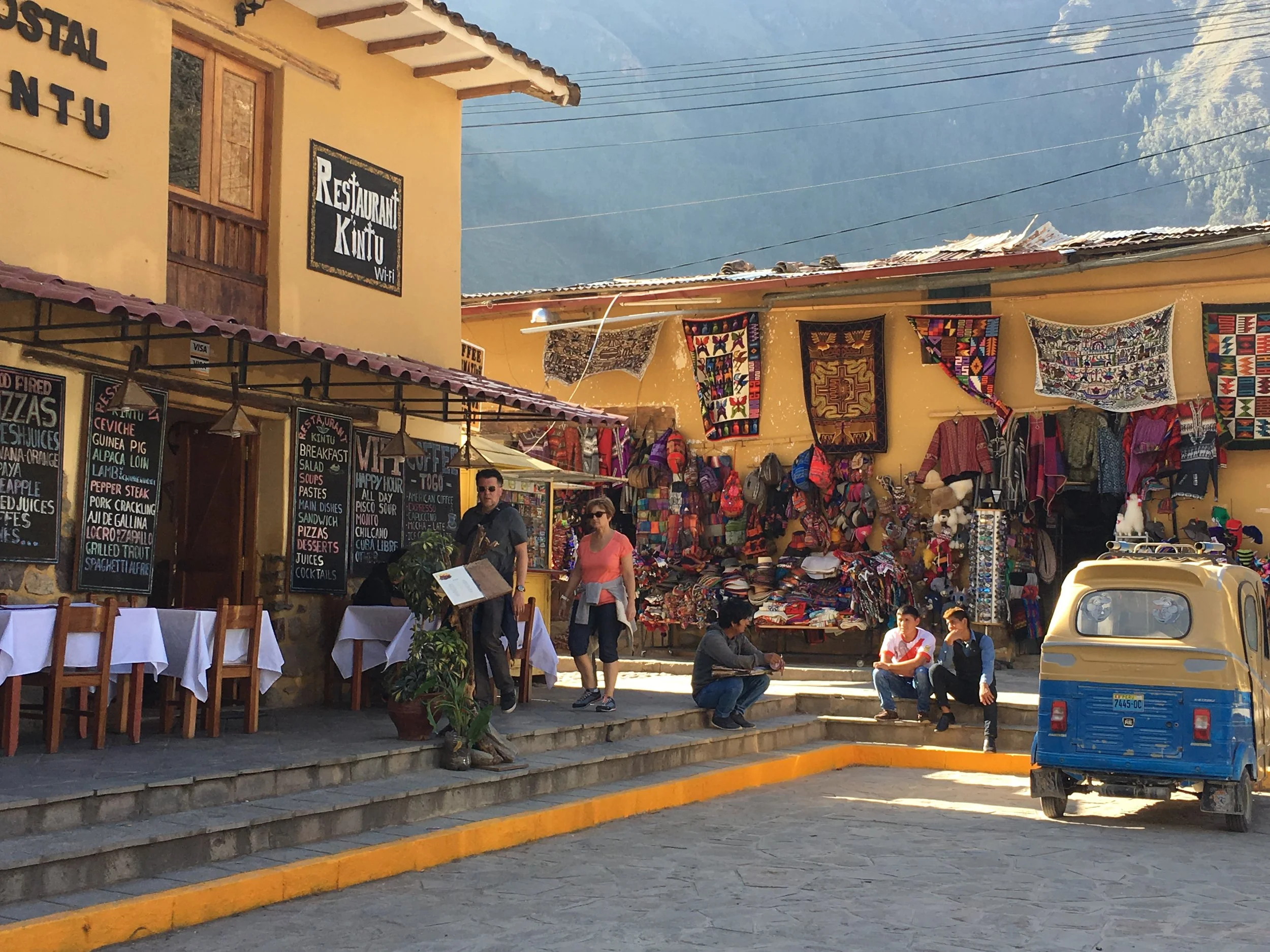
I wanted to get snacks for our tours. the day. We found a Tuk Tuk and were were off to look for a particular variety of quinoa, preferably one with a higher protein content. Food is always part of my travel experience, and I love discovering ingredients that are unfamiliar to me. You never know what might inspire the next recipe back home.
There was just one little obstacle.
Communication! (here is a video of the challenge)
My Spanish wasn't going to get me very far, and English certainly wasn't going to help. Some of the vendors spoke Quechua, the traditional Indigenous language of the Andes, rather than Spanish.
So there I was, pointing, smiling, gesturing and doing my best international sign language impression.
Somehow, it worked!
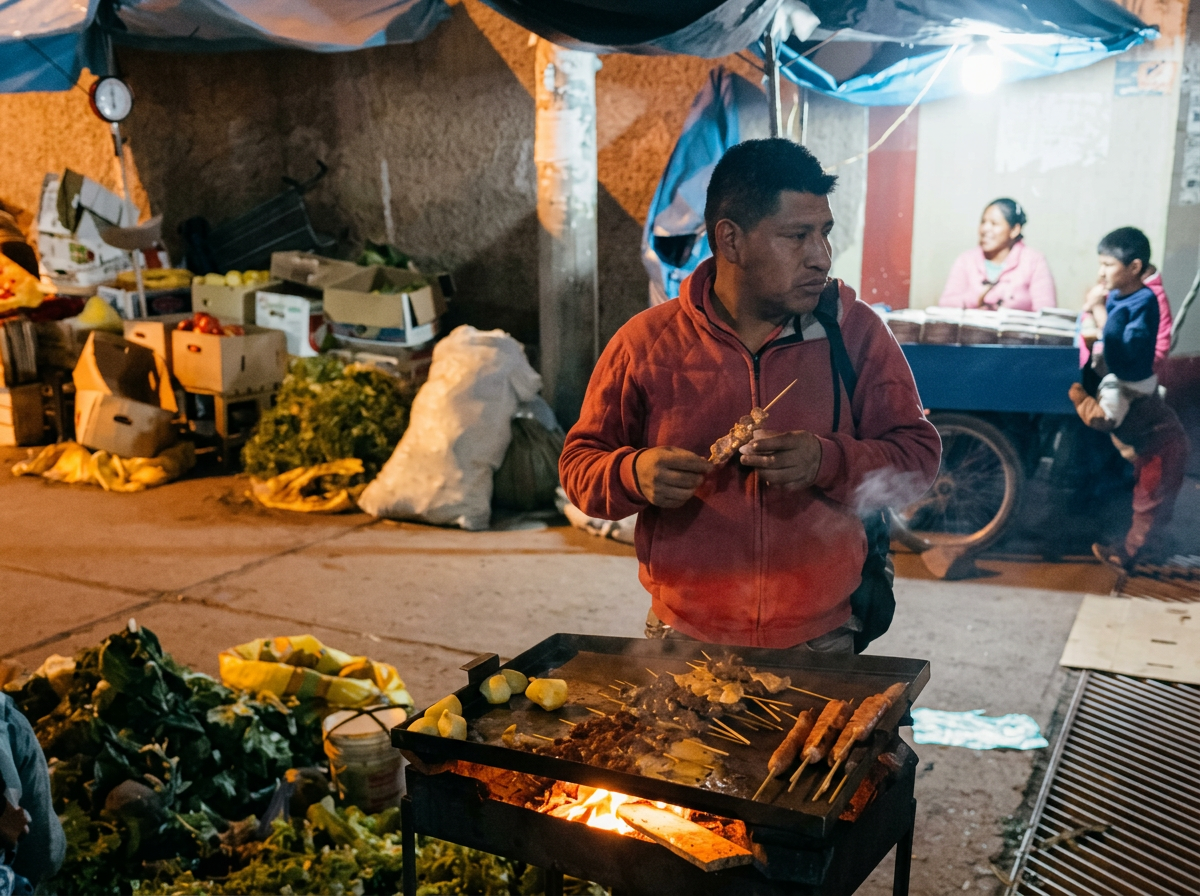
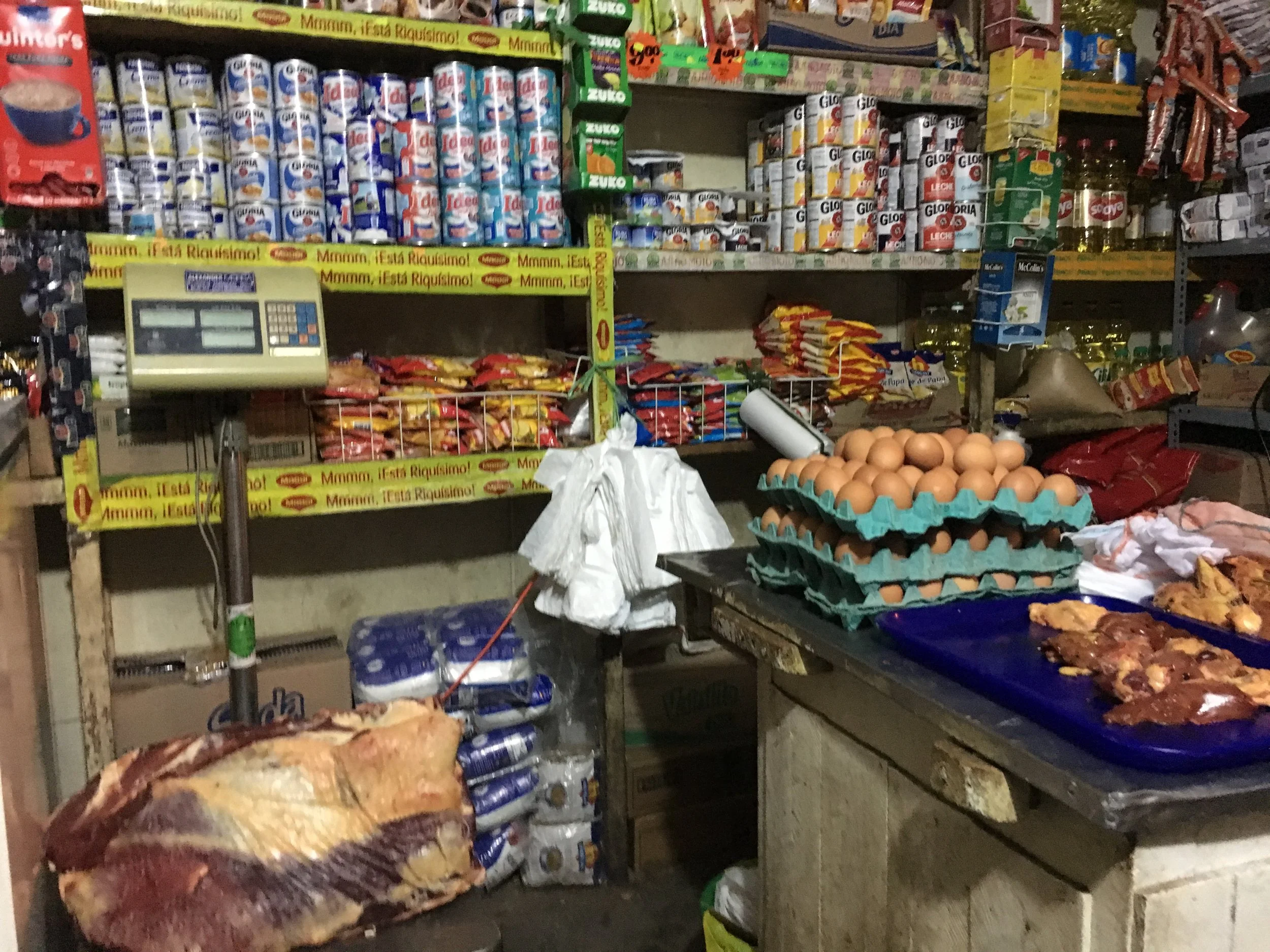
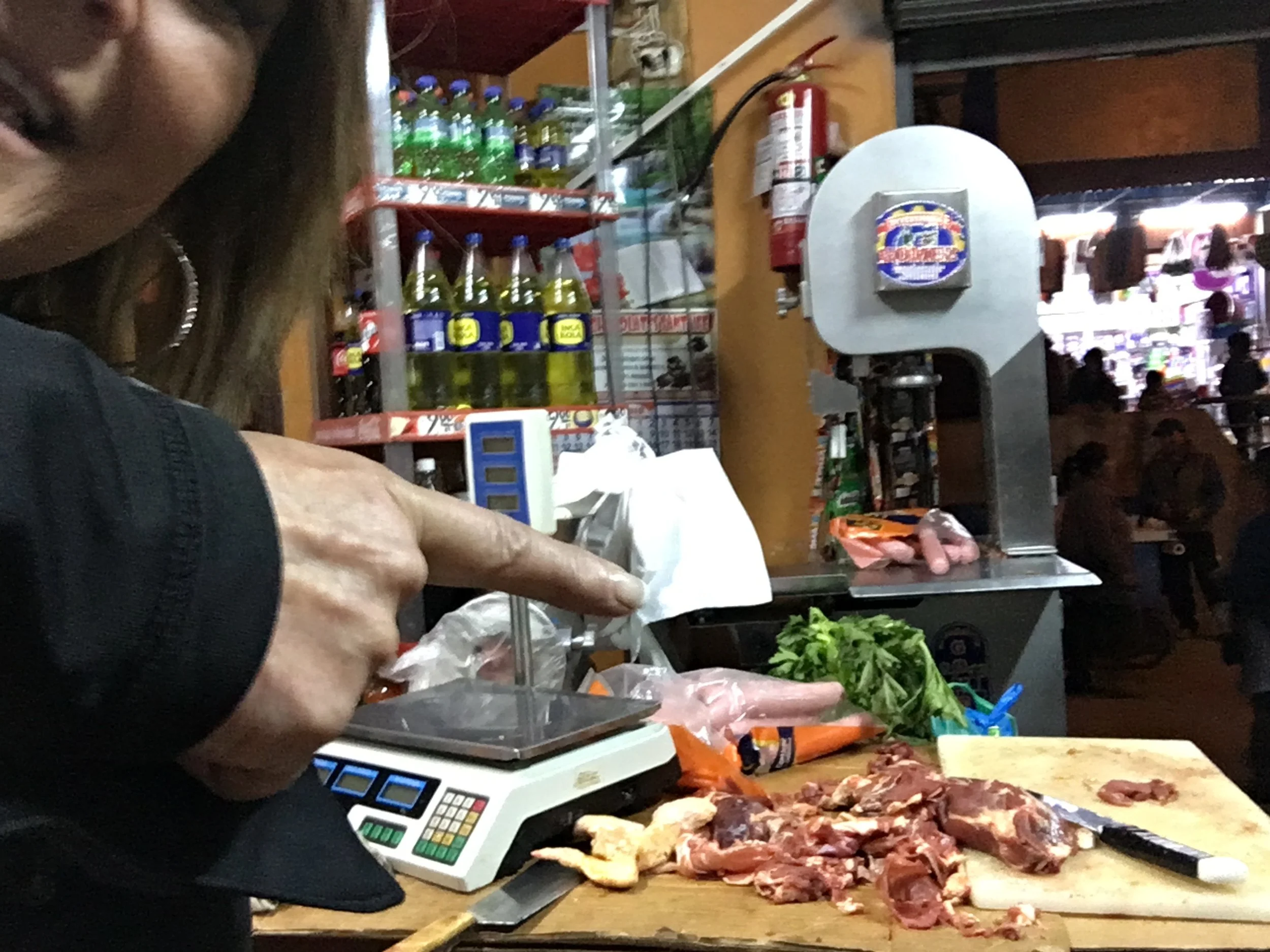
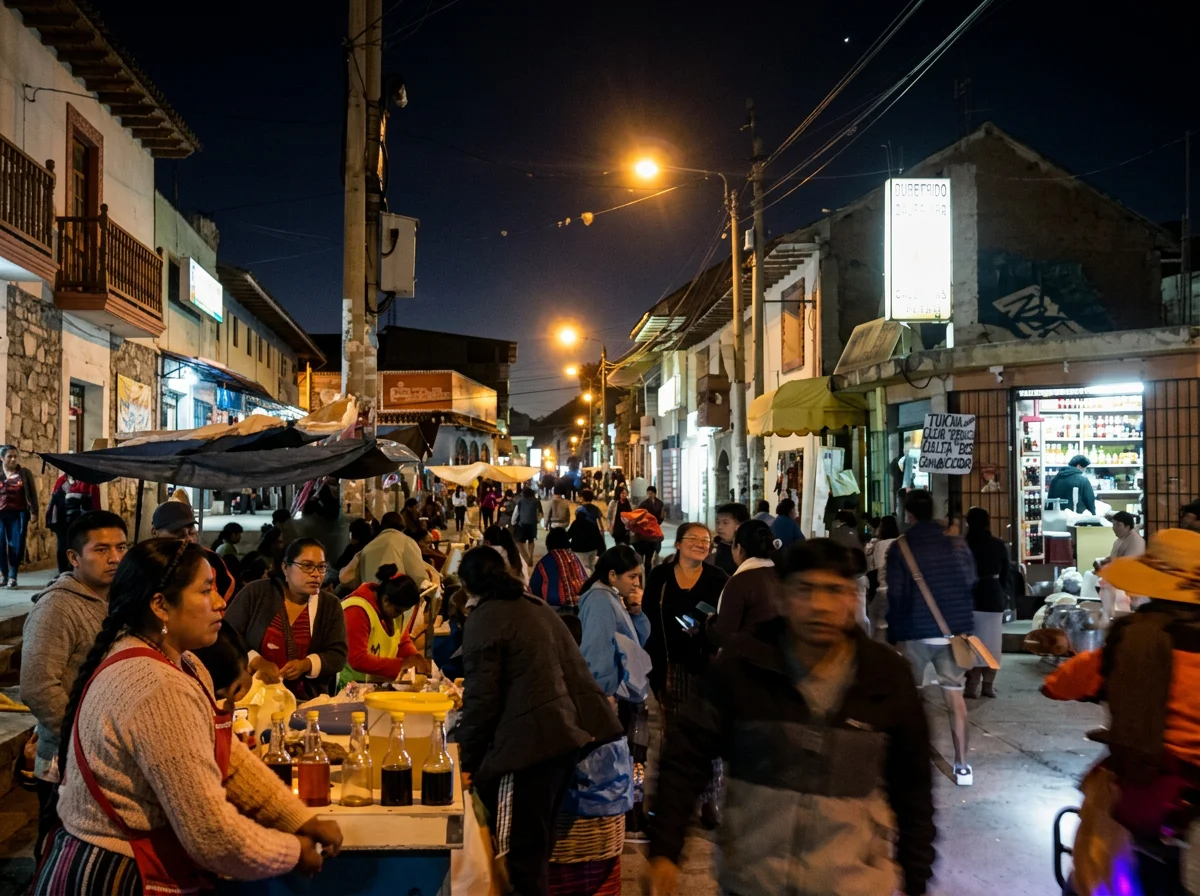
I managed to come away with a few treasures, including some interesting local ingredients. I love these little encounters because they remind you that travelling isn't just about seeing somewhere new. It's about finding ways to connect, even when you don't share a language.
The market was particularly busy as evening approached. Lighting was limited, and I was mindful that not every stall had refrigeration. I was selective about what I purchased, sticking to produce I could wash and prepare safely rather than taking chances with foods that needed to remain chilled.
With our purchases in hand, we hopped into a tuk-tuk and headed home.
Our housekeeper had thoughtfully lit a fire in our indoor fireplace After a full day of exploring, it was exactly what we needed. Feet up, fire glowing, and a little time to relax. A wine in hand and cookbooks to flip through. … This is the life!
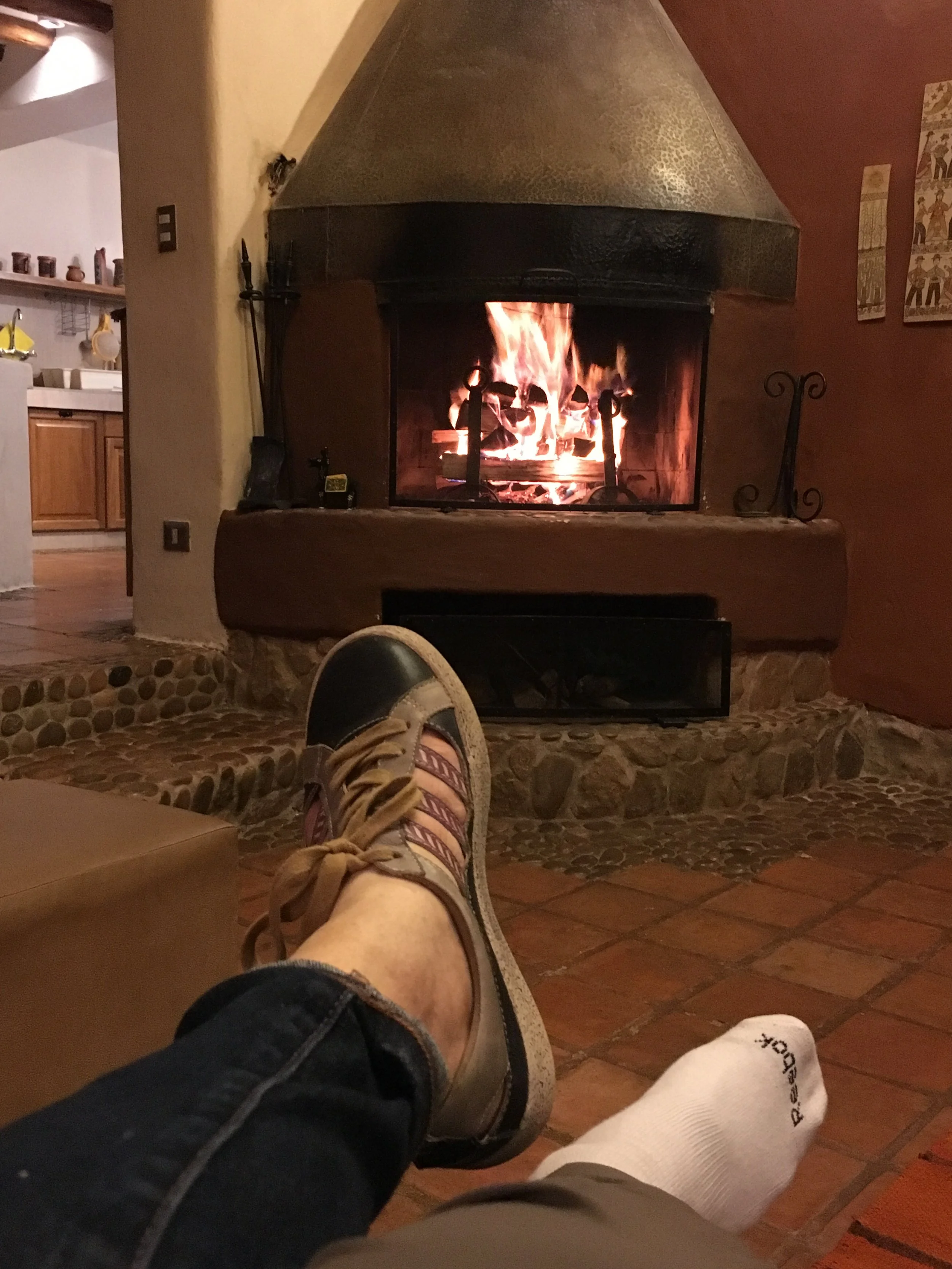
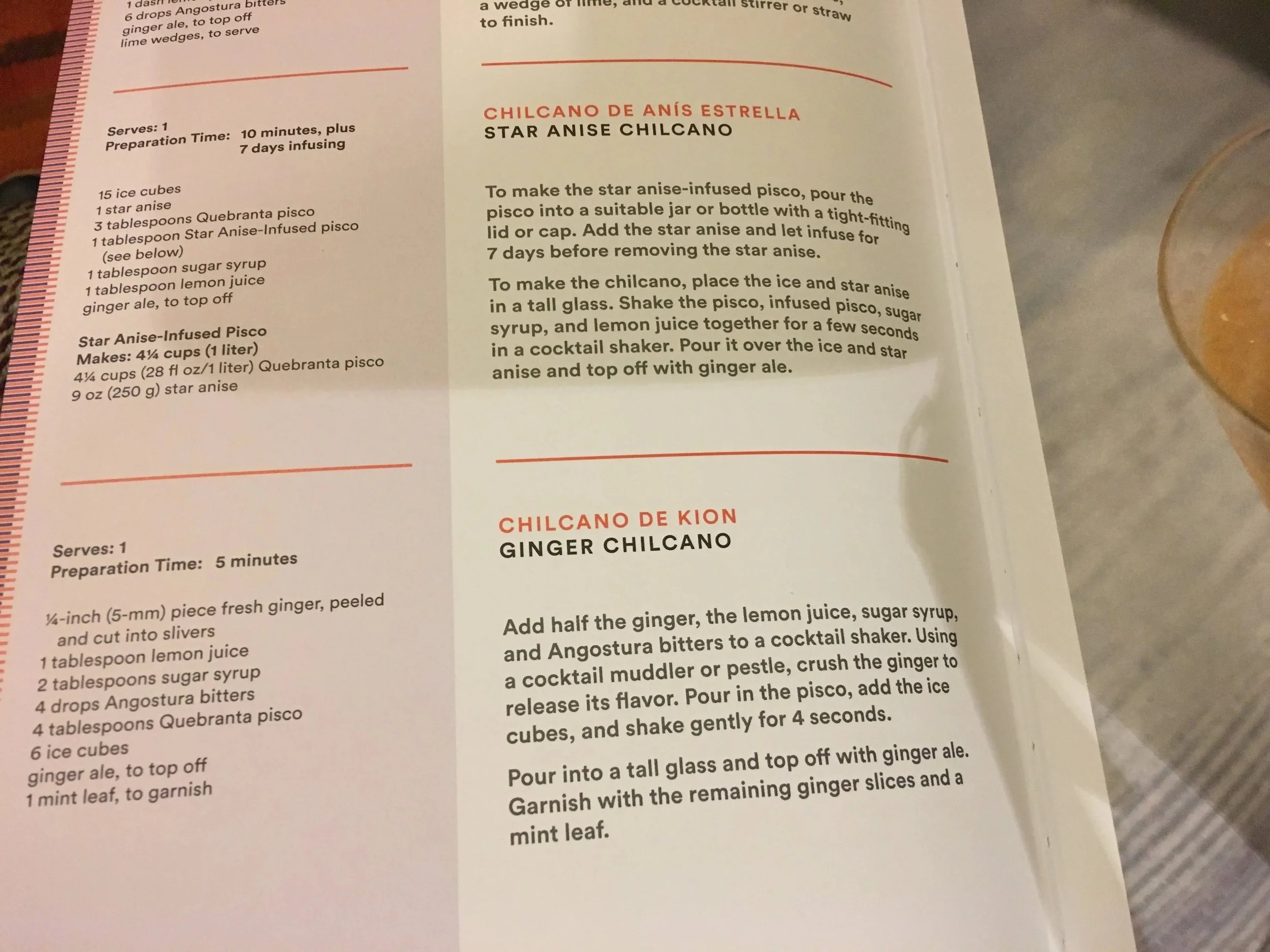
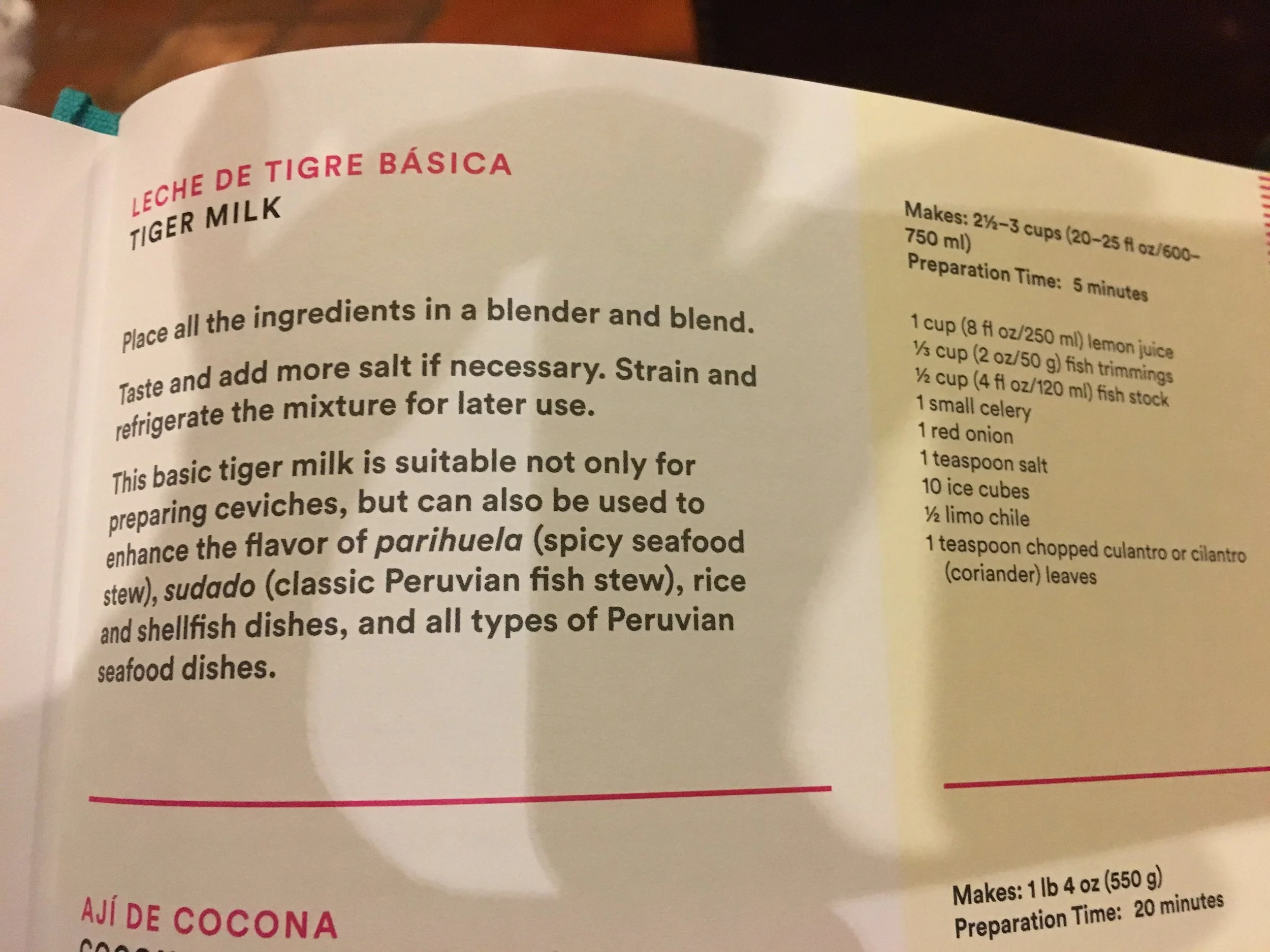
Tomorrow's adventure list was already growing!
There was one place on my Peru bucket list that I was particularly excited about: Chinchero.
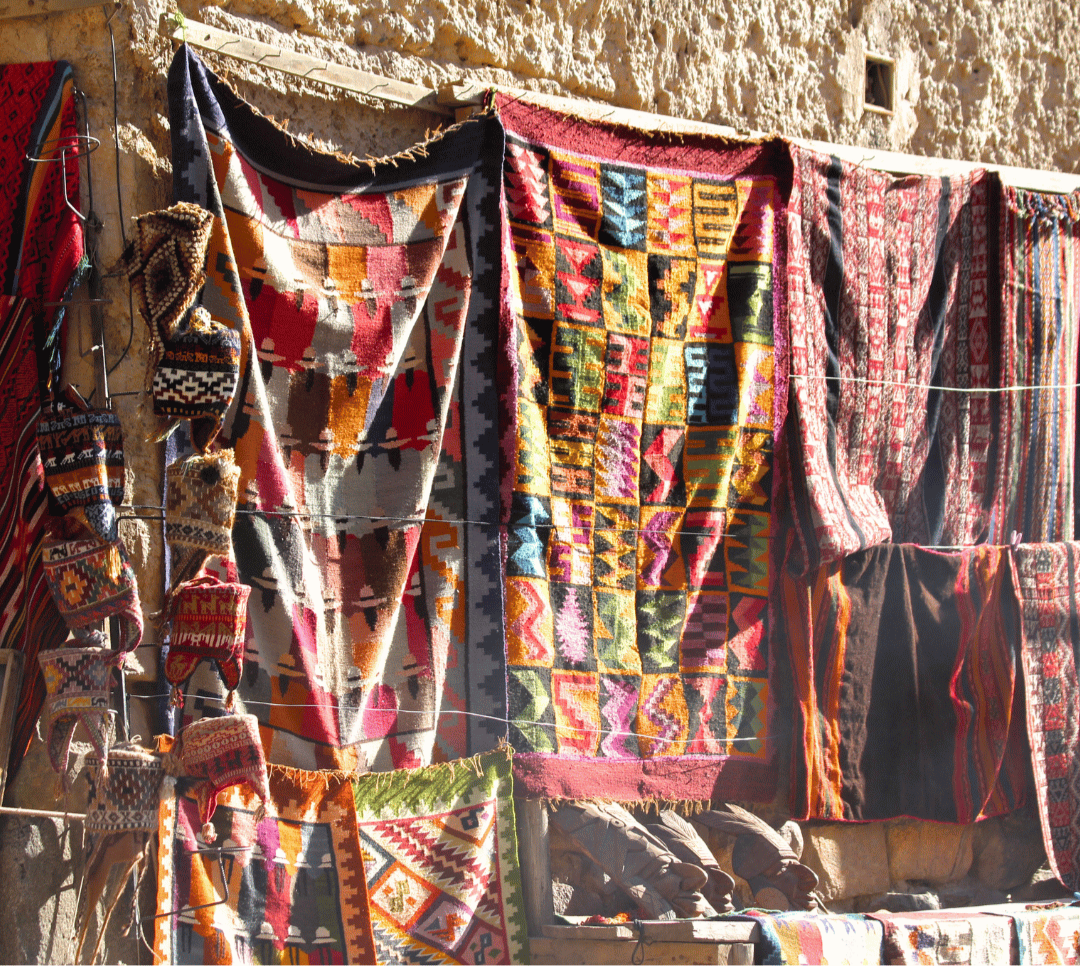
As we travelled through the rural communities with our guide, we passed women tending sheep and people going about their daily routines. The traditional clothing was everywhere: colourful layered skirts, red cardigans and those distinctive hats that seemed to tell their own stories.
Chinchero is particularly well known for its traditional textile heritage, and I was looking forward to seeing how these beautiful fabrics were made.
We visited a local textile centre where the women welcomed us with demonstrations of dyeing and weaving techniques.
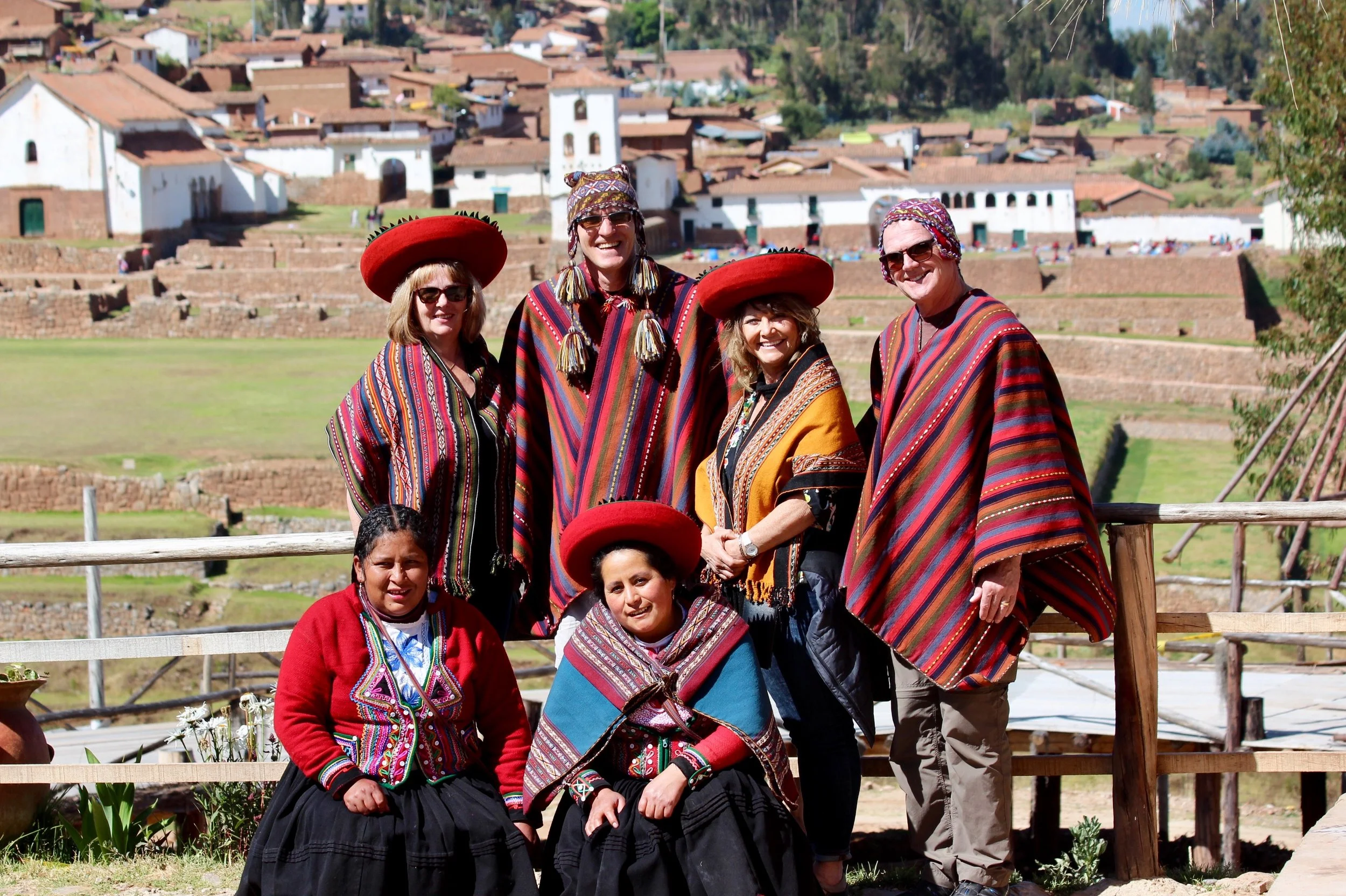
Was it commercialized? Absolutely. But that didn't take away from my appreciation of what we were seeing. I was there to learn, and these women had a wonderful story to share.
They were beautifully dressed, incredibly welcoming and happy to demonstrate their craft. There was even a little dancing and entertainment along the way.
Watching the women turn loose wool fibres into yarn using a simple wooden spindle was fascinating.
To actually see how colour is created with natural ingredients and yes - they had RED - remember the sand boarding in Arequipa? Well here is the cochineal insect actually being crushed for dye. It's quite remarkable when you think about it. Something so tiny produces such a powerful colour.
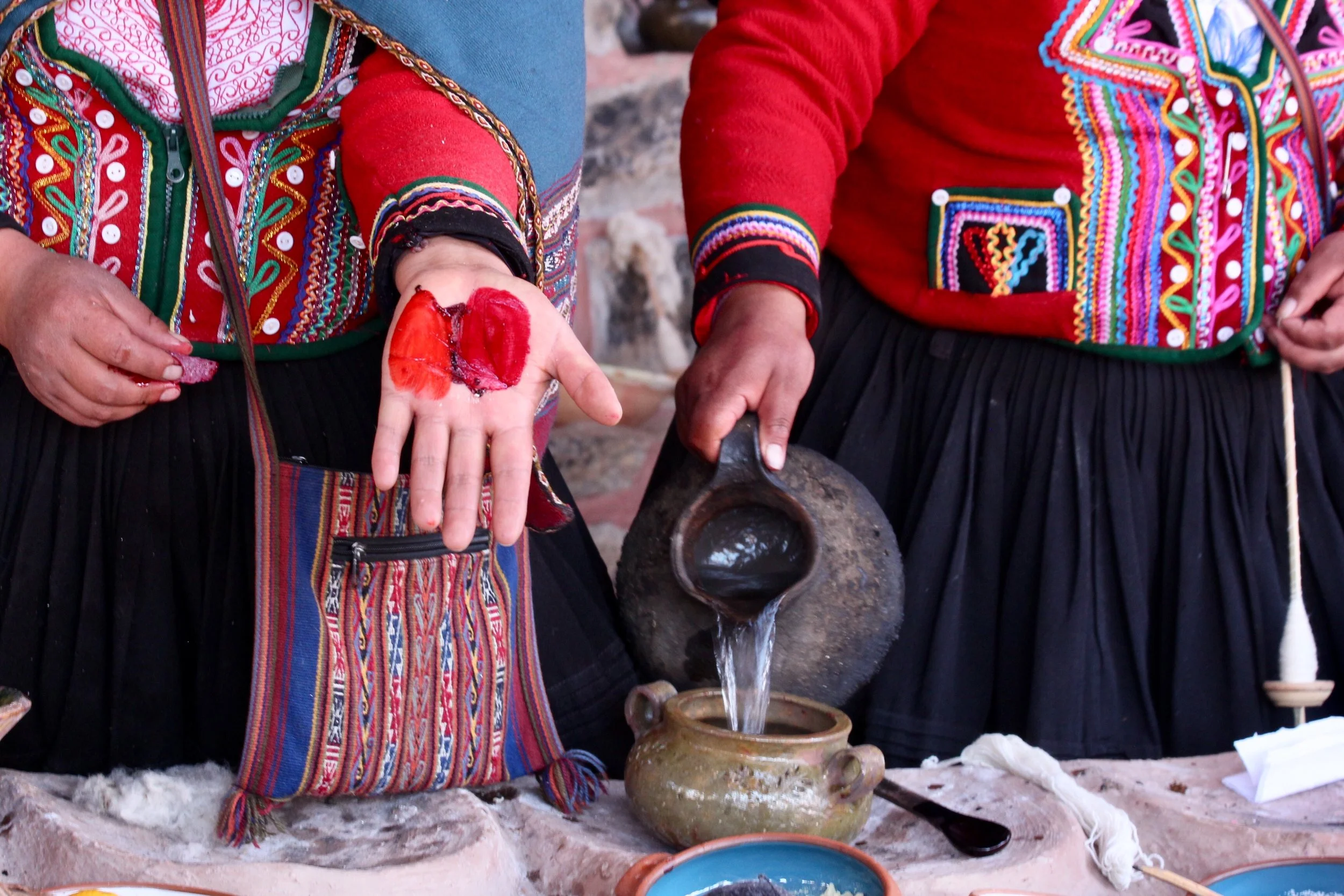
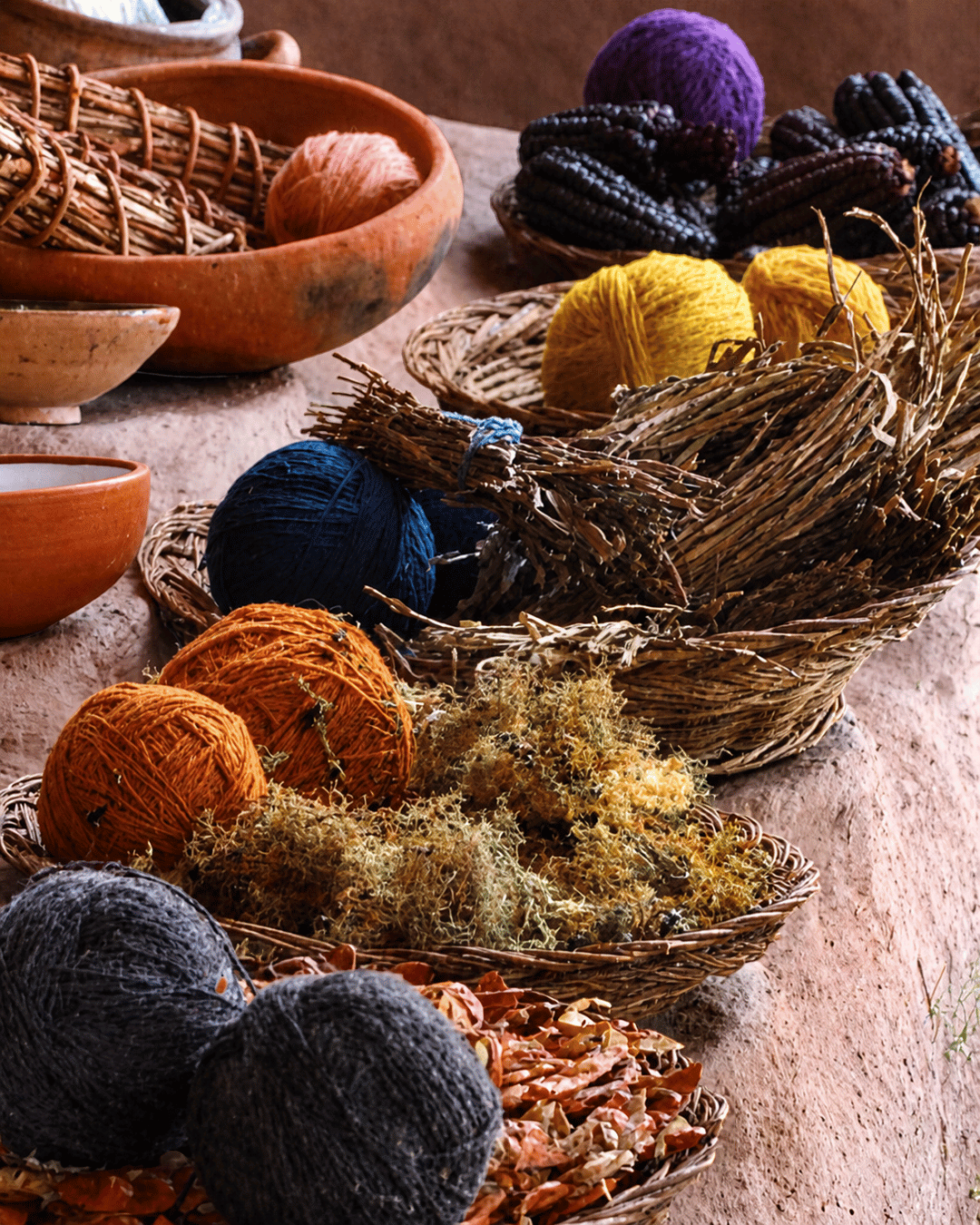
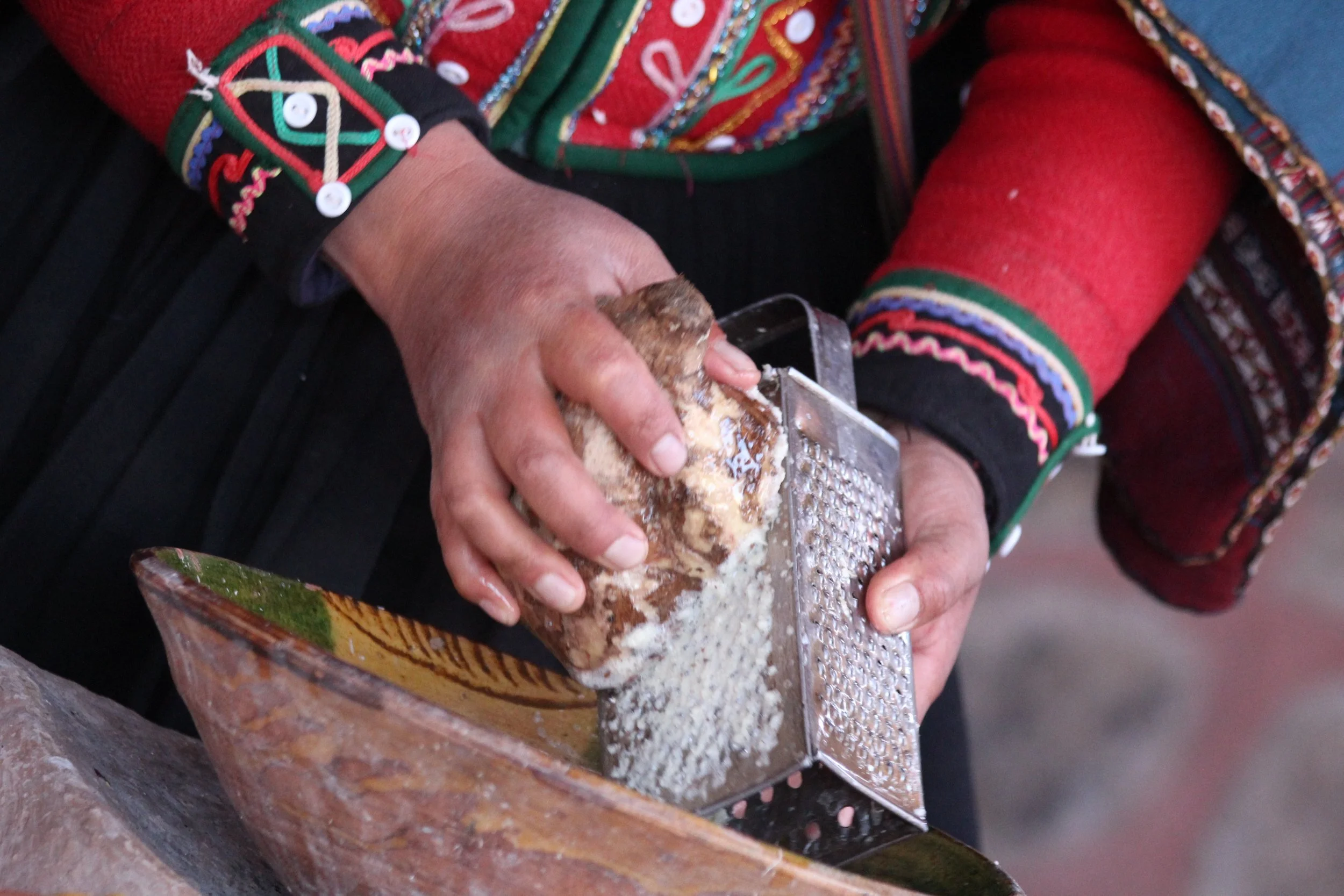
Did you know? That brilliant red comes from an insect!
I already owned an alpaca sweater, mitts and scarf, so I wasn't particularly looking for another finished garment.
But then I spotted something I wanted.
A little wooden spindle with raw wool wound around it.
I asked one of the women if I could buy it. I didn't want just another souvenir; I wanted something that represented the process and the person behind the craft.
And now I had a story to bring home!
It may not be worth much in monetary terms, but that little spindle is one of those souvenirs that means far more than its price tag. (I plan on putting it right next to my grandmonthers hand knit wool socks in a shadow box.)
A little travel lesson: Sometimes the best souvenir isn't something you wear or display. It's something that reminds you of the person you met and what you learned along the way.
Next stop: Moray.
And if you thought you had seen some impressive Inca engineering already, wait until you see this.
From above, the site looks almost extraterrestrial. Is it just me or can you see they large eyes and small mouth - (squint and use your imagination LOL) Regardless they shape these enormous circular terraces descend into the earth, one level after another, creating what looks like a giant amphitheatre.
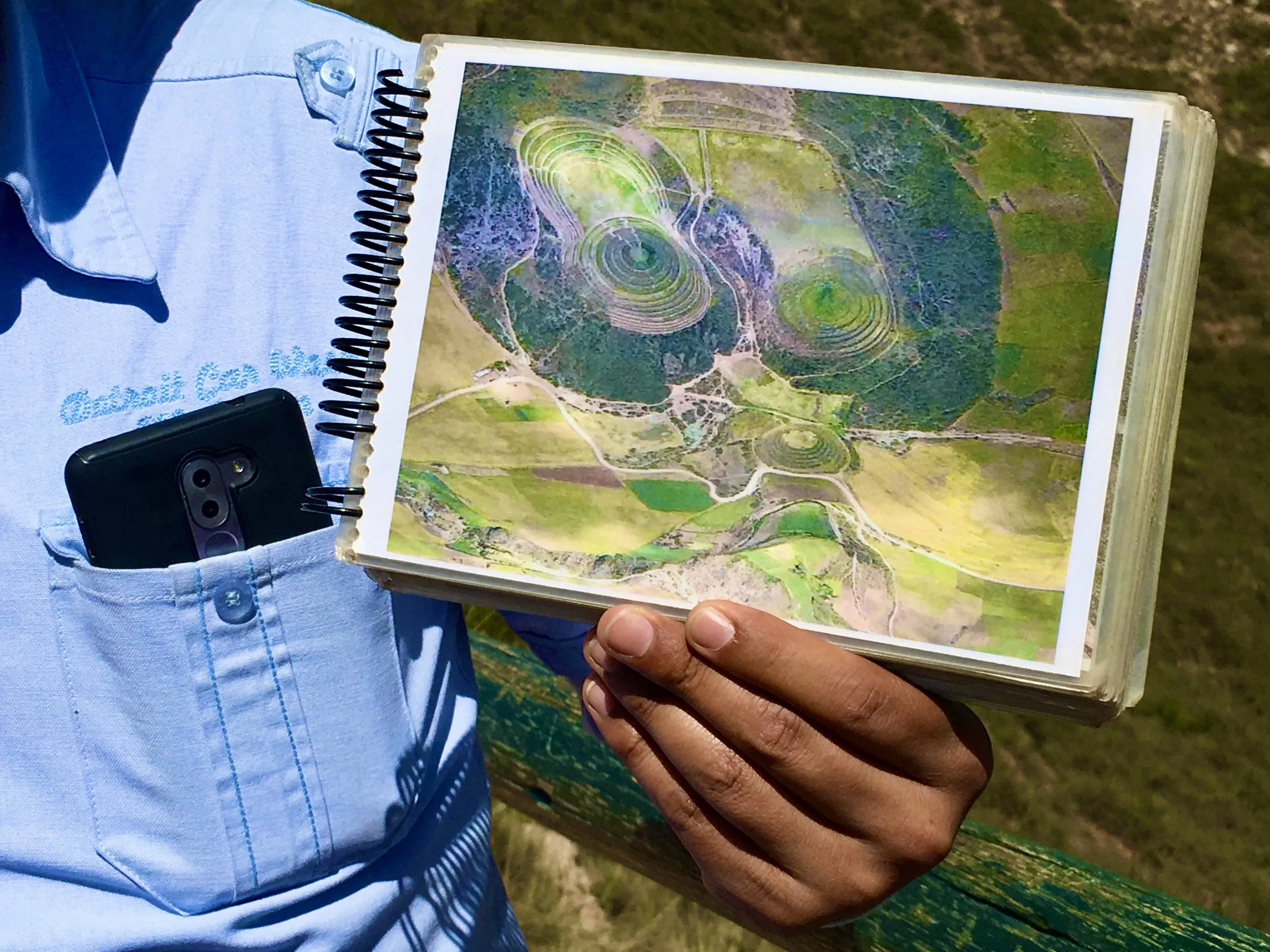
What was this place?
Leading archaeological interpretation is that Moray was used for specialized agricultural experimentation.
The Incas were using the natural landscape to create different growing environments. The circular terraces, their depth, orientation, sunlight exposure and carefully managed water systems created variations in conditions from one level to another.
In other words, they could observe how different crops performed under different environmental conditions.
They thought of everything. Look how they get from one level to another - extended blocks staggered as a staircase.
Brilliant!
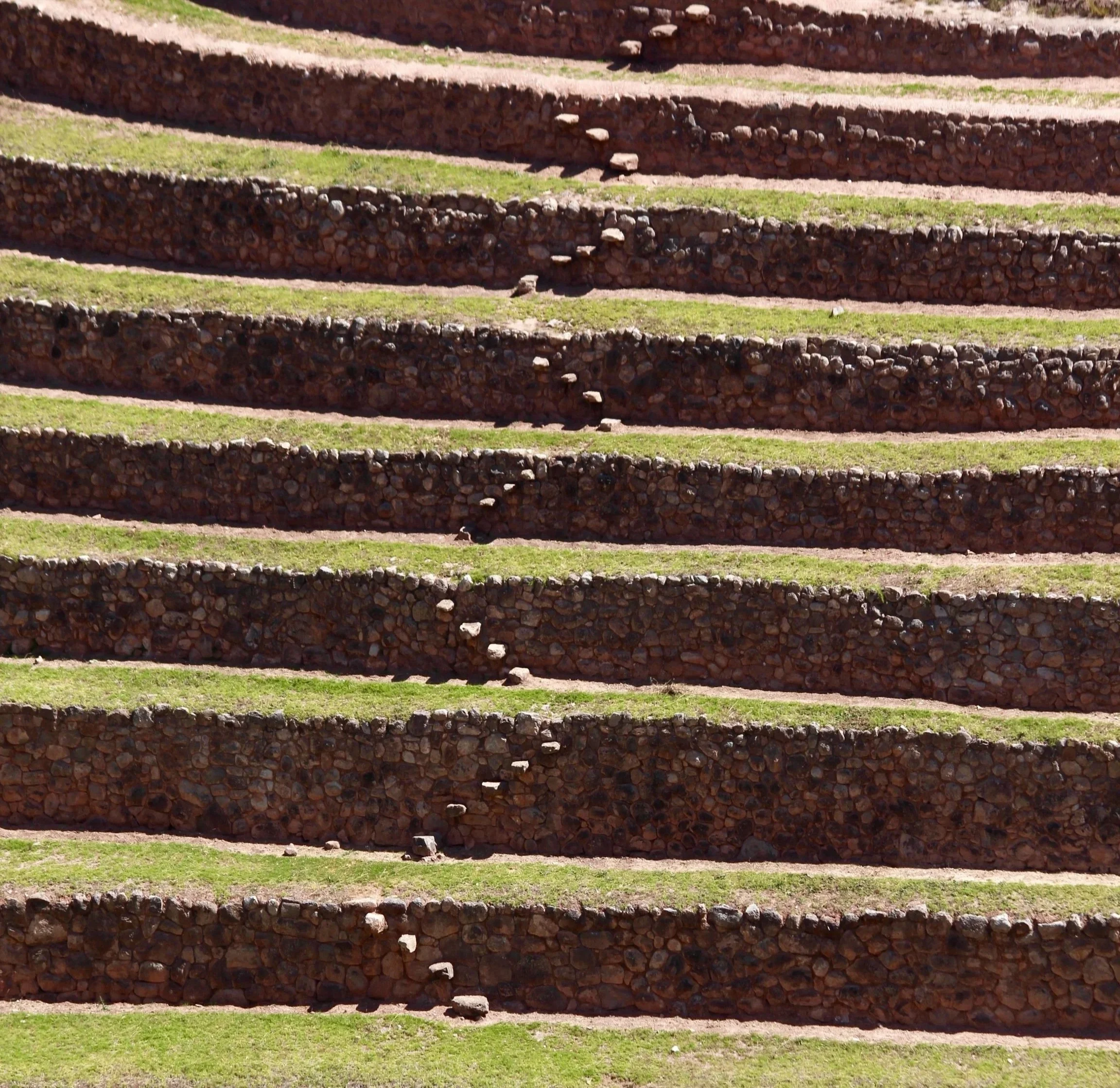
Research has documented significant temperature differences between the upper and lower terraces. The variations can reach as much as 15°C (27°F) in some measurements.
Imagine having different growing environments within one enormous circular structure!
This would have been incredibly useful in an empire that stretched across dramatically different elevations and climates. Understanding which crops could grow where was essential to feeding communities.
The engineering is just as impressive as the agricultural thinking.
Each terrace has retaining walls, steps and drainage arrangements designed to manage the soil and water.
The exact purpose of every feature at Moray is still being investigated, so we shouldn't assume we know everything the Incas were doing here.
But one thing is clear: they understood the relationship between land, water, temperature and food production exceptionally well.
As someone who loves food, I find this particularly fascinating. Long before modern agricultural research stations, the Incas were developing sophisticated ways to work with their environment.
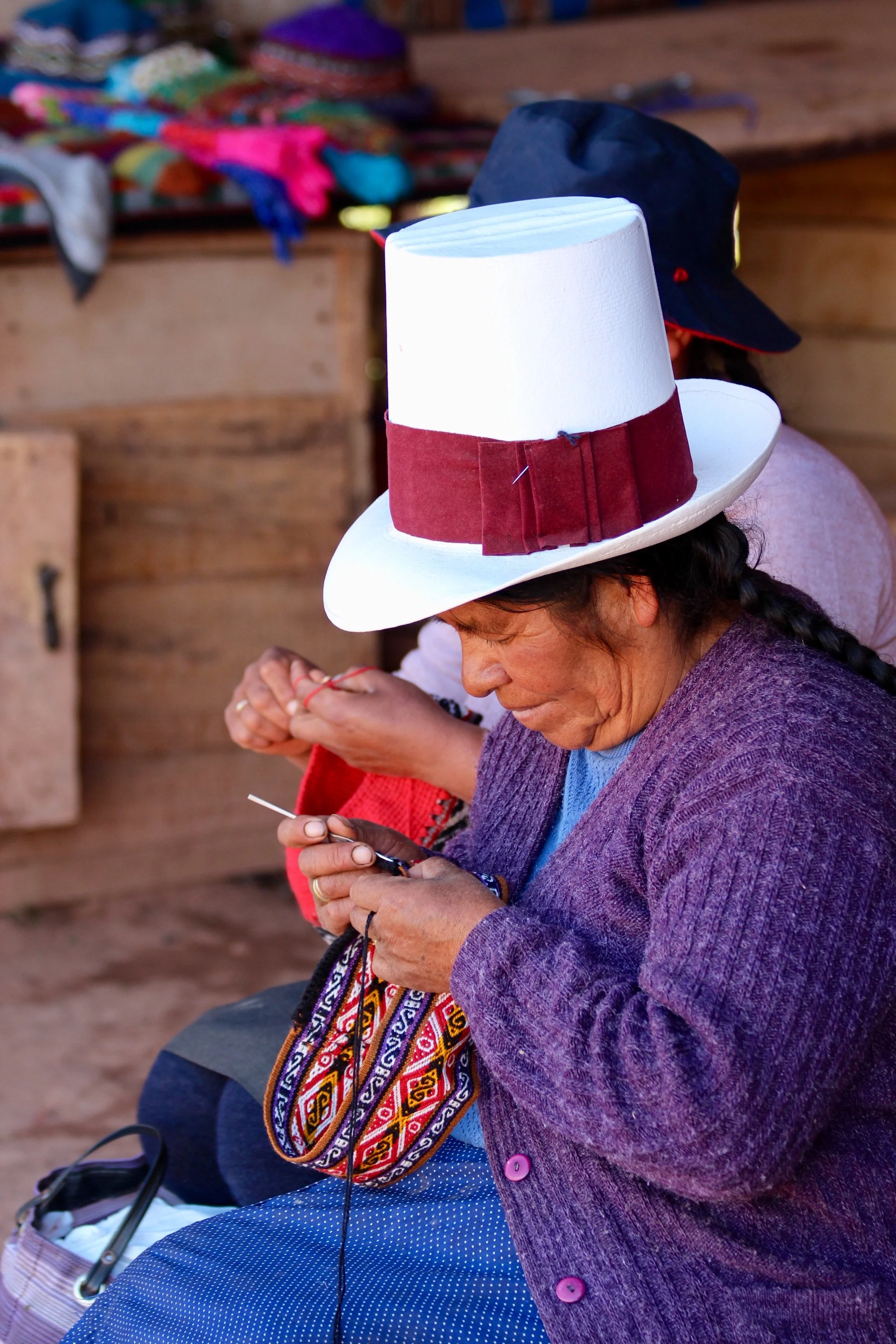
On my way to van a woman with a hat caught my eye. Wow - that is a tall white hat and she wore it proudly.
All that exploring had worked up a thirst, so we decided to make a little stop for a local brew.
And here's something to watch for when travelling through the region.
A traditional chicha establishment may display a red flag or red cloth outside. This is a local signal that chicha is available.
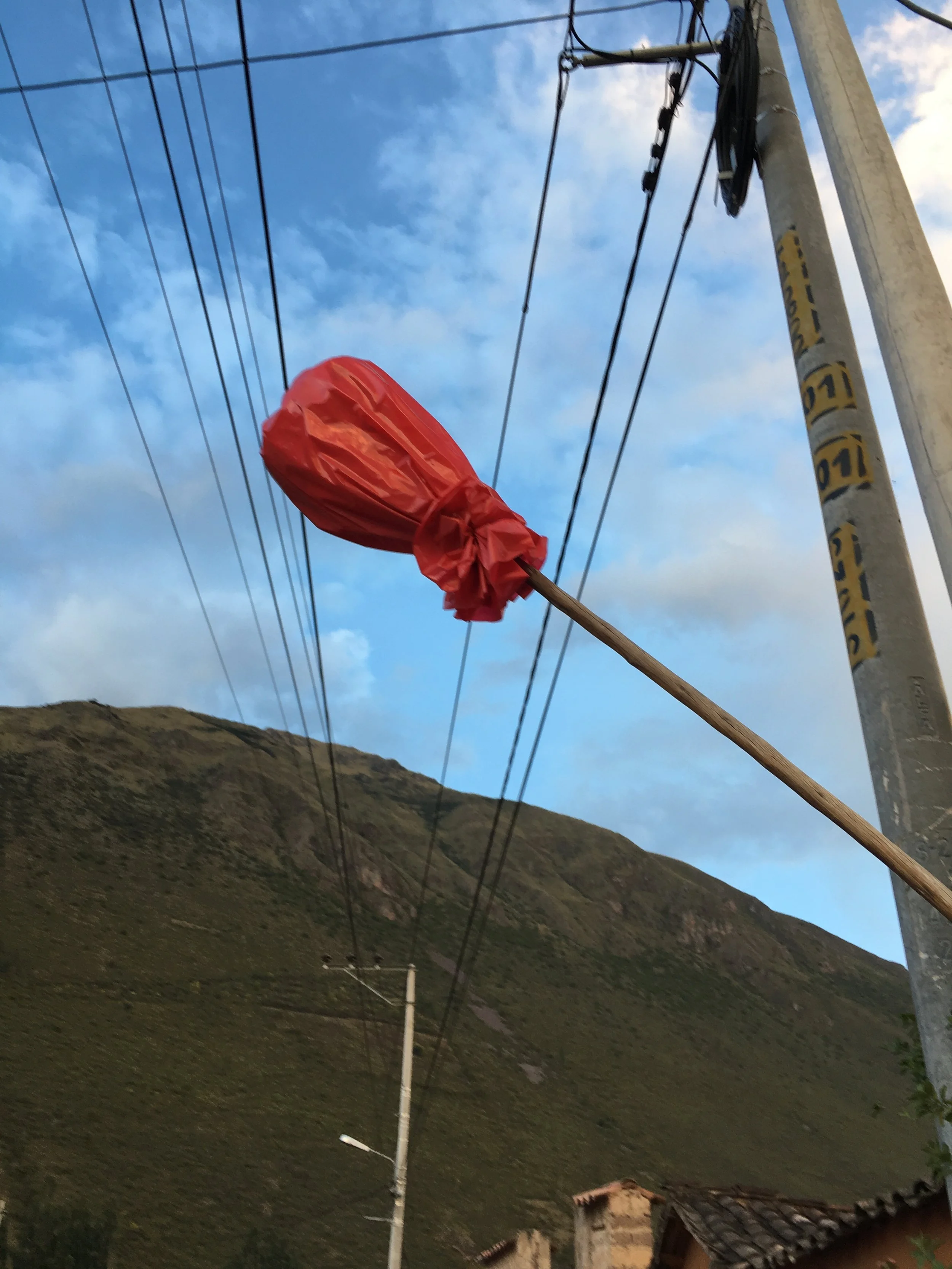
Chicha de jora is a traditional fermented drink made from maize, particularly yellow corn. It has a long history in Andean culture and was important in social gatherings, community celebrations and ceremonial occasions.
We also encountered frutillada, a strawberry-flavoured variation.
Now, I'm always willing to try something new. That's part of the fun of travelling, right?
But let's just say this one wasn't going to become my favourite drink.
An acquired taste, perhaps?
I think I'd need to be exceptionally thirsty before ordering another!
BTW I was able to water/feed a plant LOL
Fortunately, there was entertainment to go along with our tasting.
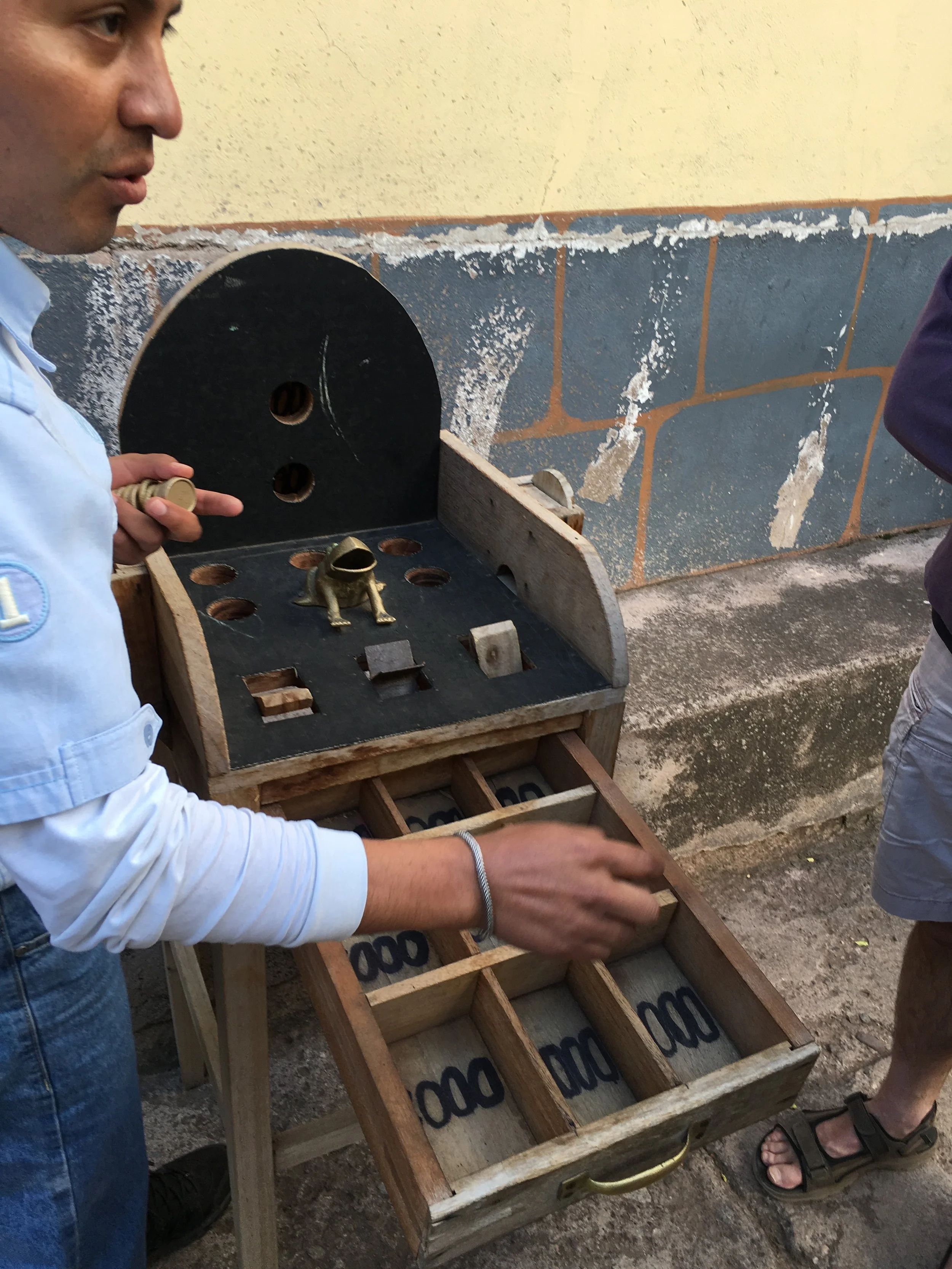
We discovered a traditional game called Sapo, which translates to frog in Spanish.
Atop what looked like a tall side table sat a metal frog, surrounded by a series of little openings. Naturally, my curiosity got the better of me. I had to stop, ask a few questions, and find out what this curious contraption was all about.
And here’s what I learned!
According to local legend, the game has its roots in the time of the Incas. The story tells of an Inca ruler who travelled to the sacred Lake Titicaca, tossing gold pieces into the water as offerings. Toads were believed to possess magical powers, and if a frog caught one of the golden offerings, the person making the wish would have it granted — and the frog would turn to gold!
Over time, this legend found its way into local drinking culture, evolving into the game of Sapo we know today.
So, how do you play?
Players toss coins or metal discs toward the table, aiming to land them in the frog’s mouth or one of the other scoring holes.
The frog’s mouth is the jackpot!
Sounds simple enough, right? Well, don’t be fooled. Getting that little disc into the frog’s mouth takes considerably more skill than you might think.
It’s a game of accuracy, patience, and a little luck — with just enough friendly competition to make things interesting.
Imagine white salt captured on the side of a mountain with no water in sight.
Another stop I had been particularly excited about.
Salineras de Maras.
I'd seen photographs, but nothing quite prepared me for the drive up (the roads remindere me of Sri Lanka) or the sight of thousands of little salt pools cascading down the mountainside.
The contrast was extraordinary.
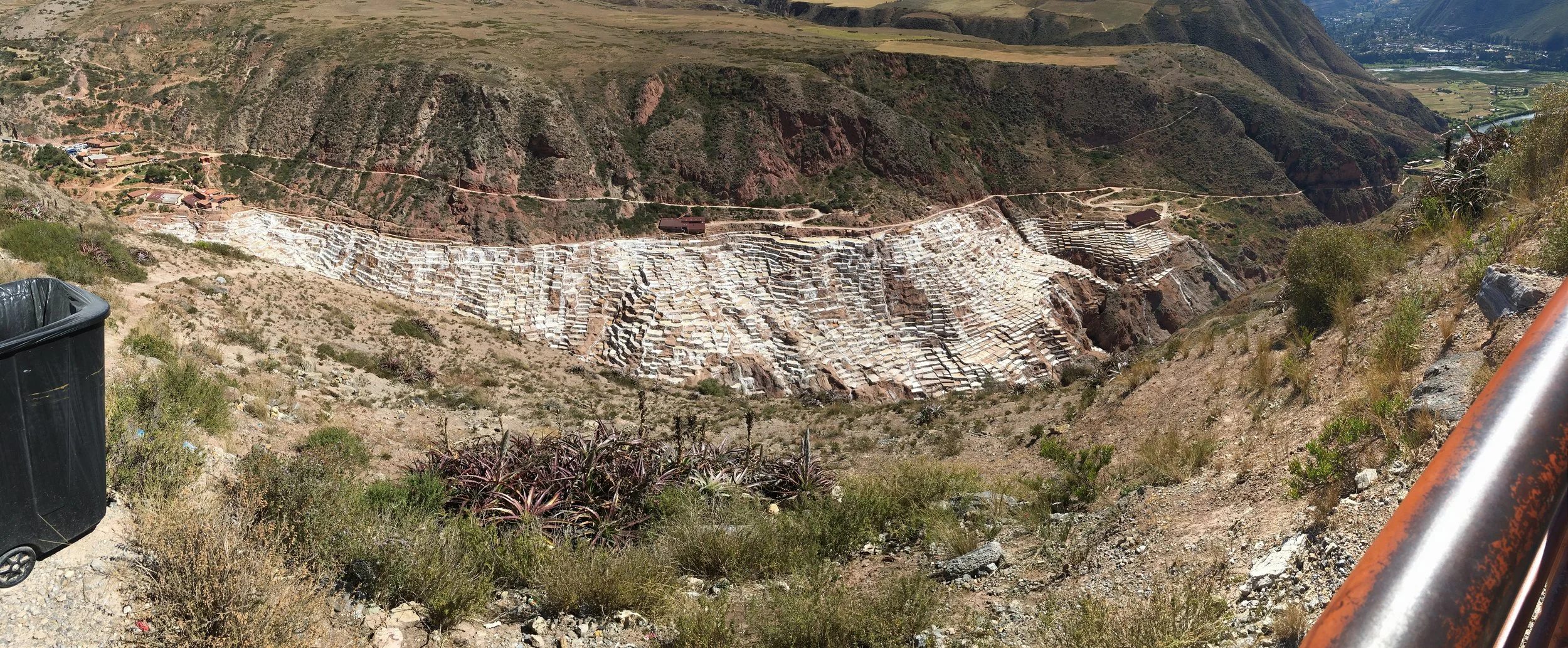
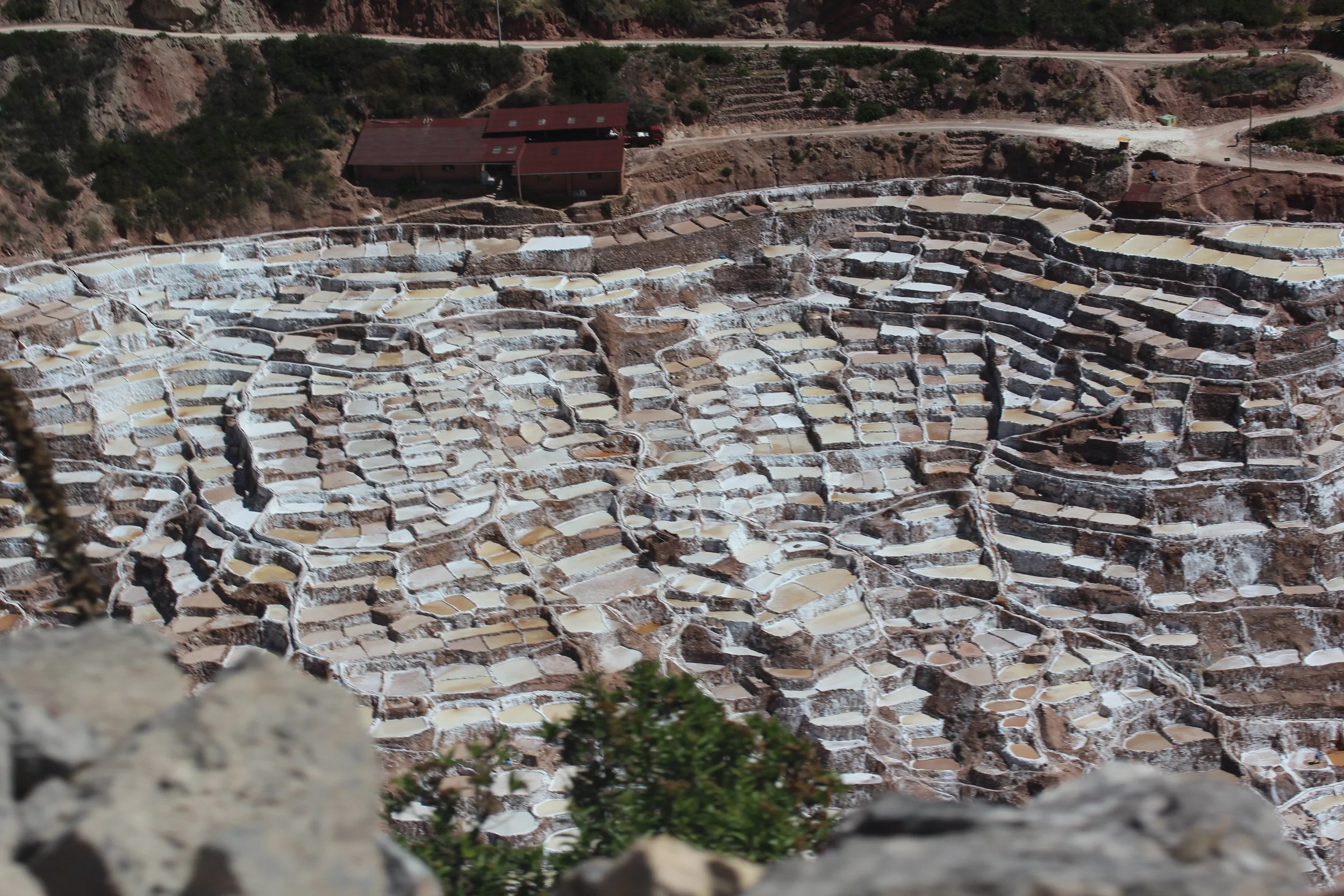
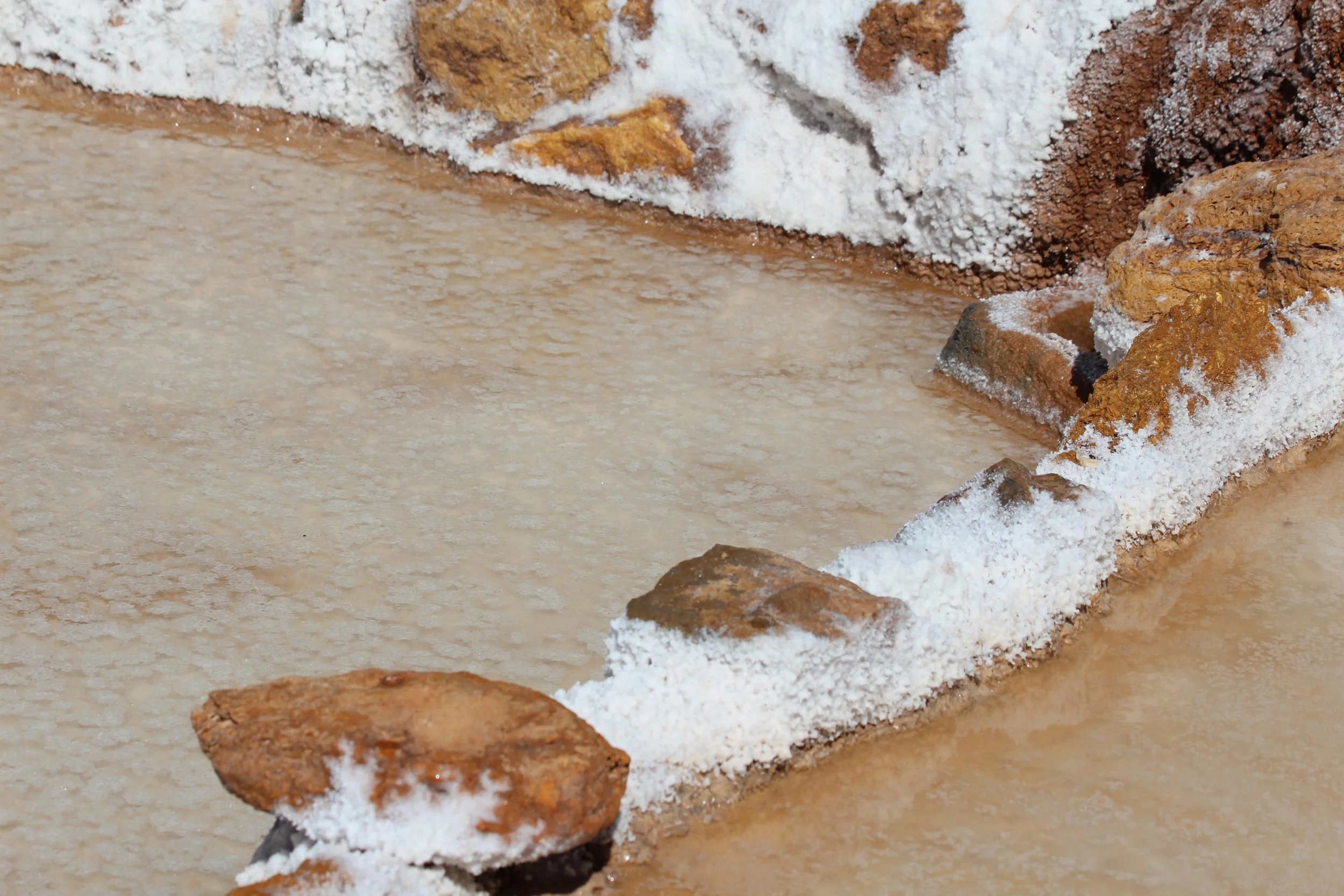
The surrounding earth was a rich rusty red, while the pools ranged from brilliant white to cream, pinkish and brown, depending on their stage of production.
And here's the first surprise.
This salt doesn't come from the ocean!
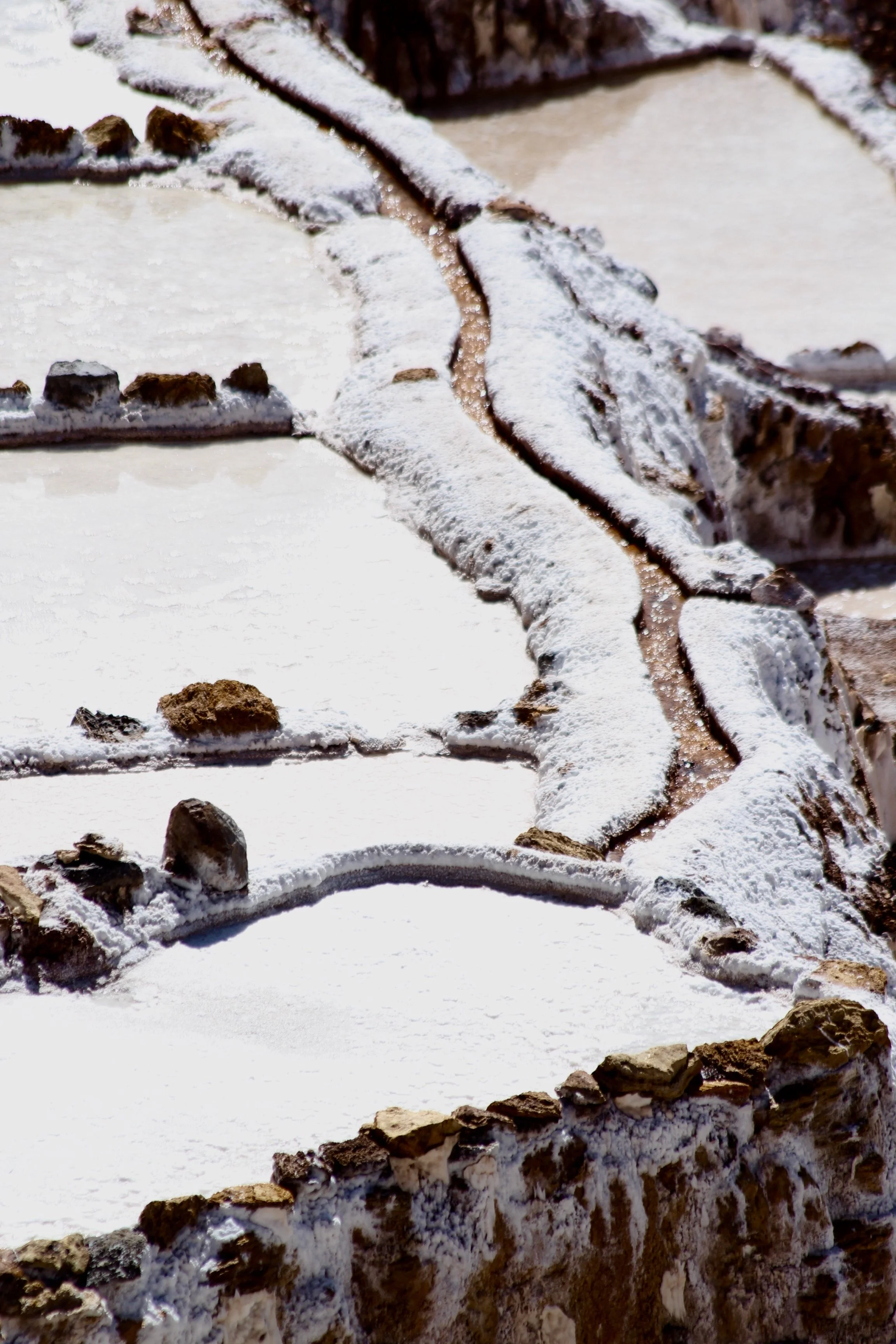
The saltwater comes from a natural underground spring.Remember we are up in the Andes so I find this a marvel. Water is channelled through a network of small canals into individual shallow evaporation pools built into the mountainside.
Then nature takes over.
The sun and wind evaporate the water, leaving salt crystals behind. As the water level drops and the salt accumulates, workers harvest the crystals in layers.
Some pools are still filled with water, others are beginning to crystallize, while some are ready for harvesting.
It is a fascinating process to watch, particularly when you realize how much work goes into maintaining all those individual pools.
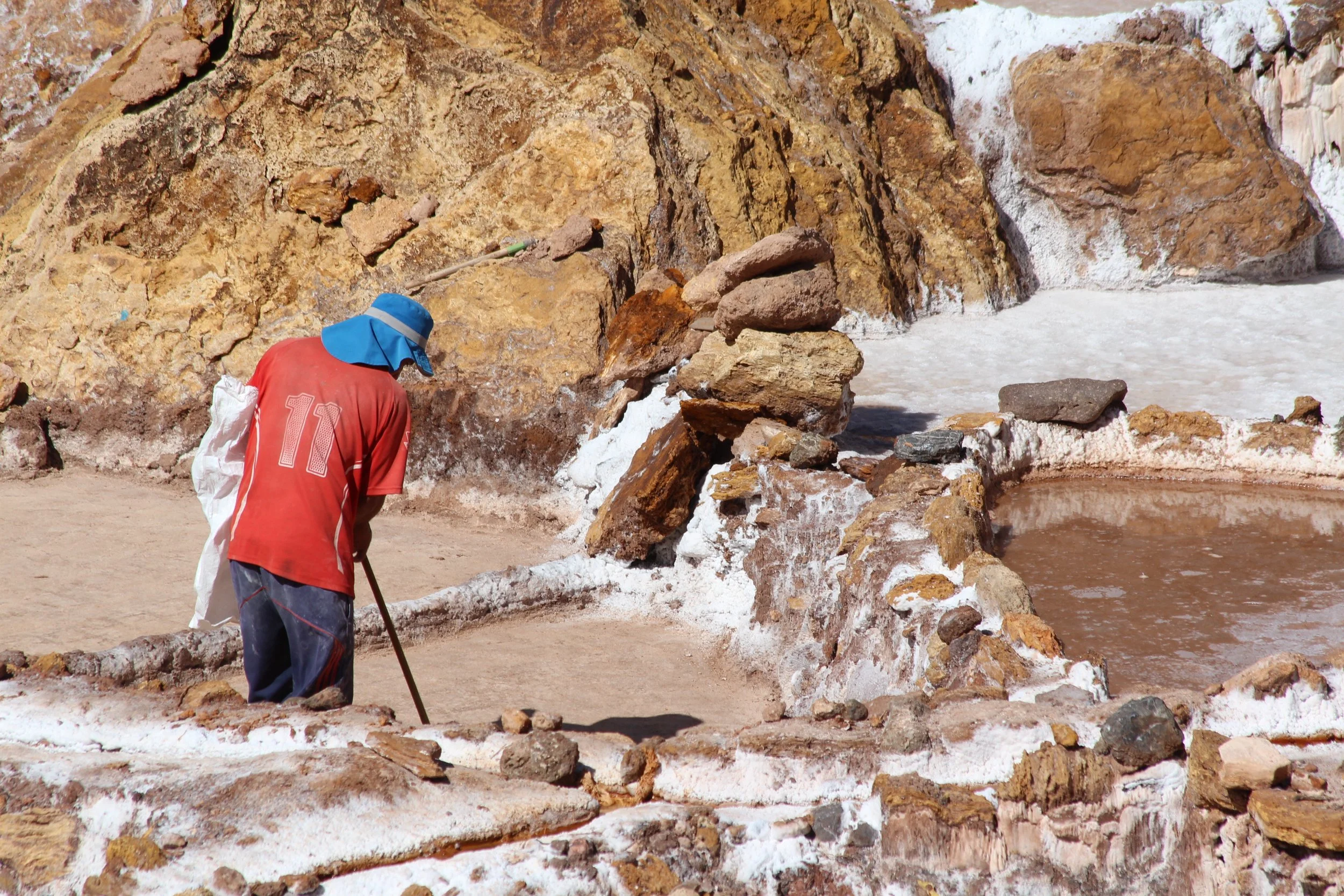
Average income $300-$350 USD monthly
Did you know? There are over 3,000 salt pools!
The salt mines cover a series of stepped terraces on the mountainside, with approximately 3,000 individual evaporation pools.
And this isn't just a pretty tourist attraction.
It is a working community enterprise with a history stretching back centuries.
The communities of Maras and Pichingoto maintain the traditional production system. Around 400 families own salt pools, with knowledge and rights passed down through generations.
The community company, Marasal, is responsible for administration, processing and marketing the salt.
There is something special about seeing a traditional industry still operating in much the same landscape where it developed generations ago.
The salt is harvested, dried and sorted into different grades for culinary, agricultural and industrial uses.
According to the UNESCO World Heritage Centre's tentative listing, an individual pool can produce approximately 150–200 kilograms of salt per month under suitable conditions.
That's a lot of salt from one little pool!
Production is seasonal, with the dry months generally offering better conditions for evaporation.
I couldn't leave without buying some.
After all, what kind of foodie would I be if I visited a centuries-old salt operation and came home empty-handed?
I picked up some of the local salt, already imagining how it would taste sprinkled over a beautiful roast vegetable dish.
There was just one small problem.
Salt is surprisingly heavy!
I was going to have to keep an eye on that luggage allowance.
Ollantaytambo: Where the Incas Left Us Asking, “How on Earth?”
If you think Ollantaytambo is simply the place where you catch the train to Machu Picchu, think again.
This remarkable little town in Peru’s Sacred Valley has a story of its own — one that involves extraordinary engineering, ancient agricultural ingenuity, colourful celebrations and some seriously impressive stonework.
By now, I thought I had become accustomed to the construction skills of the Incas.
I hadn't.
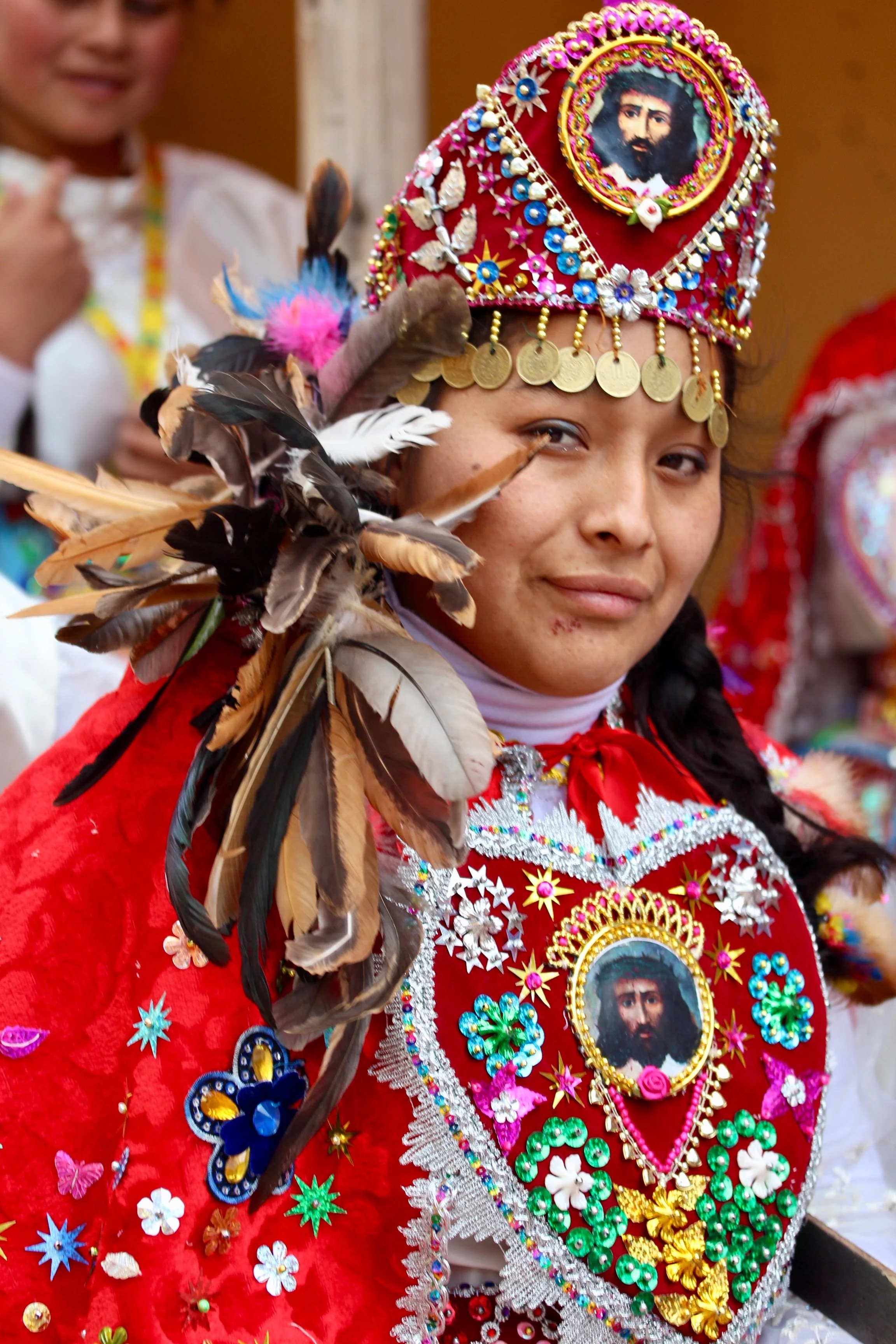
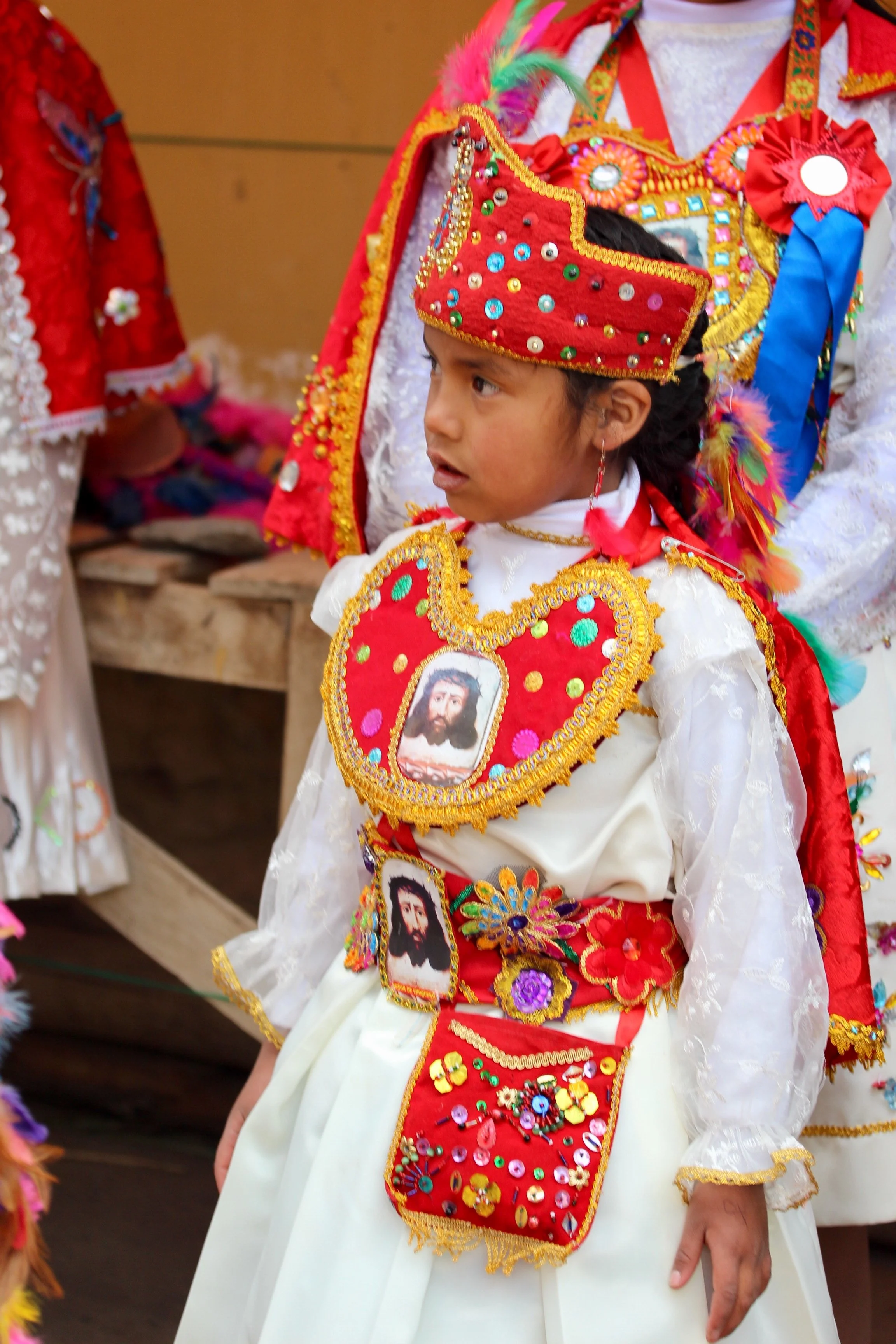
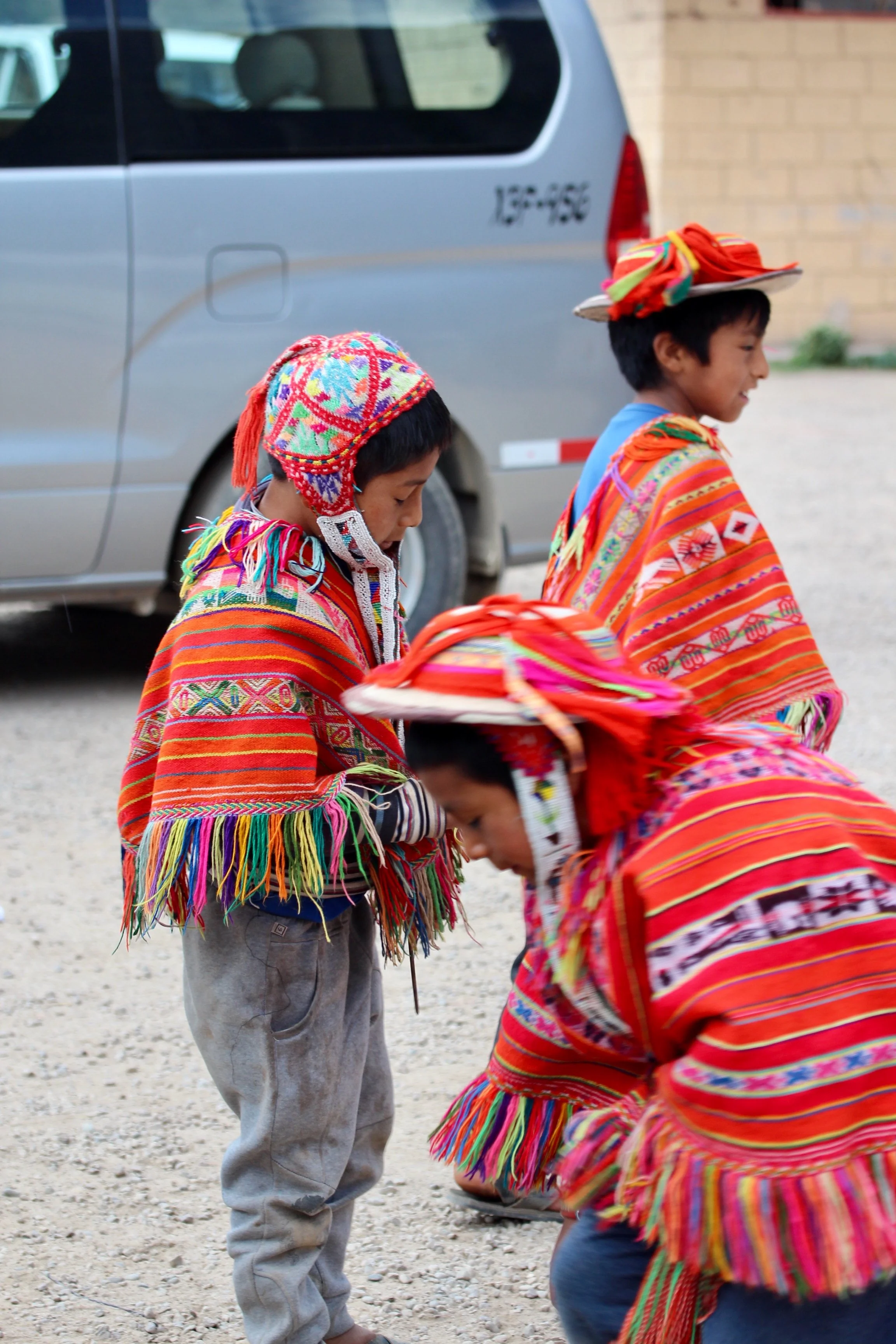
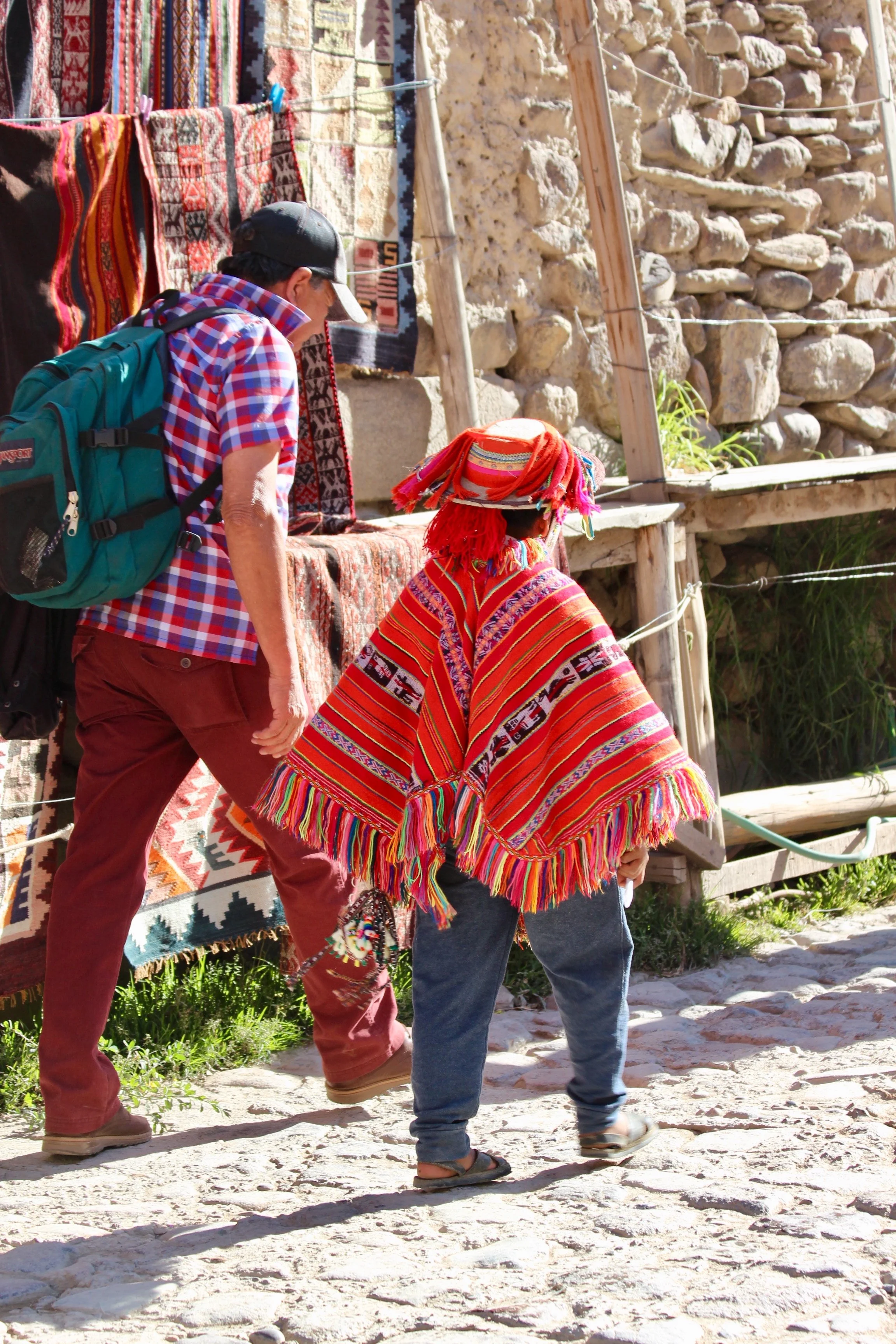
Our arrival coincided with a special celebration, and suddenly the streets were alive with activity. Parades, dancers, music and colourful costumes filled the scene. The festivities were part of a celebration honouring the animals, and what a bonus to stumble upon it!
It added another layer of colour and excitement to an already memorable visit. There is something special about experiencing a place when its community is celebrating, rather than simply passing through as a tourist.
But the archaeological site?
That was the real showstopper.
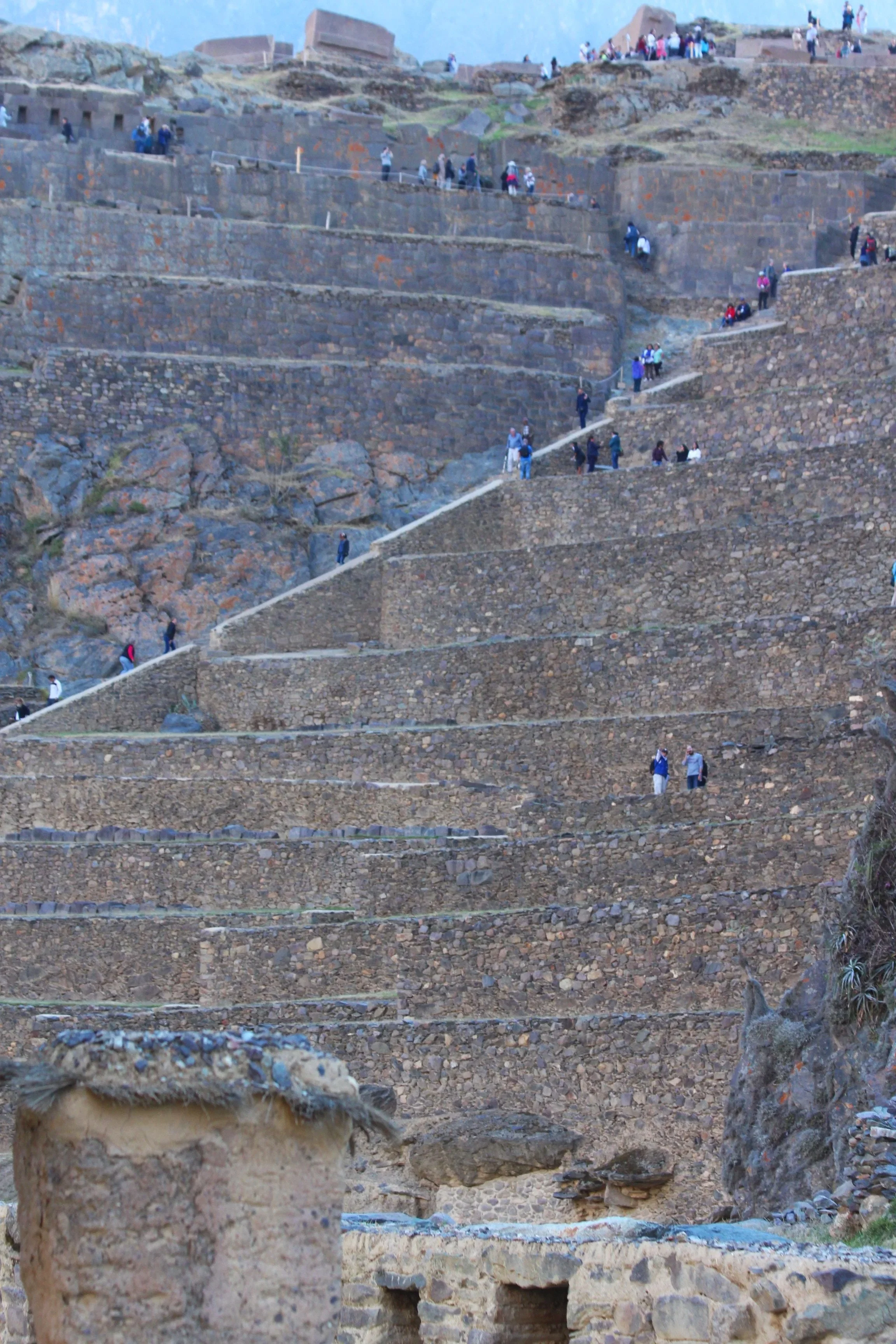
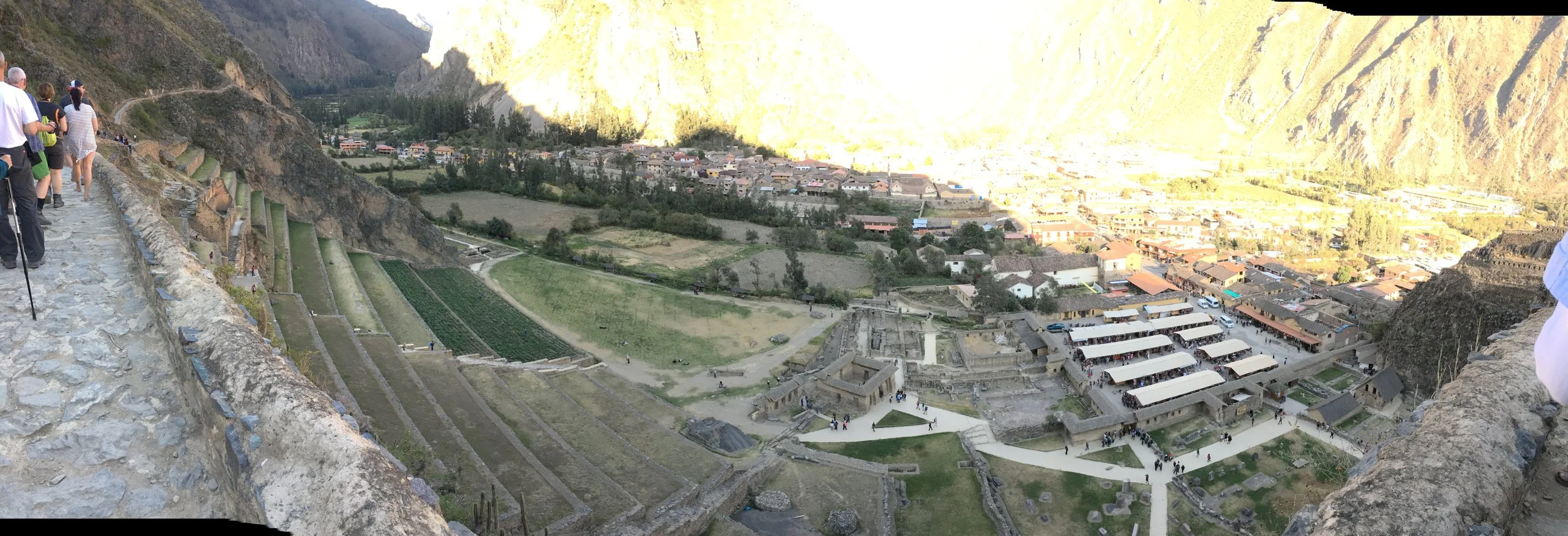
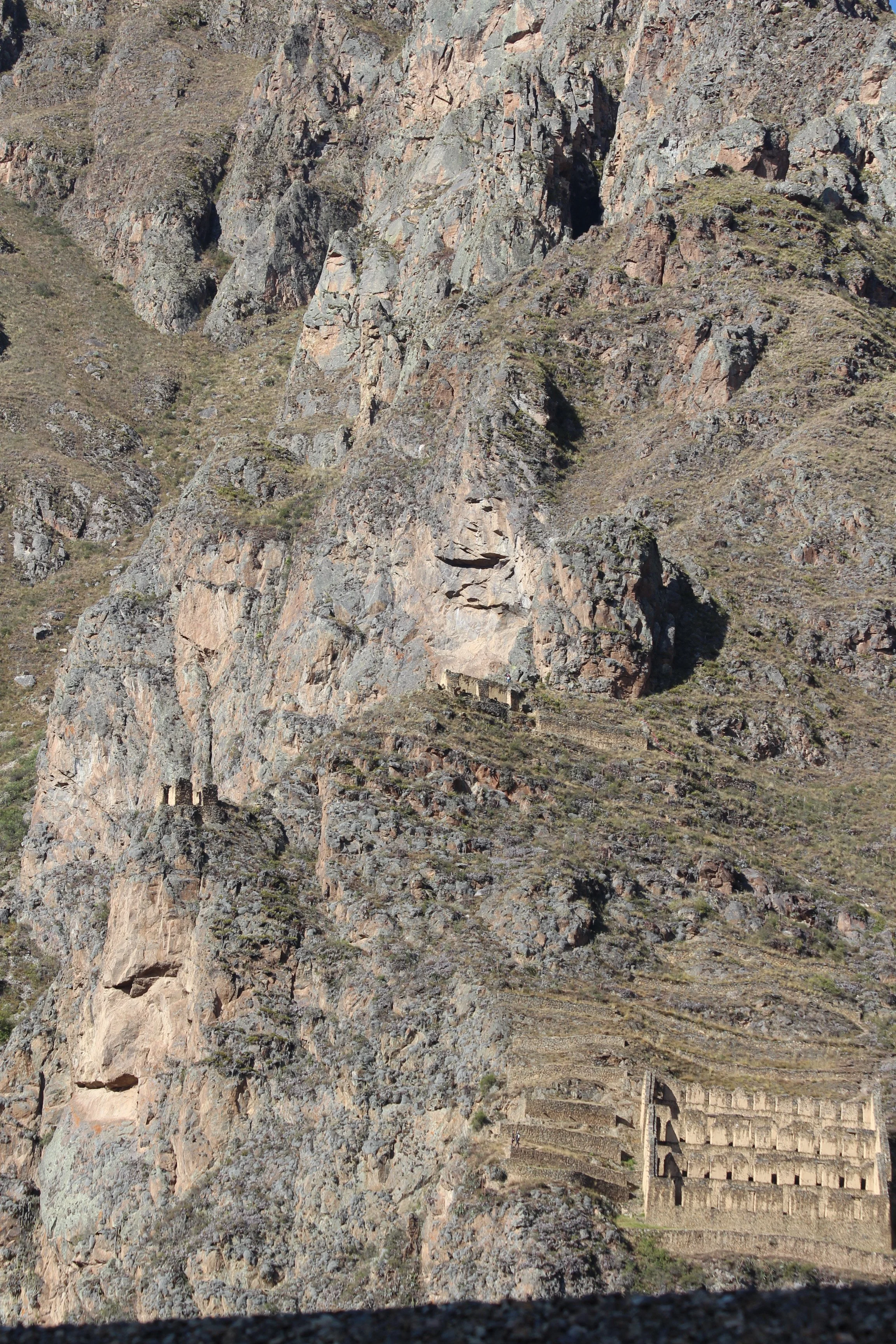
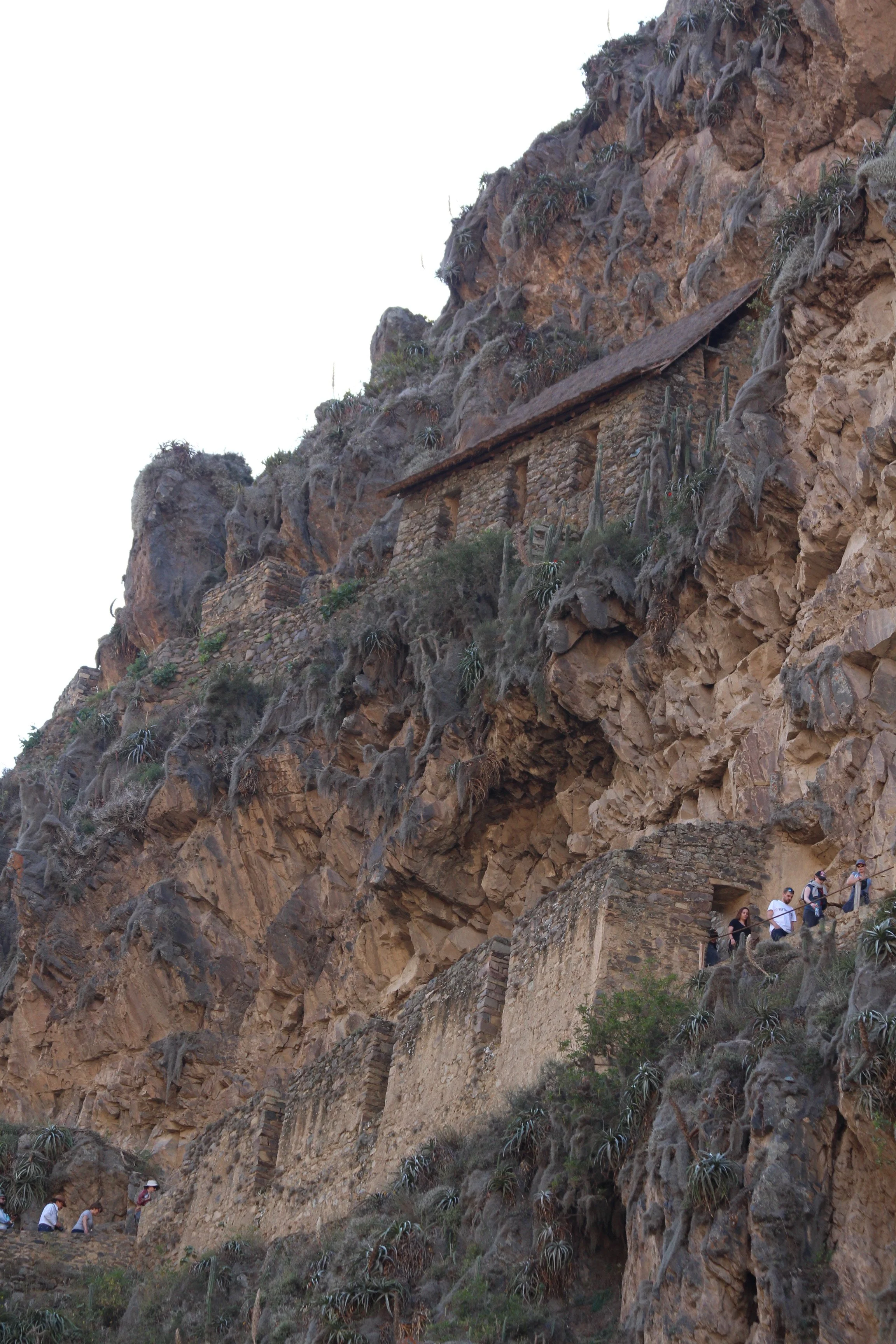
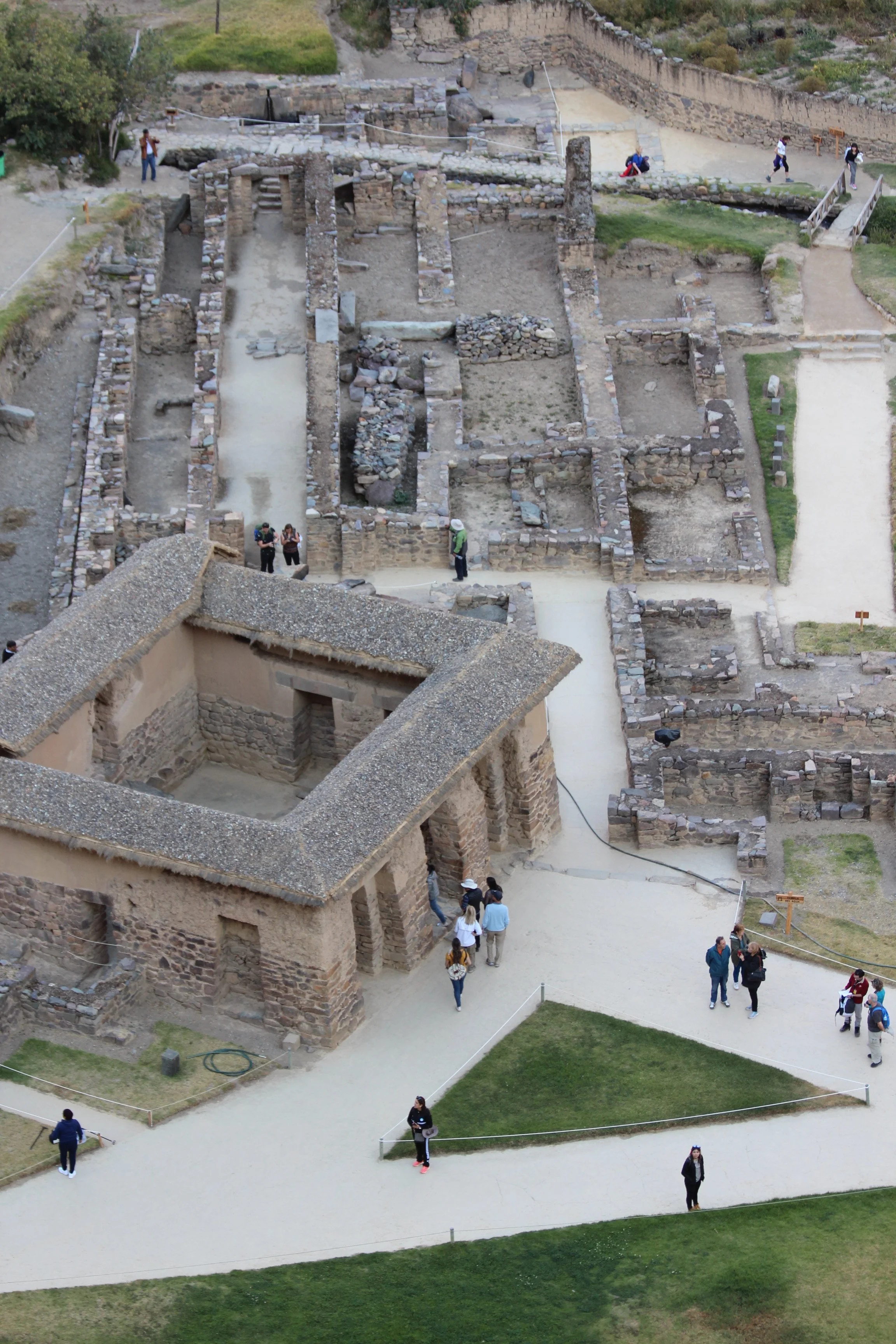
A massive mountainside complex dominates the landscape, with enormous agricultural terraces climbing toward ceremonial structures perched high above. The scale is difficult to appreciate until you're standing at the base, looking up.
And yes, there are LOTS of stairs.
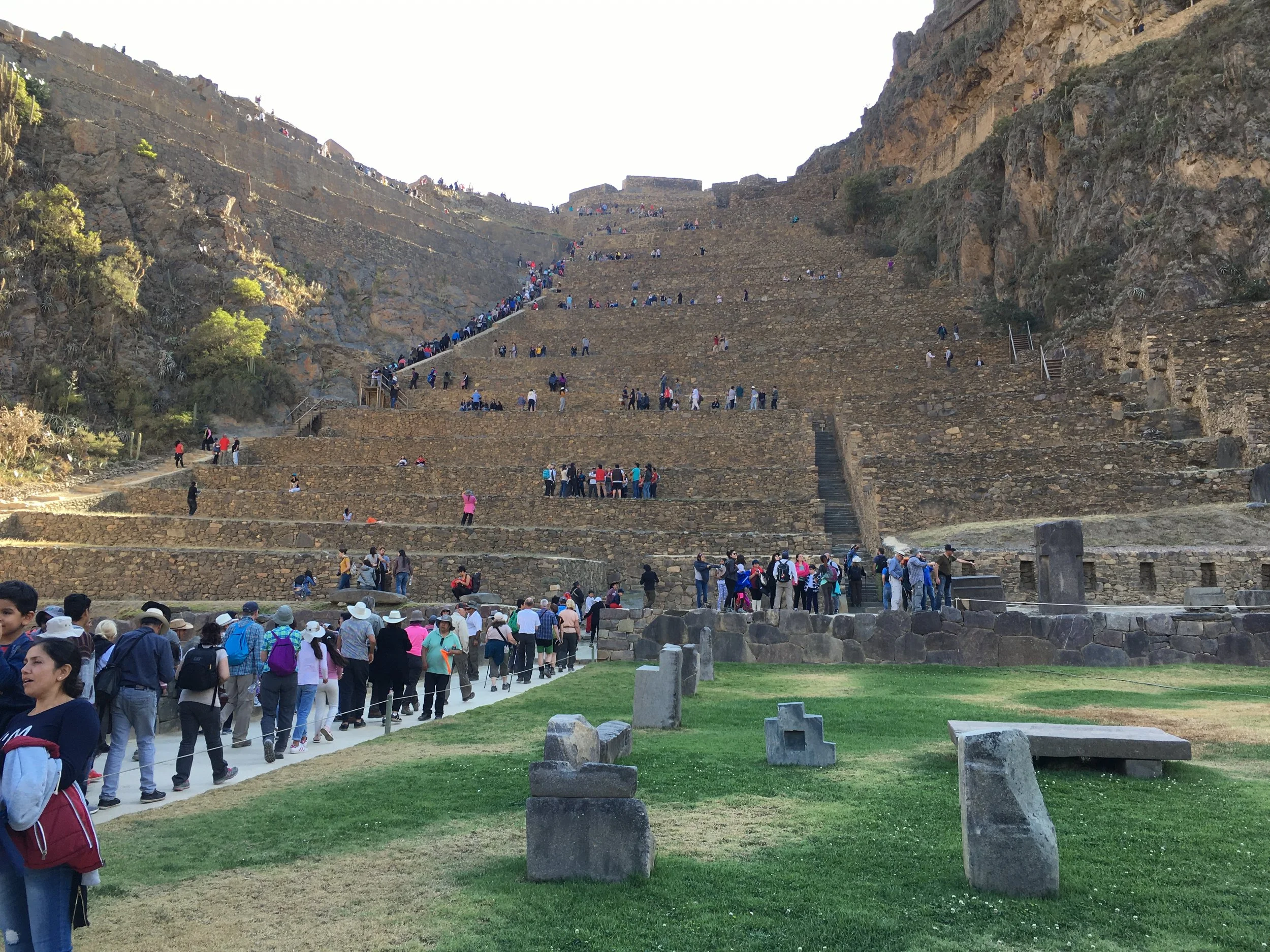
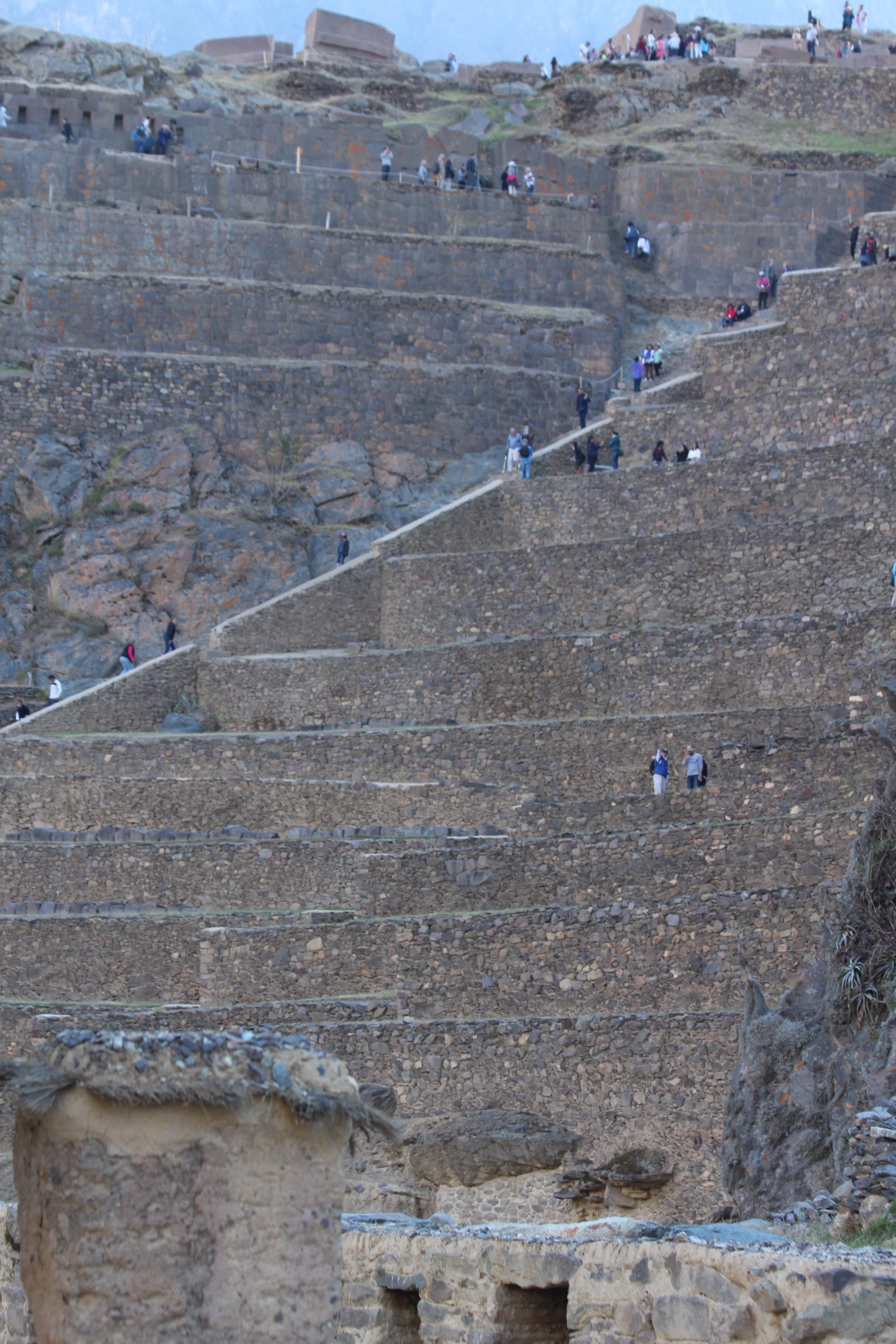
If you're planning a trip to Peru, do yourself a favour and include some walking and stair climbing in your preparation. The altitude, steep inclines and uneven stone steps can make even a relatively short walk more demanding than you might expect.
I was certainly glad I had kept active!
How on earth did they get those stones up there?
This was the question that kept running through my mind.
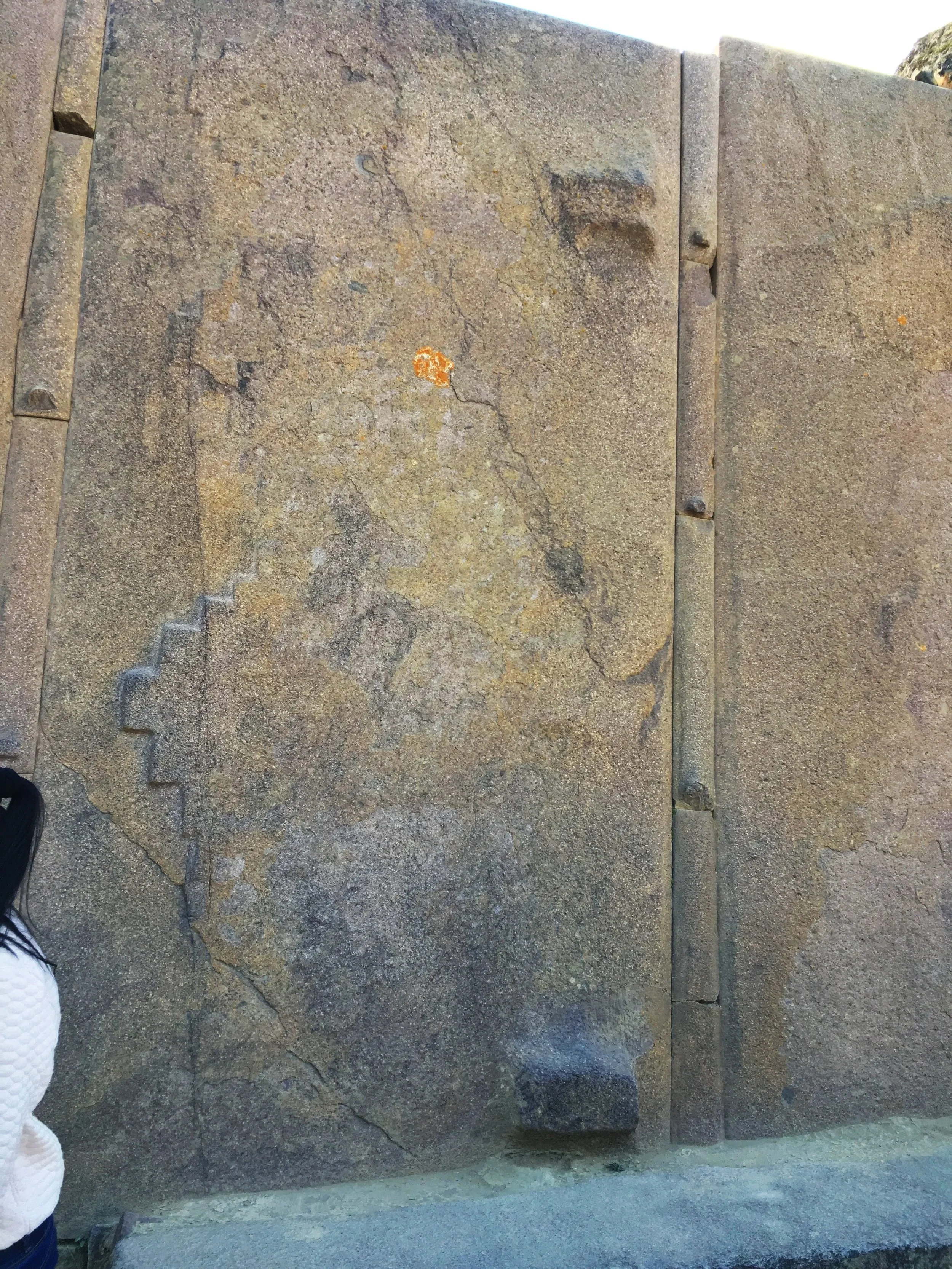
The Temple of the Sun area features enormous pink granite blocks. Here's the extraordinary part: the stone came from a quarry across the Urubamba River valley.
Think about what that involved.
The Incas had to quarry the stone, shape it, transport it down into the valley, get it across the river and somehow haul it up the steep mountainside to the construction site.
All without modern machinery.
Stop and think about that for a moment.
The logistics alone are mind-boggling.
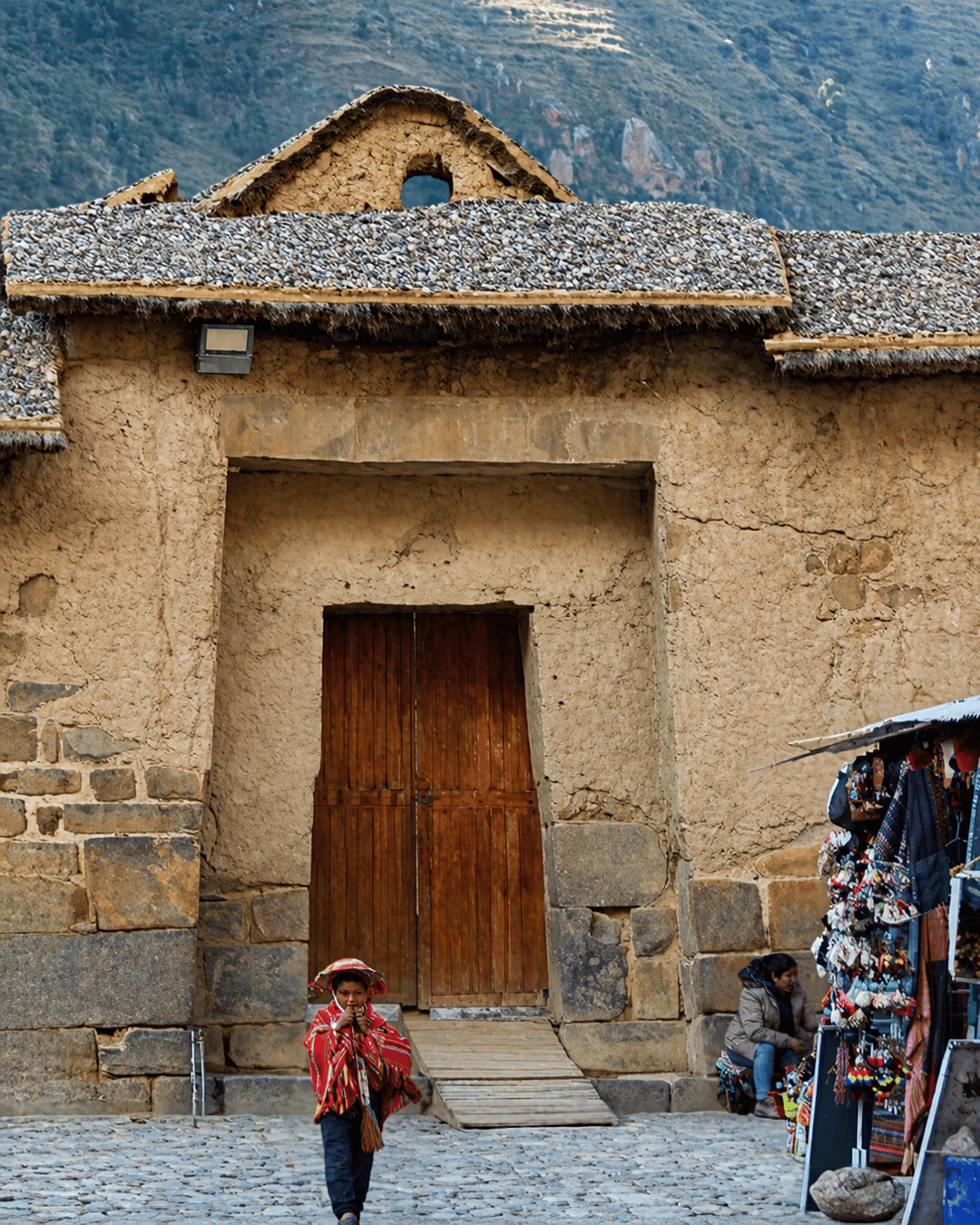
And then there's the stonework.
The blocks were carefully shaped and fitted together, creating walls with remarkably tight joints. This wasn't simply a matter of stacking rocks until they stayed upright.
The Incas understood how to work with stone, gravity, slopes and water. Their construction techniques included interlocking masonry and carefully engineered foundations. Many Inca structures in the region have also demonstrated remarkable resilience to earthquakes, although different buildings used different construction methods.
The agricultural terraces served practical purposes, too. They helped manage water, stabilize slopes and create usable growing areas.
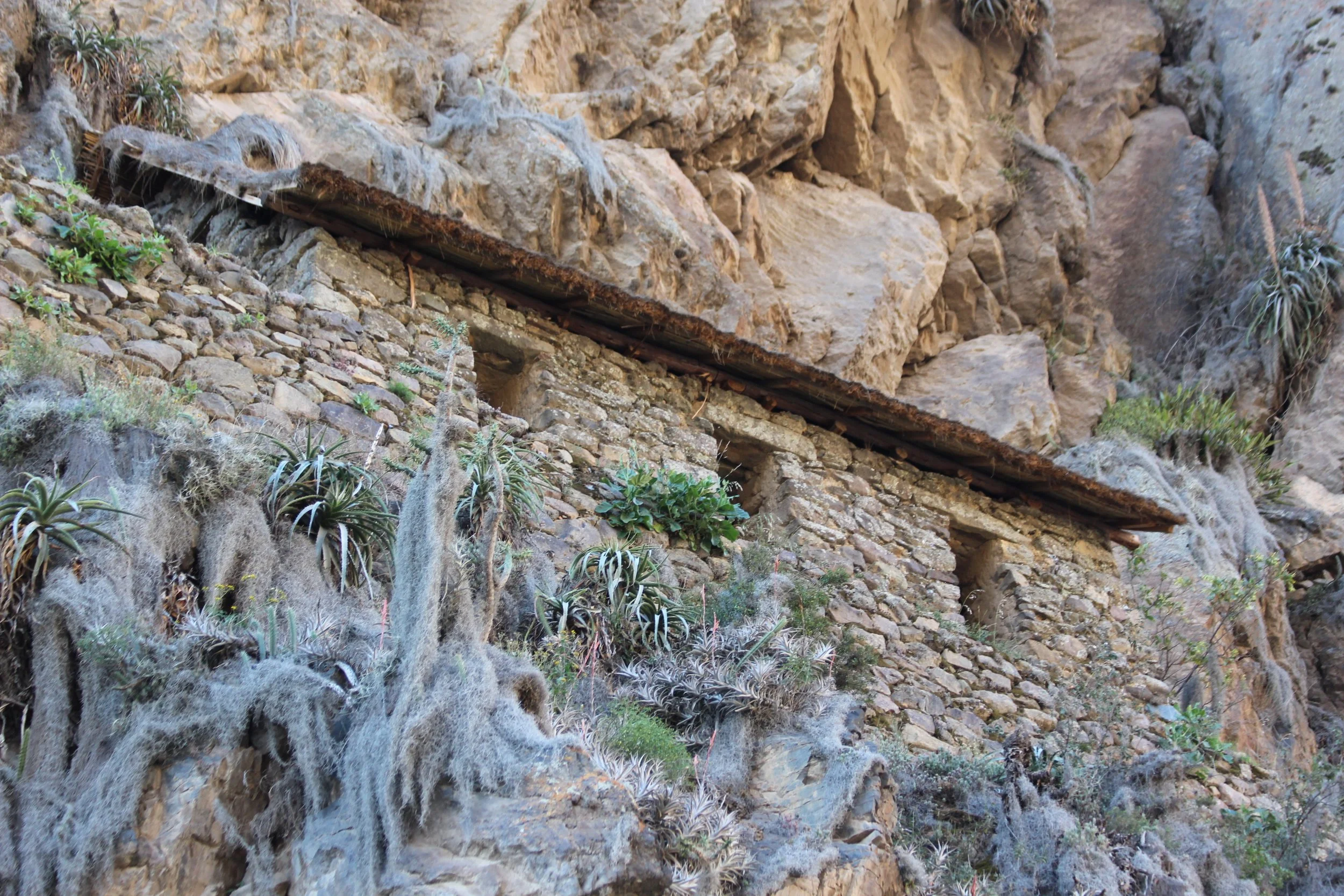
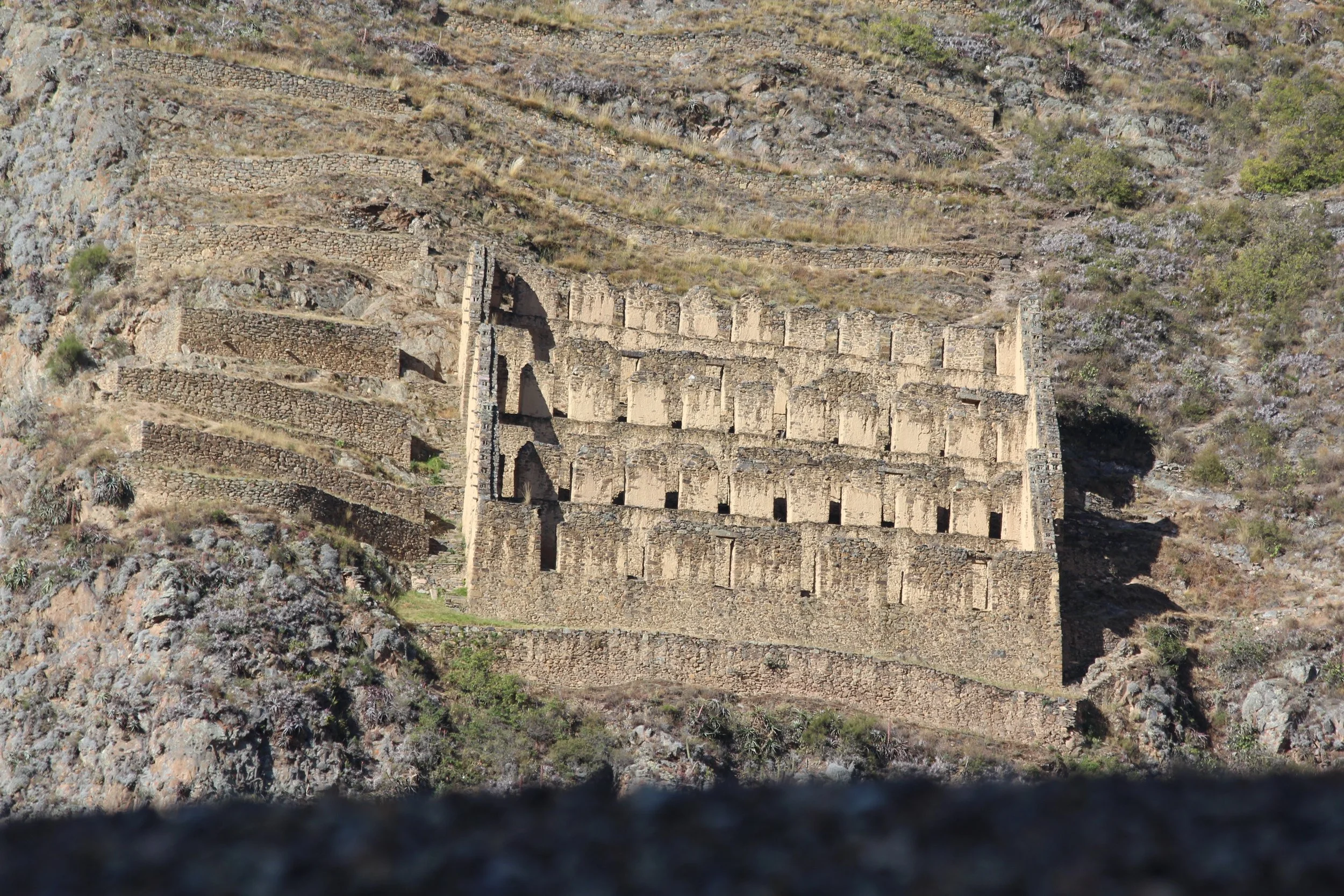
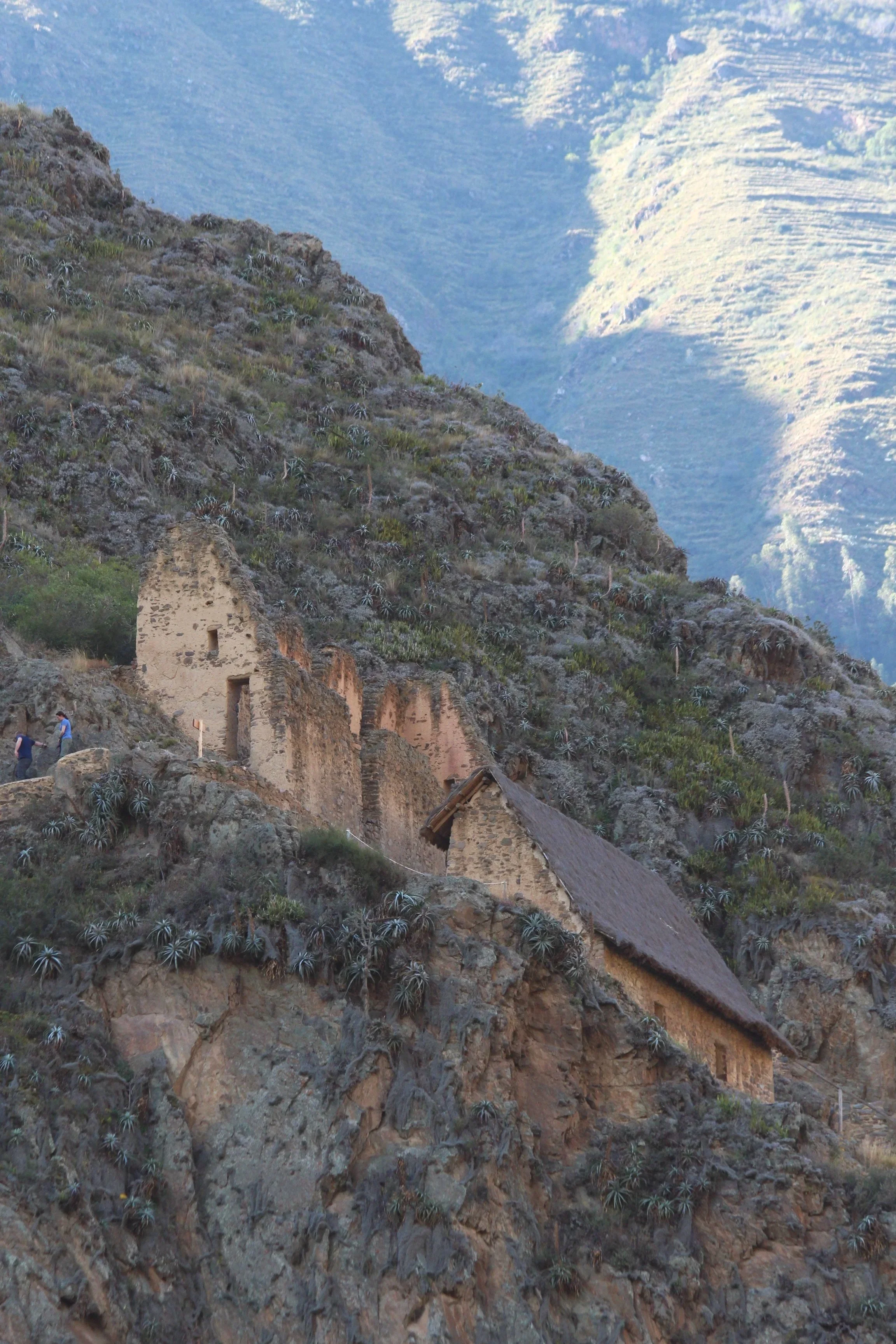
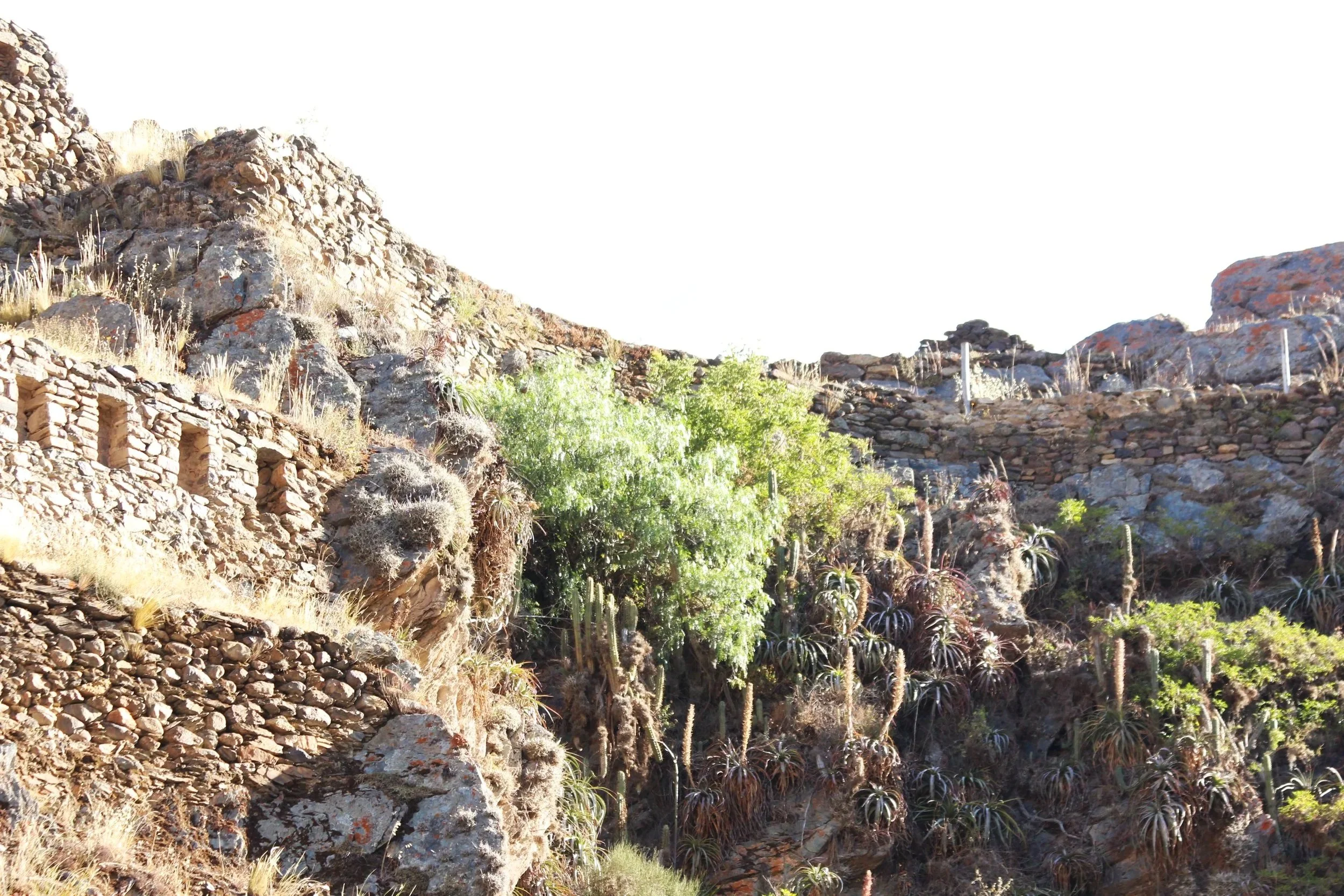
The more you learn about Inca engineering, the more you appreciate that they weren't simply building impressive structures. They were solving complicated problems with the materials and knowledge available to them.
I was in total awe.
We also saw structures built into the mountainside, including storehouses that took advantage of cooler, well-ventilated conditions to help preserve agricultural products.
Ollantaytambo is a substantial site, and having a knowledgeable guide makes a real difference. There is so much happening in the landscape that you could easily walk past something remarkable without knowing its story.
A little more about the Inca world
As we explored, our guide introduced us to some of the spiritual beliefs that shaped the Inca world.
Two names you'll hear frequently are Inti, the Sun God, and Pachamama, often translated as Mother Earth.
The natural world was deeply connected to Andean spiritual beliefs. Mountains, rivers, the sun and the earth were not simply features of the landscape. They held cultural and spiritual significance.
This helps explain why Inca sites often combine practical engineering with ceremonial spaces and carefully considered relationships to the surrounding mountains.
Their world wasn't divided into separate boxes labelled agriculture, architecture, religion and nature. These things were interconnected.
And speaking of agriculture…
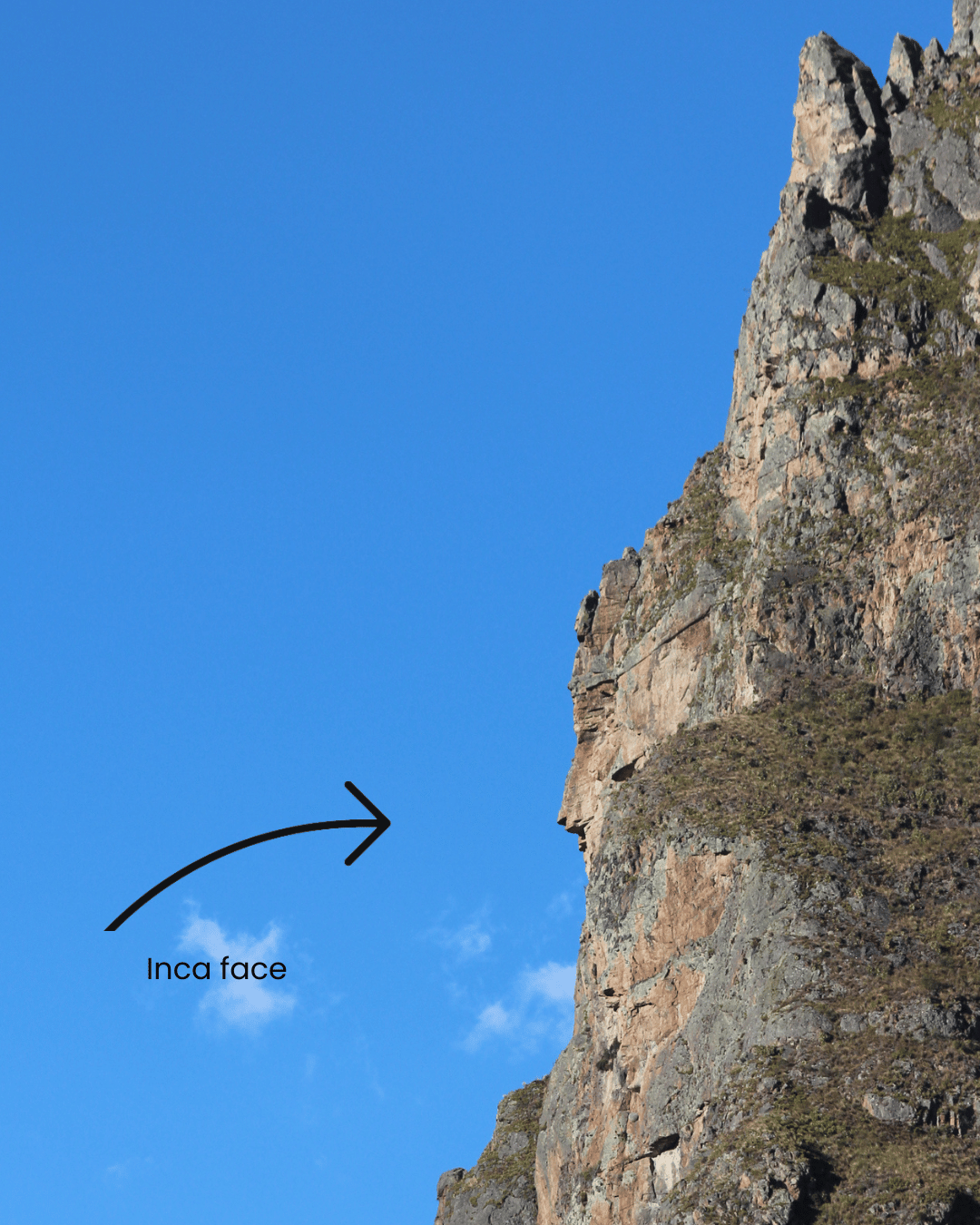
Our guide pointed this out
A foodie could get lost here! Peru's extraordinary potatoes
There it was: a basket filled with potato varieties I had never seen before.
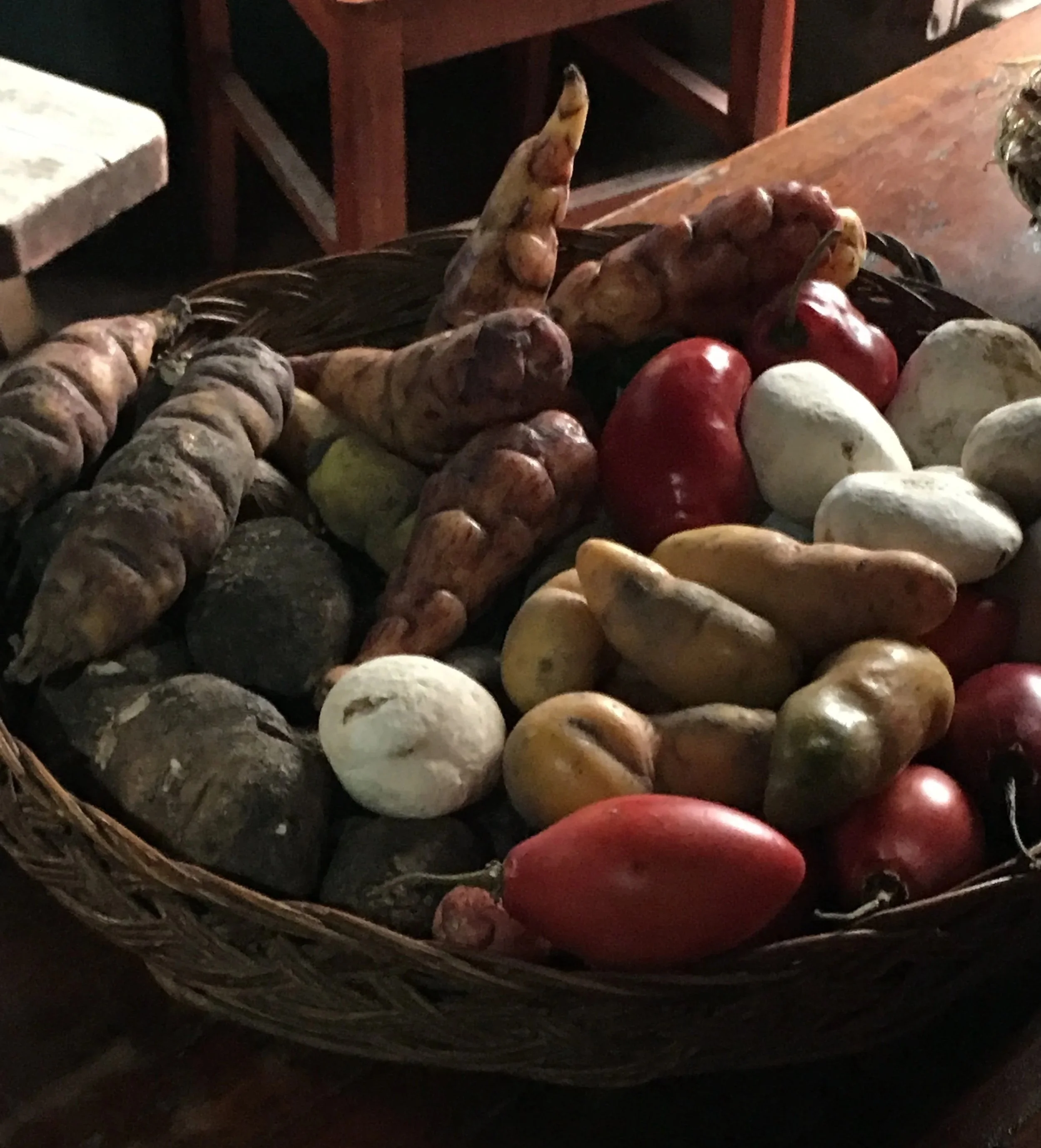
Different shapes, sizes and colours. Some smooth, some knobbly, some looking almost too pretty to peel.
For a foodie like me, this was a little slice of heaven!
Peru is one of the great centres of potato diversity, and the Andes are home to thousands of native varieties. Potatoes have been cultivated in this region for thousands of years, and the knowledge passed down through generations is nothing short of remarkable. Exploring the agriculture here will centainly help when we hit Lima and go to the 4th top resteraunt in the world - Central. A place that uses the produce of Peru. I can hardly wait.
The Incas and the Andean communities before and after them developed extraordinary agricultural knowledge, learning how to grow and preserve crops in some very challenging environments.
One particularly fascinating traditional preservation method is chuño, a freeze-dried potato made using the natural combination of cold Andean nights and strong daytime sun. The process allows potatoes to be stored for long periods.
Imagine having a way to preserve food without a refrigerator or freezer!
This is where my love of food and travel really collide. Food tells us so much about a place — its history, its geography, its people and the ingenuity required to thrive in a particular environment.
It was another reminder that the Incas weren't only extraordinary builders. They were highly skilled farmers, food producers and innovators.
And with that, Day 2 in the Sacred Valley had delivered just about everything: beautiful textiles, mysterious terraces, a questionable local drink, a frog game, mountains of salt and some seriously impressive stonework.
Tomorrow, we leave the Sacred Valley behind and make our way toward the base of Machu Picchu, to a little town called Aguas Calientes.
And if everything we've seen so far is any indication, the adventure is only getting better.