After travelling through the Andes aboard the luxurious Belmond Andean Explorer , we arrived in Cusco. I thought the train journey had already delivered some pretty spectacular scenery, but Peru wasn’t finished surprising us.
We had just a couple of days in Cusco before heading into the Sacred Valley, and eventually to the legendary Machu Picchu. What followed was a whirlwind of ancient engineering, colourful communities, extraordinary landscapes, interesting food and a few moments that had me wondering just how adventurous I really was.
And yes, there was guinea pig. But we’ll get to that!
Cusco: Take a deep breath… literally!
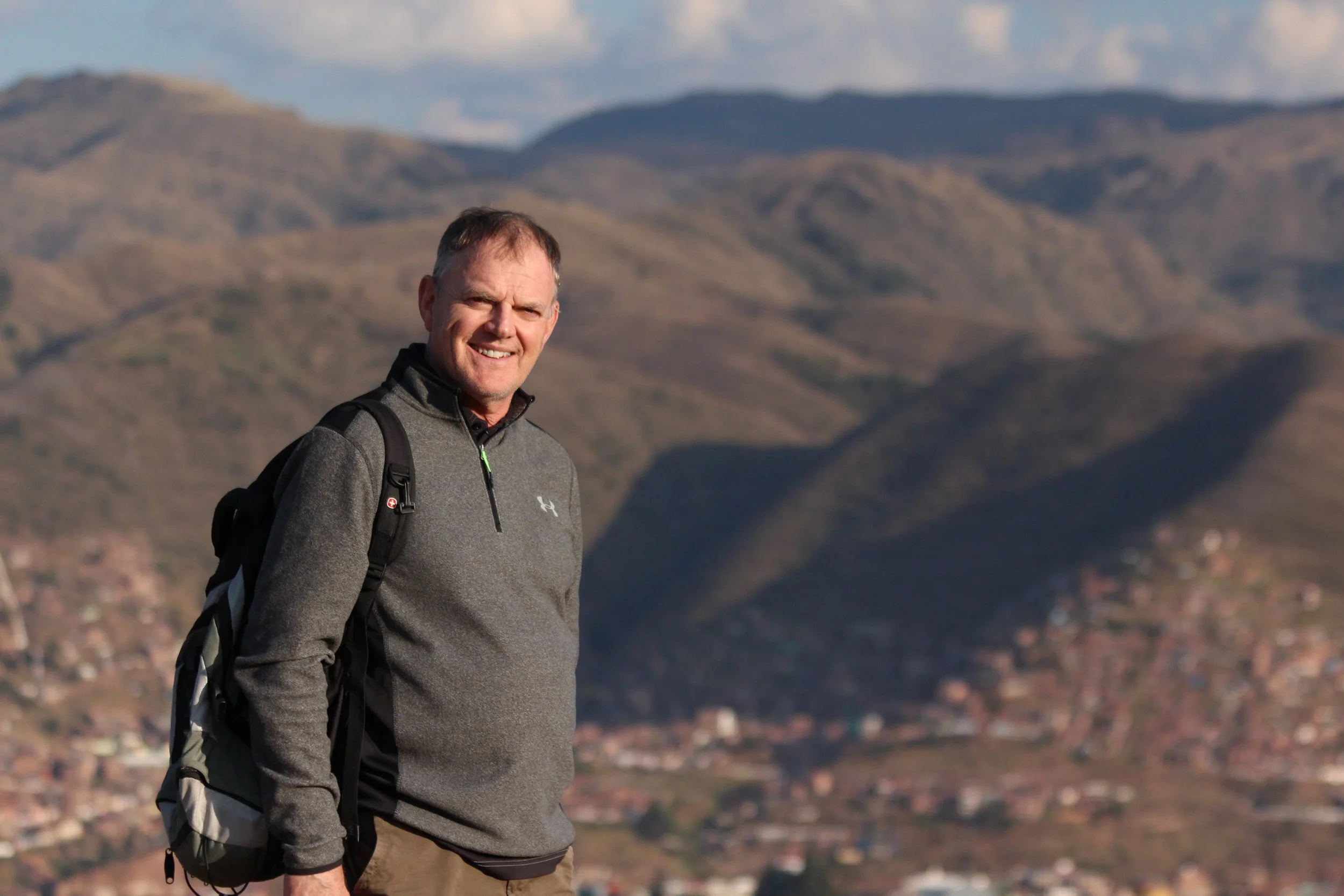
Cusco sits approximately 3,400 metres (11,150 feet) above sea level. That’s high enough to remind you that your body isn’t quite operating on its usual settings.
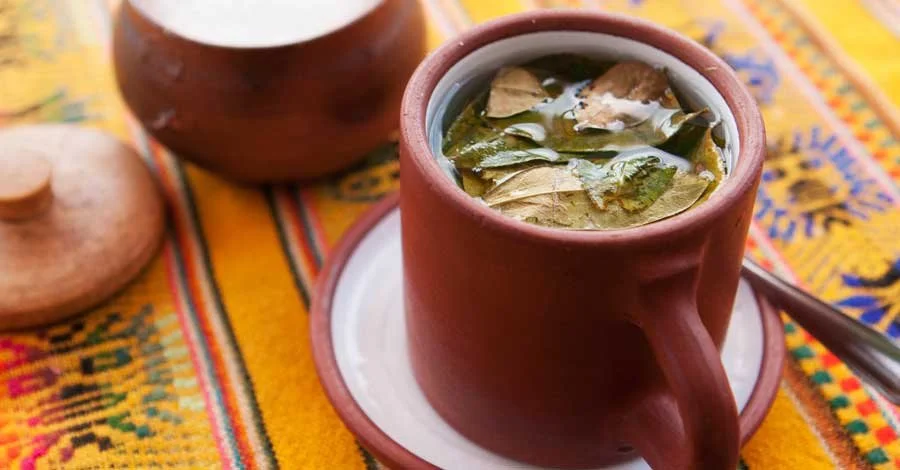
It’s no wonder coca leaves are everywhere. Hotels offer coca tea, little shops sell coca candies, and you’ll see people chewing coca leaves.
Now, before anyone gets the wrong idea, coca leaves have a long history in Andean culture. They are not the same thing as processed cocaine. Indigenous communities have traditionally used the leaves in social, ceremonial and everyday practices.
Coca contains naturally occurring alkaloids, including small amounts of cocaine. Traditionally, the leaves are chewed or steeped in hot water to make tea. Many travellers try coca tea hoping it will help with altitude symptoms.
A little travel fact: Despite its popularity, scientific evidence that coca tea prevents or treats altitude sickness is lacking. The best approach is to acclimatize gradually, take it easy and pay attention to how your body feels.
I certainly wasn’t going to turn down a cup of something traditional while I was there!
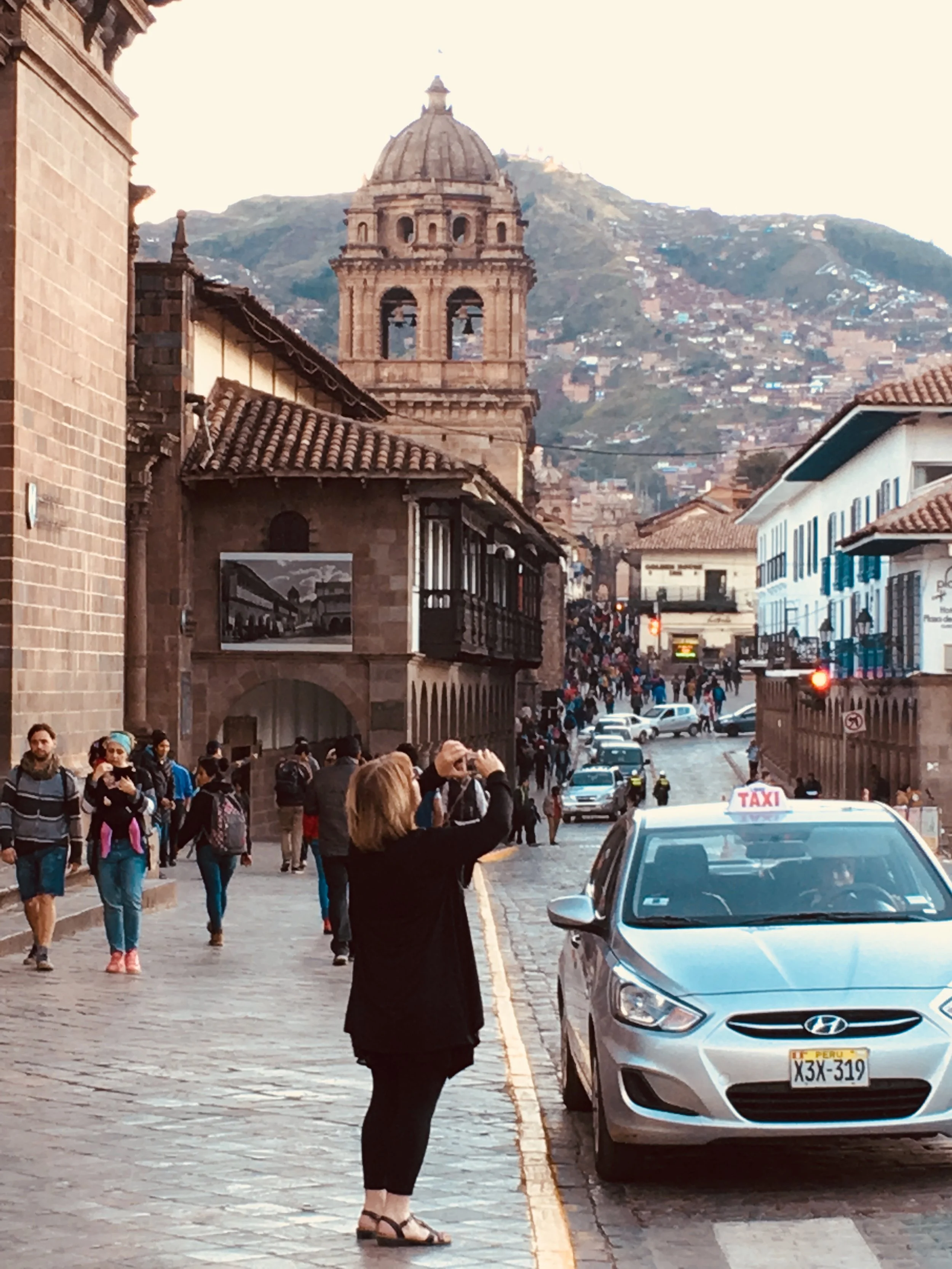
Cusco itself is fascinating. We chose a boutique hotel just a stone’s throw from the city centre. This is one of my travel rules: I would rather pay a little more to stay in the hub of a city than spend my holiday figuring out transportation. Being able to walk out the door and explore makes such a difference.
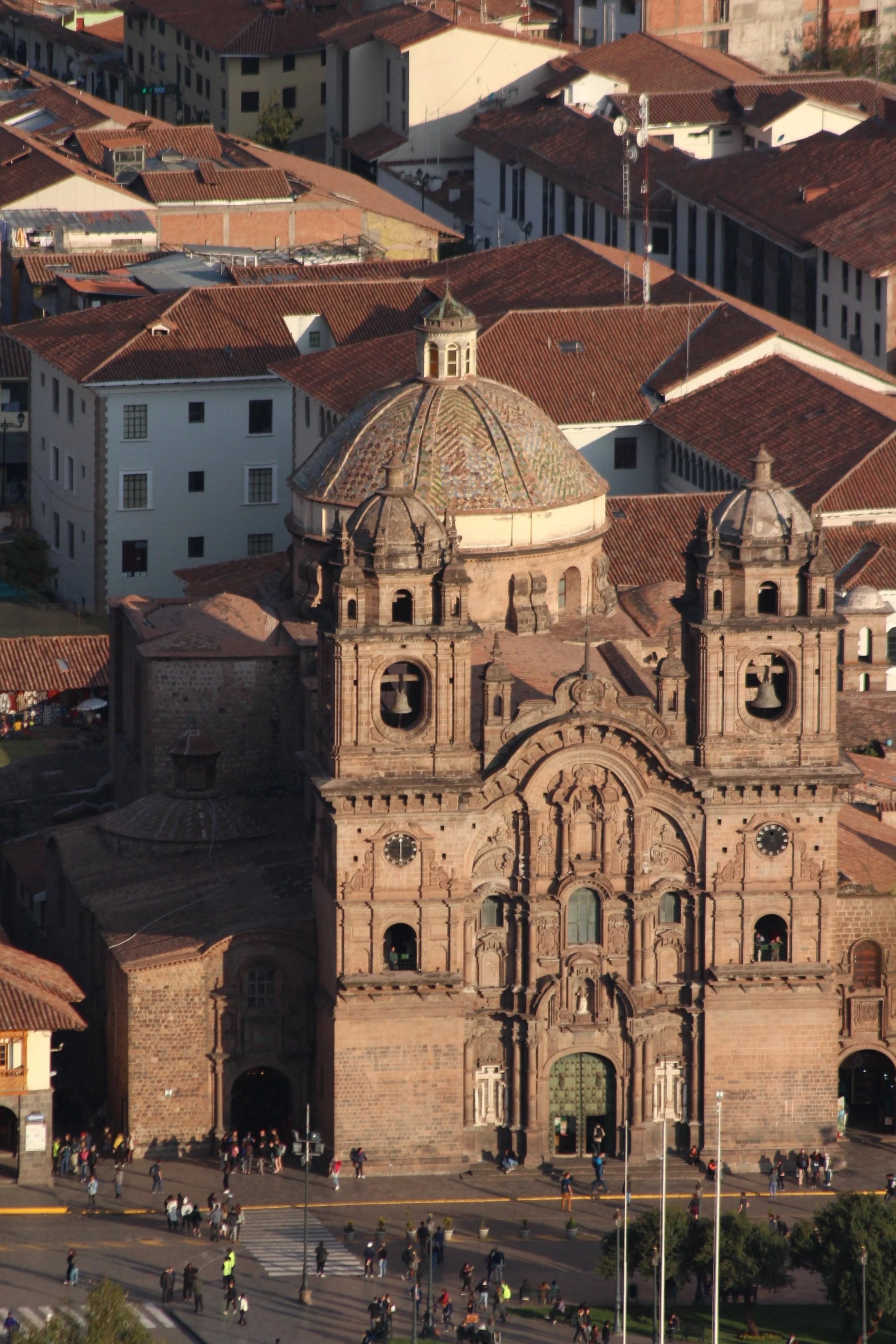
The historic centre is a UNESCO World Heritage Site, recognized in 1983. Cusco was once the capital of the Inca Empire, and its streets still reveal the remarkable combination of Inca stonework and Spanish colonial architecture.
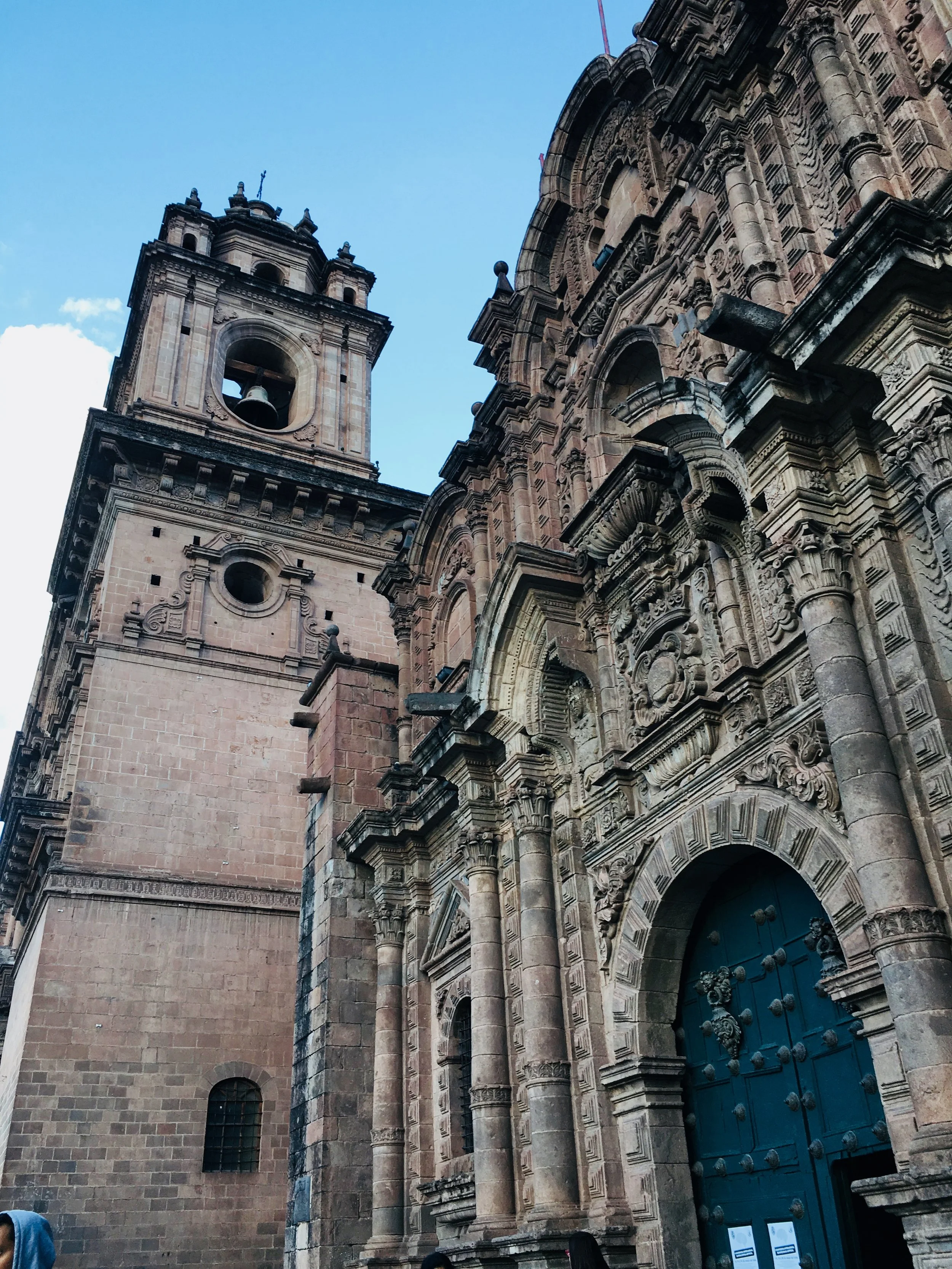
One of the most impressive sights is the enormous Cusco Cathedral overlooking the Plaza de Armas.
The cathedral was built during the Spanish colonial period, beginning in the 16th century, on the site associated with the former Inca palace of Viracocha. Its construction took decades, and the result is an impressive blend of Renaissance, Gothic and Baroque influences.
Look closely and you’ll see that the foundations and lower walls tell a different story from the elaborate colonial architecture above them. This is Cusco in a nutshell: one civilization built upon another, yet the earlier one never entirely disappeared.
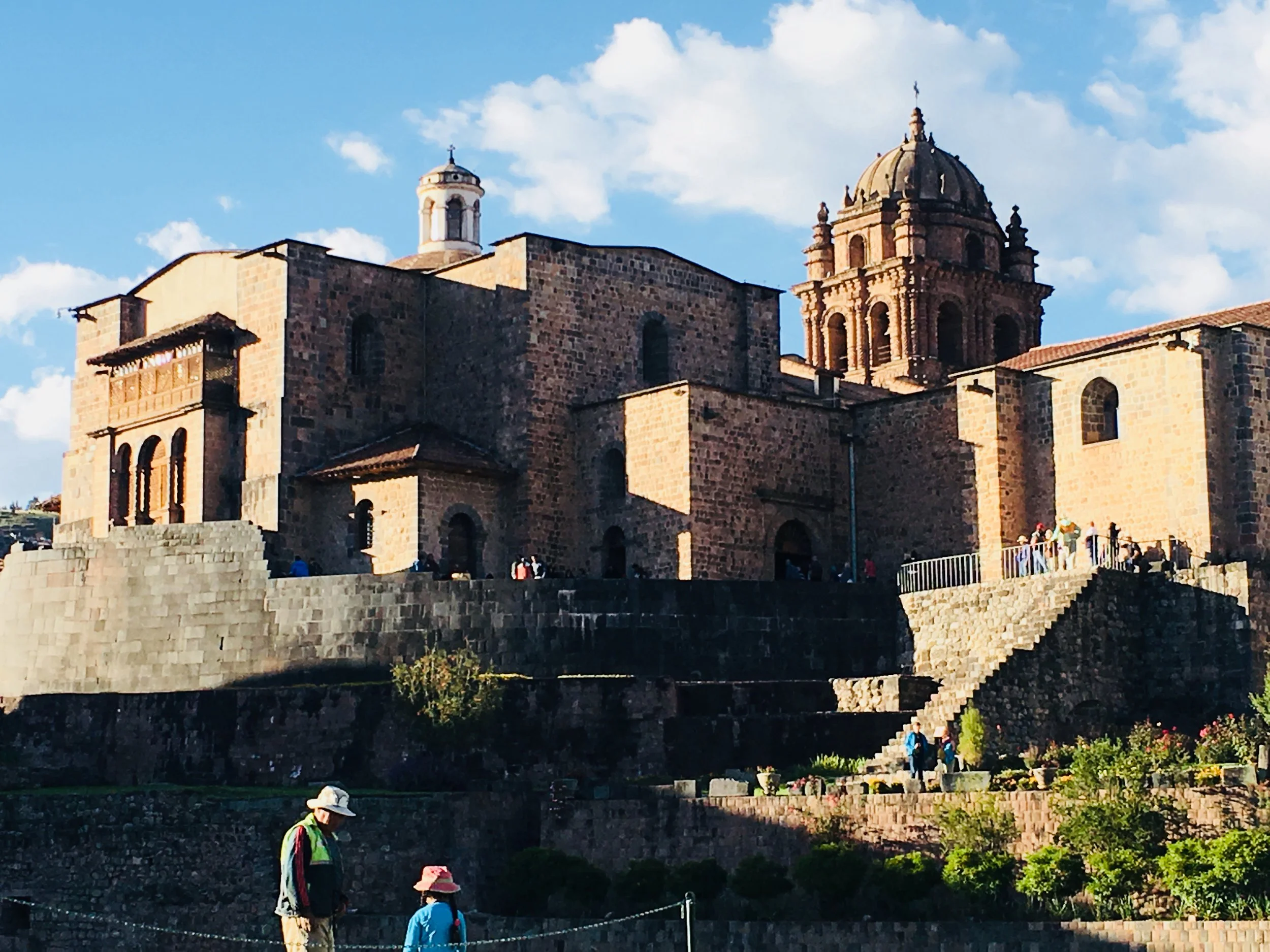
It’s a fascinating place to begin understanding how Spanish colonial rule transformed a city that had once been the heart of the Inca Empire.
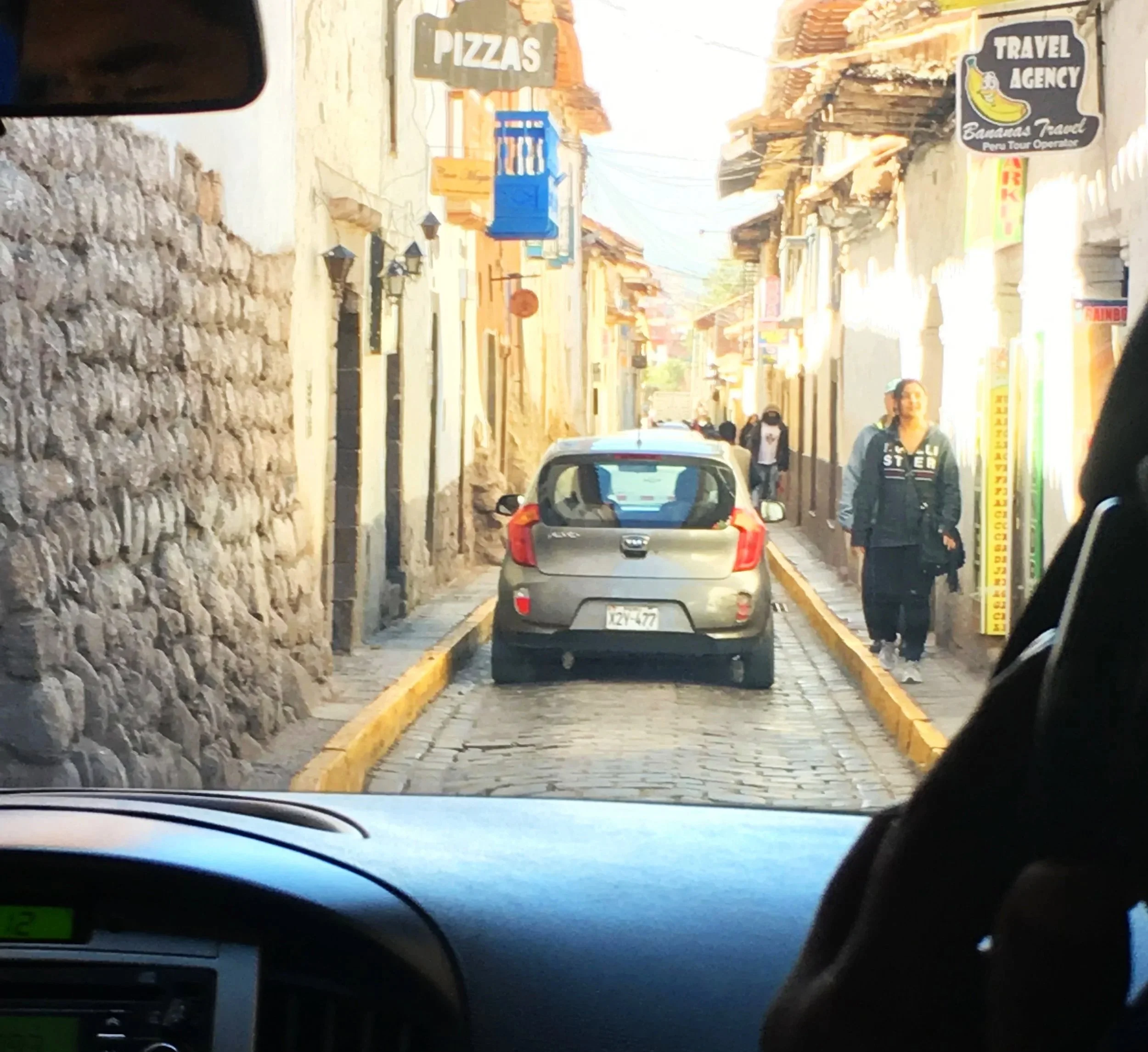
Outside, the narrow streets beckoned. We wandered past stone walls, little shops and handicraft stalls, where I spotted a beautifully decorated gourd. I knew immediately that it was coming home with me. I love finding something handmade that tells a story about the place I’ve visited.
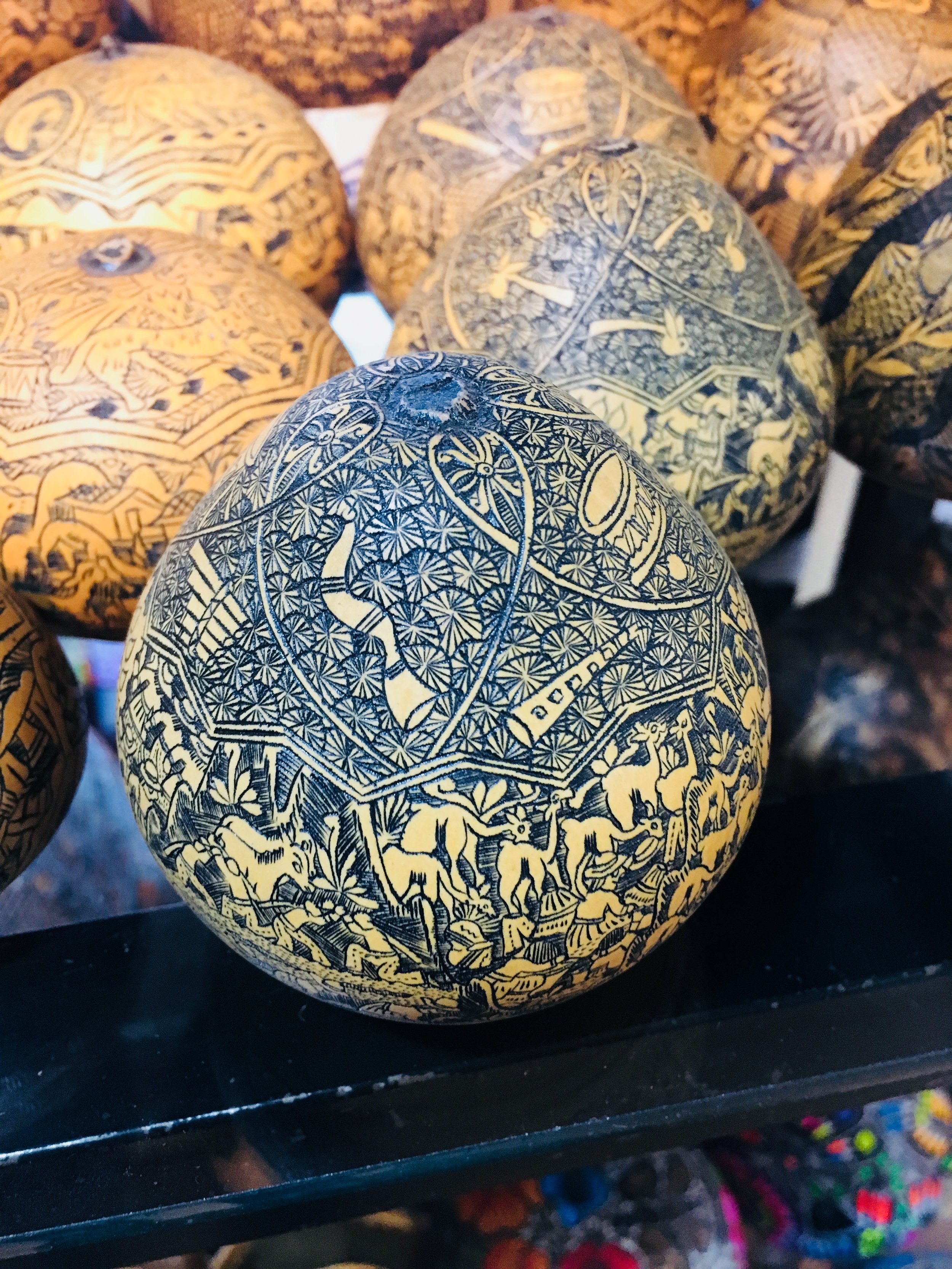
Of course, I hadn’t yet encountered the Sacred Valley’s textile markets. My suitcase was about to face a challenge.
What caught my attention just as much as the architecture was everyday life.
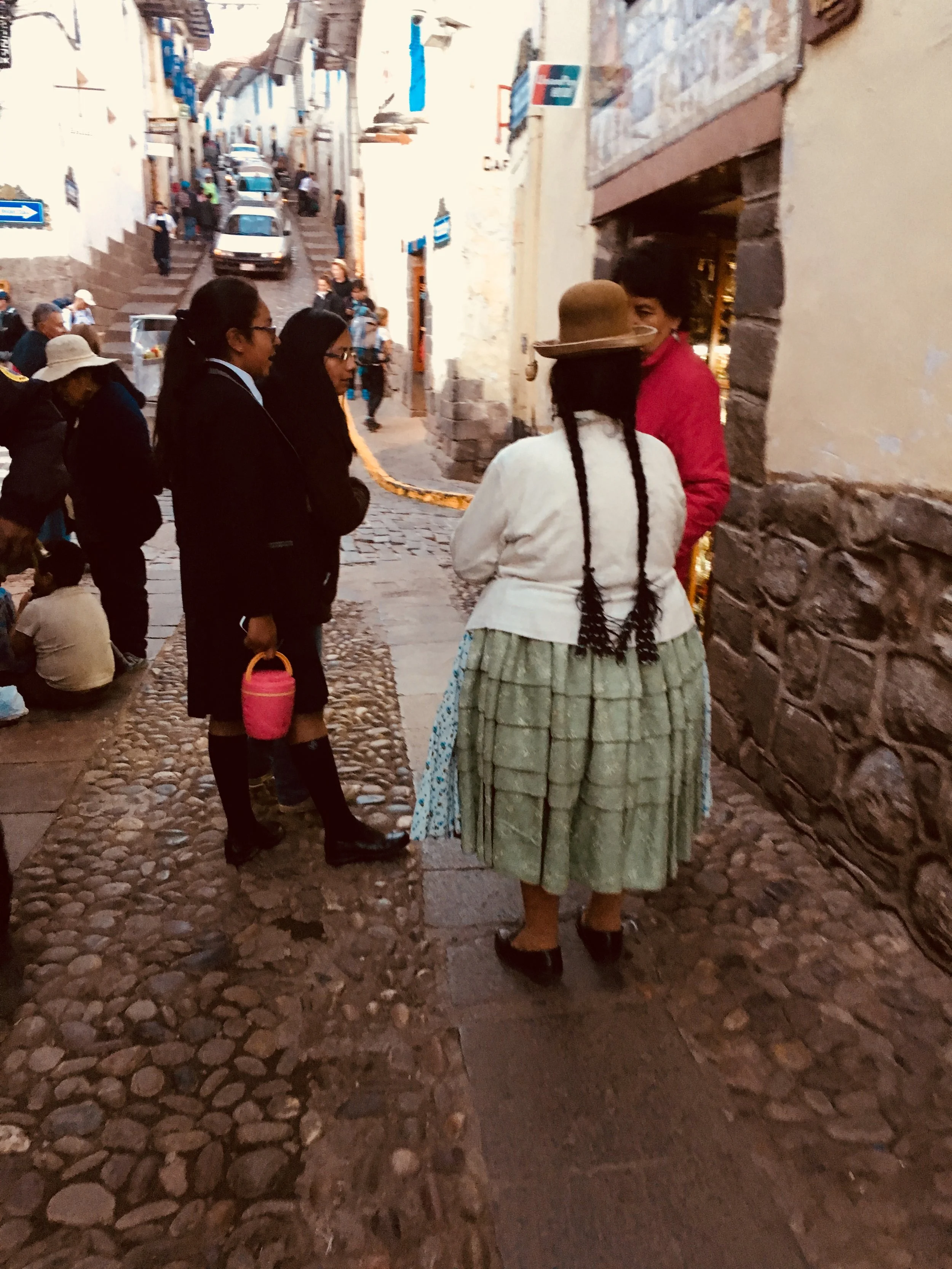
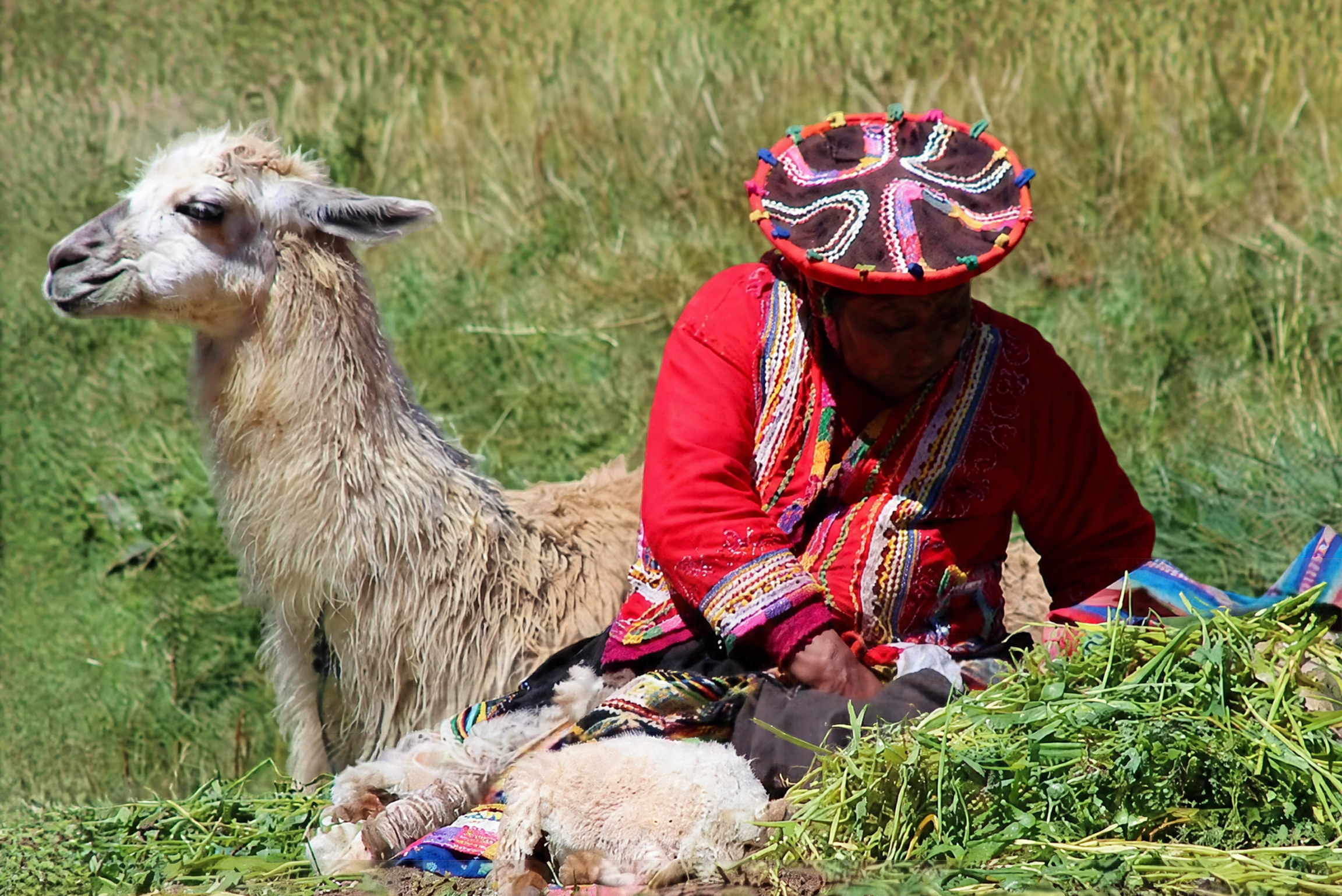
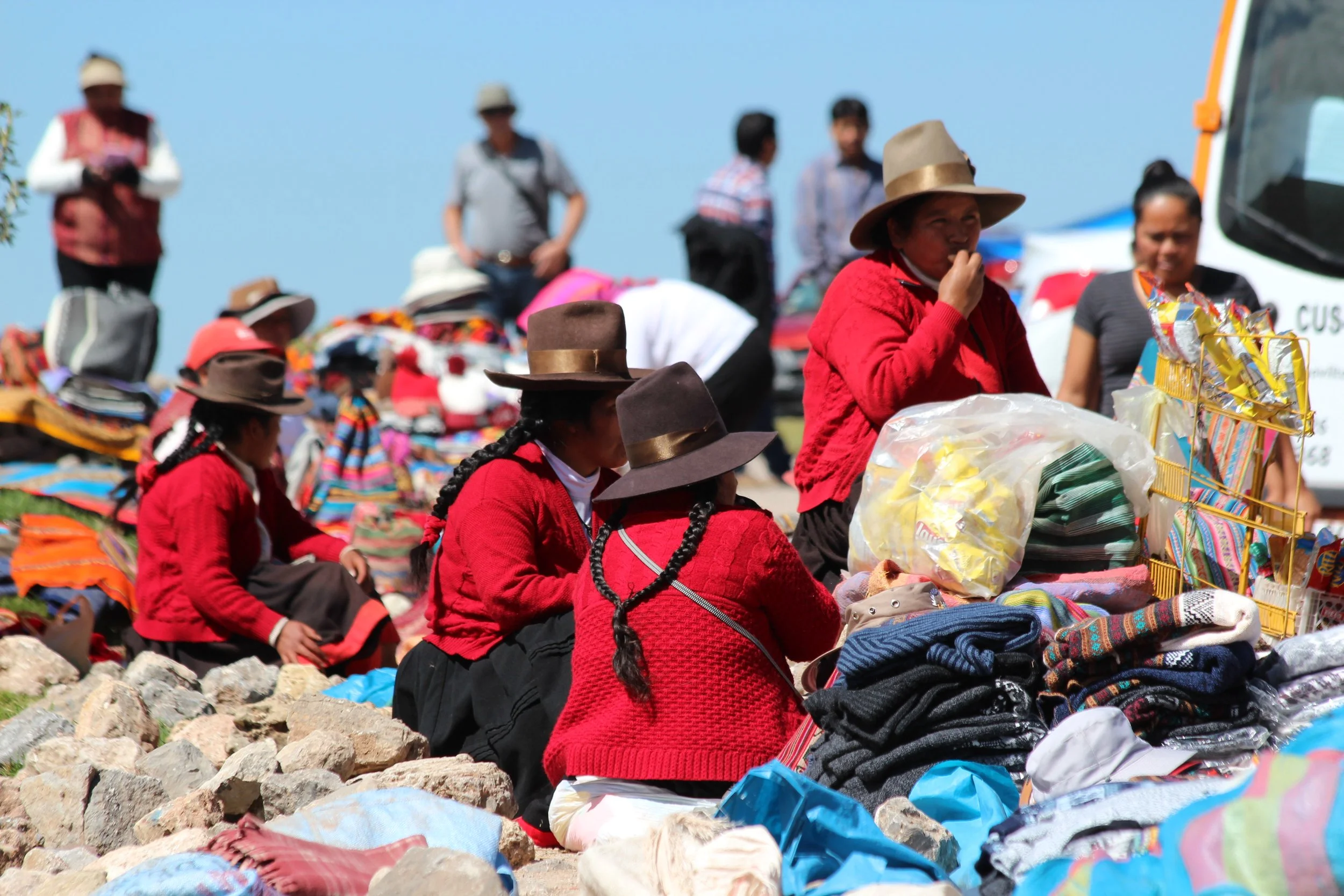
Along the sidewalks and cathedral steps, indigenous women sat with their llamas, weaving, knitting and selling their produce. Their clothing was spectacular: bright colours, layered skirts, cardigans and beautifully styled hats.
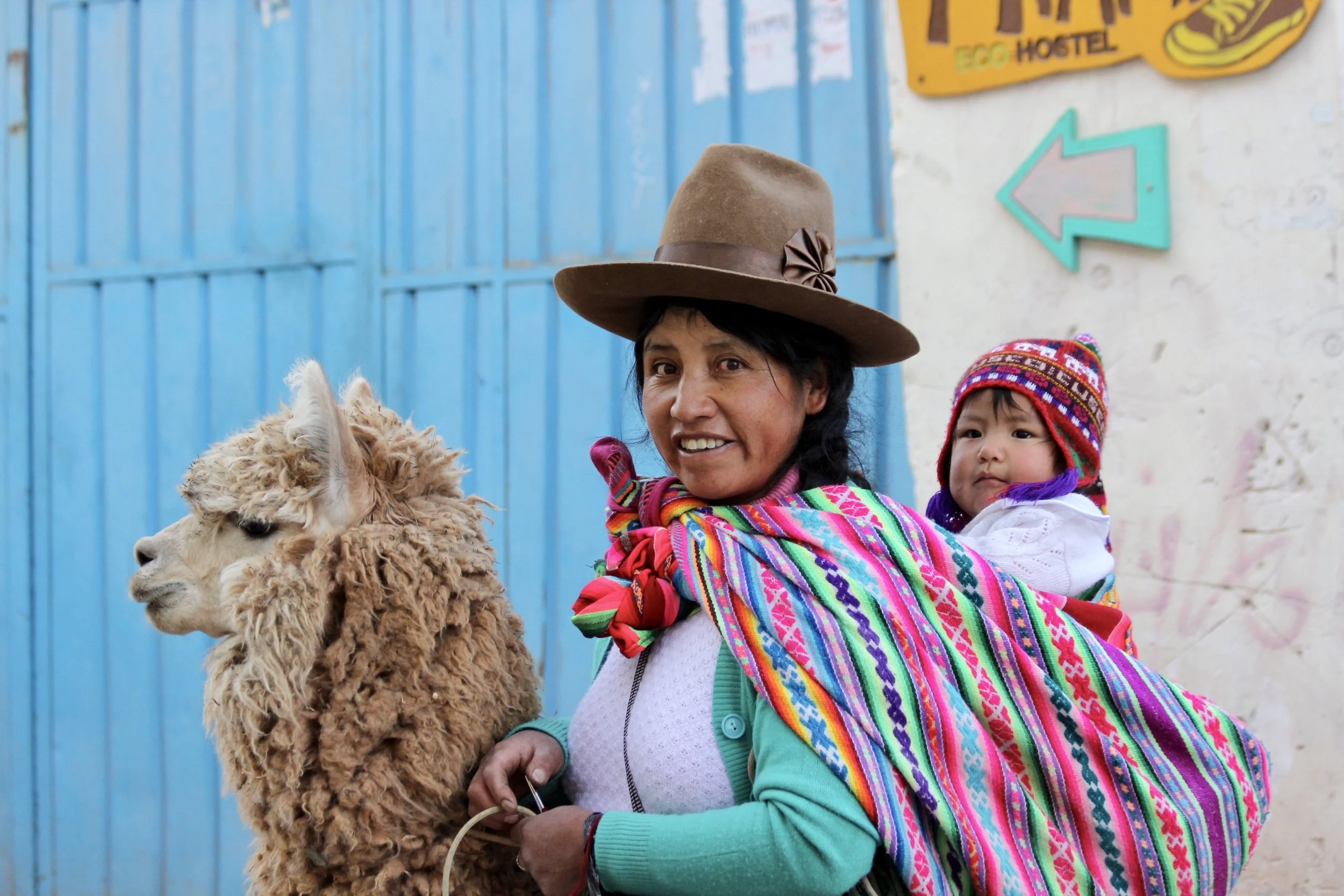
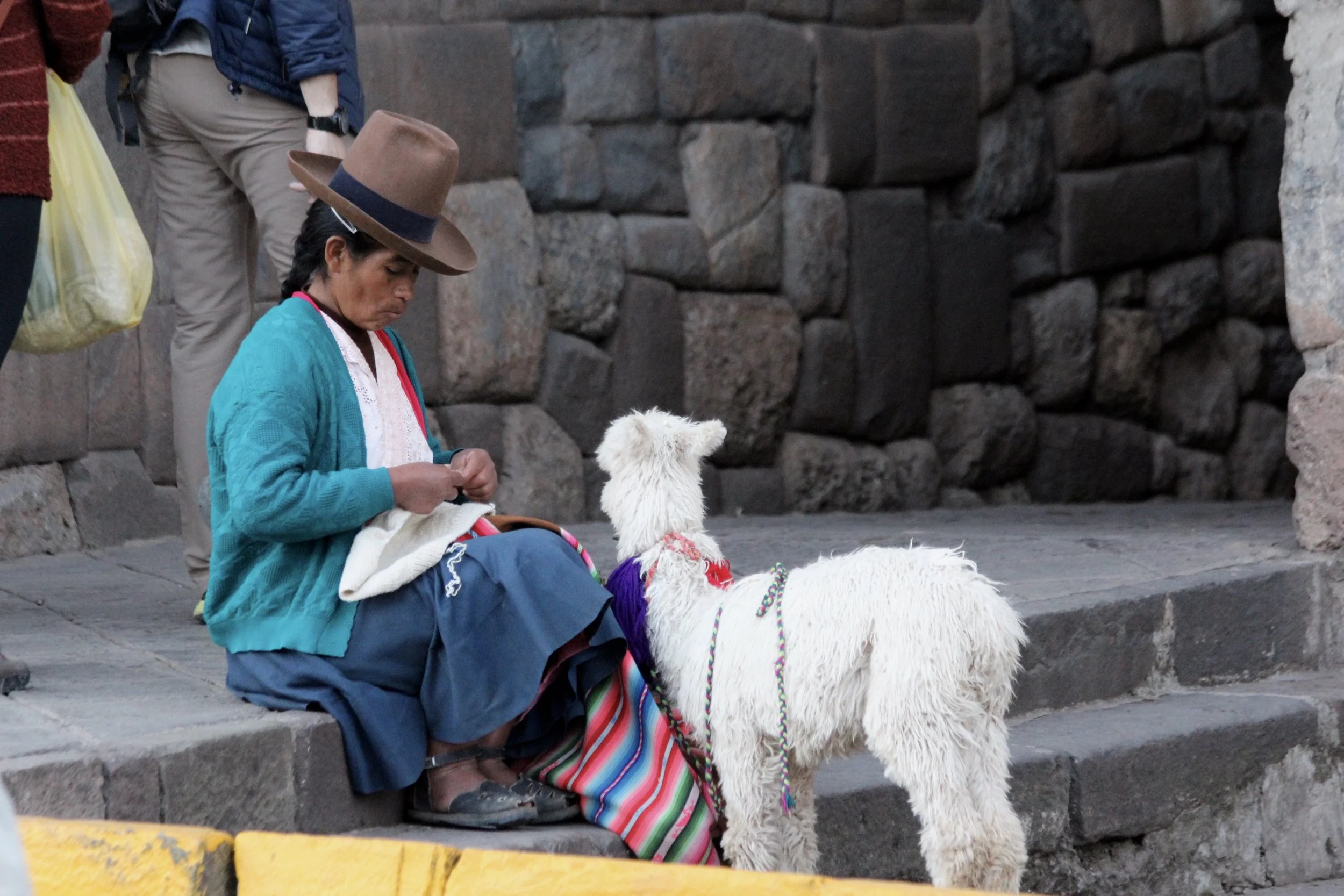
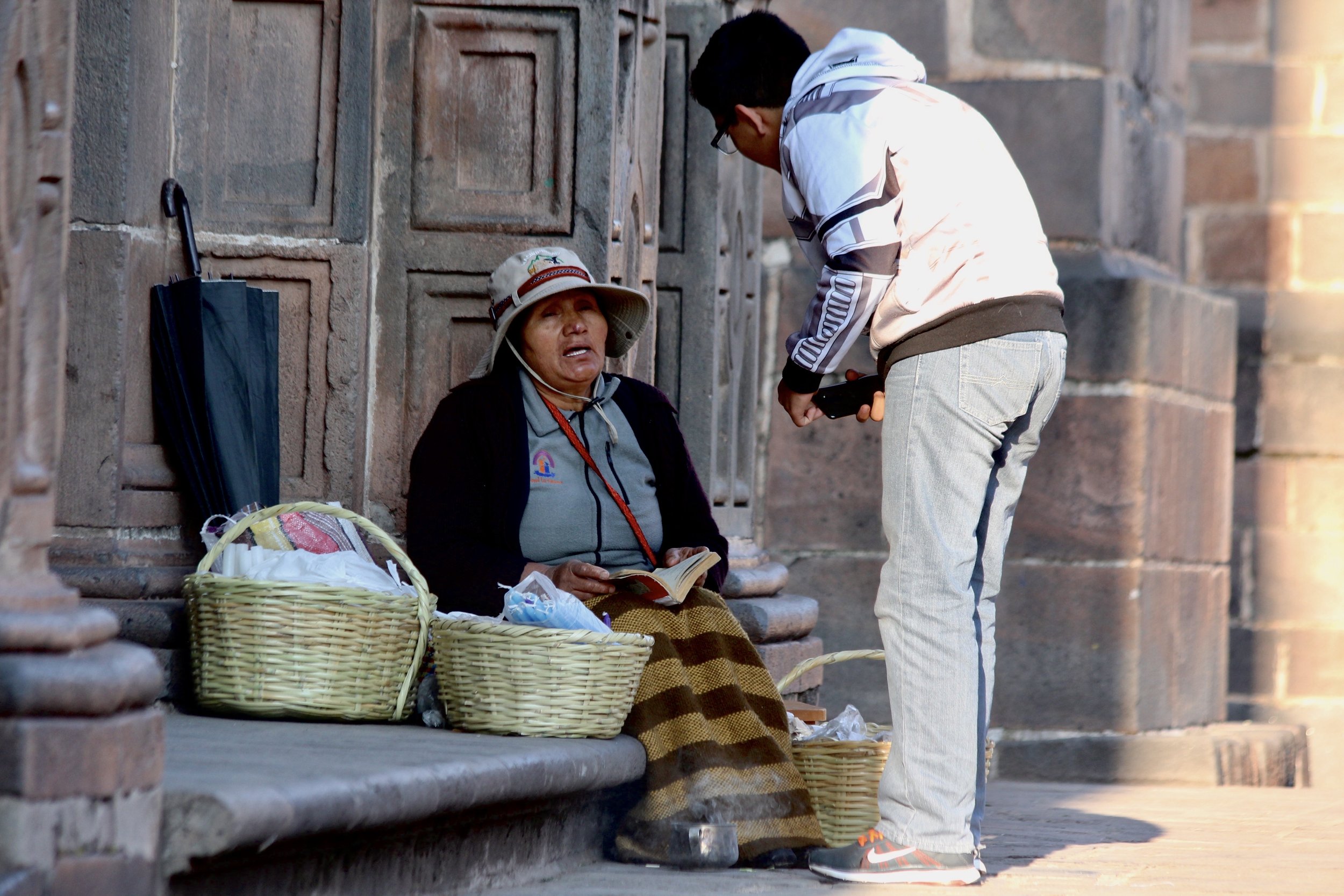
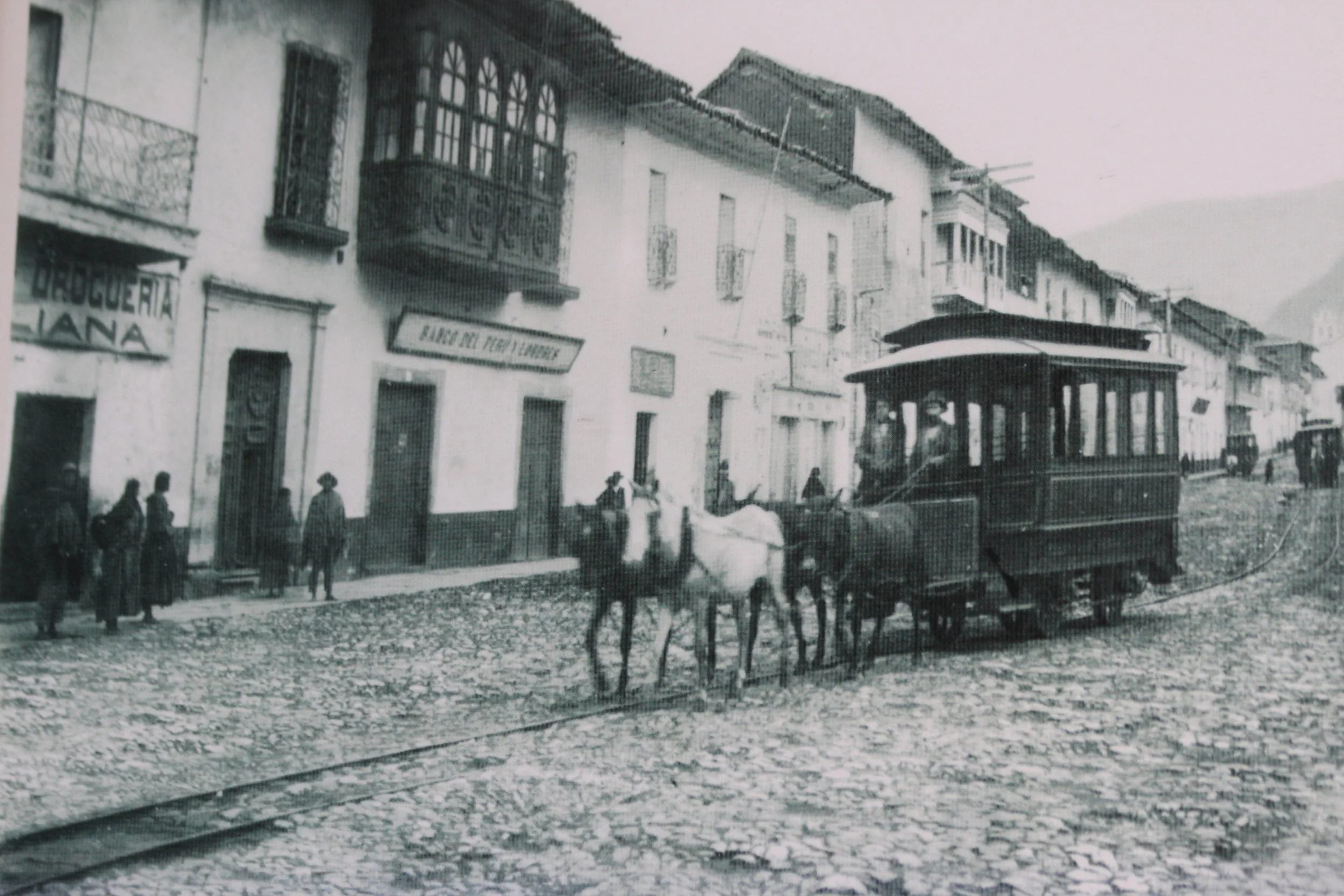
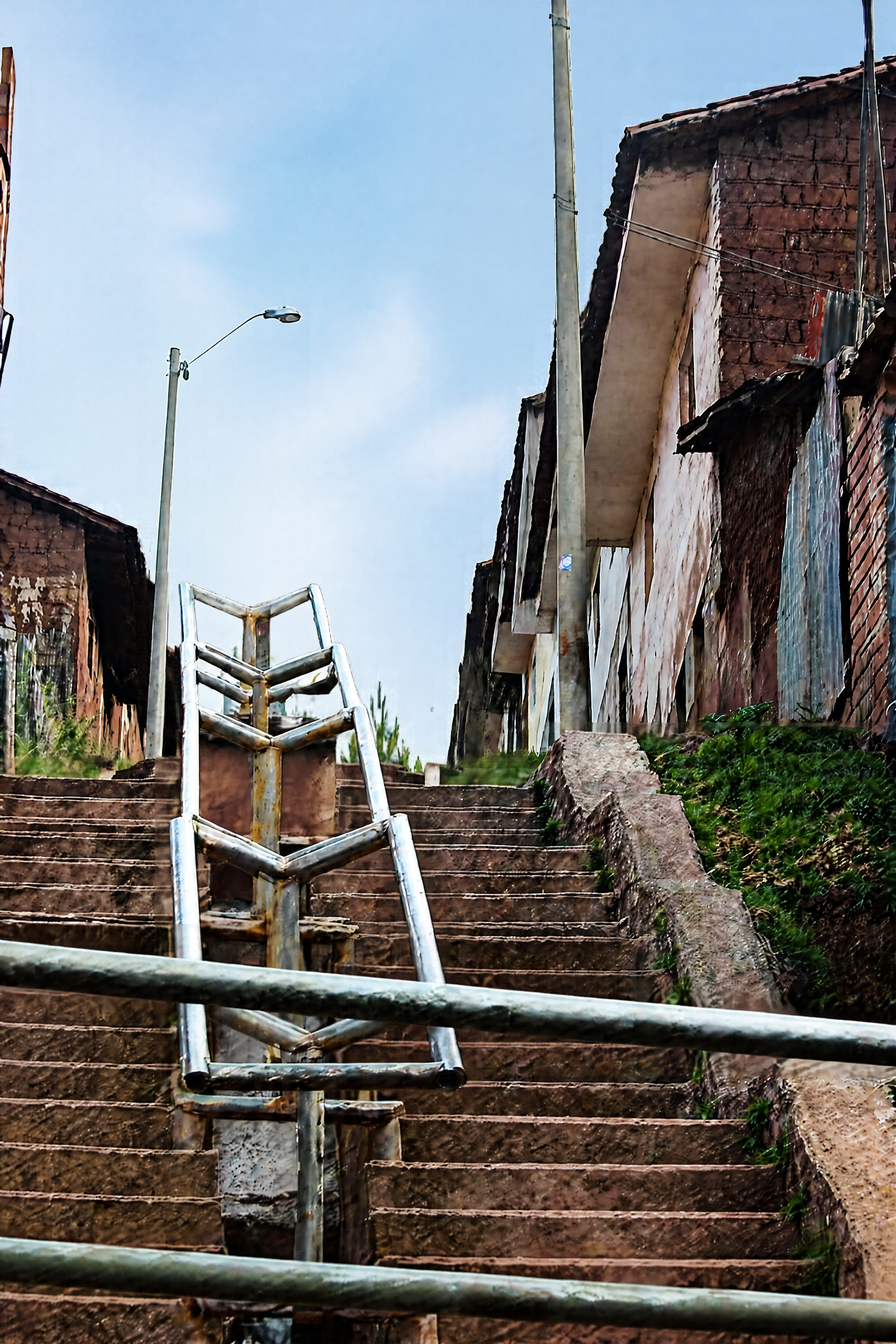
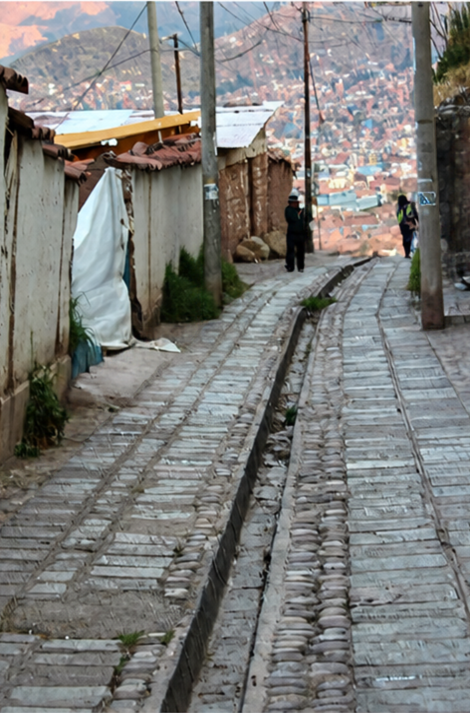
The narrow streets were another adventure. Some were steep enough to make you appreciate a good pair of walking shoes. Many had old cobblestones, and some featured a channel running down the middle of the road.
These central channels are part of the historic street drainage system, designed to move rainwater downhill. Quite ingenious when you consider that the streets were laid out centuries ago! Carring bags of produce was tought out as well with this runnel system.
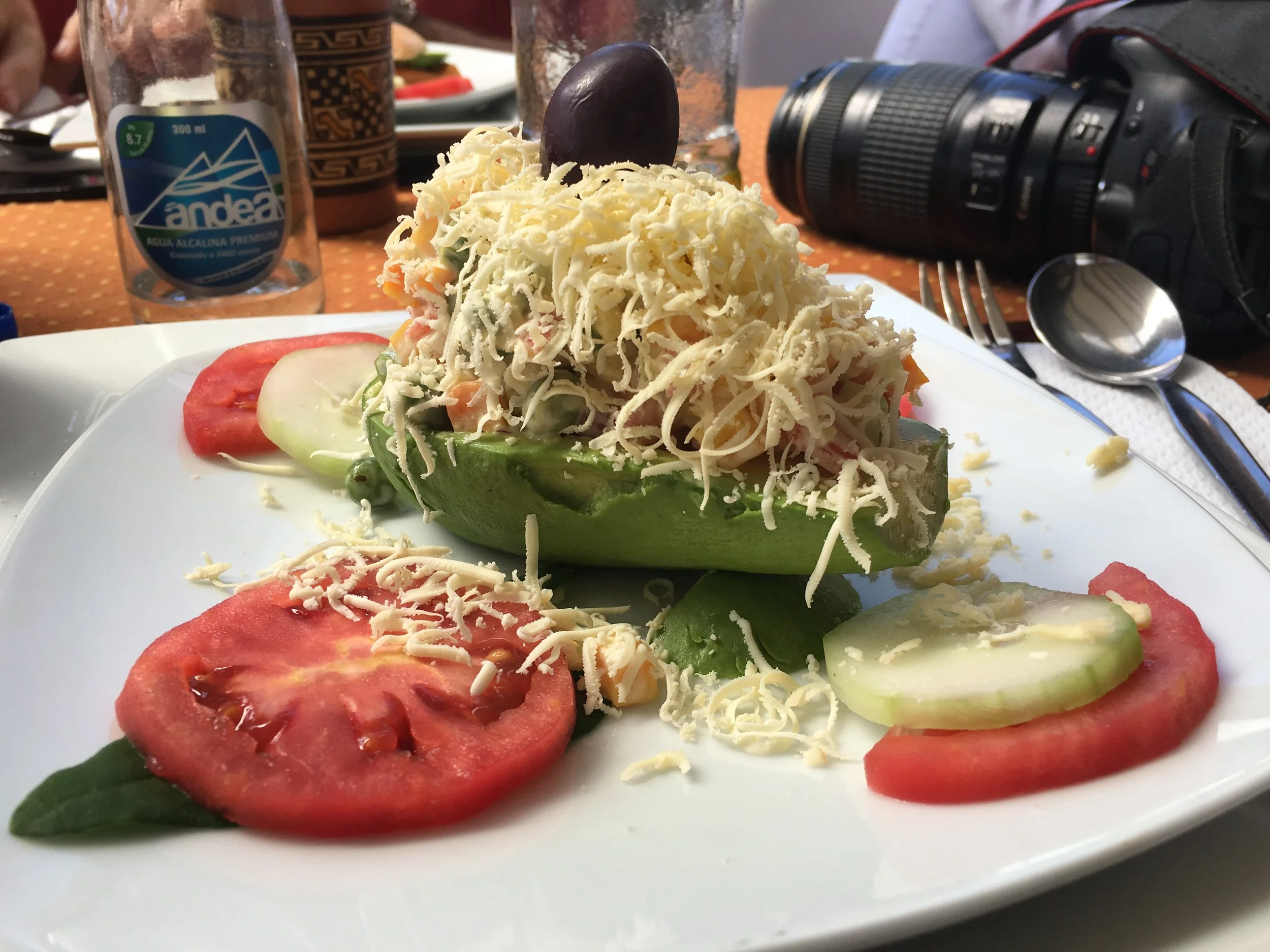
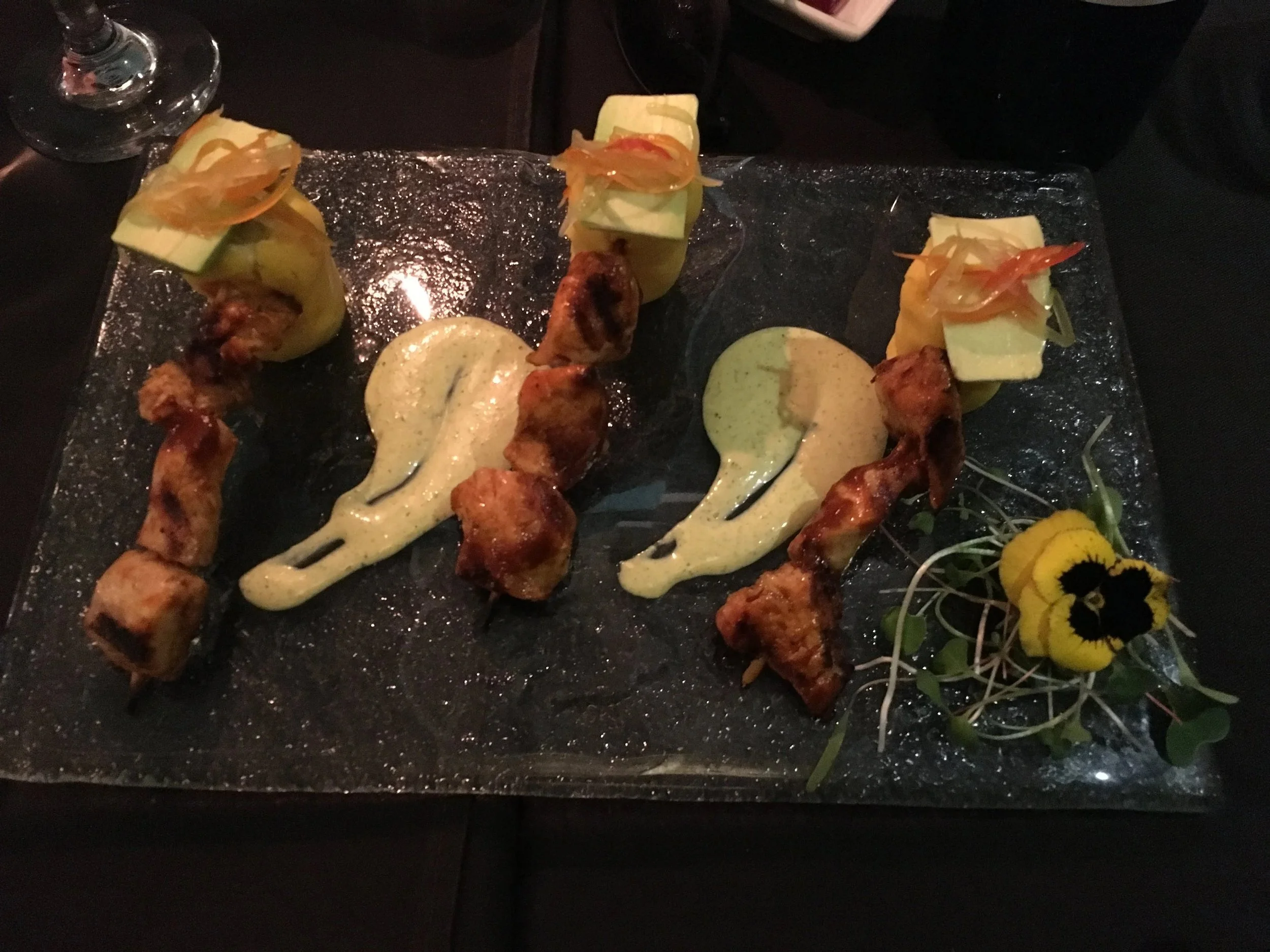
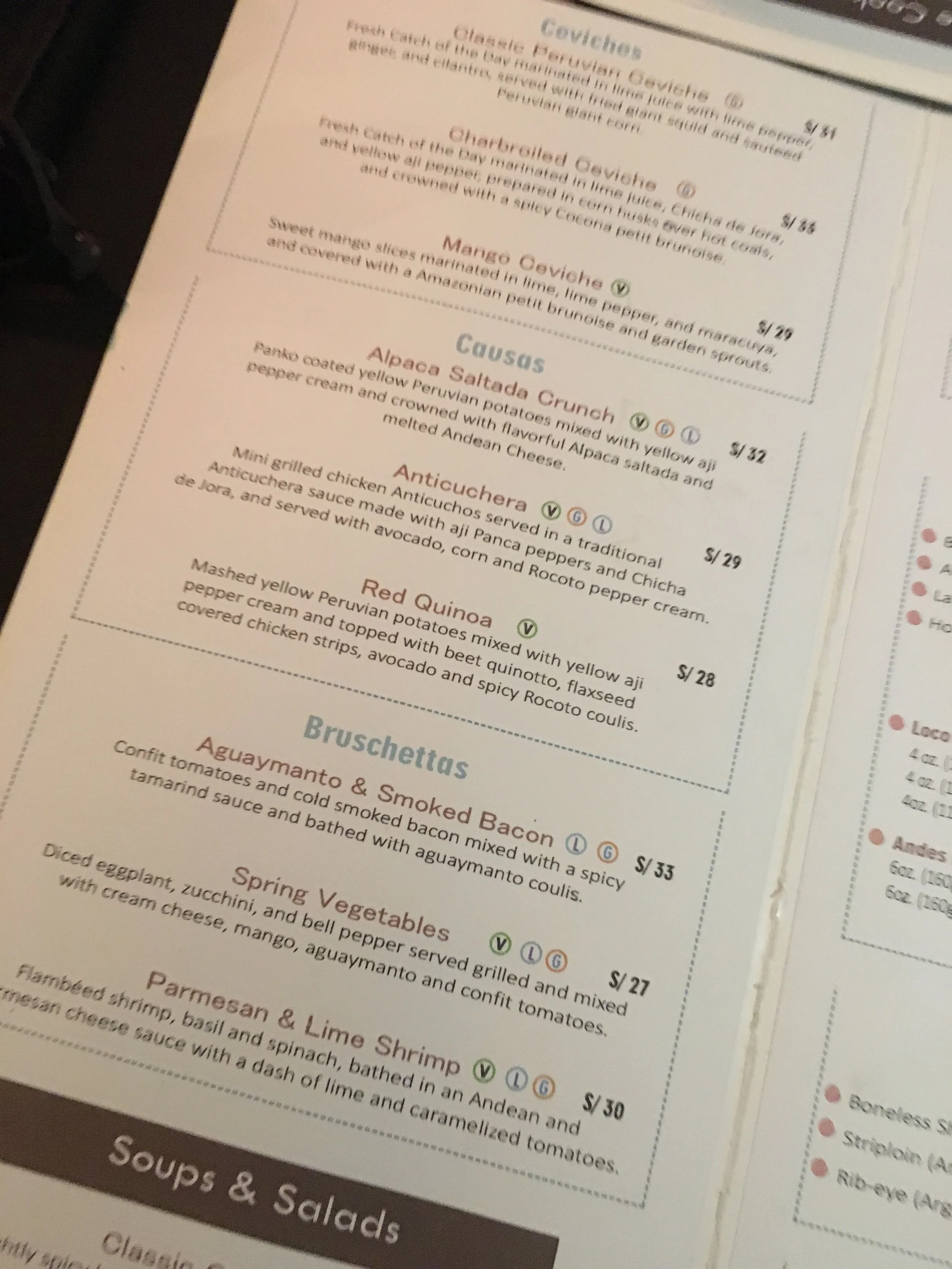
Alpaca was on the menu, including alpaca carpaccio with goat cheese. seafood and exquisite sauces. If you’re a foodie, Peru gives you plenty to talk about.
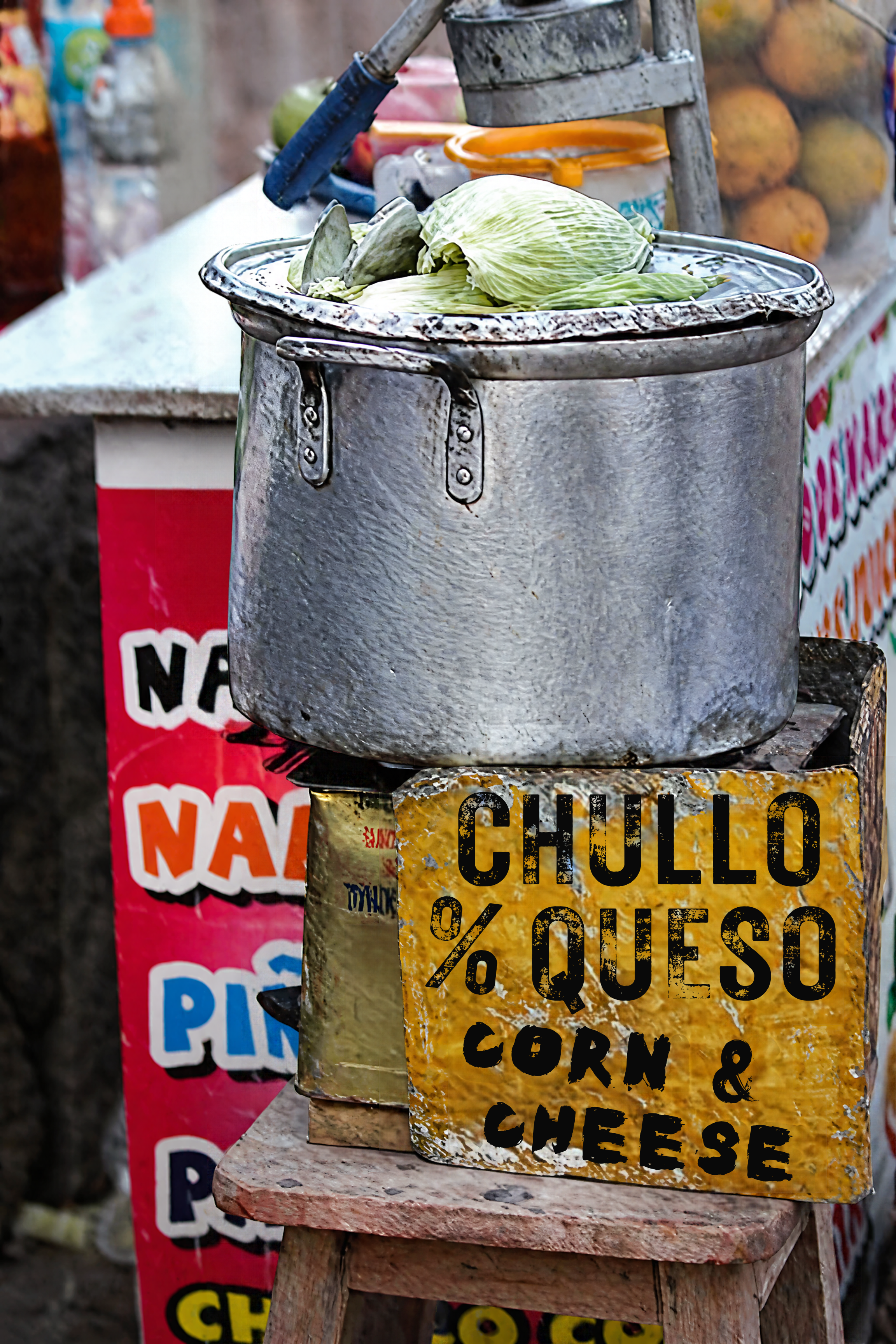
Street vendors were selling skewered potatoes and other local treats. I was also discovering that shopping in Peru could involve a little price negotiation. Local markets and tourist-facing vendors sometimes quote different prices, so it’s worth asking what something costs, comparing stalls and remembering that a little bargaining can be part of the experience.
Two days in Cusco was not enough time but we have a day on our return.
We hired a private driver. We meanered through the incredibly steep, narror cobblestone streets to tour the sacred valley.
Just a short drive from Cusco, along the road to the Sacred Valley, you'll find two fascinating Inca sites sitting side by side. Don't let the weathered stone walls fool you. Each had a very different purpose in the Inca world.
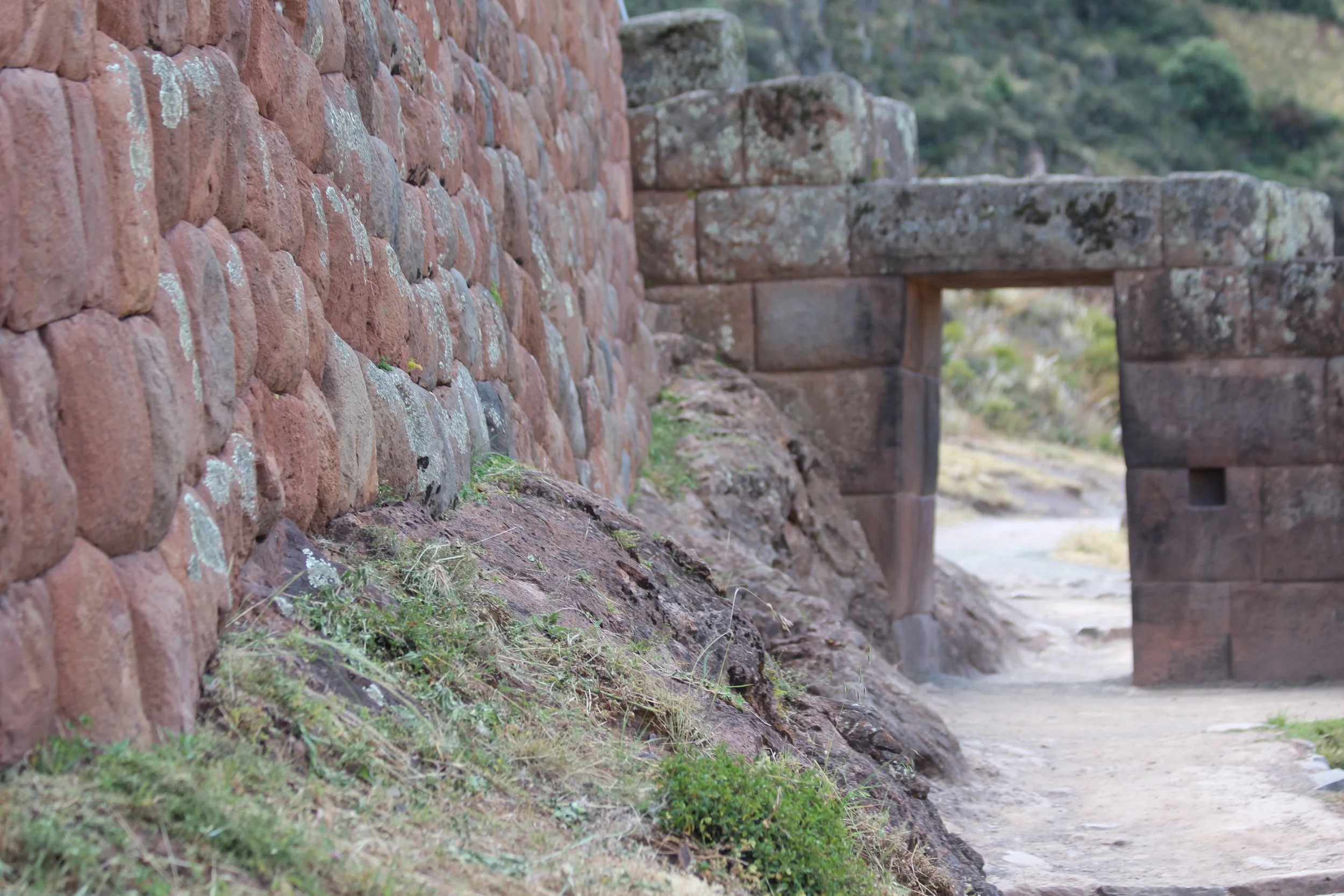
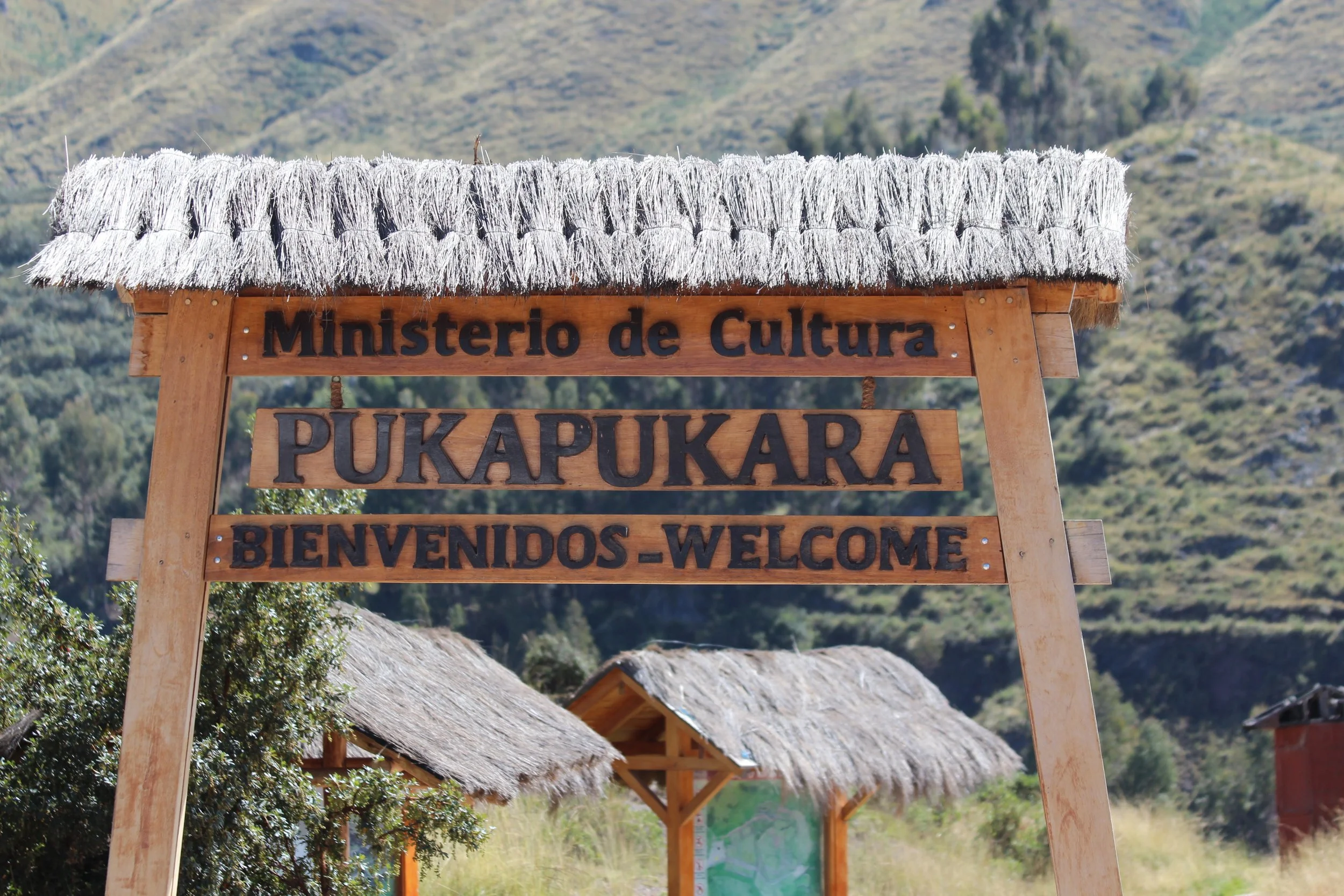
First up, Puka Pukara, meaning Red Fortress in Quechua. Perched on a hillside overlooking the valley, its stones take on a reddish hue in certain light.
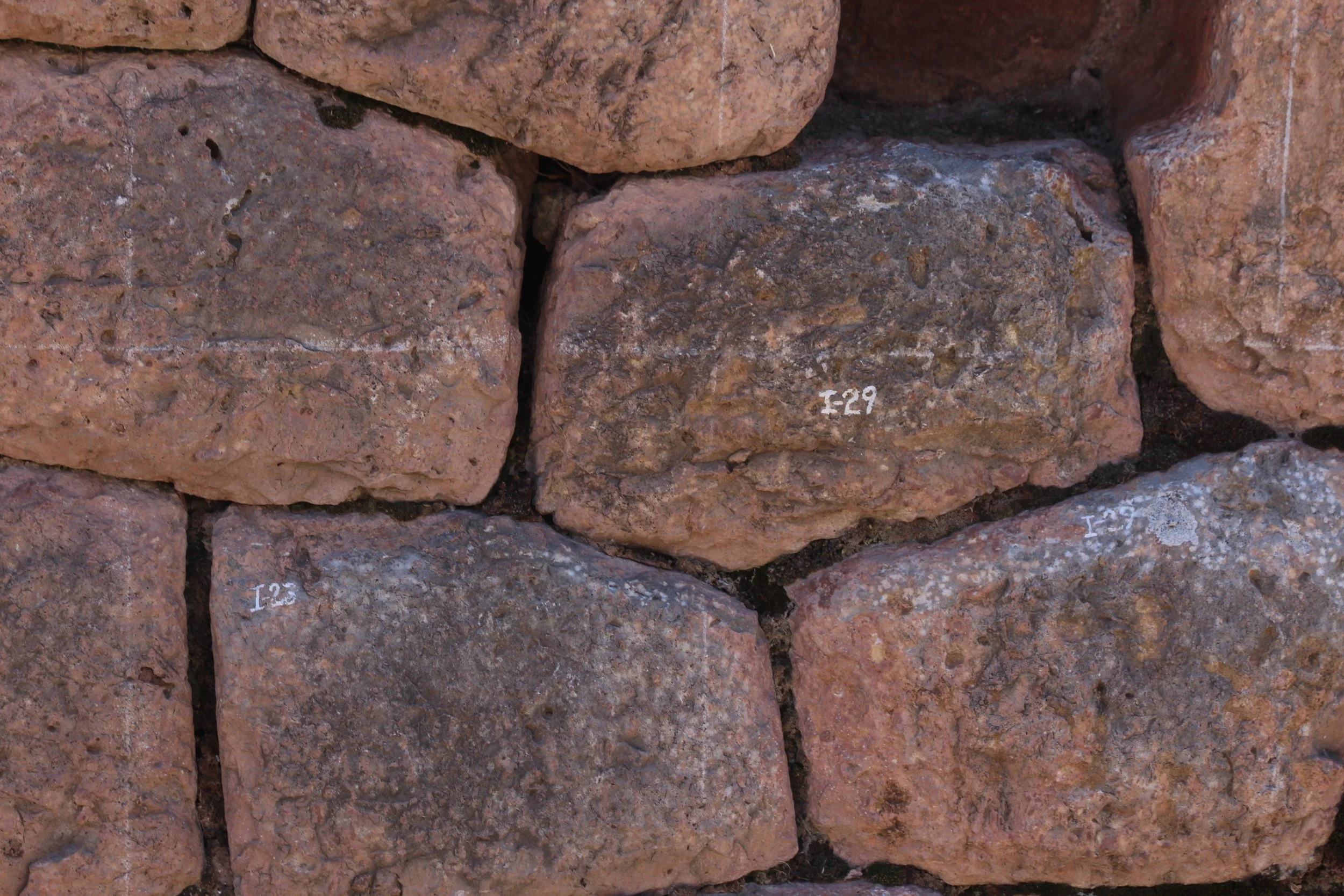
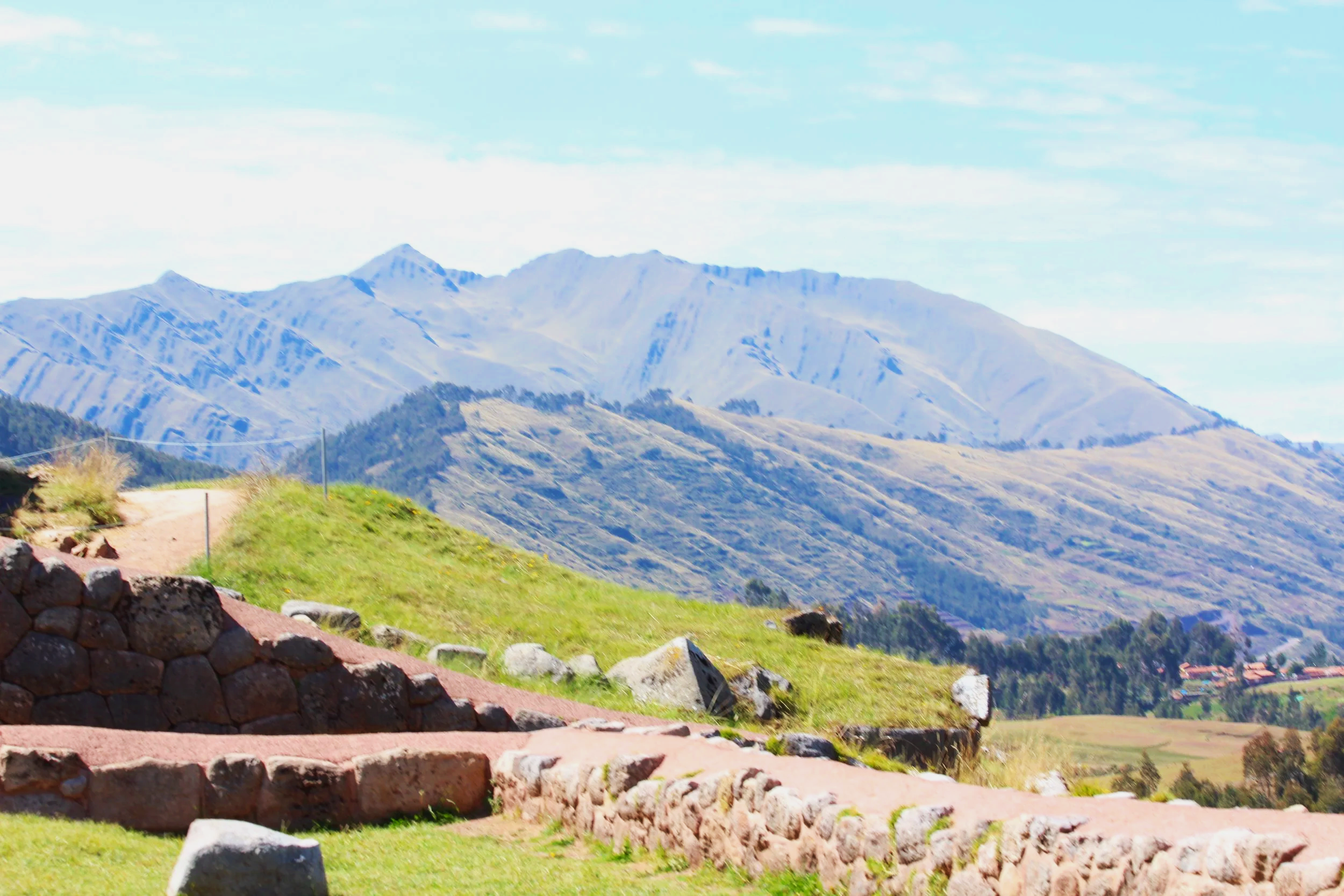
Although often described as a fortress, it likely served as a military and administrative checkpoint, with a prime view of an important travel route. Its terraces, courtyards and stone walls made it an ideal place to monitor who was coming and going.
Think of it as an ancient security station – spectacular views included! No cameras or GPS back then, just a very good lookout.
I should also point out the shape of these rocks - similar to a corn kernal. the way they are positioned in a staggered placement helps to absorb the earthquake energy and peru has lots of that with all the neighbouring valcanoes.
Now, just down the road, the atmosphere changes.
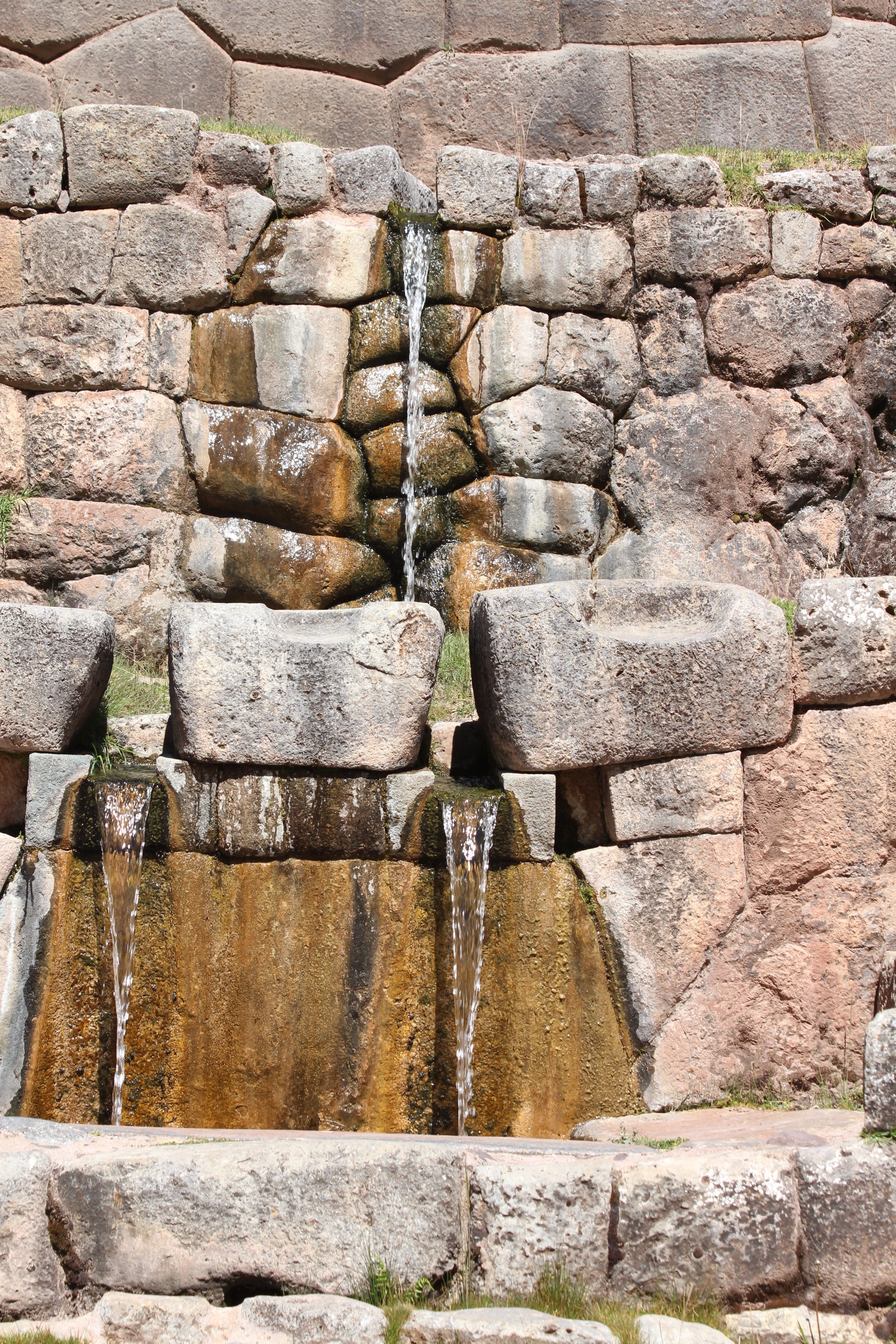
If Puka Pukara was all about keeping watch, its neighbour, Tambomachay, had a very different purpose. Often called the Inca Baths, this remarkable site celebrates something the Incas deeply valued: water.
Here, carefully carved stone channels guide natural spring water through a series of fountains and cascading pools. And here's the part that really caught my attention: the water is still flowing today!
For the Incas, water was far more than a practical necessity. It was sacred, mountains held spiritual significance, and nature was woven into everyday life. Tambomachay is a wonderful example of how their remarkable engineering and spiritual beliefs came together.
Two neighbouring sites, two very different roles. One helped oversee an important travel route; the other honoured the life-giving power of water. The exact purpose of both remains open to archaeological interpretation, but together they offer a fascinating glimpse into Inca ingenuity.
More Than Just a Pretty Hat!
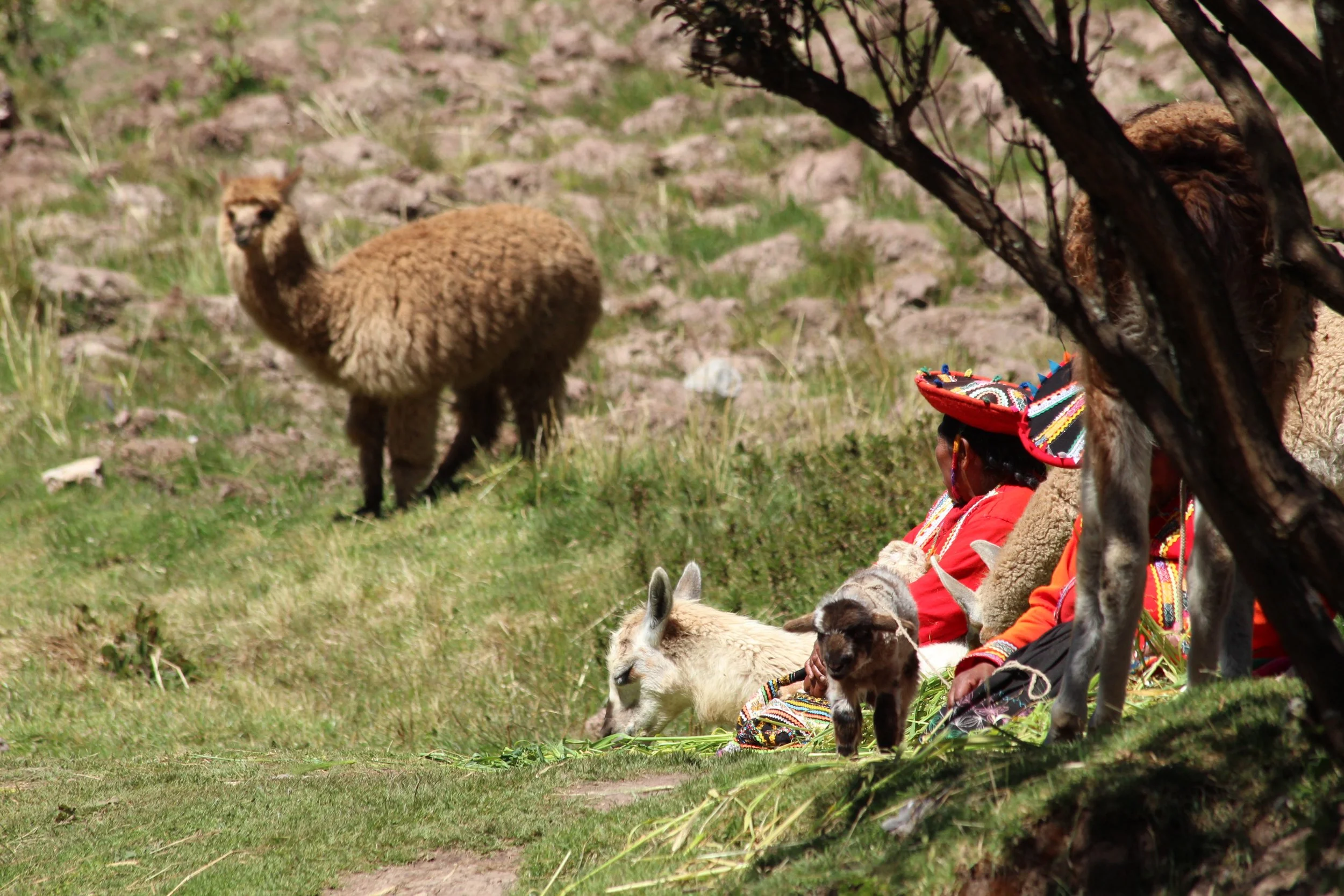
At both entrances, we were greeted by women dressed in bright red cardigans, colourful layered skirts and distinctive hats, surrounded by llamas and beautiful handwoven textiles. It was like stepping into another world.
Naturally, my curiosity kicked in. Were those wonderful hats simply fashion, or was there a story behind them?
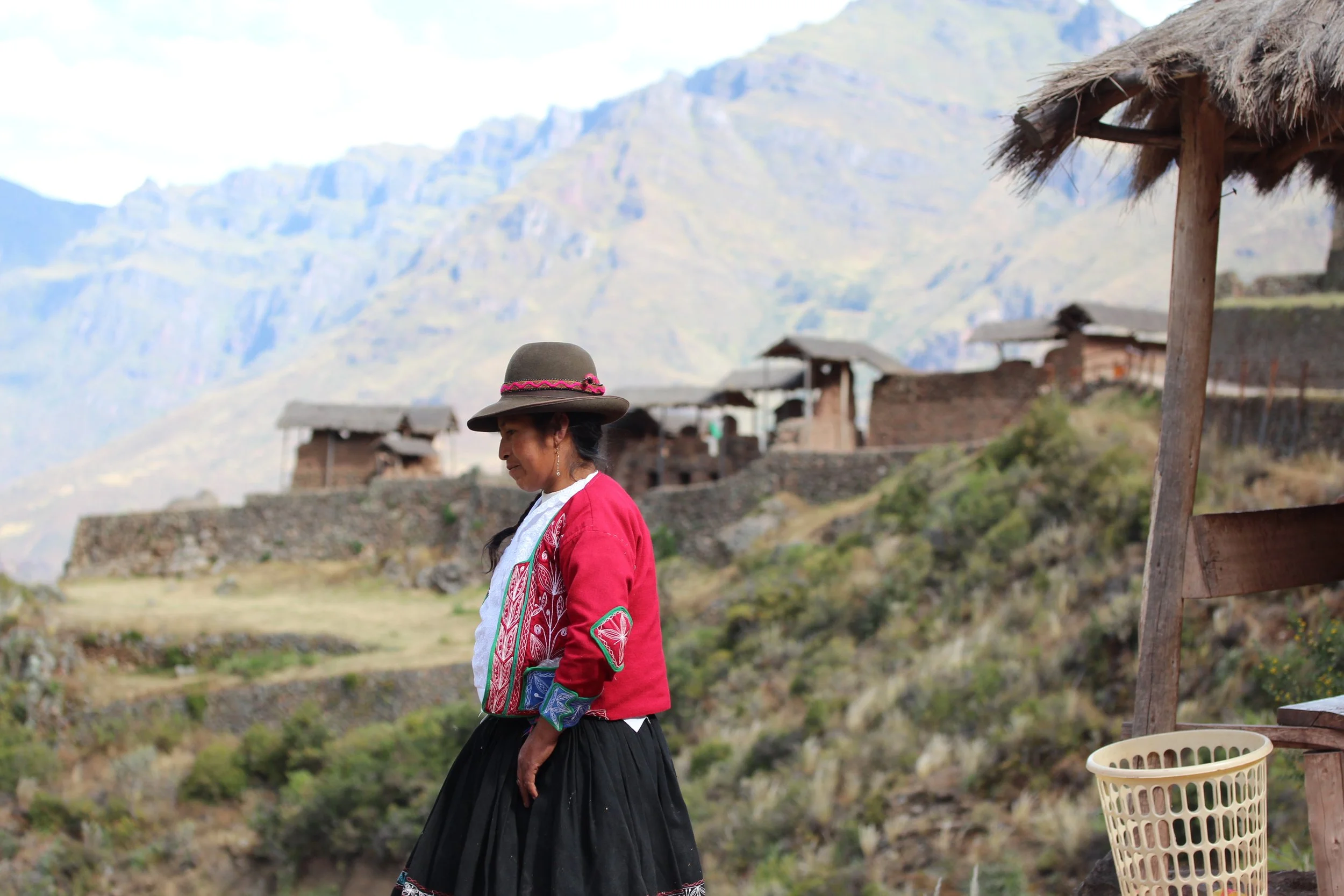
As it turns out, traditional Andean clothing can reveal a great deal. Hat shapes, colours and woven patterns can help identify a woman's community or regional roots. The women we met belonged to the diverse Indigenous Quechua communities, each with their own traditions, languages and cultural identity.
I loved discovering that something as simple as a hat could carry so much history and identity. And we were only getting started exploring the Sacred Valley!
Our next stop was Pisac.
We stop for lunch and I notice two symbols throughout the region: the puma and the Toritos de Pucará.
The puma, admired for its strength, agility and power, represented the earthly world. In fact, there’s a fascinating interpretation that Cusco was designed in the shape of a giant puma, with the mighty fortress of Sacsayhuamán forming its head. Historians still debate the theory, but it certainly gives you a different way of looking at the ancient city!
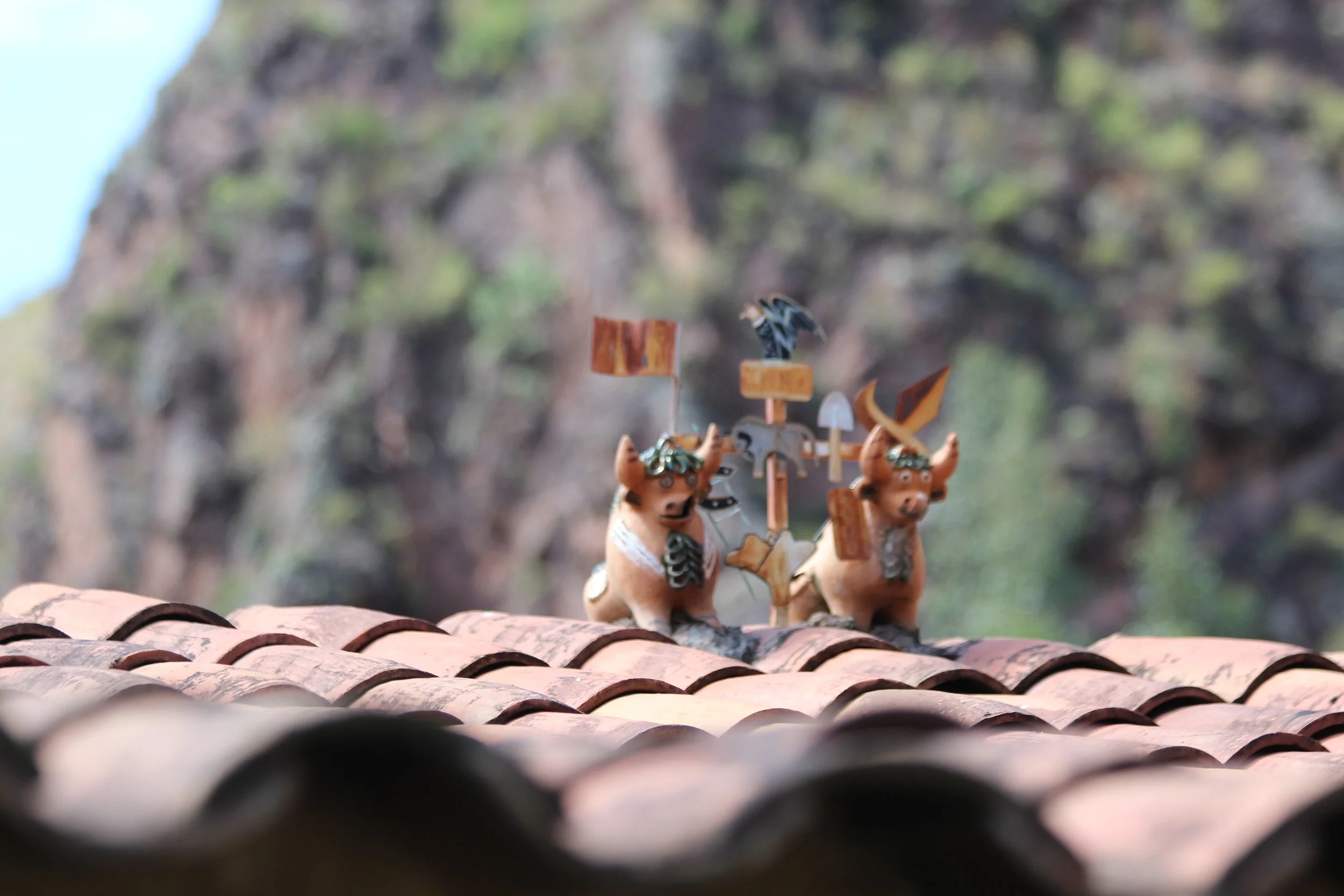
And remember those little terracotta bulls we spotted on the rooftops? Known as Toritos de Pucará, these colourful pairs are traditionally placed together at the highest point of a home’s roof. They are believed to bring protection, prosperity, fertility and good fortune while keeping negative energy away. A charming tradition that continues today.
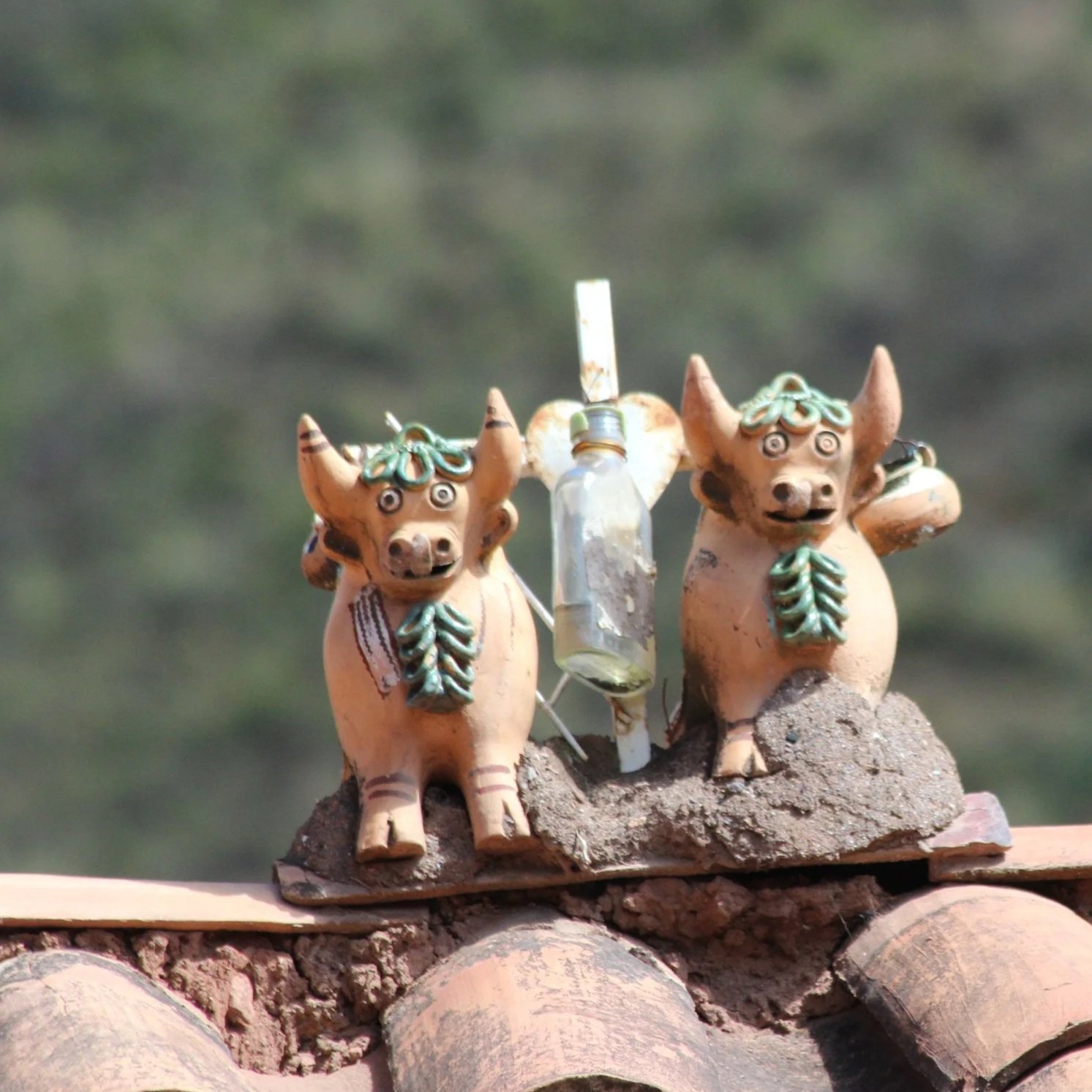
wonder what to bottle means?
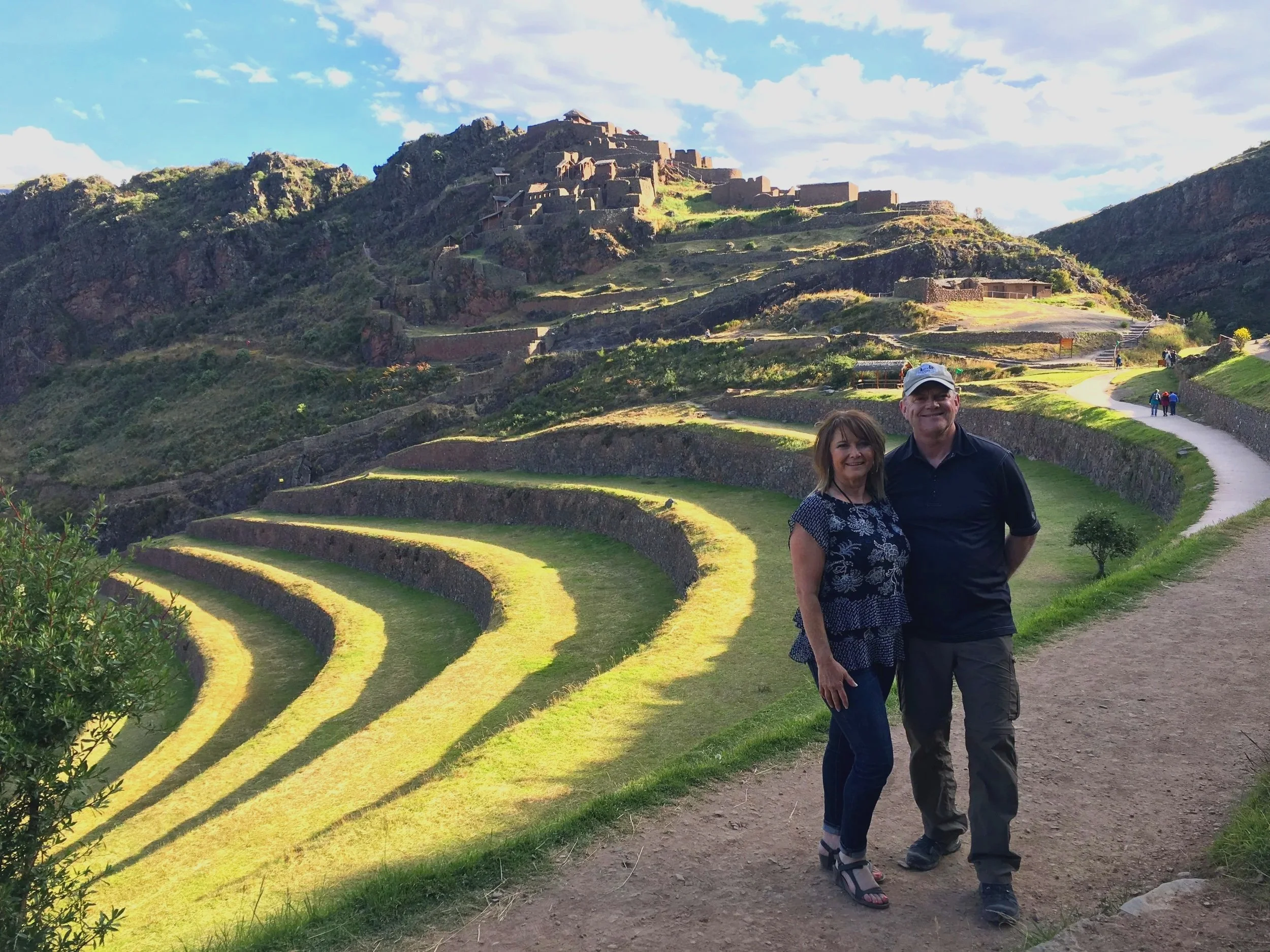
If you thought Machu Picchu was impressive, Pisac gives you another glimpse into just how sophisticated the Inca civilization was.
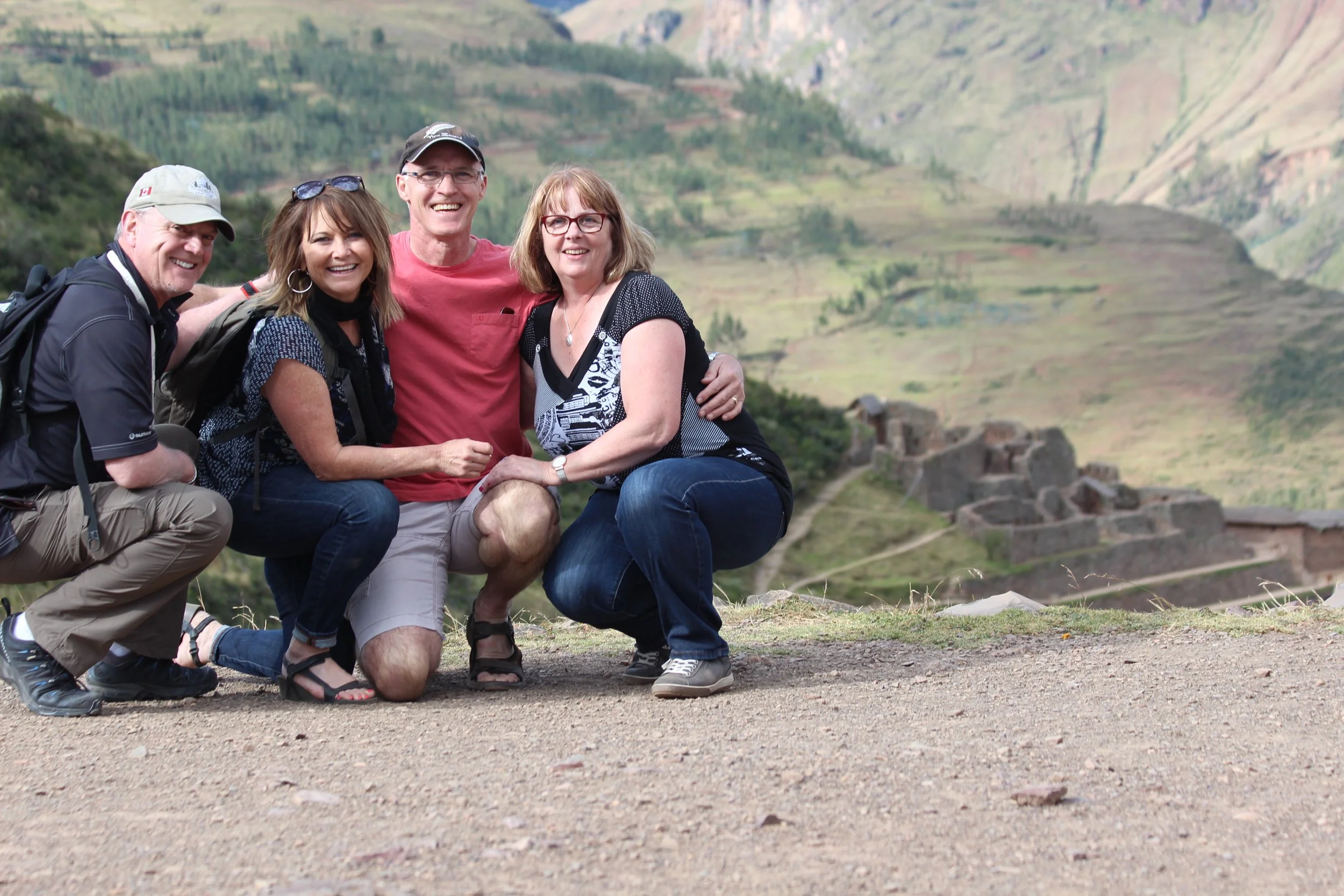
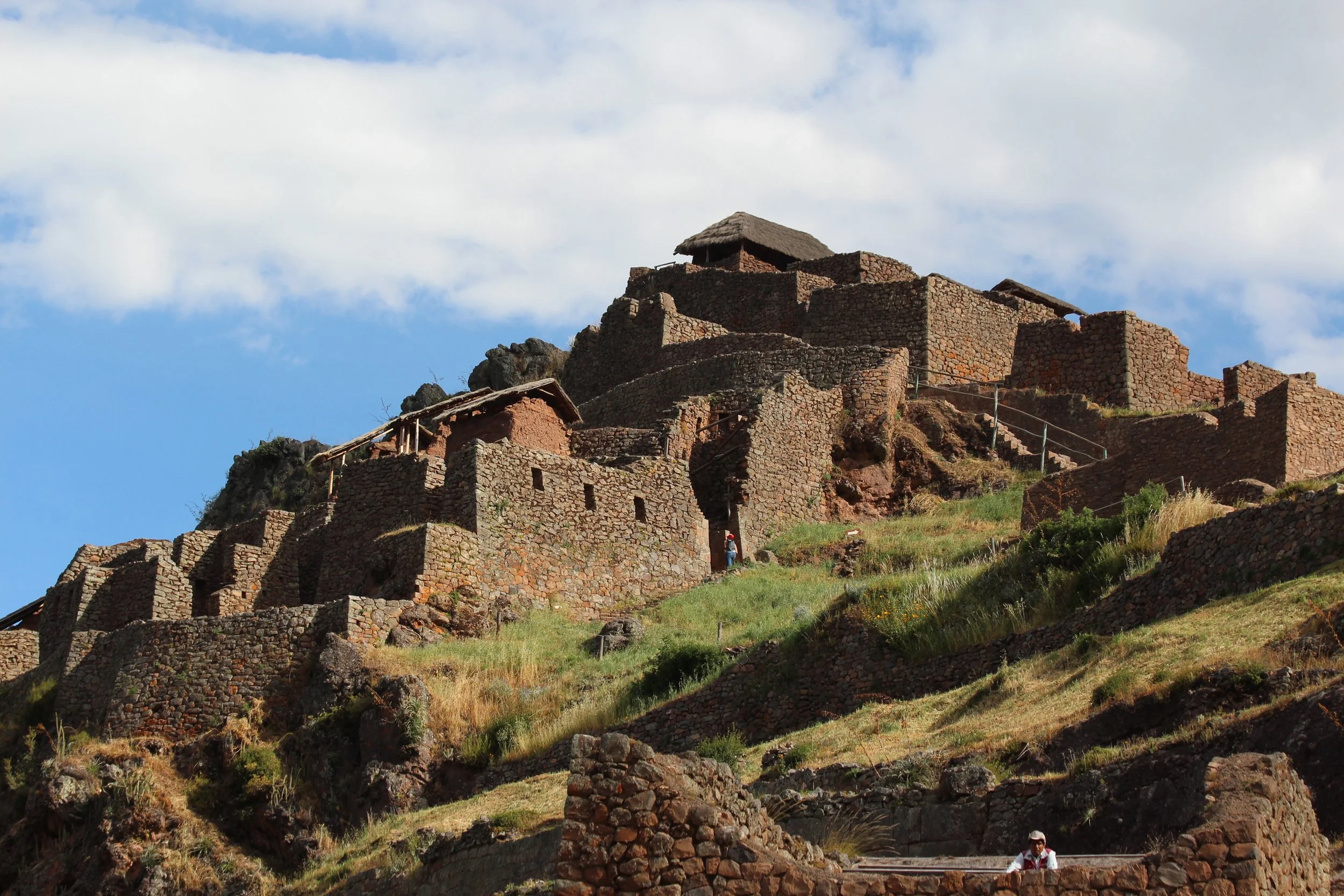
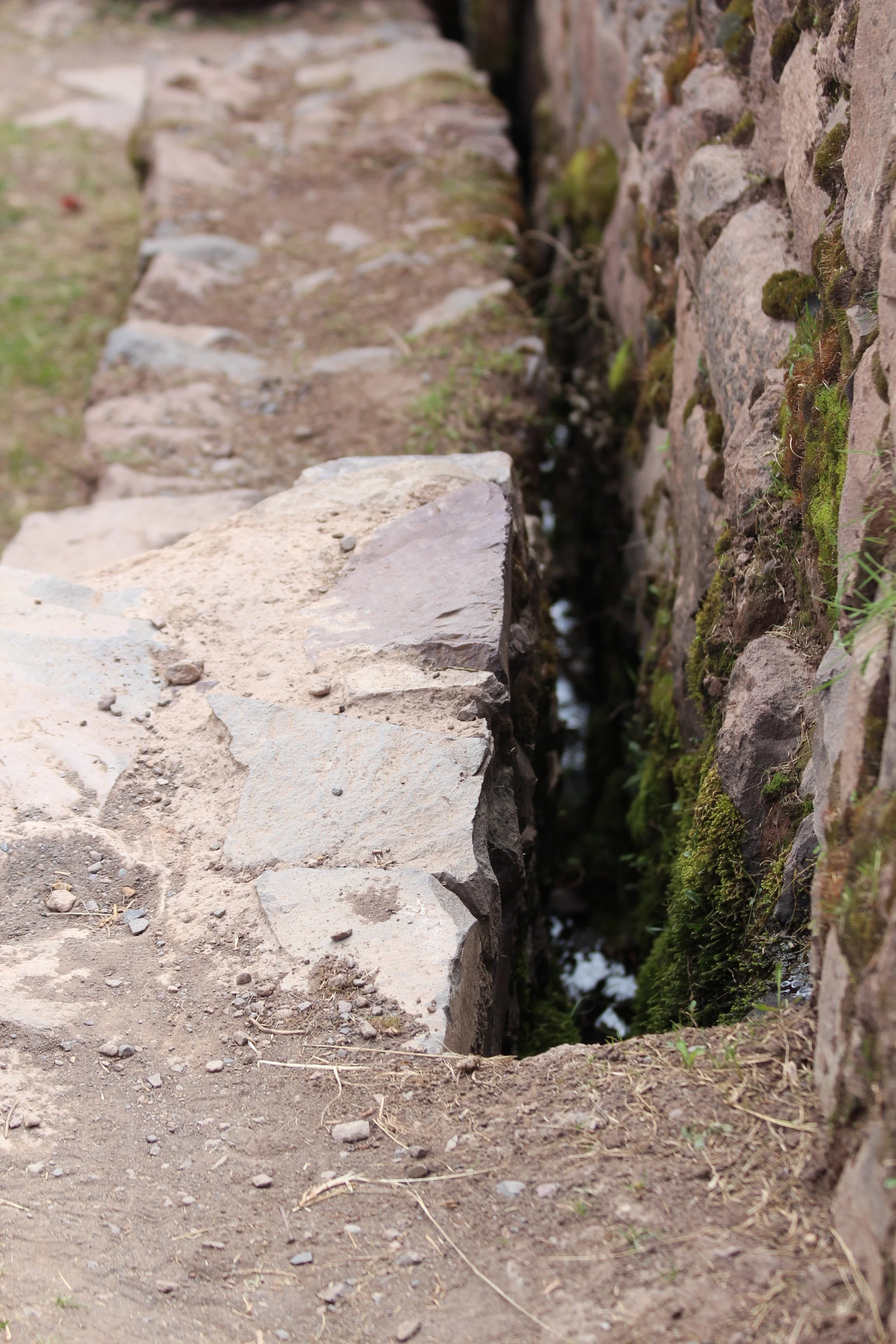
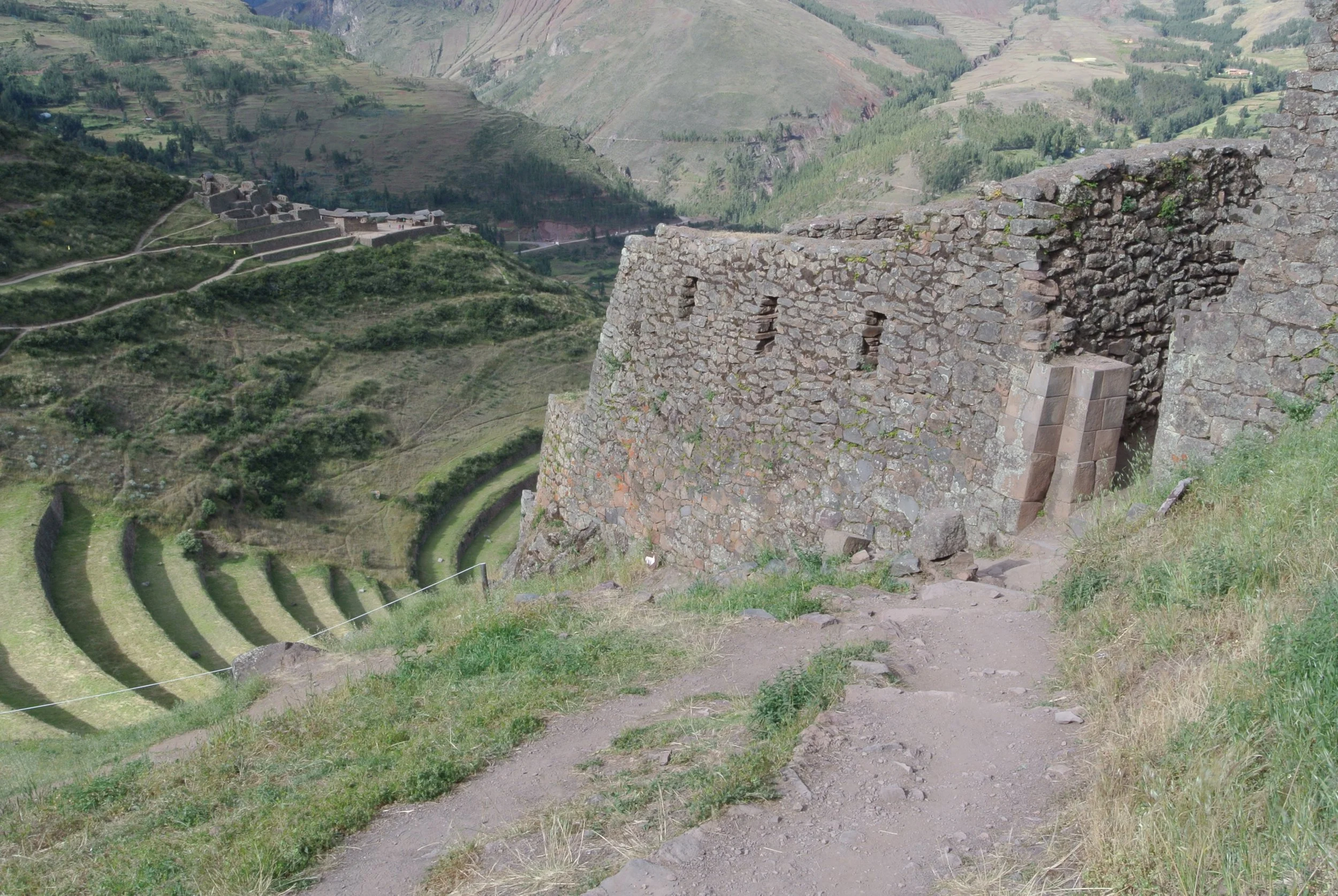
Each terrace has an irrigation channel
The archaeological complex stretches across a mountain ridge, with agricultural terraces carved into the steep slopes. These terraces weren’t just pretty landscaping. They were carefully engineered growing areas, helping control erosion, manage water and create usable farmland on difficult terrain.
The Incas were masters at making the landscape work for them.
On the opposite mountainside, we could see what looked like hundreds of holes in the rock face.
What were they?
They were ancient burial chambers, part of an extensive Inca cemetery. The dead were placed in funerary structures carved into the steep cliffside, away from the main settlement.
In Andean beliefs, death was not necessarily viewed as the end of a person’s relationship with the living. Ancestors remained important, and burial practices could include offerings and possessions intended for the afterlife.
Unfortunately, many of these burial sites were looted. Grave robbers searched for valuable objects, including metals, ceramics and other offerings.
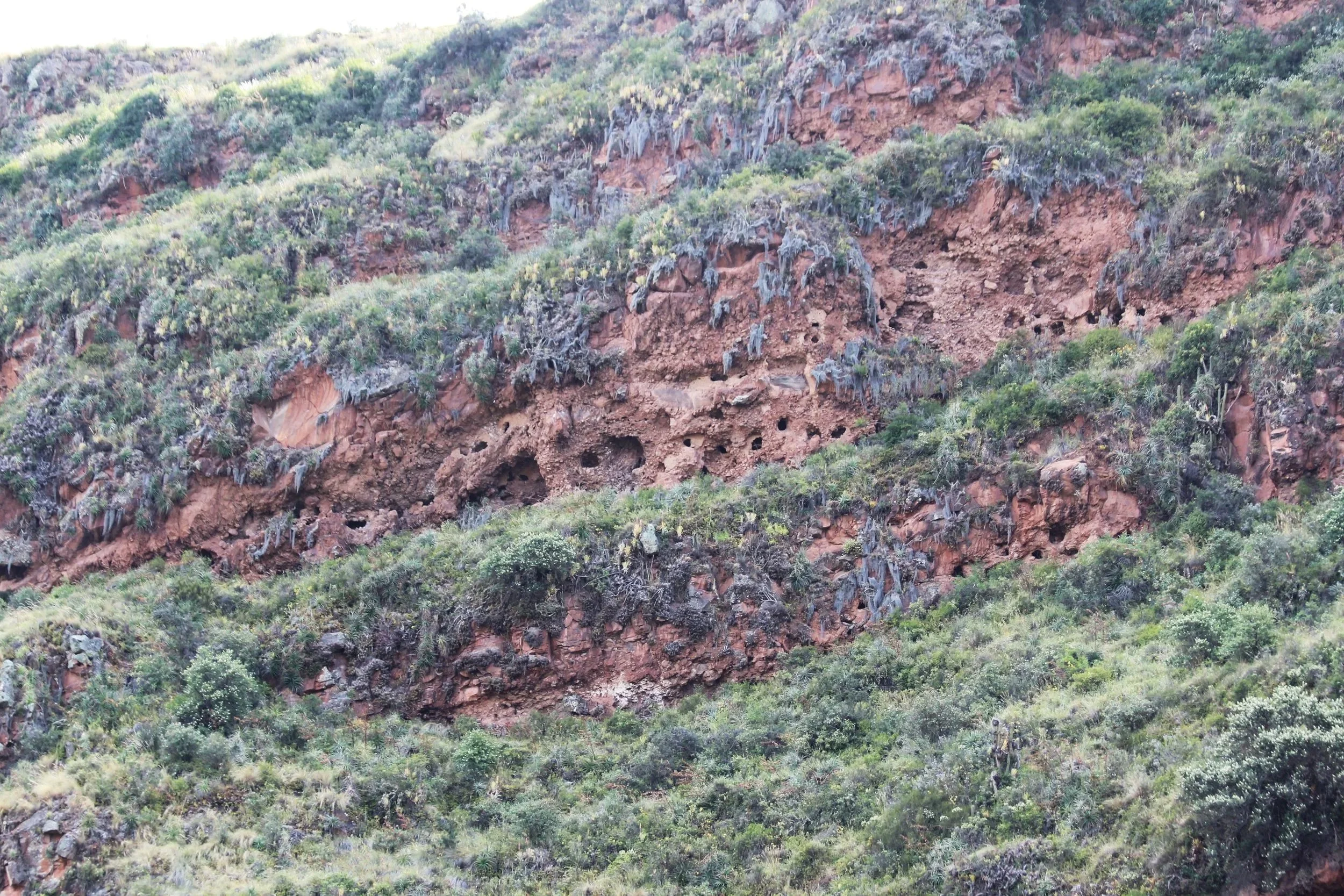
Grave robbers
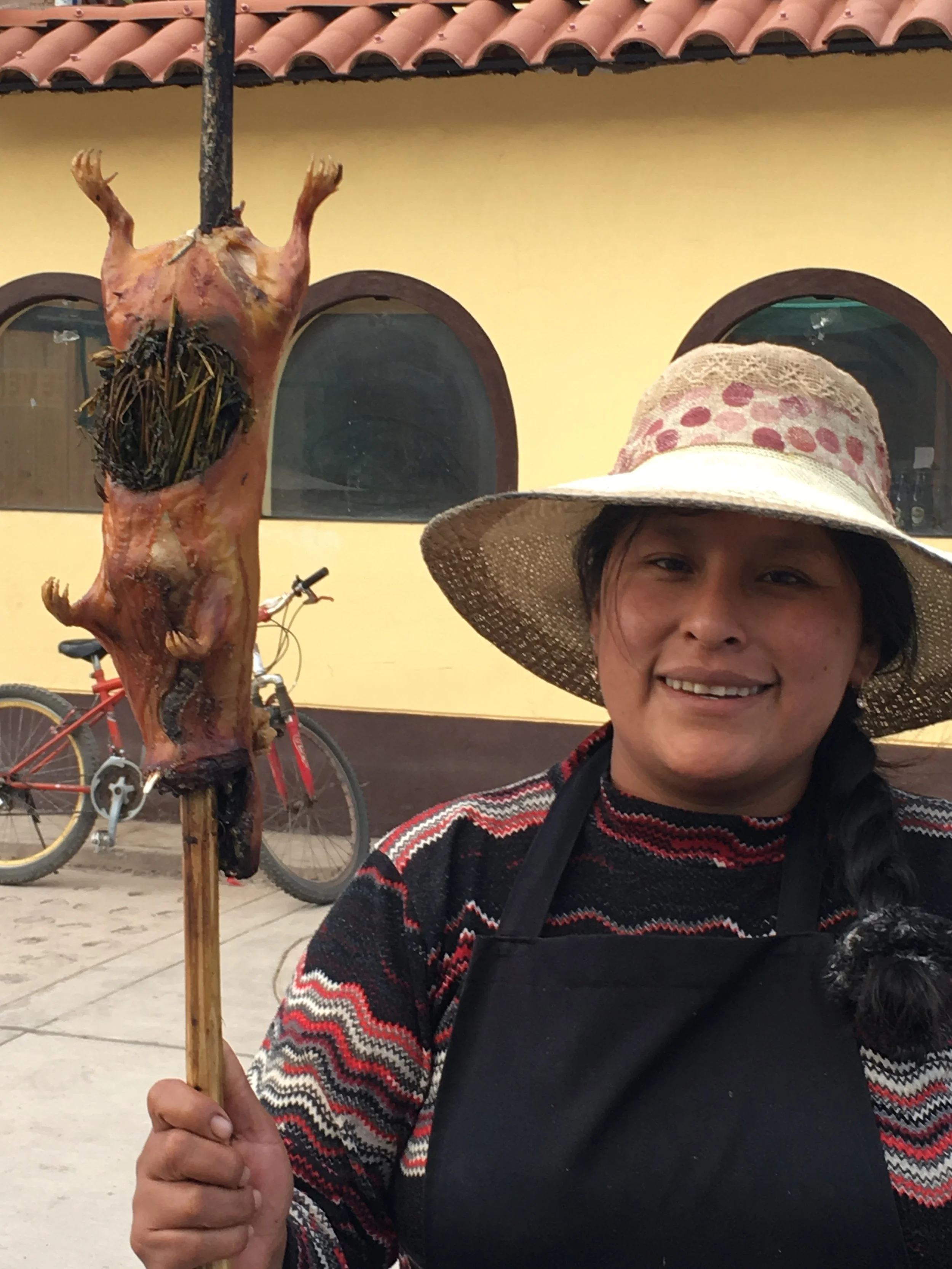
And just when you think you've seen it all, you come across this!
An entire guinea pig on a stick.
Yes, you read that correctly. A whole guinea pig, mounted much like a very unusual hot dog.
I have a photo and it remains one of my favourite conversation starters from the trip. Outside the restaurant stood a cheerful guinea pig statue. I couldn't help wondering whether it knew what was happening in the kitchen!
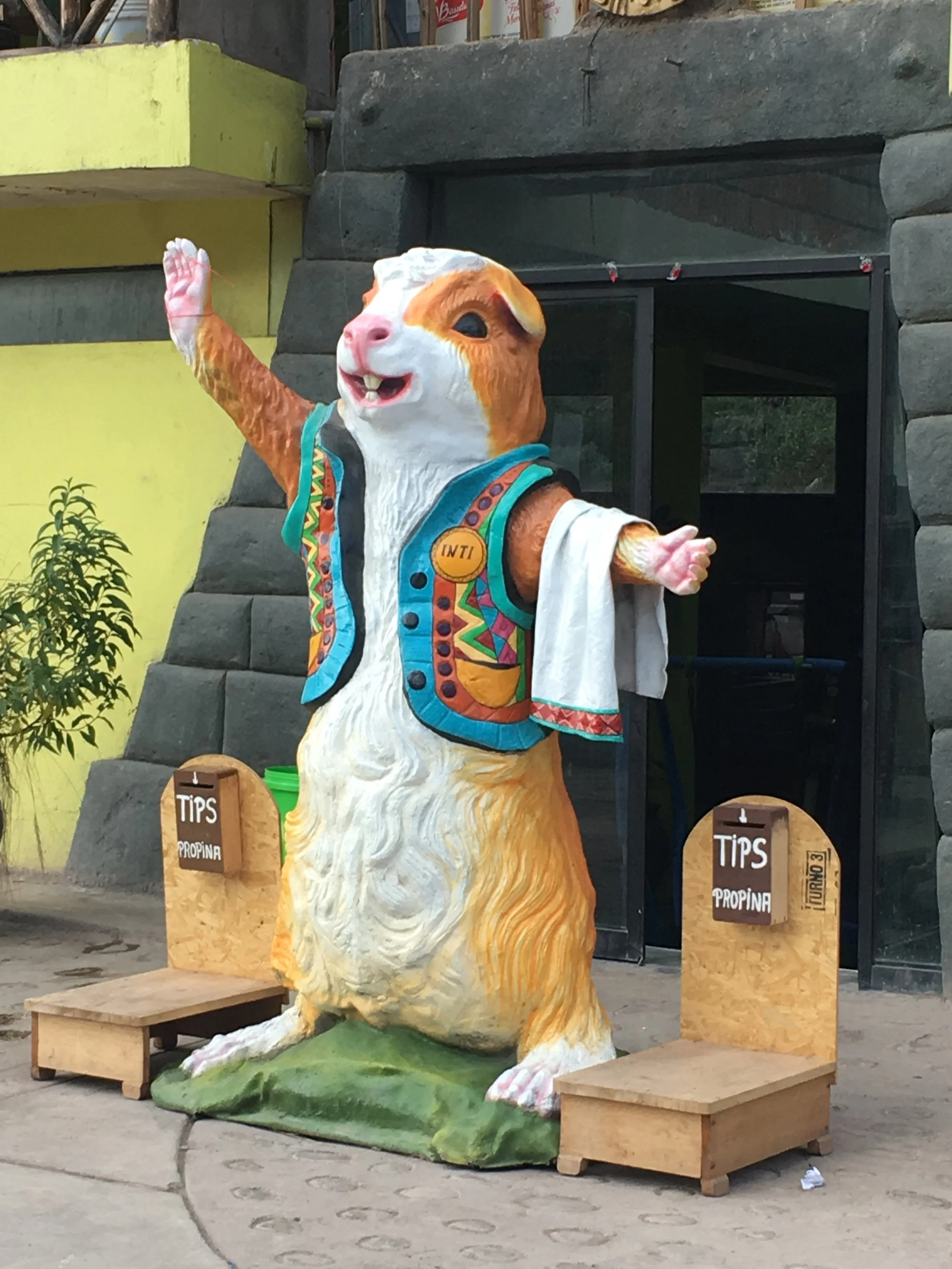
My tip… RUN guinea pig, RUN!
In Peru, guinea pig is known as cuy, (K-wee) and it has been eaten in the Andes for centuries. It remains an important part of traditional regional cuisine and is often served for celebrations and special occasions.
Now, I know this may seem a little unusual to those of us in Canada, where guinea pigs are more likely to have names and live in a cage than appear on a dinner menu. But food is one of the most interesting ways to understand a culture.
You don't have to order everything to appreciate its place in local traditions. Although I certainly admire anyone who gives it a go!
Well, that was definitely not on today's itinerary!
We stopped for the day at our AirBNB in the valley. Tomorrow is more of the valley. Where ailens here?