Peru was amazing. Definitely in my top 3 countries.
We had travelled through ancient civilizations, wandered cobblestone streets, explored the Sacred Valley, marvelled at Machu Picchu and experienced some of the most spectacular scenery in South America. But our Peruvian adventure wasn't quite finished.
Our final stop was Lima, Peru's sprawling capital, perched along the Pacific Ocean.
And what a way to finish! Lima is considered the Gastronomic Capital of South America.
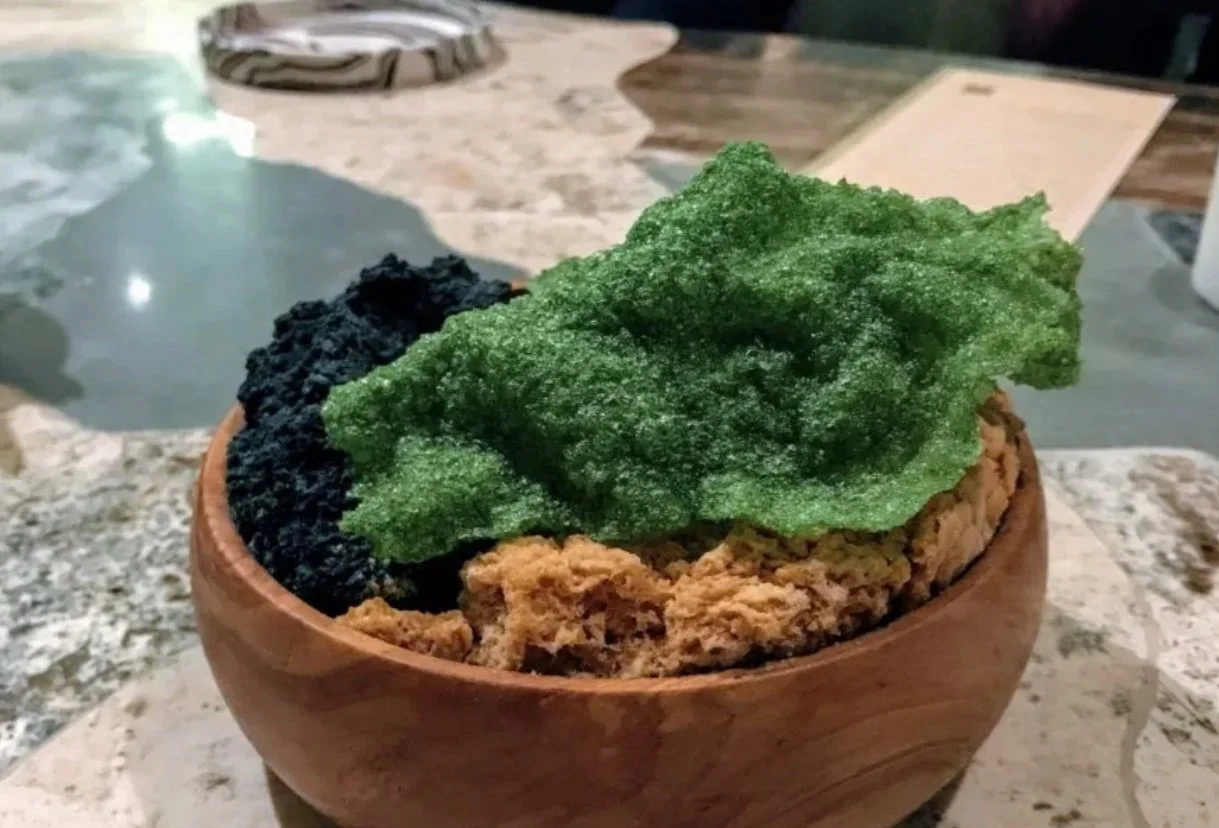
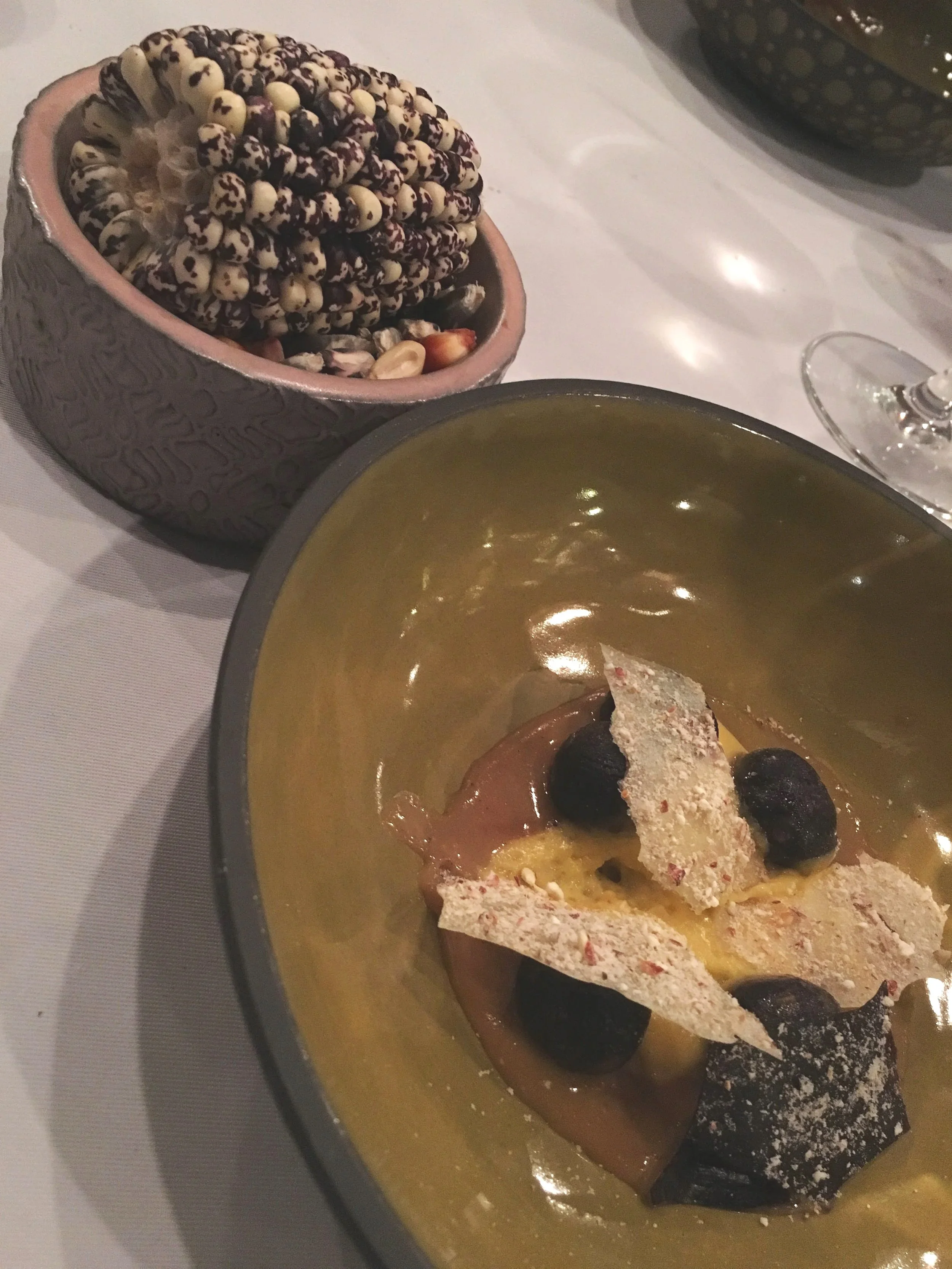
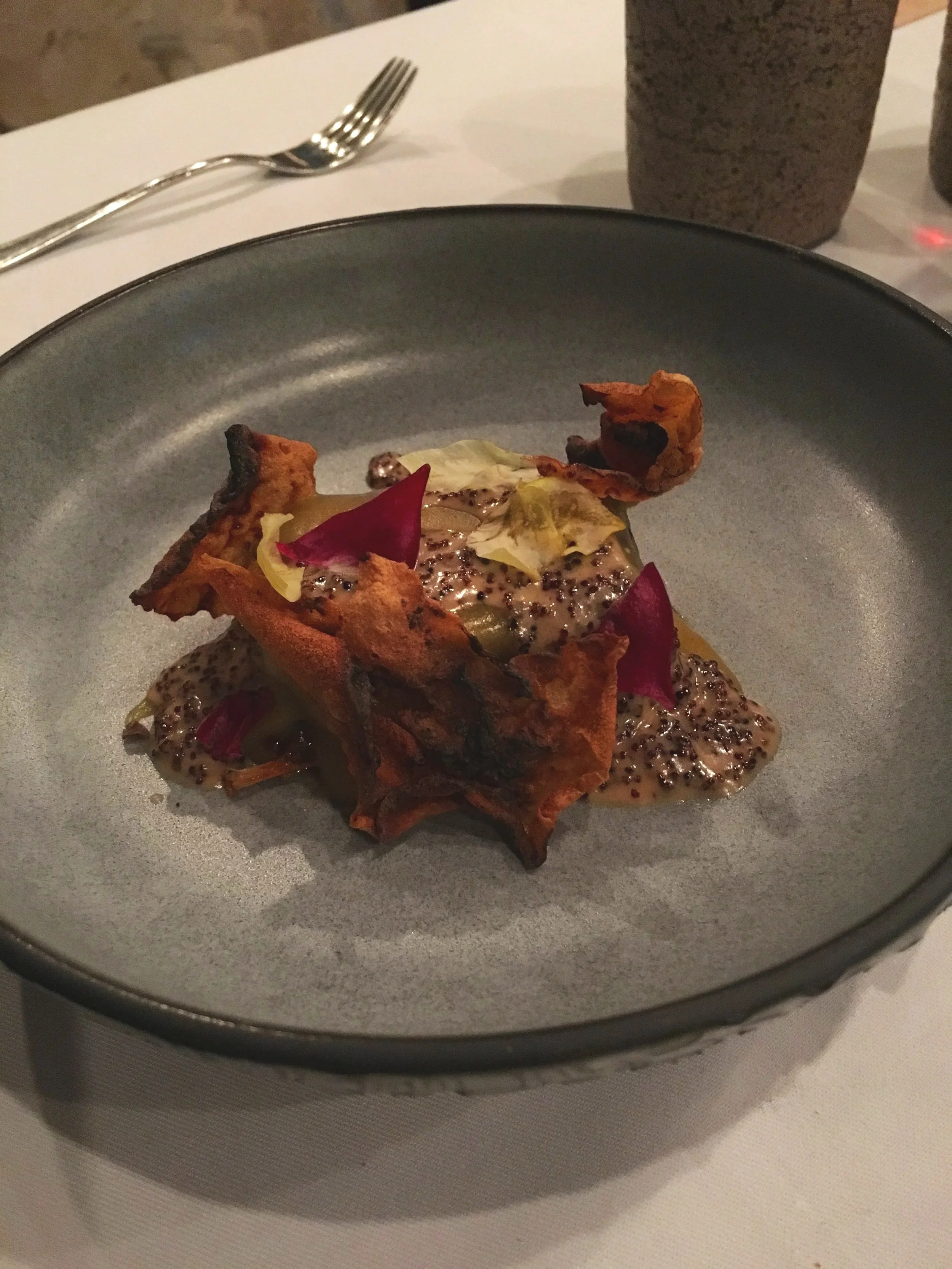
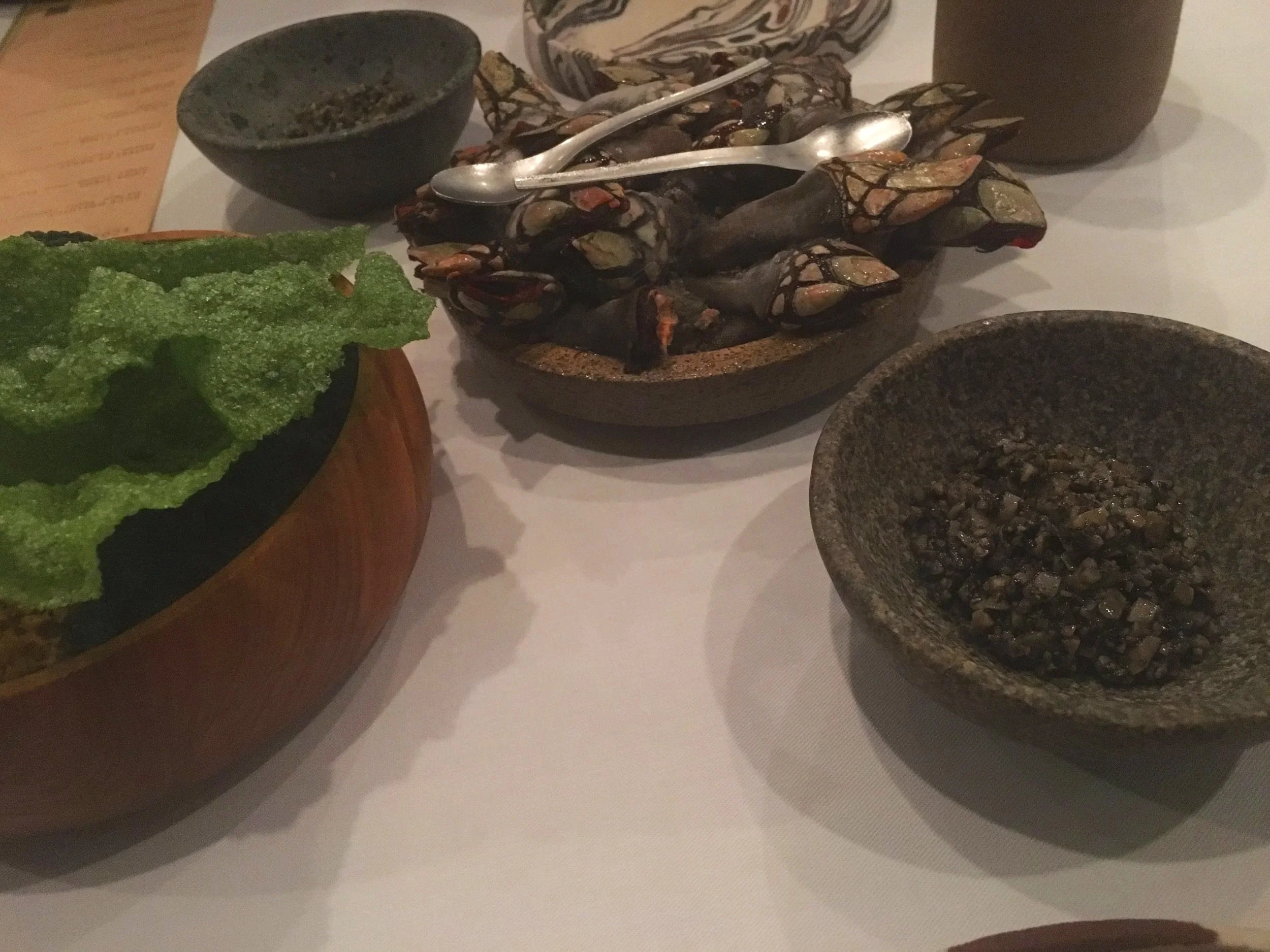
Central dish - what do you eat?
We spent three days exploring and eating our way through its incredible food scene, wandering colourful neighbourhoods and discovering layers of history tucked between modern buildings.
There was world-class dining, a little adventure, some remarkable architecture, street art everywhere and a few characters we certainly didn't expect to meet.
While reading the New York Times magazine, I had come across an article about a must-do dinner. Good thing I saw it well in advance, as it required a 1 AM alarm months before we arrived. Bingo! We were set up for our 16-course culinary adventure.
Lima, you certainly saved some incredible highlights for the end!
CENTRAL: WHEN DINNER BECOMES A JOURNEY THROUGH PERU
If there was ever a dinner worth setting an alarm for at 1 AM, this was it!
For someone who loves food, cooking and discovering new flavours, this was not an opportunity I was going to miss. My group was all in, but I was certainly willing to dine alone if that had been the verdict of the group!
We secured our reservation, and this would be the pinnacle around which we planned our Lima adventures.
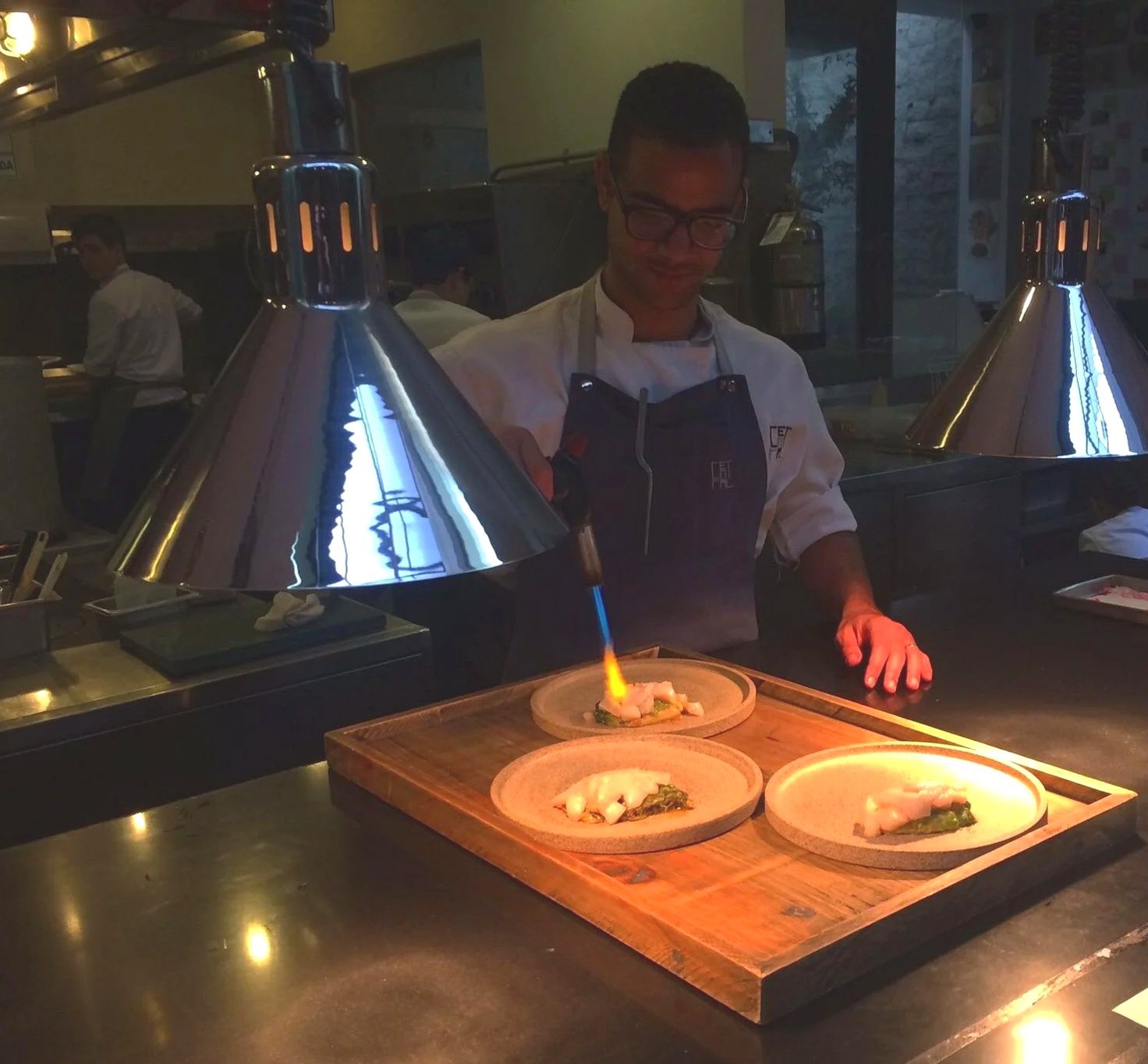
Central was founded by Peruvian chef Virgilio Martínez, together with his wife and fellow chef Pía León. What makes their restaurant so extraordinary is that the menu isn't simply a collection of beautiful dishes. It is an exploration of Peru's incredible biodiversity.
Think of it as a culinary road trip without ever leaving your table.
The concept takes you through Peru's different elevations and ecosystems, from the depths of the Pacific Ocean to the Amazon rainforest and the heights of the Andes. Native ingredients, unusual textures and flavours you may never have encountered before become the stars of each creation!
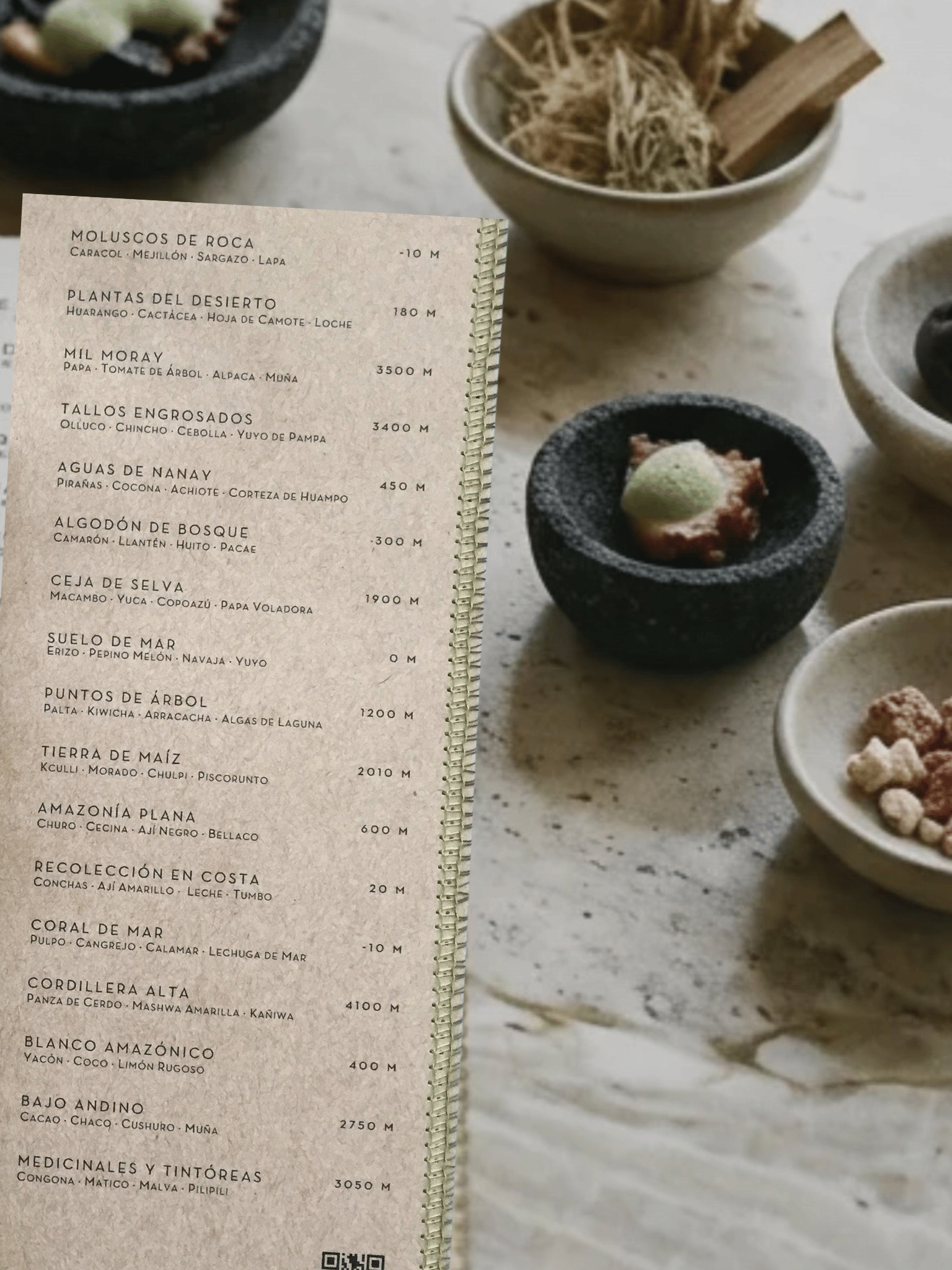
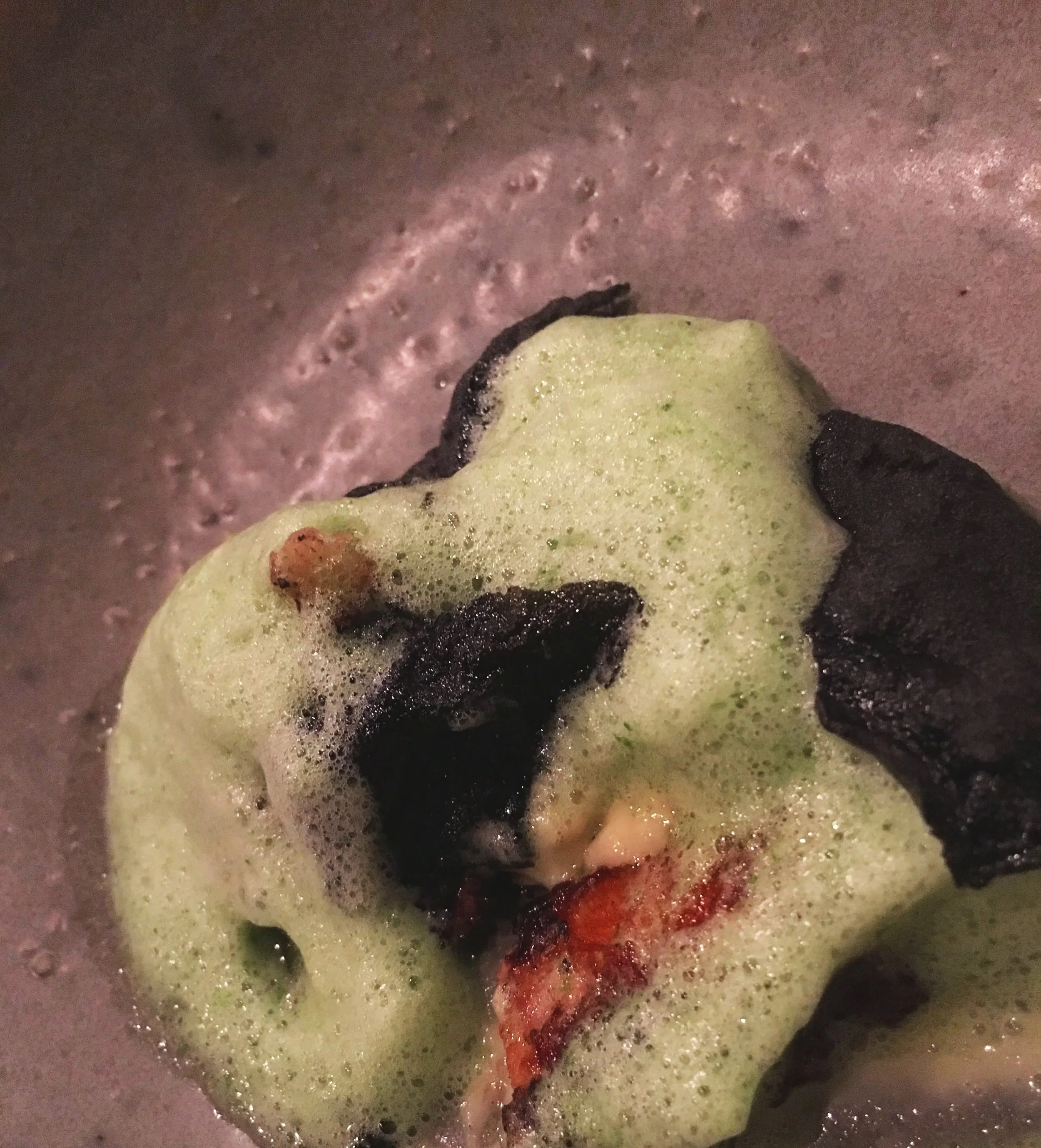
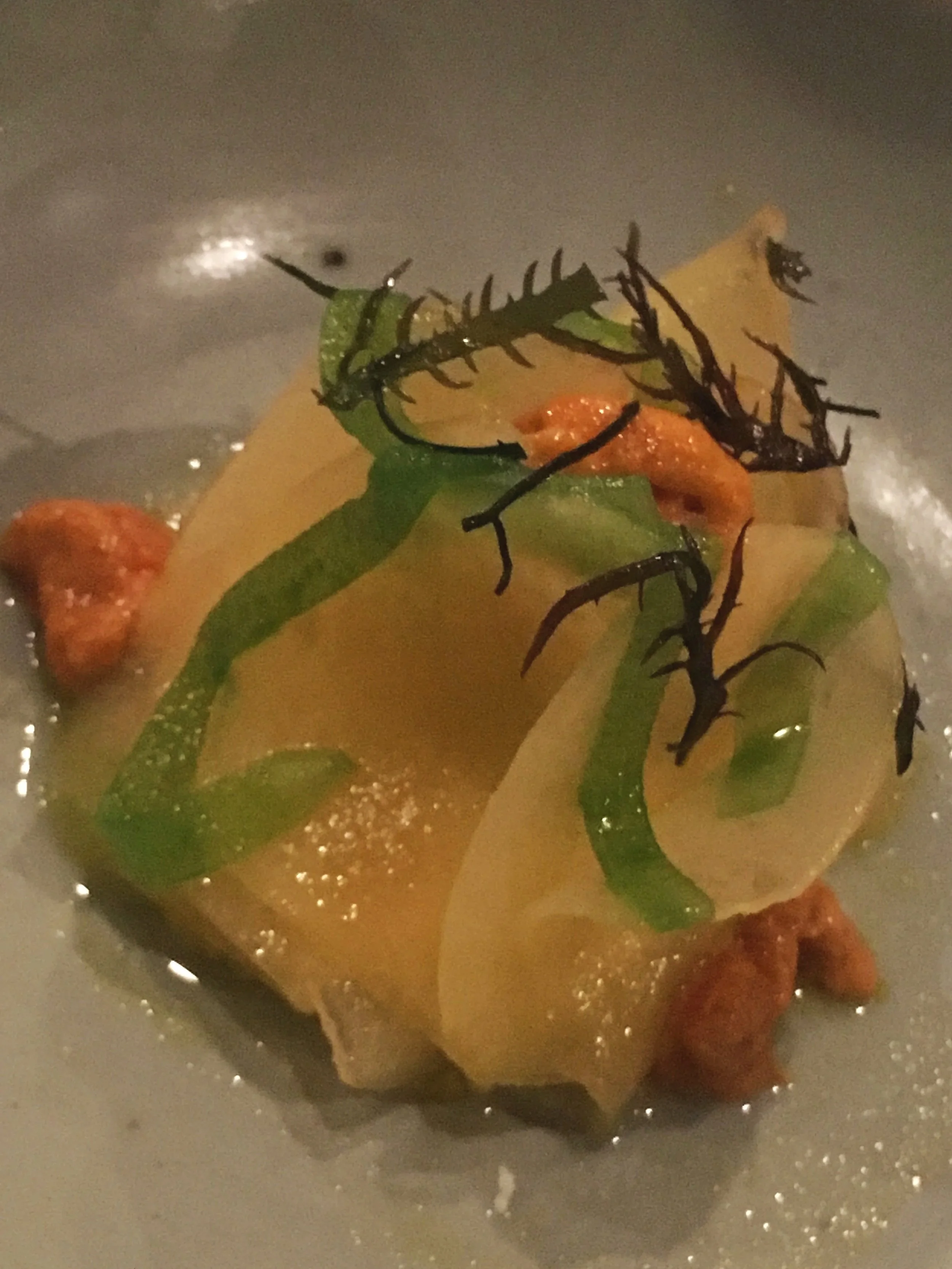
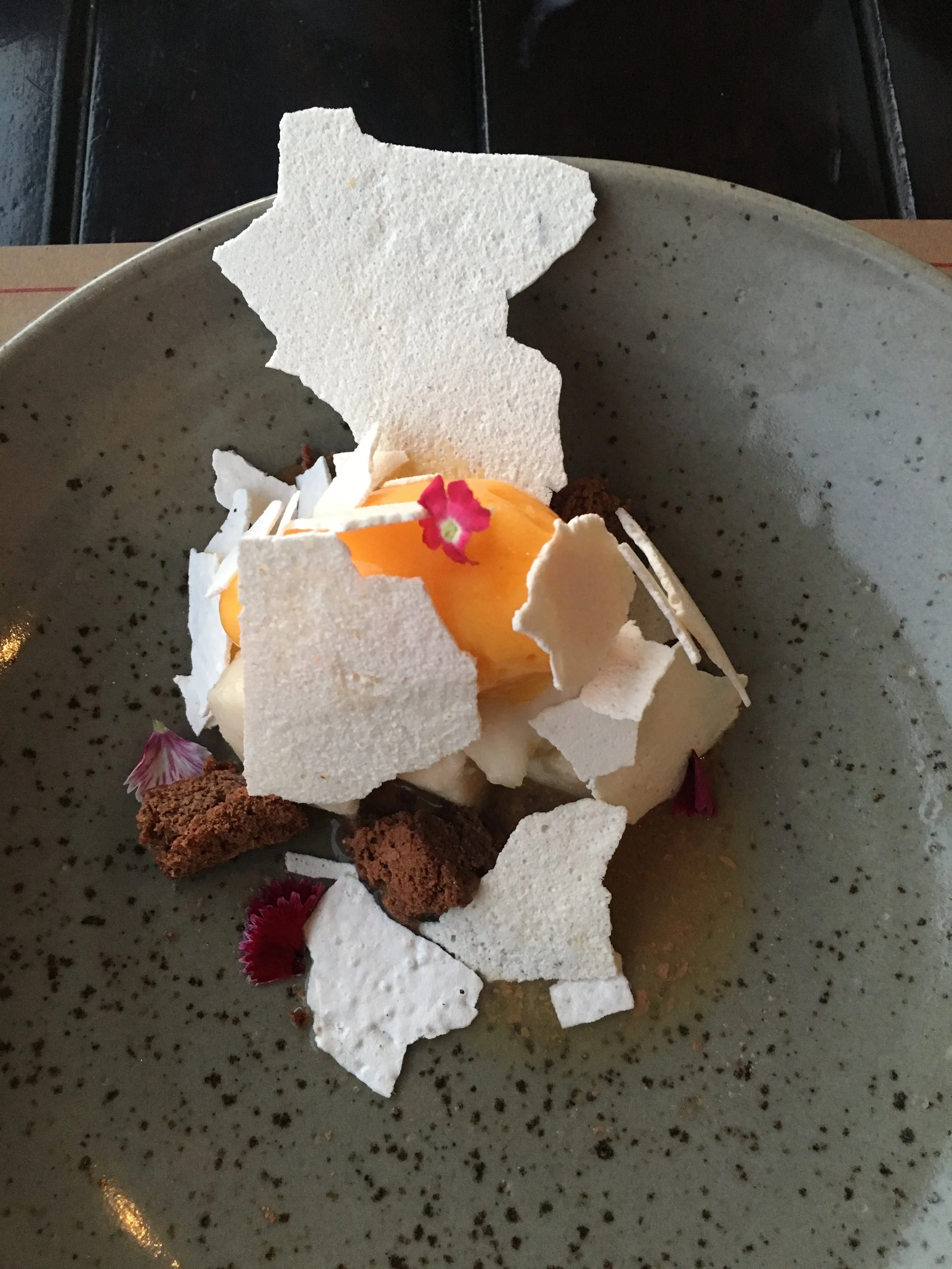
As you can see the menu we were about to experience still remained a mystery. I had never heard of these items prior. Each presentation was a little work of art. Some looked almost too beautiful to touch. Our server carefully explained every creation, including what was actually edible and what was part of the artistic presentation. Believe me, that was helpful! Otherwise, I may have inadvertently put a sponge, leaf or rock in my mouth.
We encountered piranha (thankfully, on our plates rather than eating us) and even cotton from the Amazon. When people ask me what it tasted like, I honestly can't compare it to anything. Not even chicken!
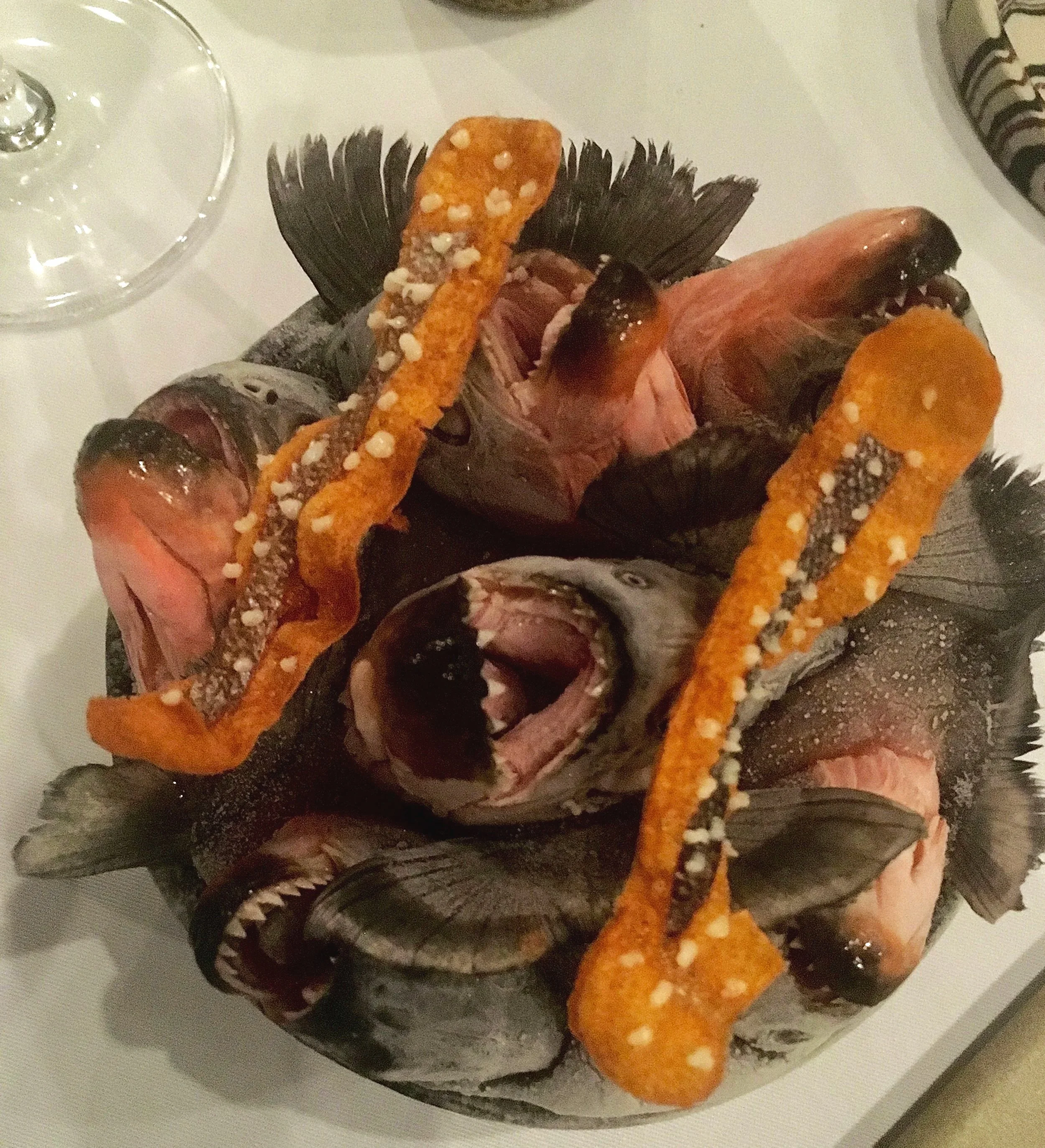
Piranha - Aguas de Nanay
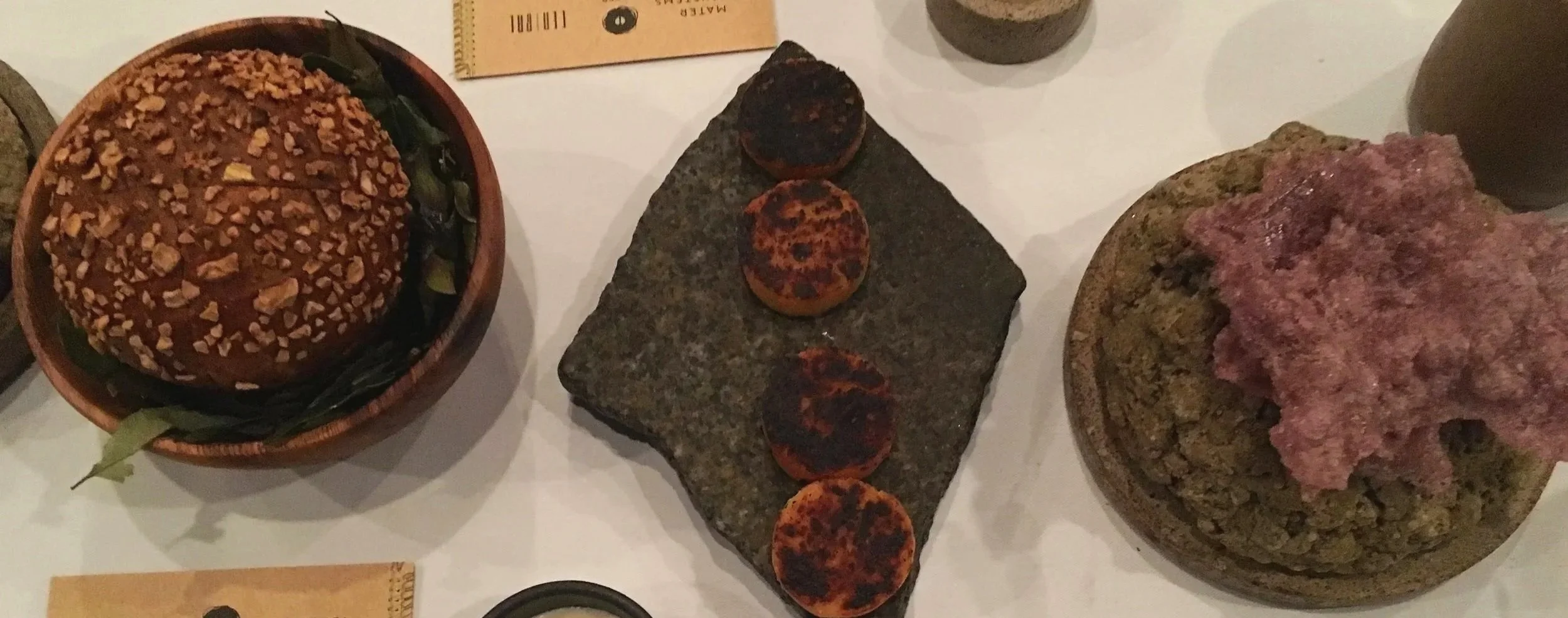
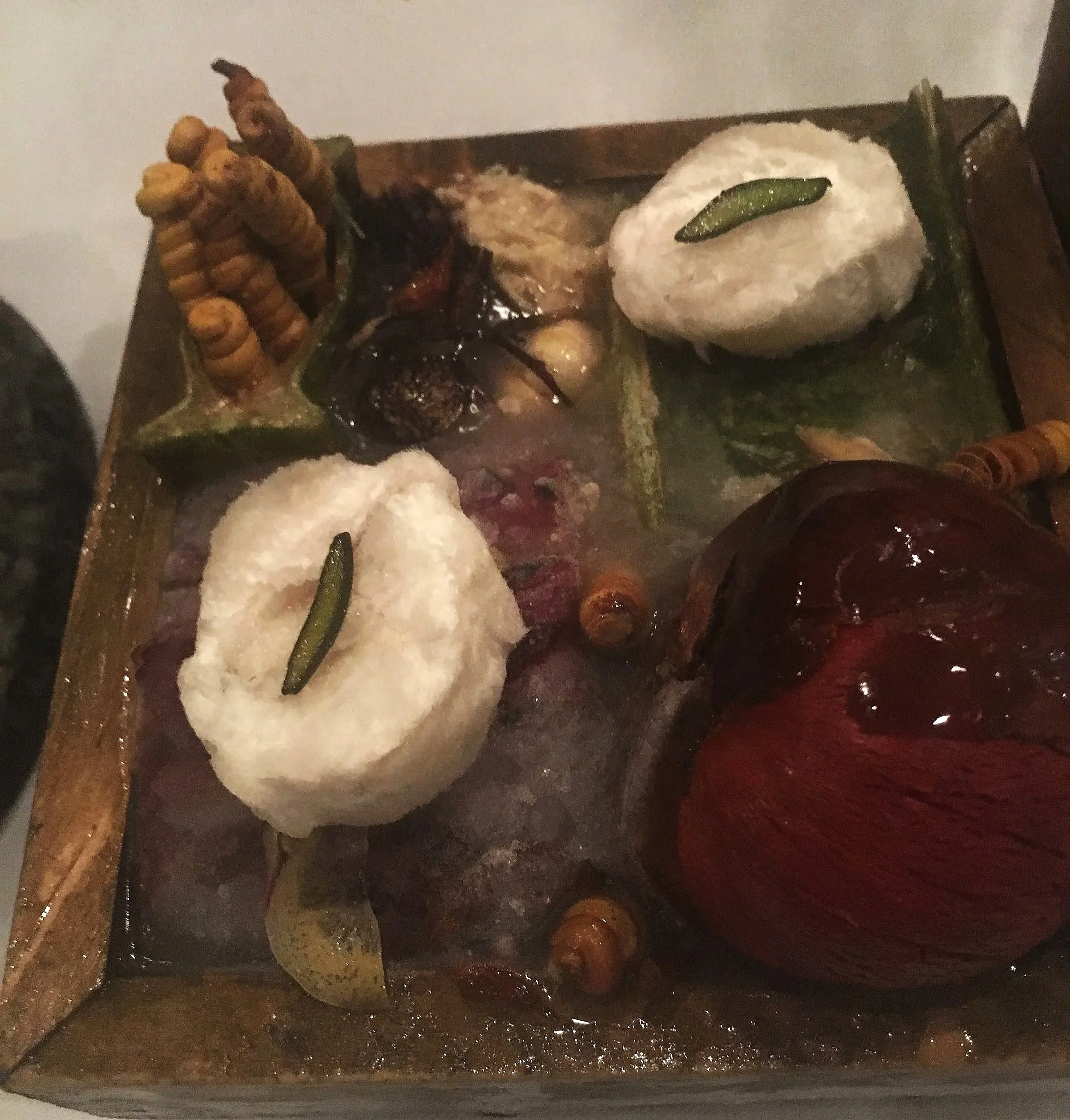
The presentation was over the top, the service impeccable and the creativity extraordinary. Every course brought something new to the table, literally.
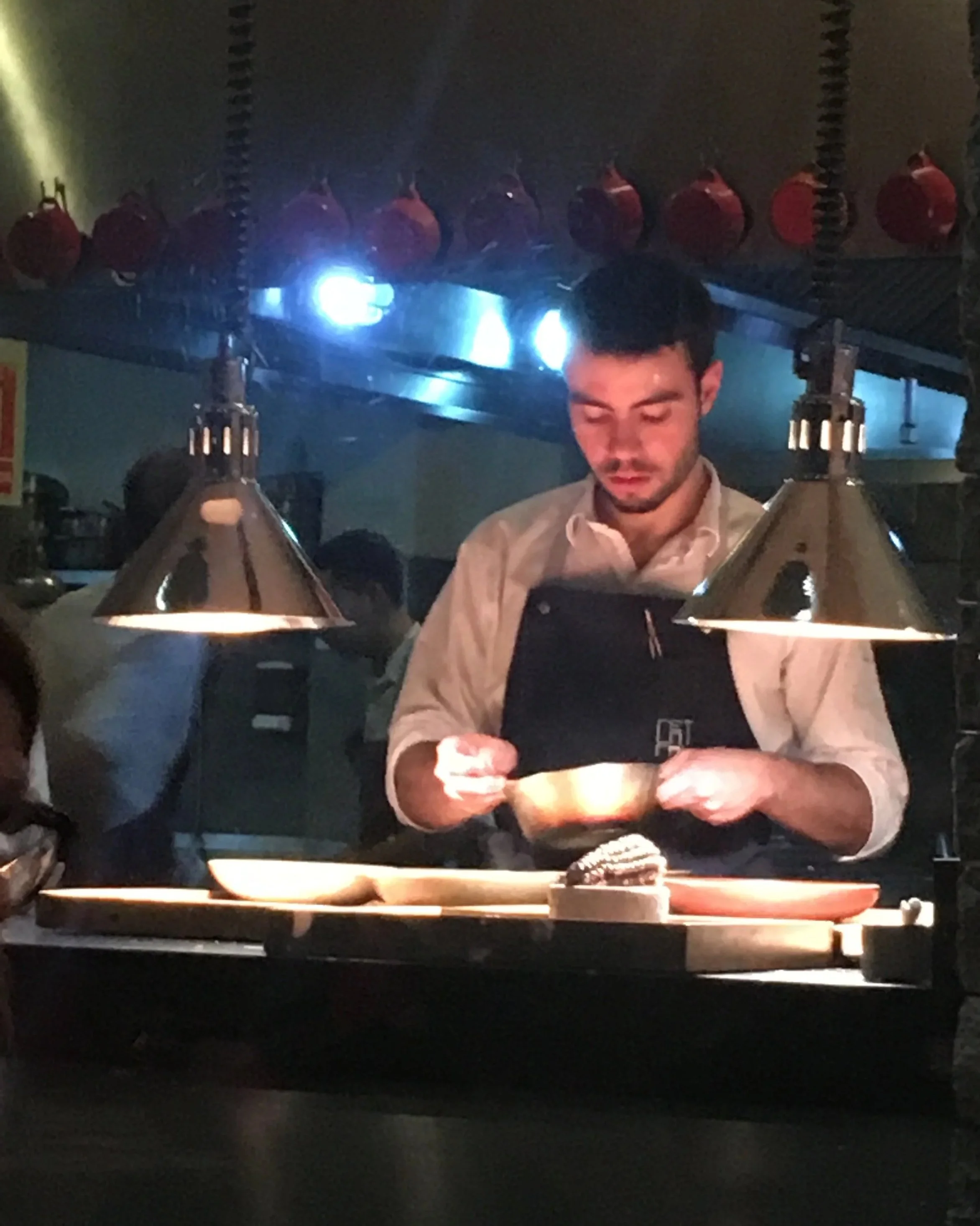
One of the unexpected highlights was being invited up to see the herb garden and having the opportunity to take photographs with members of the Central team. It was a lovely glimpse into another side of the experience. Behind all those artistic creations and carefully presented courses is a team of people, ingredients and inspiration bringing the vision to life.
Truly a wow for me,…but my guests… you will need to ask them. Foodies they are not.
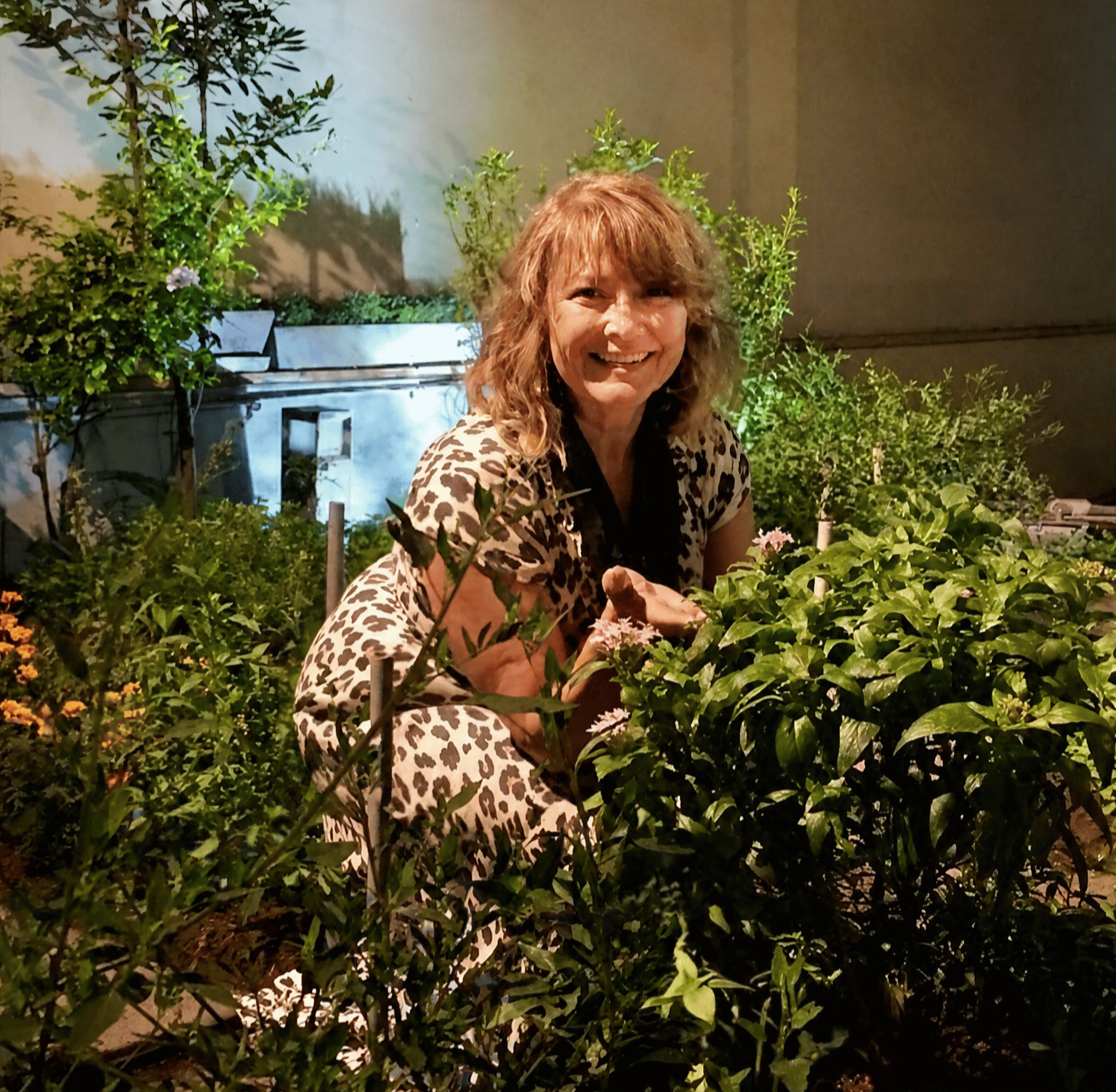
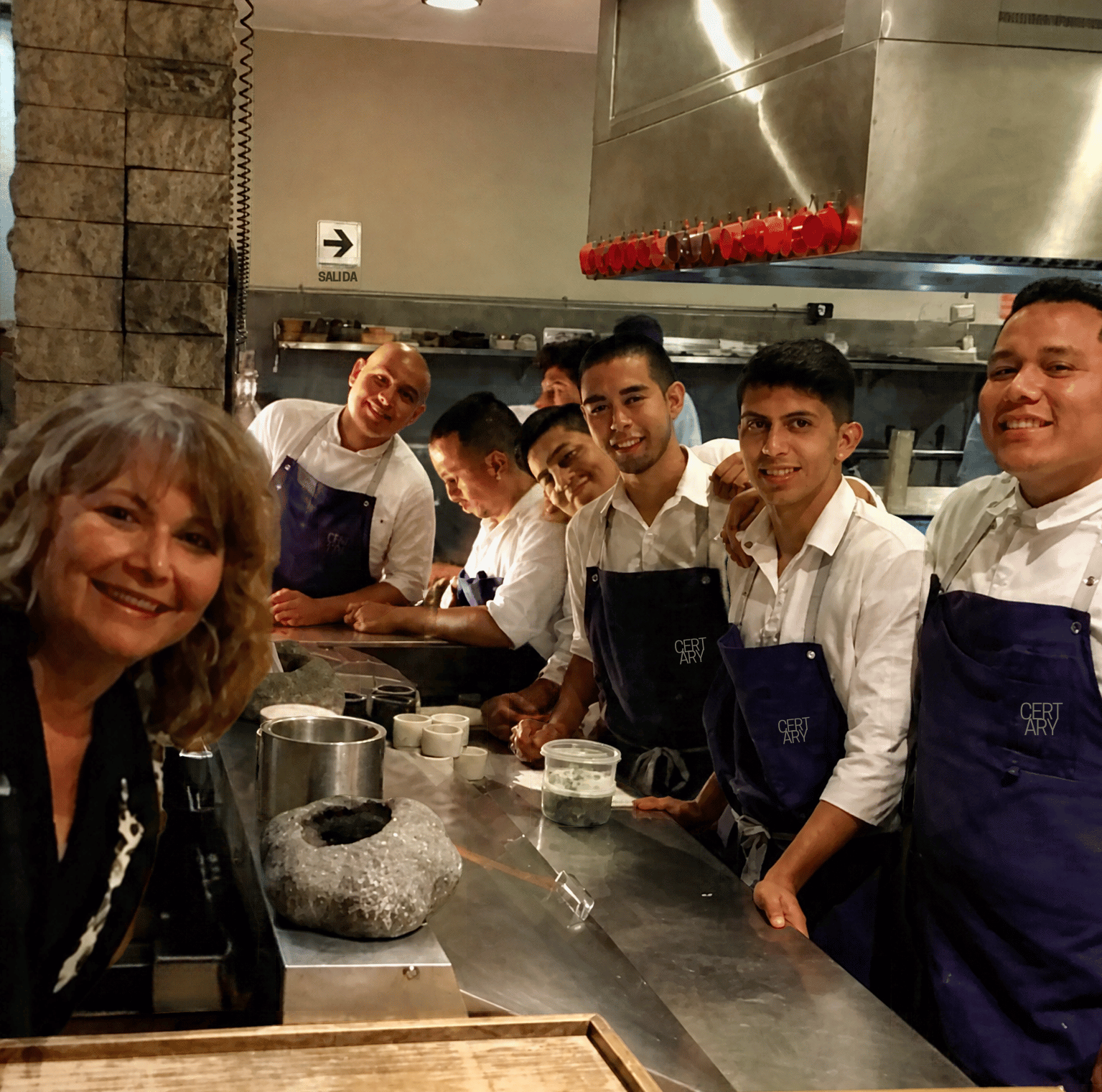
Would I go back? Only if I were introducing someone else to the experience.
This isn't where I'd go simply to sit back with a glass of wine and enjoy a relaxed dinner. It's an immersive culinary adventure, and I can absolutely understand why it earned its international reputation.
For me, it was a pretty spectacular way to experience Peru's food culture before heading home.
And yes, getting up at 1 AM was worth it!
LIMA: A FOODIE'S PLAYGROUND
If you enjoy food, Lima deserves a place on your travel list.
Peruvian cuisine is a fascinating mix of Indigenous ingredients and traditions, Spanish influences and flavours brought by generations of immigrants from China, Japan, Africa and Europe.
The result is a food culture that is distinctly Peruvian but wonderfully diverse.
And while Central might be the star of the fine-dining world, there is so much more to explore.
You haven't been to Lima until you've tried ceviche!
Ceviche is practically a national treasure.
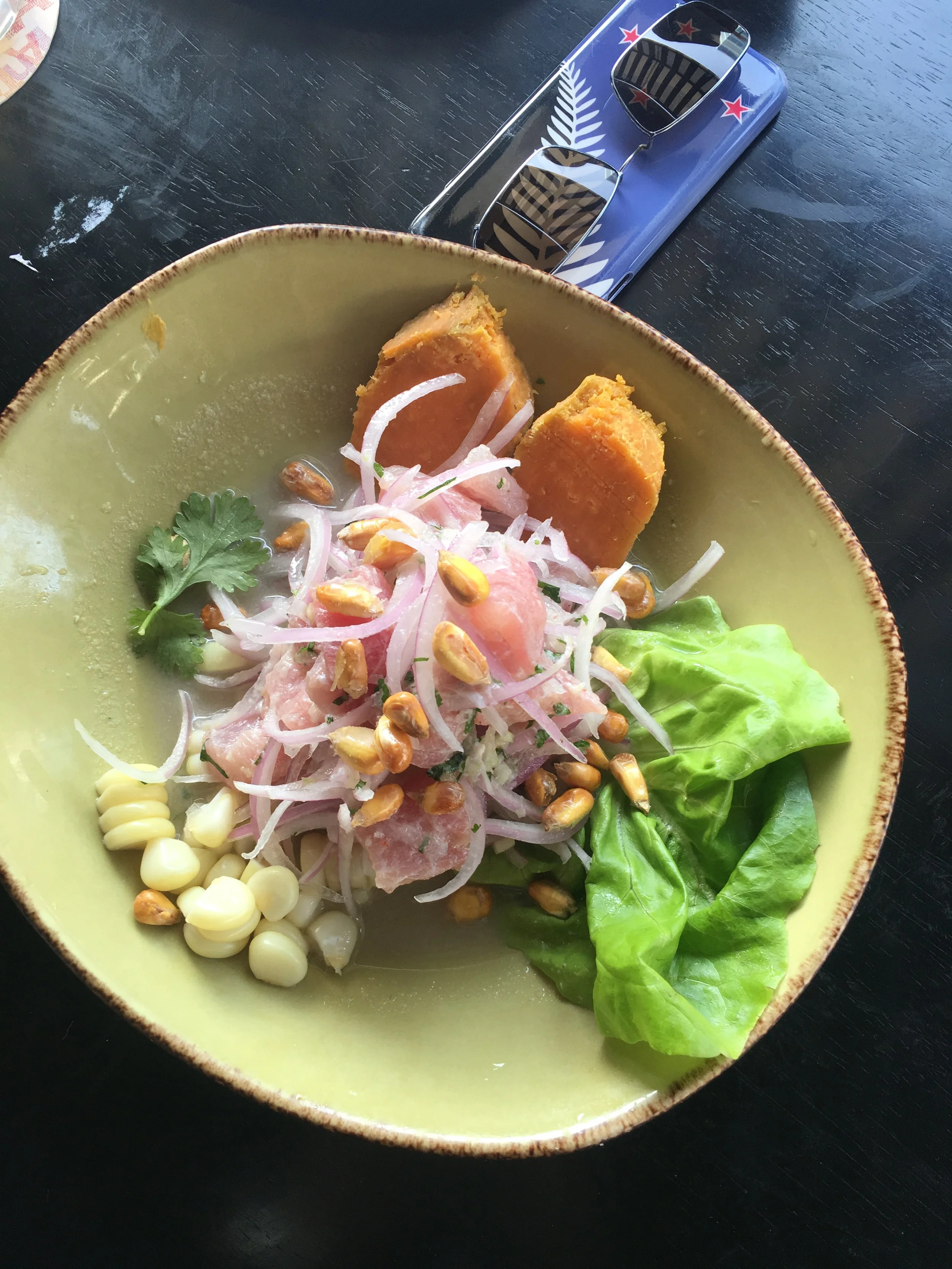
Ceviche - eat for lunch - food safety
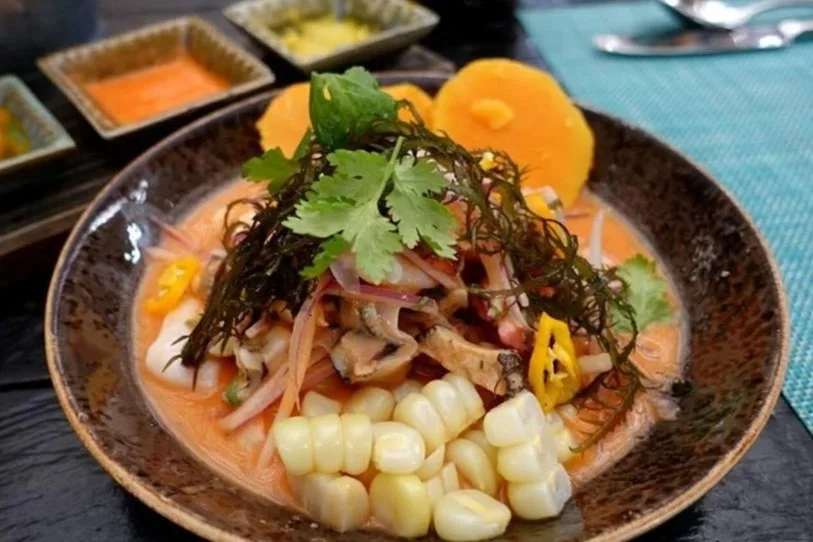
Fresh fish is cut into pieces and briefly combined with lime juice, red onion, chili and salt. It is often served with sweet potato, large-kernelled corn called choclo and crunchy toasted corn called cancha.
The citrus gives the fish its distinctive texture and flavour, but it doesn't make raw fish completely safe from foodborne pathogens. Freshness, proper handling and refrigeration are important.
One of the most interesting parts of ceviche is the liquid left behind. It's called leche de tigre, or Tiger's Milk.
Don't let the name fool you. There are no tigers involved!
This tangy, spicy mixture of citrus, fish juices and seasonings is so beloved that some restaurants serve it in a little glass to drink.
A little foodie tip: ceviche is traditionally a lunchtime meal in Lima. Many specialist cevicherías prepare it fresh to order and close in the afternoon. Plan your ceviche experience for lunch rather than assuming you'll find it everywhere at dinner. We had ours while walking Barranco.
We also discovered Tigermilk, a restaurant name that certainly catches your attention.
Lima has an extraordinary restaurant scene, from neighbourhood eateries and market food to some of the most innovative kitchens in the world. You could spend weeks eating your way around this city.
And I wouldn't complain!
MIRAFLORES: OUR HOME BASE
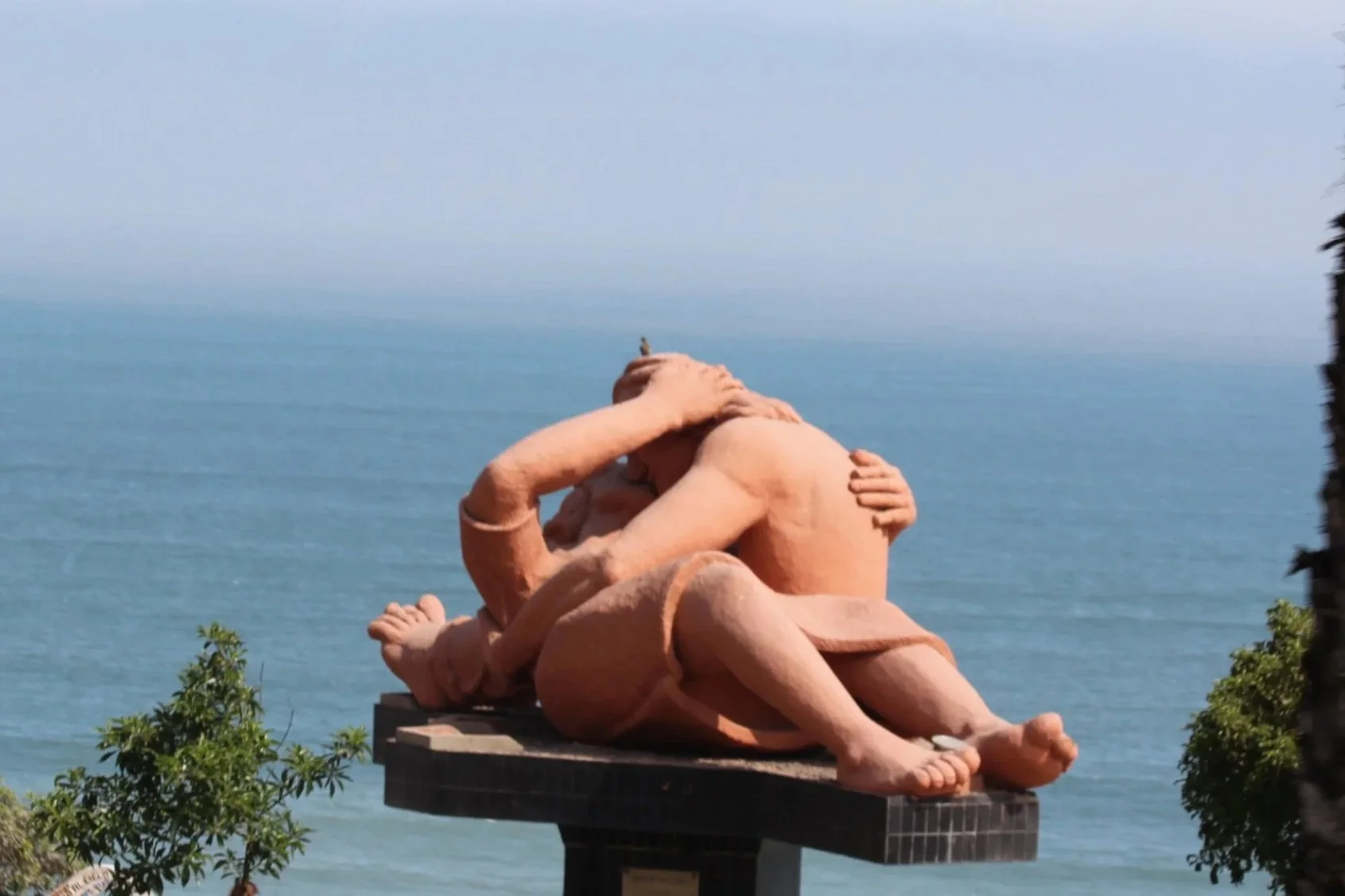
El Beso - The Kiss
We chose an Penthouse suite in Miraflores, just off Avenida José Larco and Calle José Gonzales.
It turned out to be a wonderful base for our few days in Lima.
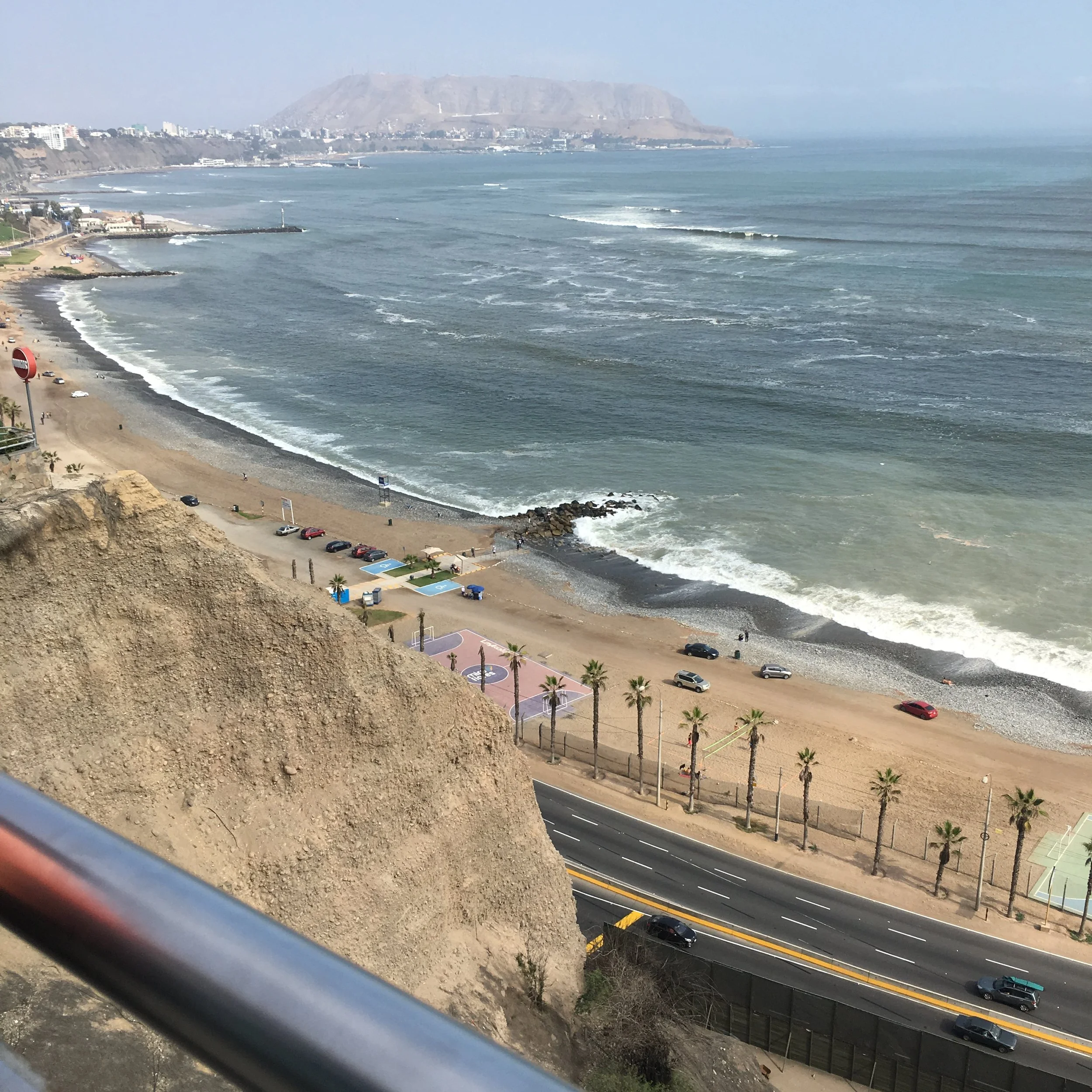
Miraflores is one of the city's best-known neighbourhoods, with restaurants, shops, cafés, parks and beautiful views along the Pacific coastline.
We enjoyed being able to walk around, explore the streets and find places to eat without having to organize transportation every time we wanted to go somewhere. It felt relatively safe, but of course, always be cautious. Crime is everywhere in the world.
The neighbourhood has a very different feel from the historic centre. It's modern, lively and full of activity, yet the ocean is never far away.
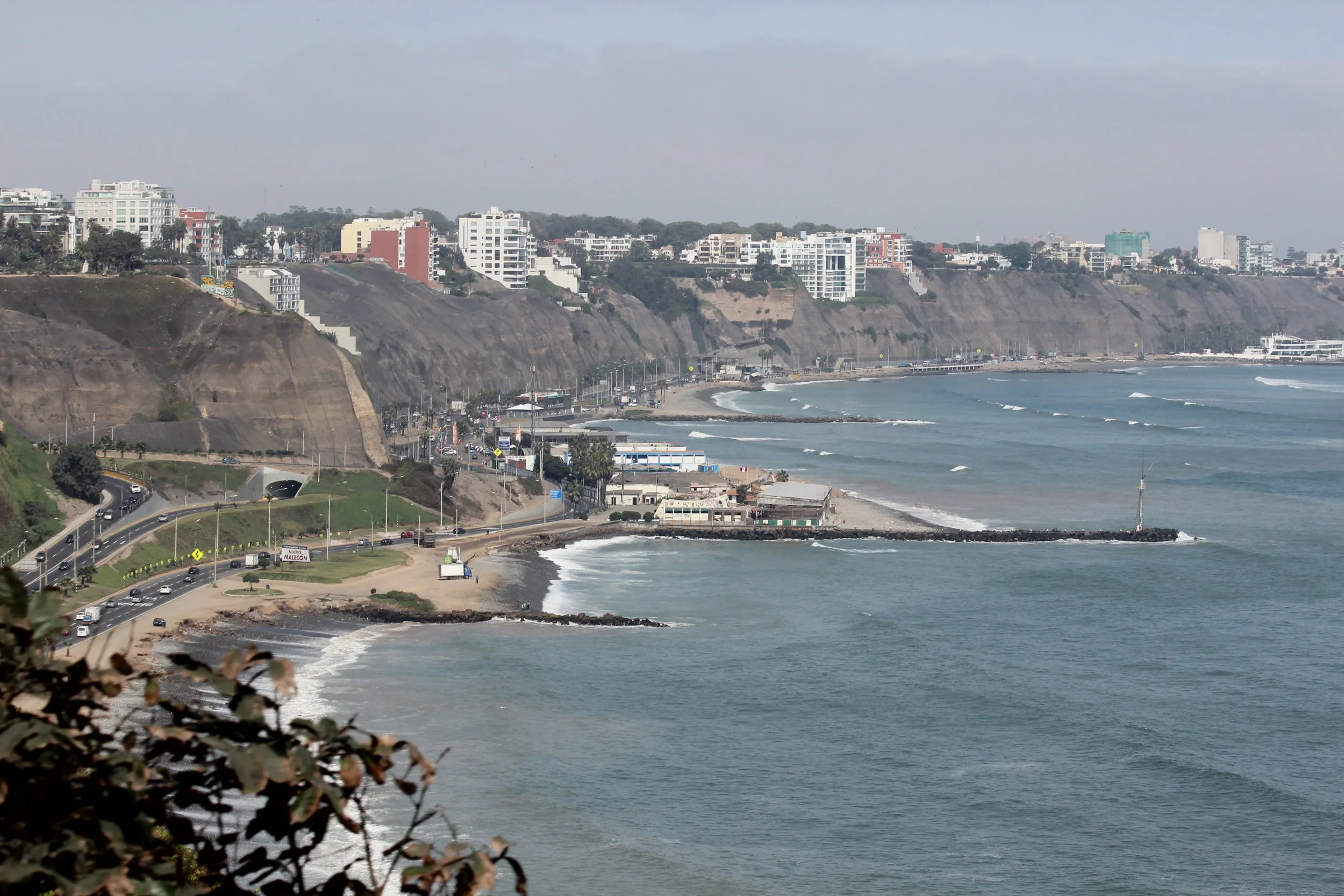
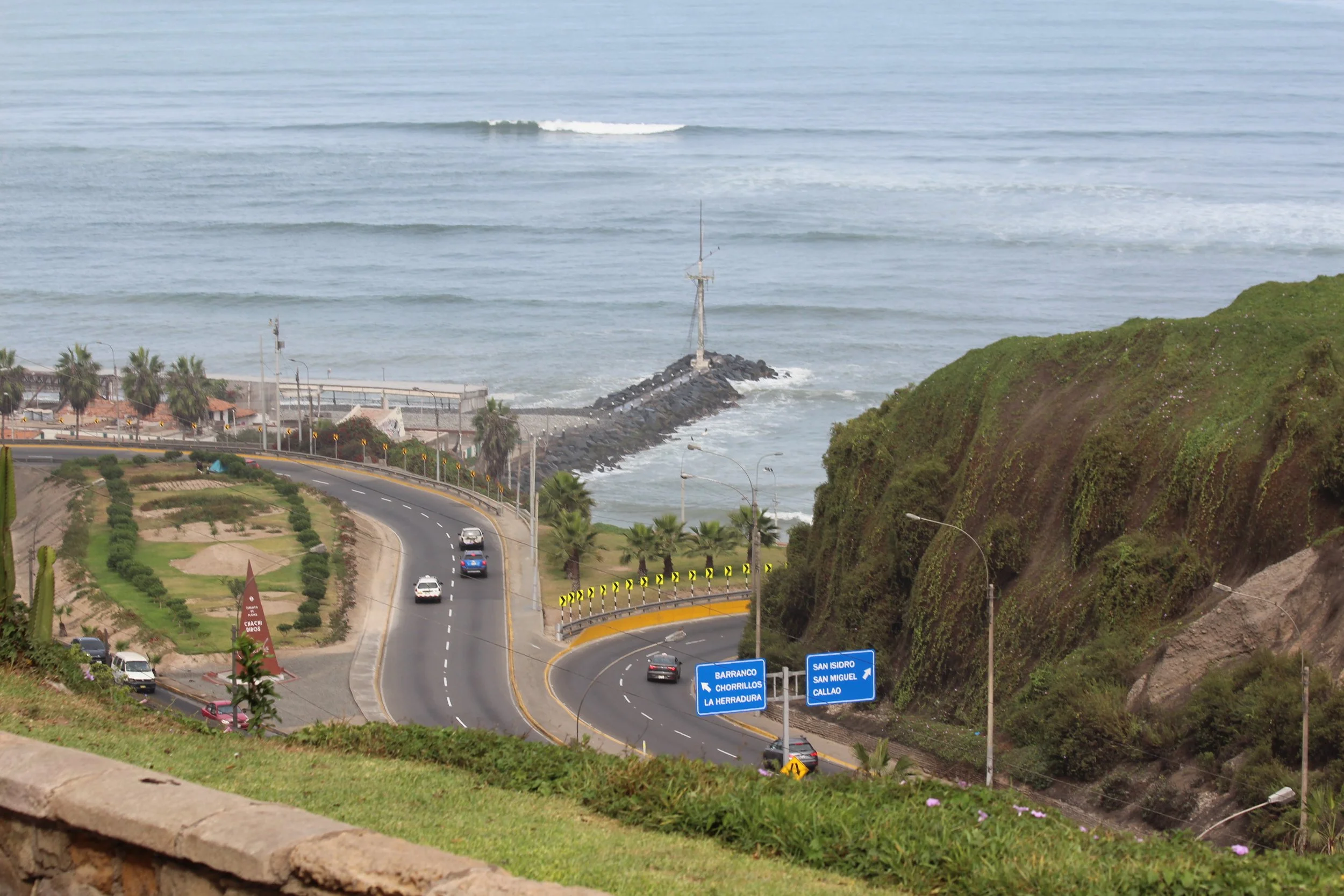
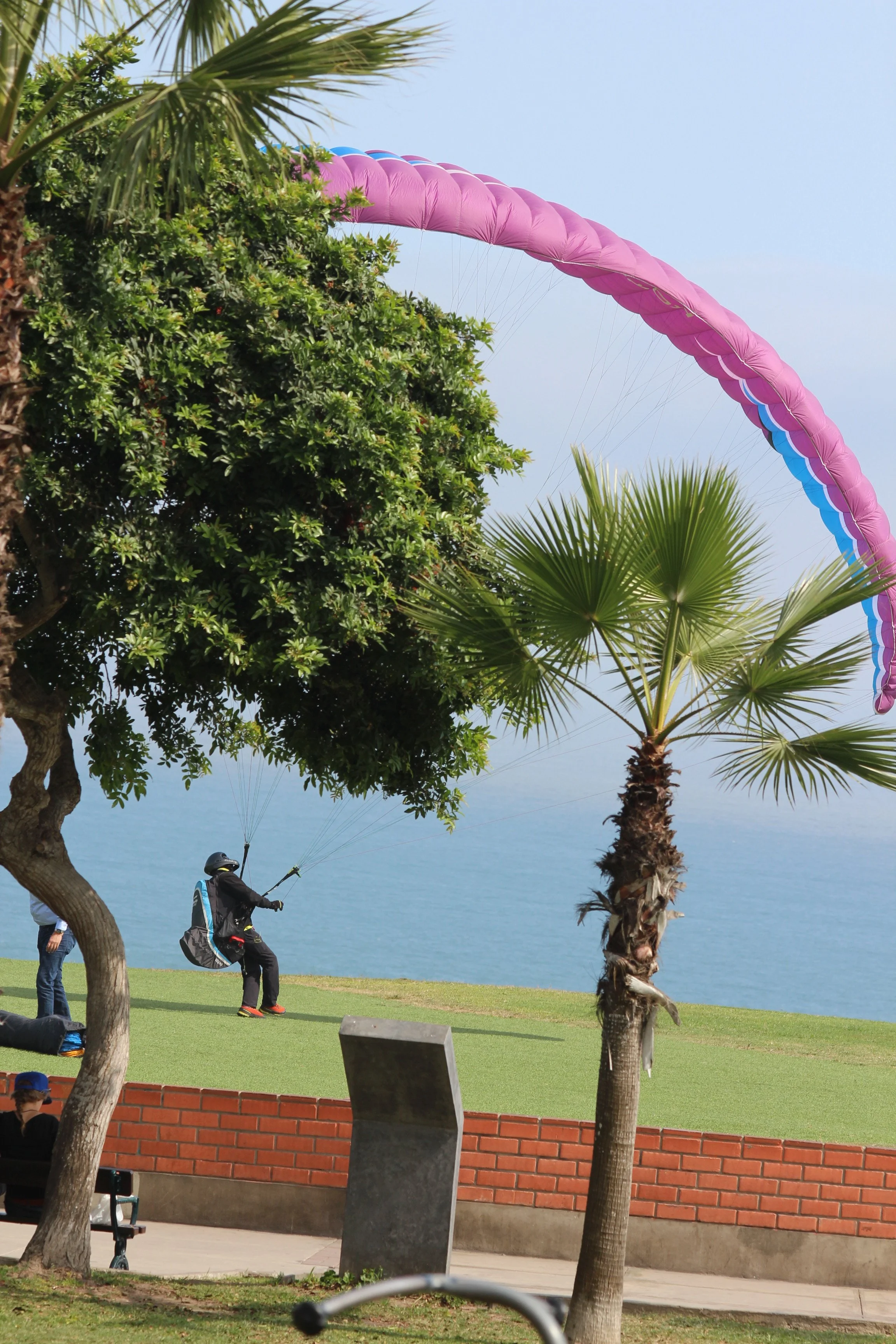
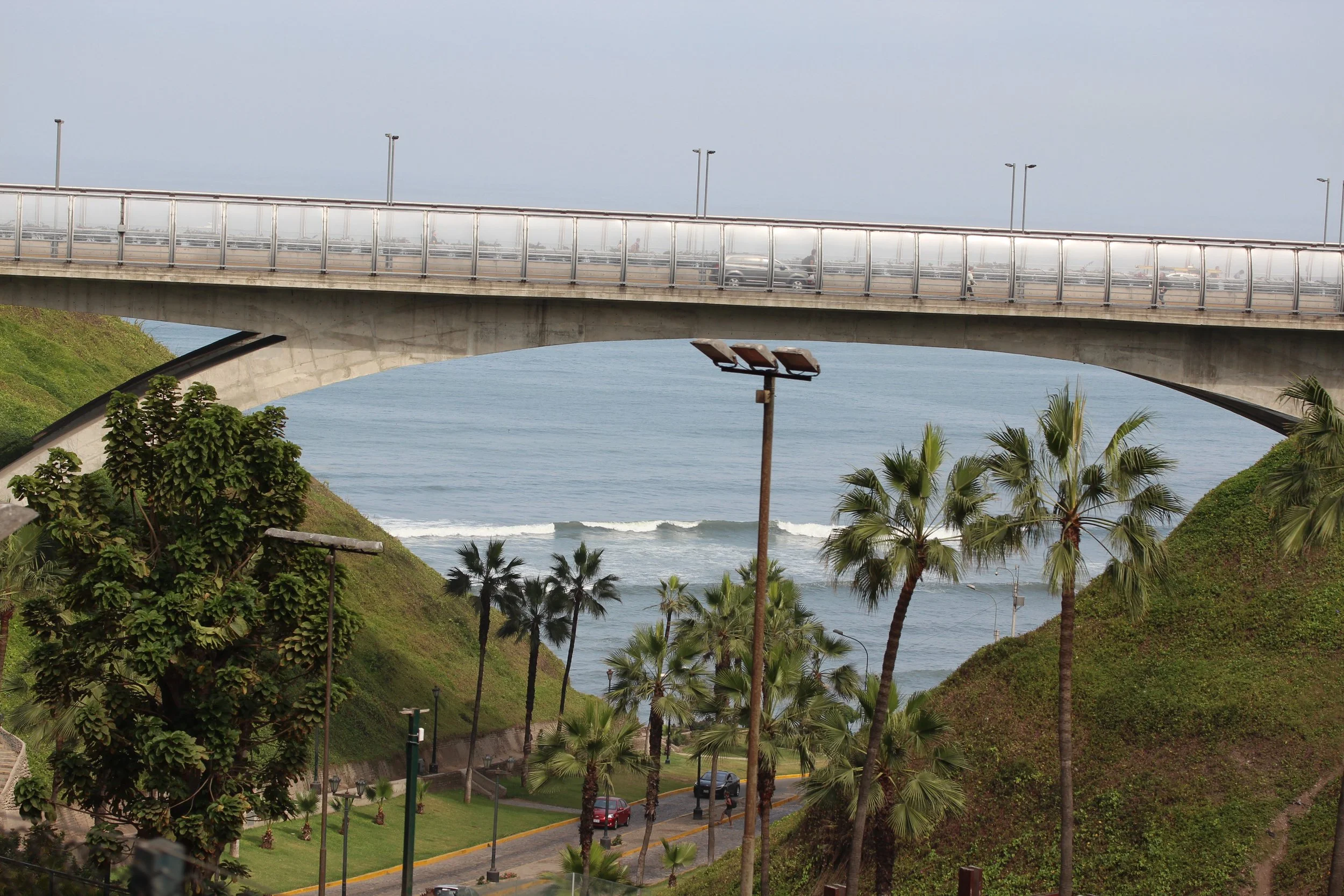
One of the highlights is the coastal promenade, where parks and gardens sit high above the cliffs overlooking the Pacific.
We watched paragliders launch themselves from the cliffs and float above the coastline. It was quite a sight!
There is something rather wonderful about watching someone soar over the ocean while you're safely standing on solid ground with your camera.
Miraflores also has a surprising neighbour hiding in plain sight.
An ancient civilization among modern buildings
Imagine walking through a modern city neighbourhood and discovering a massive ancient pyramid!
That's Huaca Pucllana.
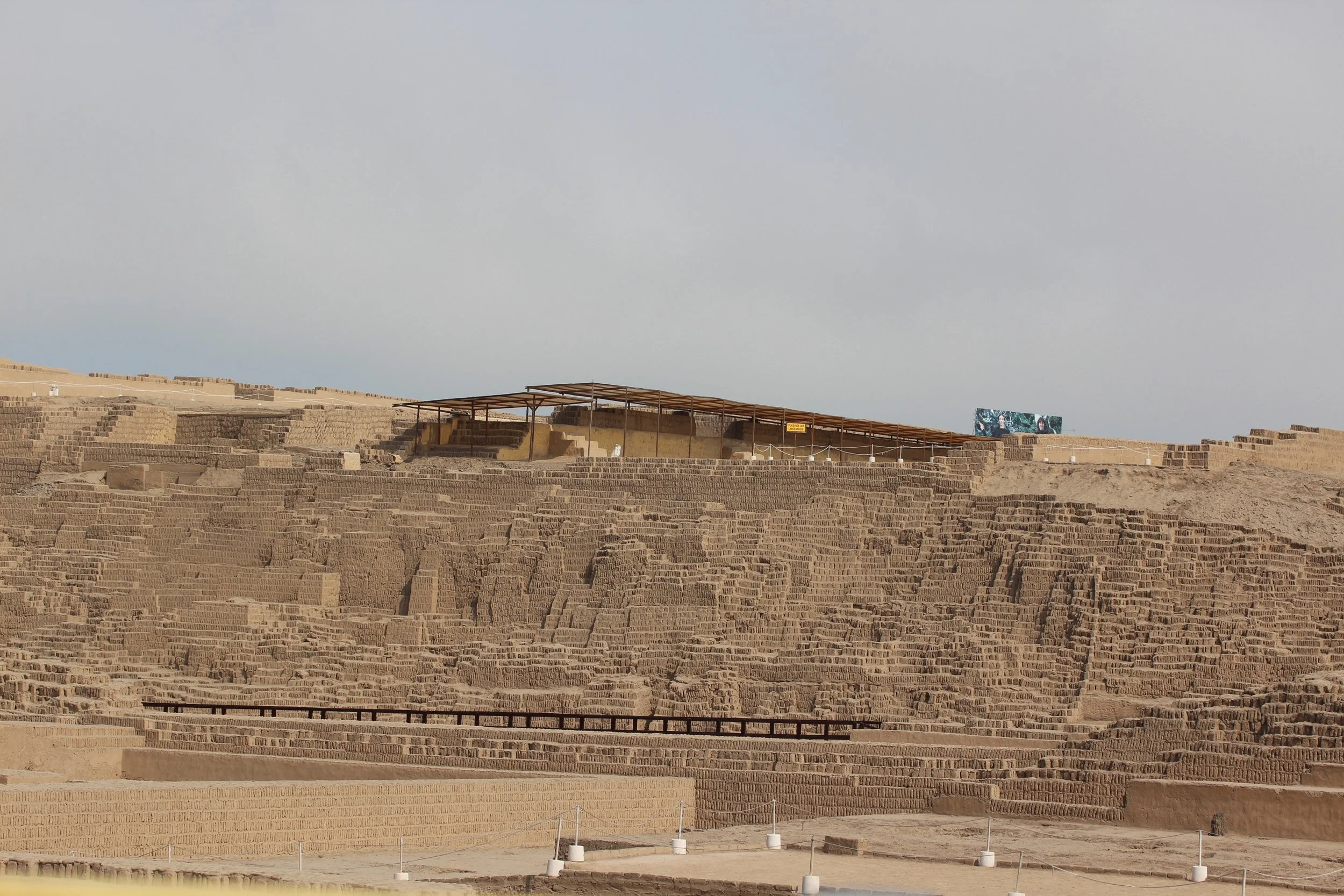
Huaca Pucllana
This archaeological complex was built by the Lima culture, long before the Inca Empire. Dating back roughly 1,300–1,500 years, it includes a large adobe pyramid and ceremonial spaces.
The site is a reminder that Peru's ancient history goes well beyond the Incas.
We had already visited so many remarkable archaeological sites during our travels that by this point we decided a drive-by would have to do.
But if you haven't visited many of Peru's archaeological treasures, this is one I'd put on your Lima itinerary.
Who expects to find an ancient ceremonial centre surrounded by modern apartment buildings and restaurants?
Only in Peru!
BARRANCO: WHERE THE WALLS TELL STORIES
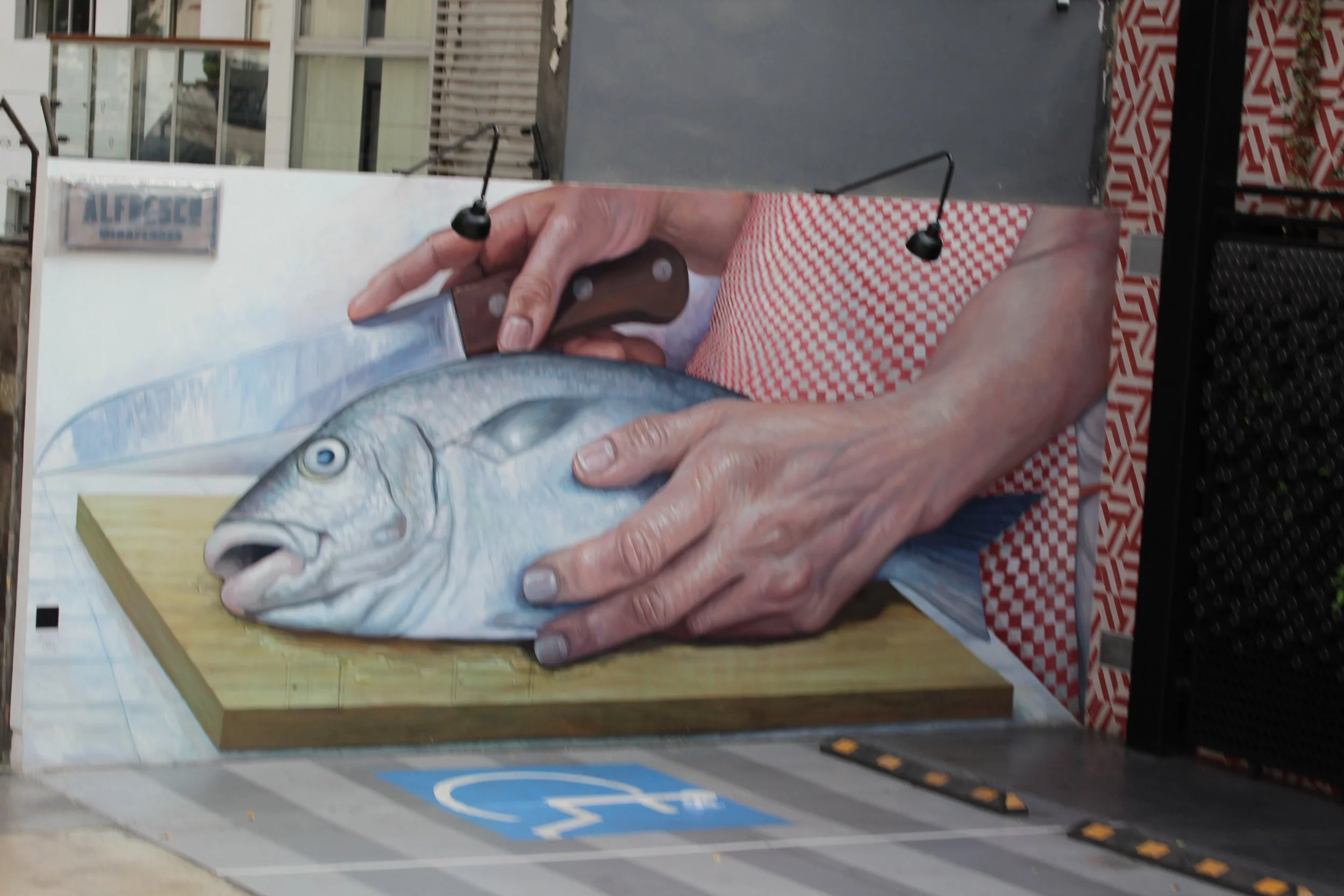
Now this was one of my favourite parts of Lima.
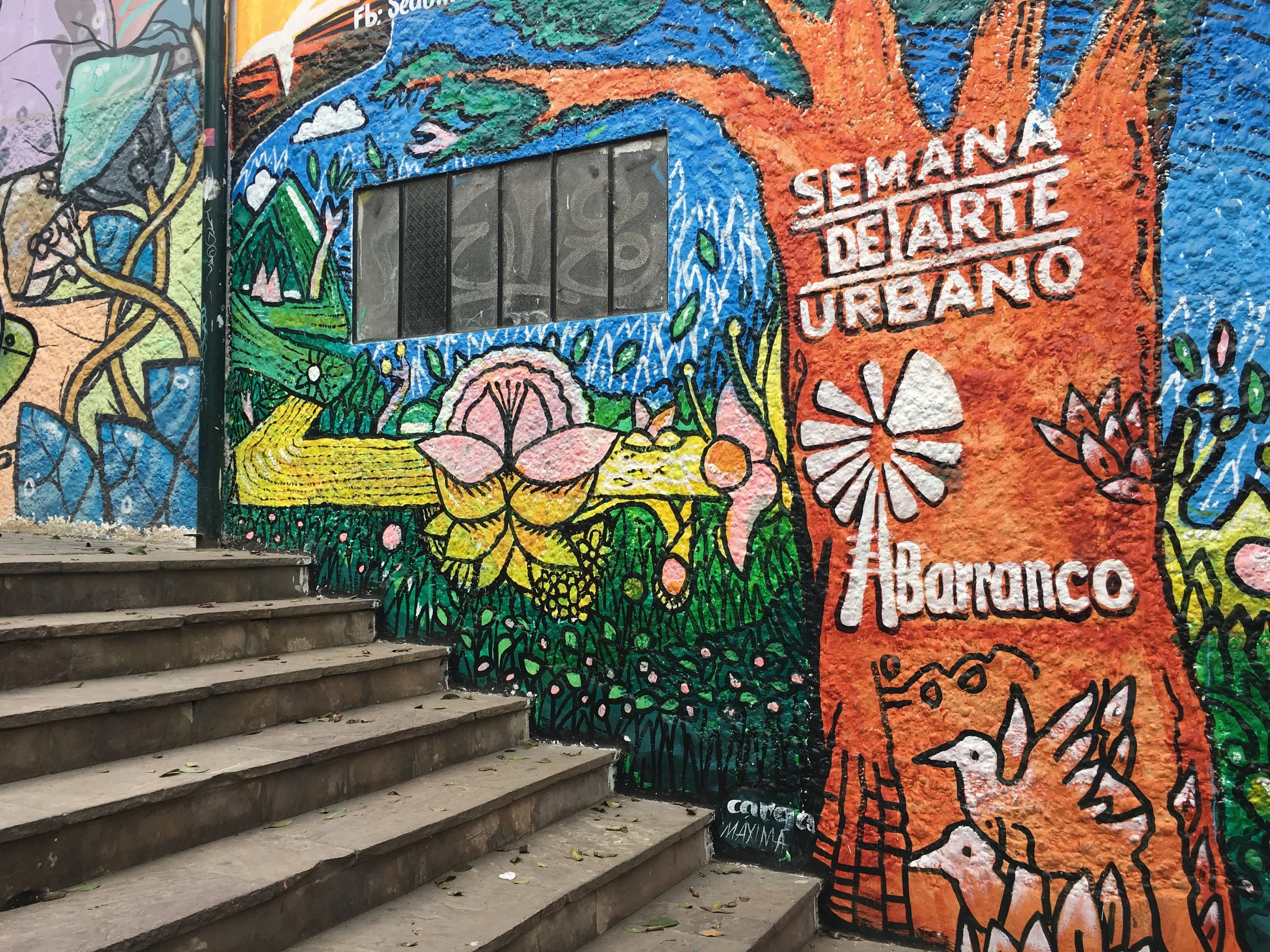
If you love art, colour, interesting architecture and wandering streets without knowing exactly what you'll find around the next corner, make time for Barranco.
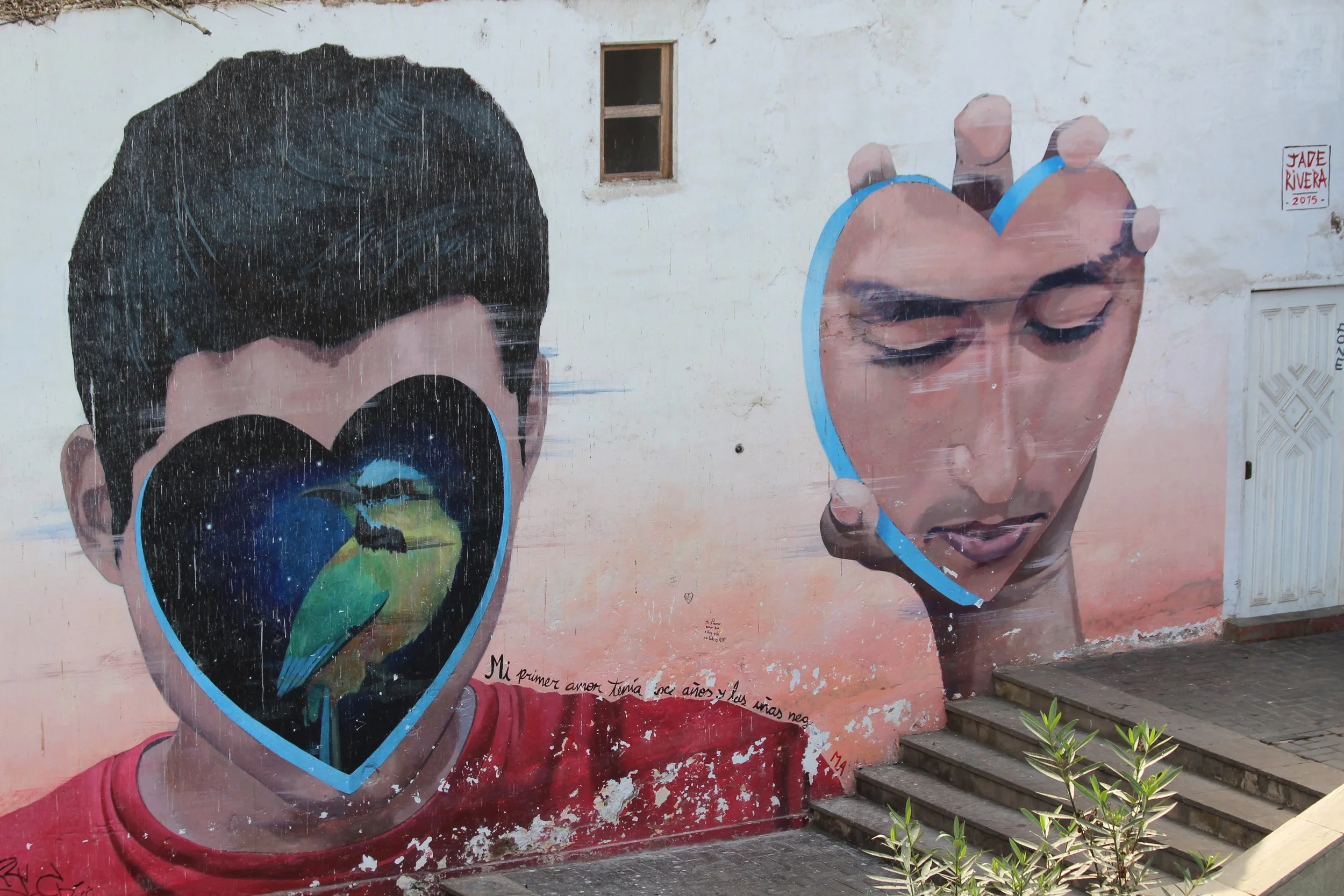
Known as Lima's bohemian neighbourhood, Barranco is filled with colourful murals, historic houses, galleries, cafés and artistic expression.
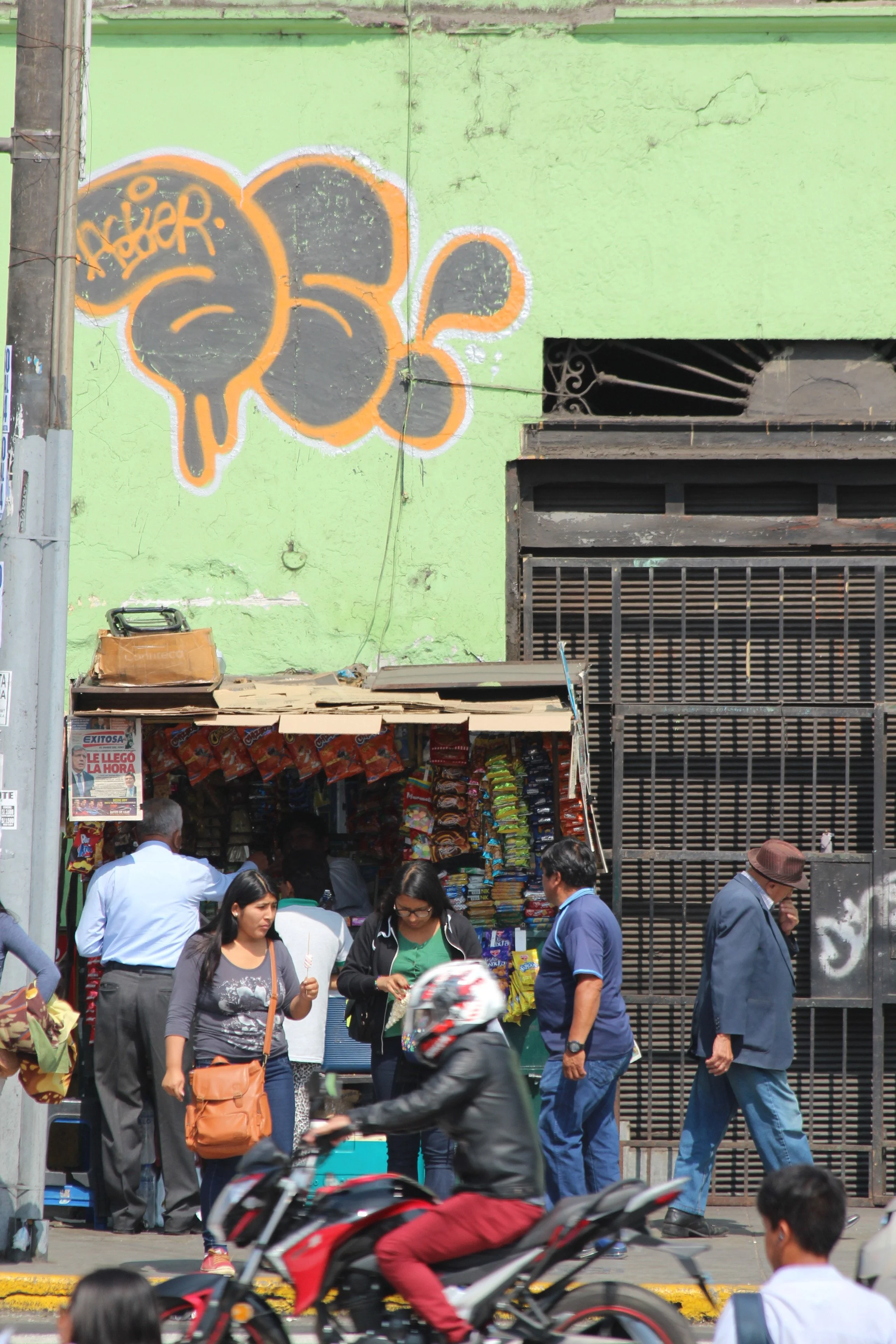
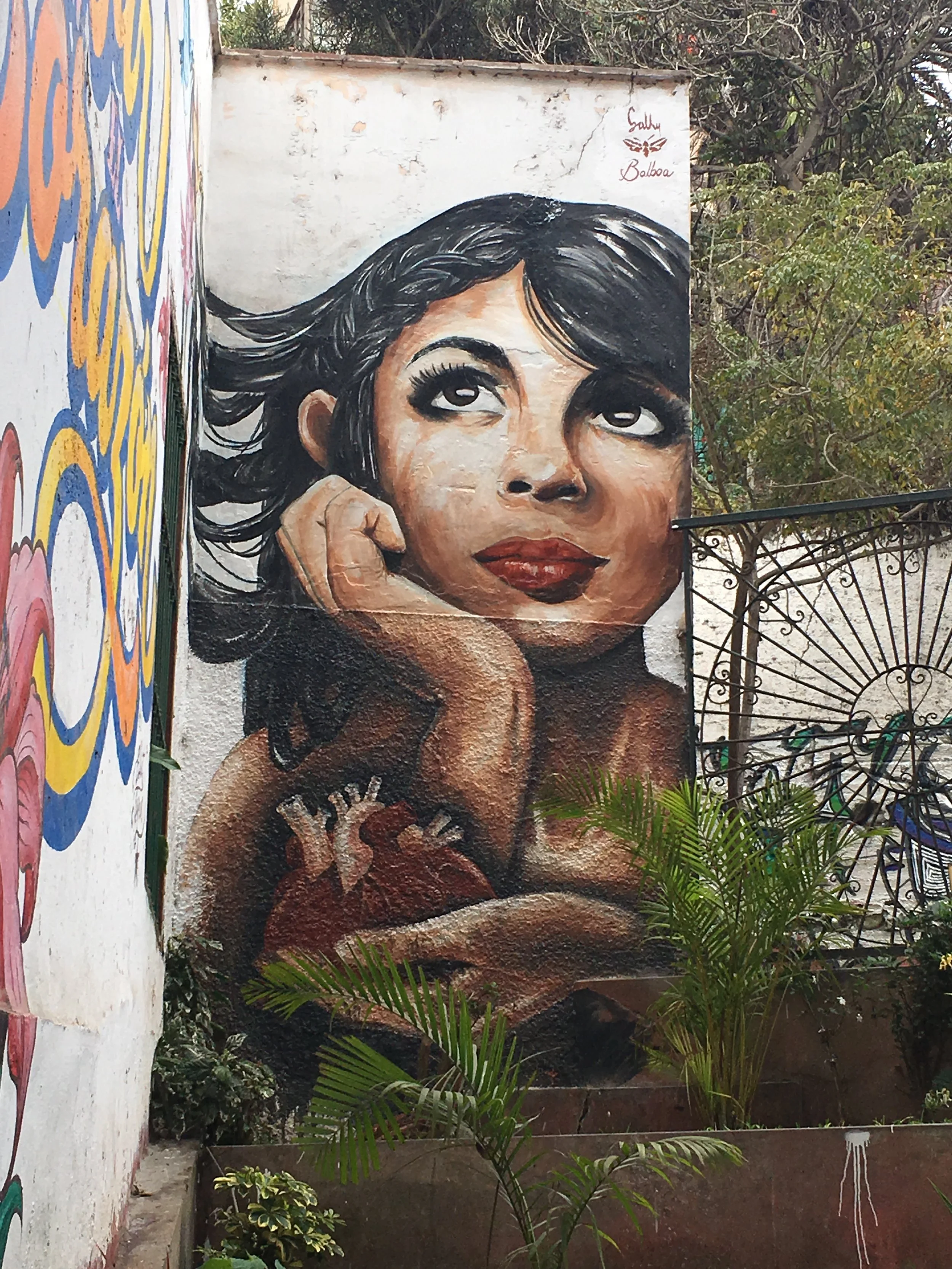
I absolutely loved the street art.
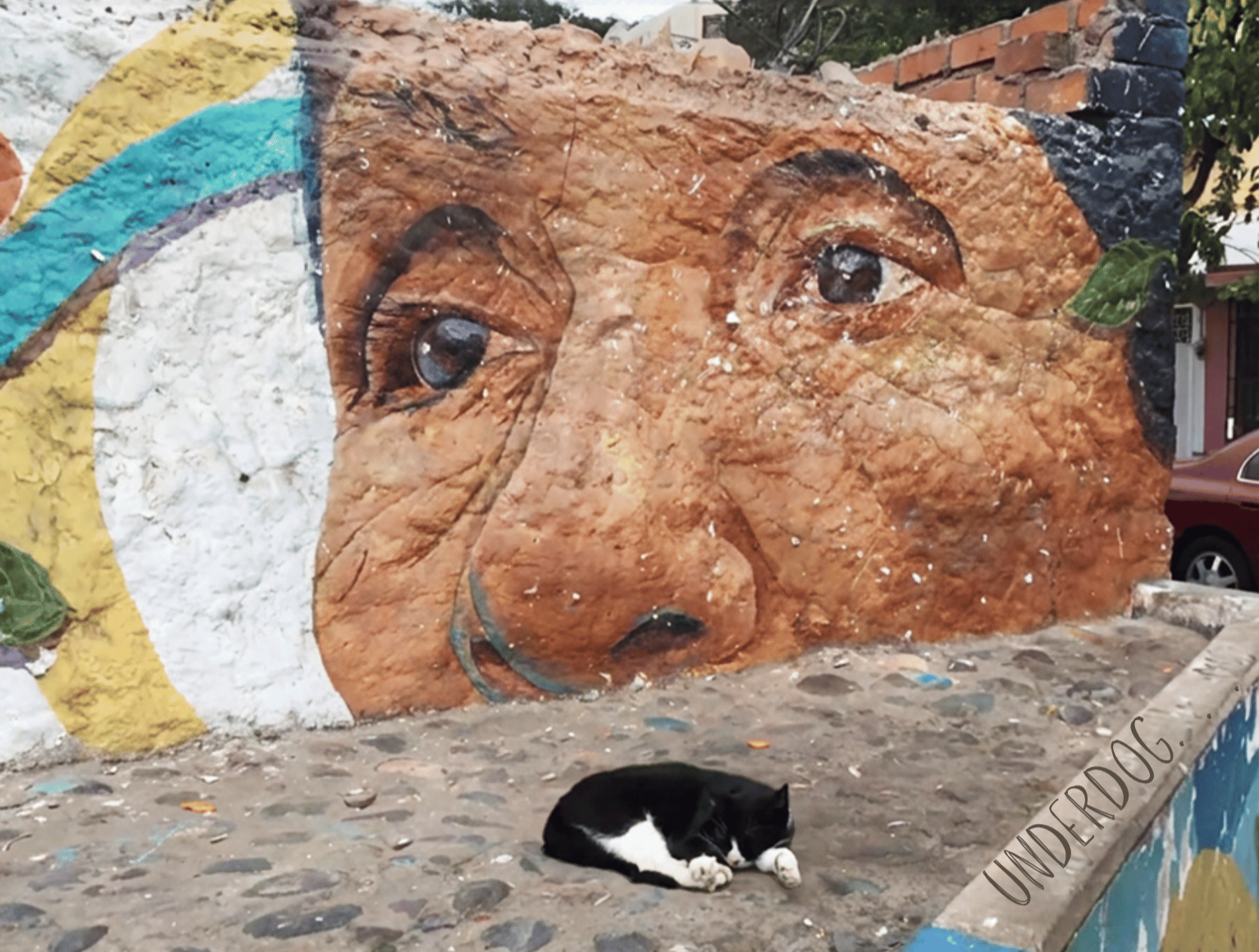
Amazing - look at even the reflection in the eyes and how they used the rough wall to be wrinkles.
Everywhere we looked there seemed to be another wall, doorway or building transformed into a canvas. Some murals were bold and colourful, others told stories about Peruvian identity, culture, nature and everyday life.
The artwork gives the neighbourhood an energy that is difficult to describe. It feels creative, a little unconventional and wonderfully alive.
One interesting part of Barranco's recent history is its mural movement. After murals were painted over in 2015, local artists responded through the Muraliza el Barrio initiative, bringing colour and artistic expression back to the neighbourhood.
The murals are constantly changing, so you never quite know what you'll discover.
My advice? Put your walking shoes on, leave some room on your camera and take your time. I must say my battery died, so I recommend bringing a battery pack if you love street art like I do!
The Bridge of Sighs: Hold your breath and make a wish!
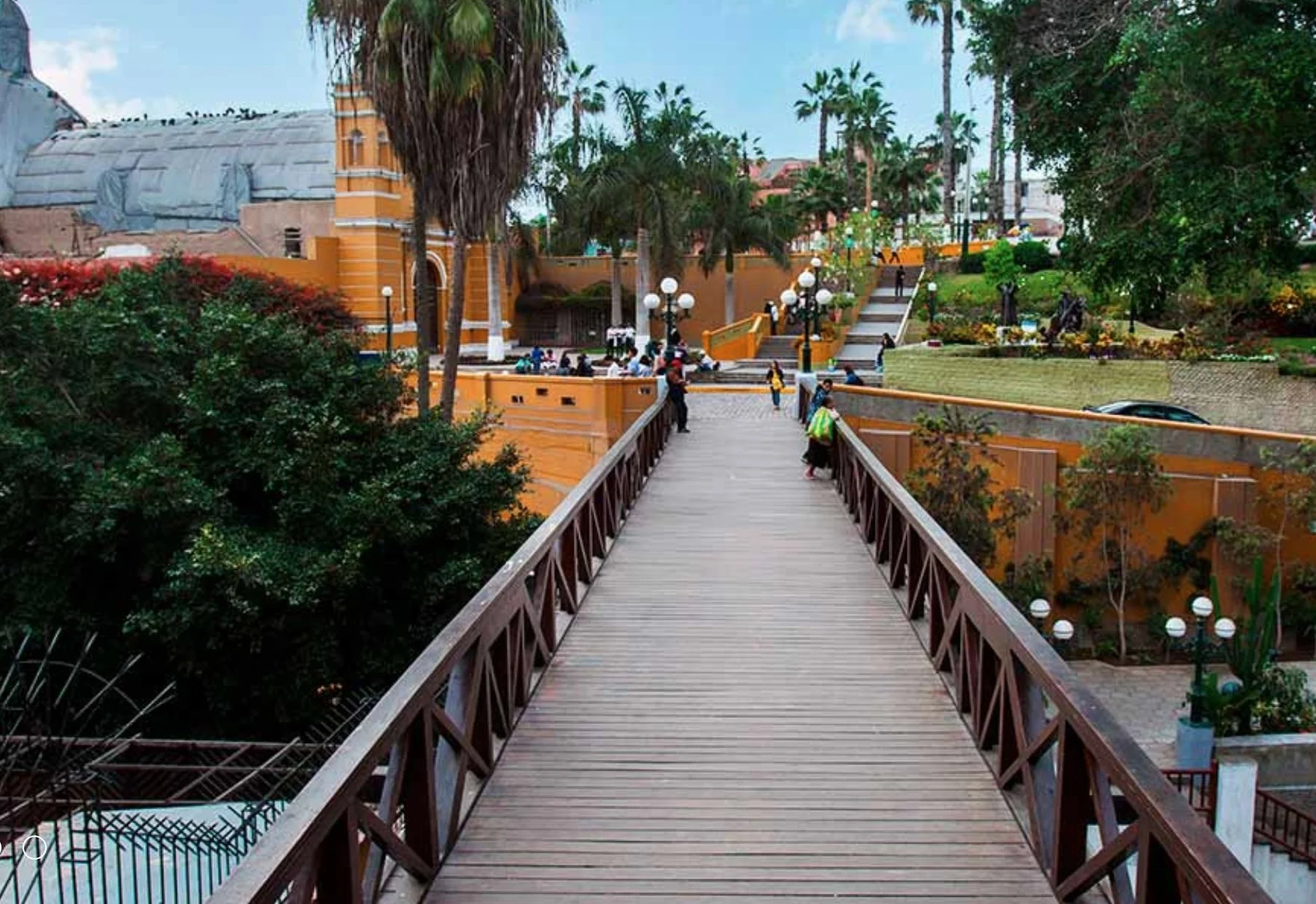
One of Barranco's most famous landmarks is the wooden Puente de los Suspiros, or Bridge of Sighs.
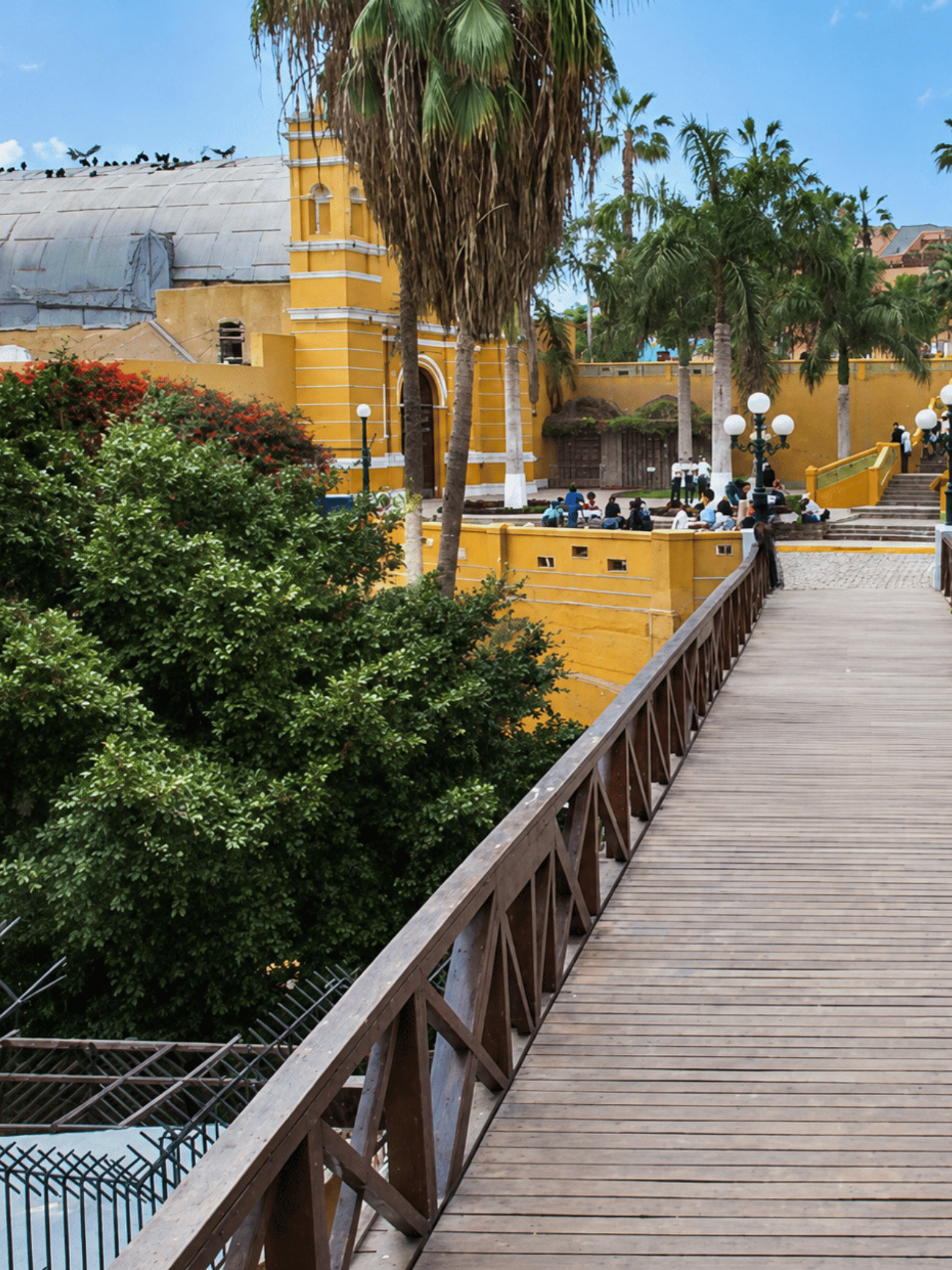
Built in 1877, the bridge connects the two sides of a ravine and has become one of Lima's most romantic and photographed spots.
But there's a local tradition that makes crossing it a little more interesting.
You're supposed to hold your breath as you walk across the entire bridge and make a wish.
Apparently, if you manage to cross without taking a breath, your wish will come true!
Now, I don't know about you, but that's a travel tradition I'm happy to participate in.
We walked the surrounding streets, admired the architecture and enjoyed the atmosphere. The area is full of little surprises, and it's the sort of place where you can easily lose track of time.
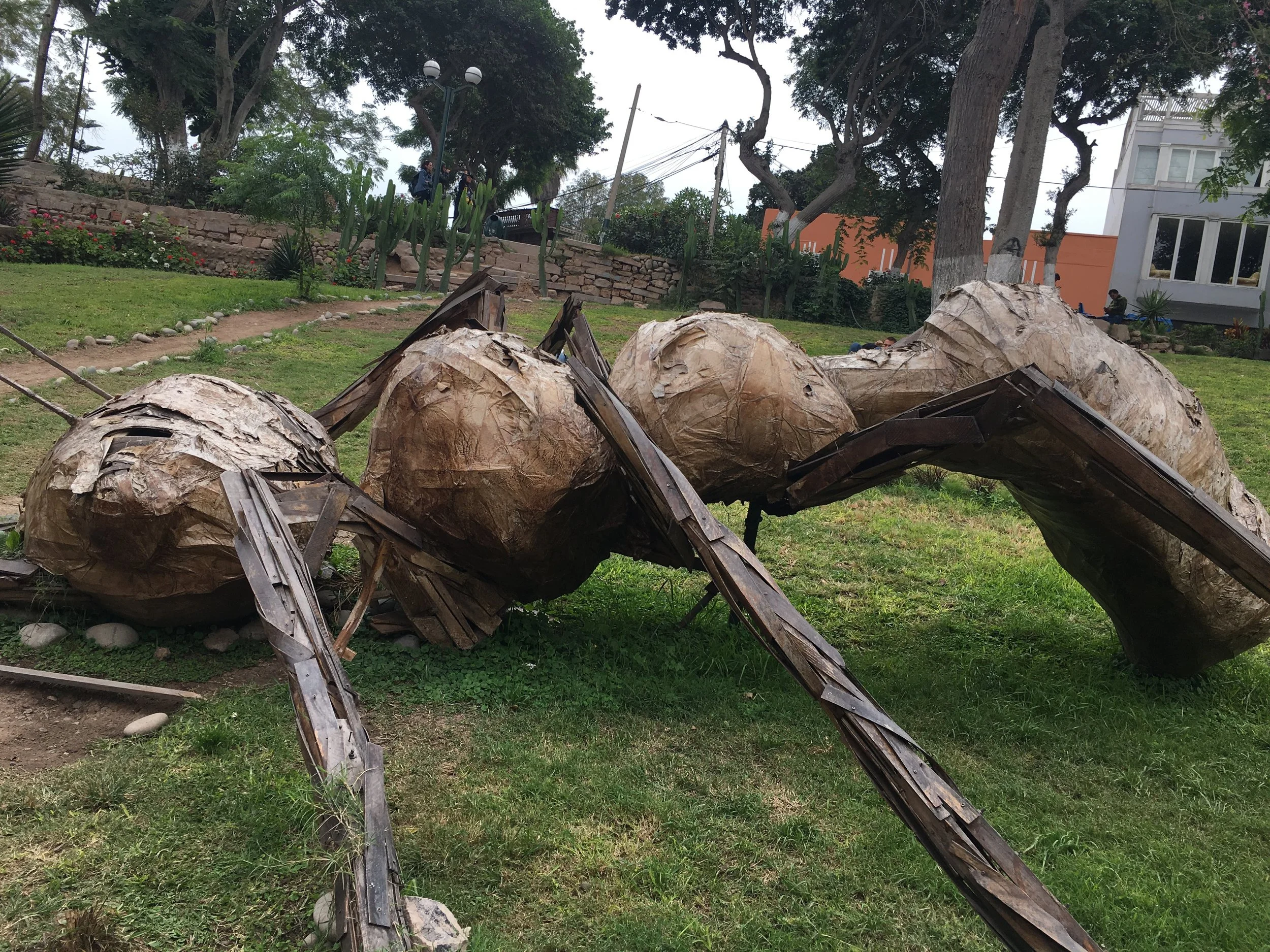
The yellow church and its unusual rooftop visitors
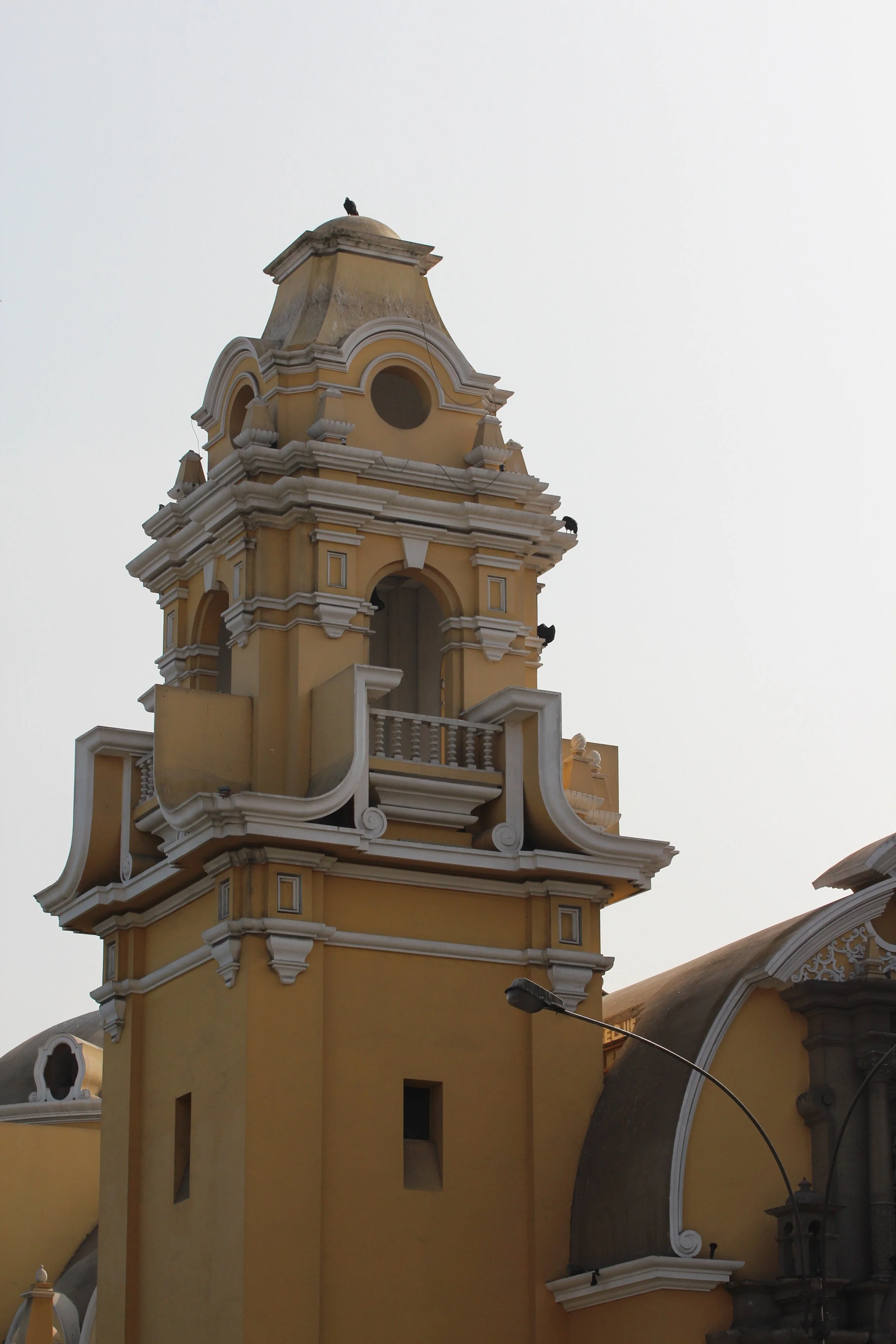
Near the Bridge of Sighs sits La Ermita de Barranco, a distinctive old church with a yellow façade and a history almost as colourful as the neighbourhood surrounding it.
But this is more than just a pretty landmark. In fact, the story of La Ermita is closely tied to the birth of Barranco itself.
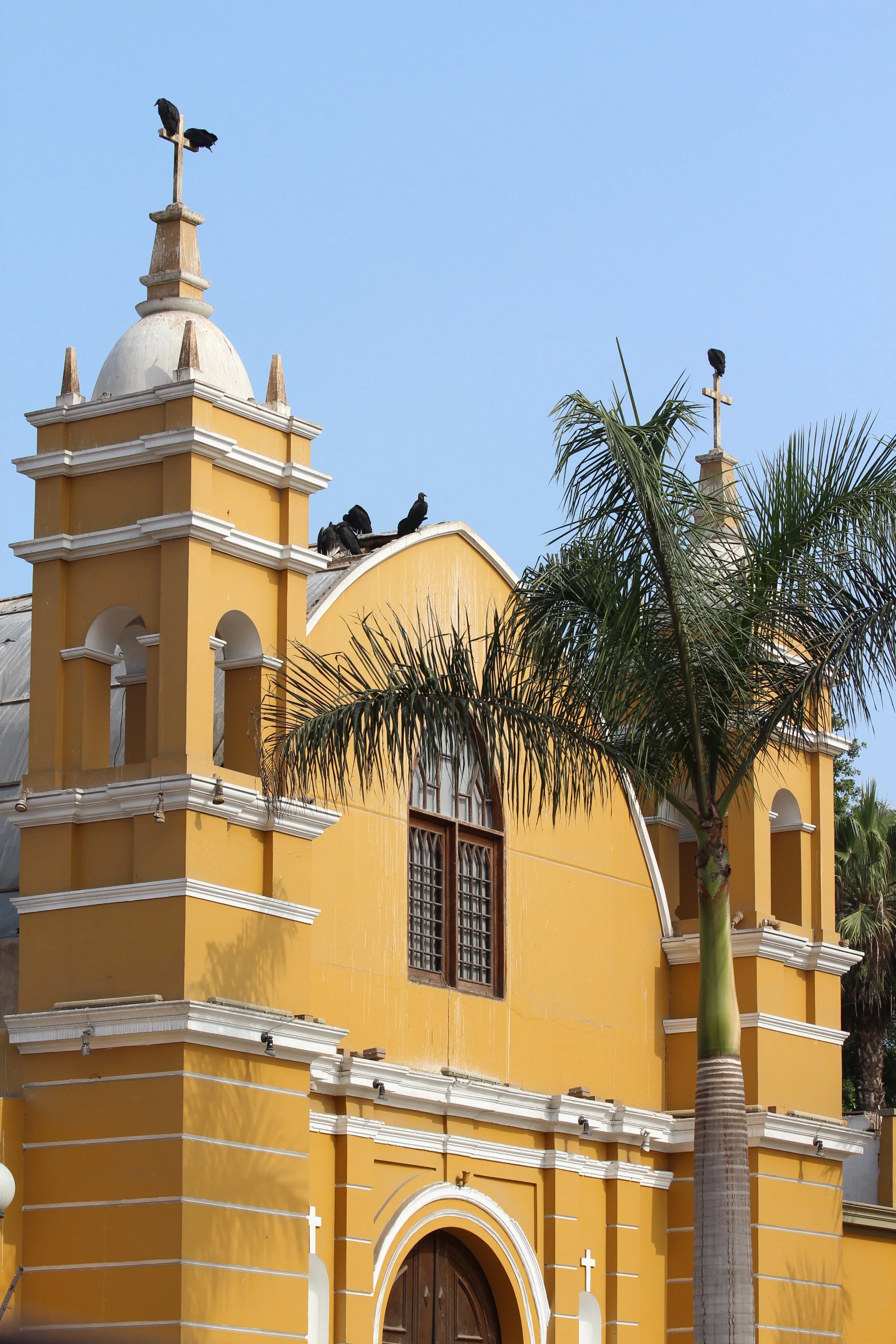
According to local legend, around 1750, fishermen from nearby Surco were caught out at sea when they spotted a mysterious light shining from the cliffs. When they finally reached shore, they discovered a cross. The story became associated with a miraculous rescue, and a local baker named Caicedo, whose wife was said to have recovered from a serious illness, built a small chapel on the spot in gratitude.
That humble chapel, originally constructed using adobe and quincha (a traditional building technique combining wooden frameworks with earth), eventually developed into the Templo de la Santísima Cruz. Over time, the little settlement around it grew into what we know today as Barranco.
But the church's history hasn't exactly been an easy one.
On January 14, 1881, during the War of the Pacific, Chilean troops set fire to much of Barranco, destroying both the church and the nearby Bridge of Sighs. The church was subsequently rebuilt with help from local residents and, in a rather unexpected twist, financial assistance from Chilean General Lynch, whose forces had been responsible for the destruction.
By 1901, La Ermita had taken on a more elaborate neo-Gothic appearance, complete with towers. Then came another setback. The devastating earthquake of May 1940 caused serious structural damage, and the church was eventually closed. Further restoration efforts and alterations followed, including changes to its towers in 1960, but the building continued to deteriorate.
Declared a Historic Monument in 1955, La Ermita remains an important symbol of Barranco's heritage. After years of delays and restoration proposals, a major recovery project finally got underway in 2026, with the aim of giving this historic landmark a new lease on life.
And then there are the birds!
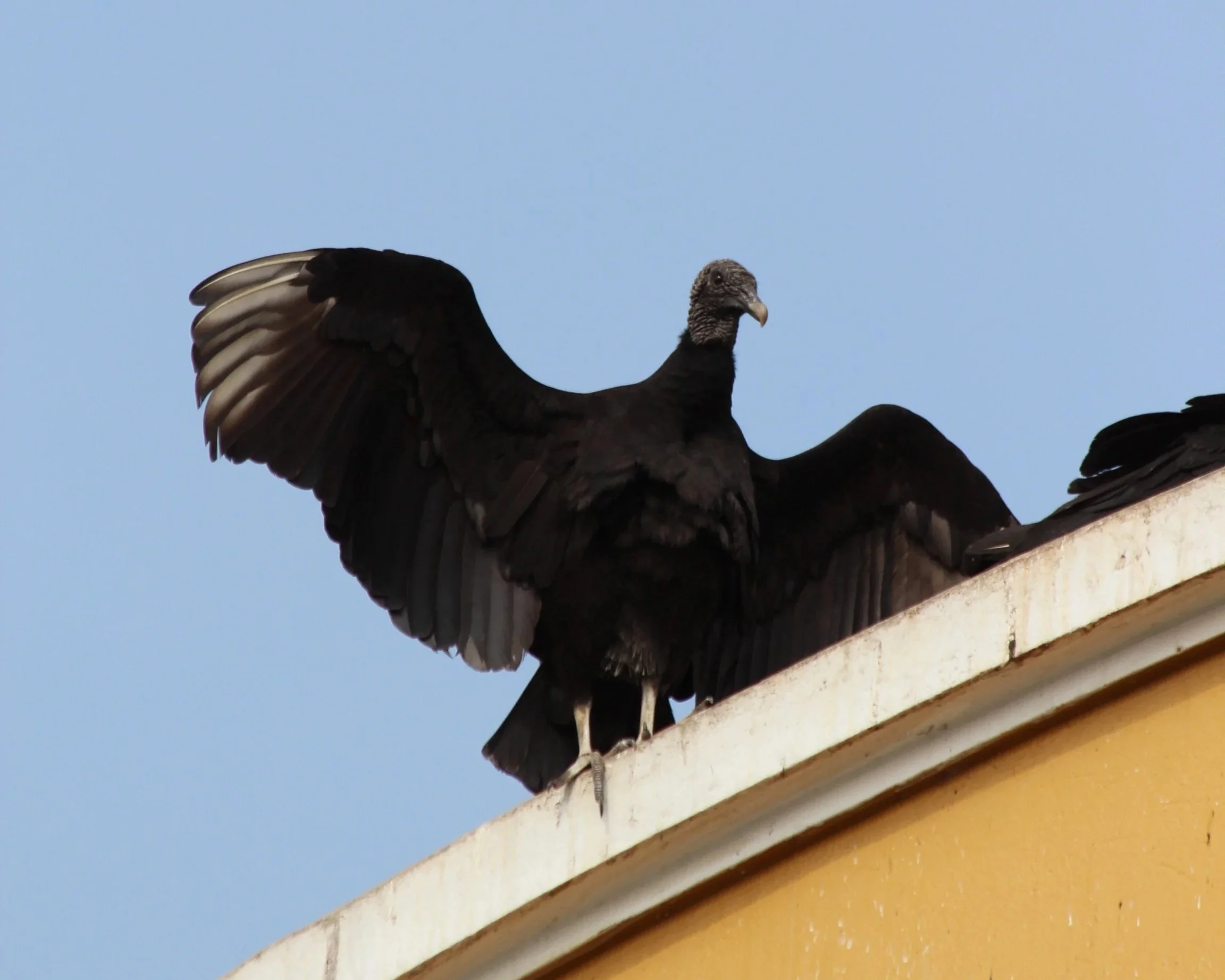
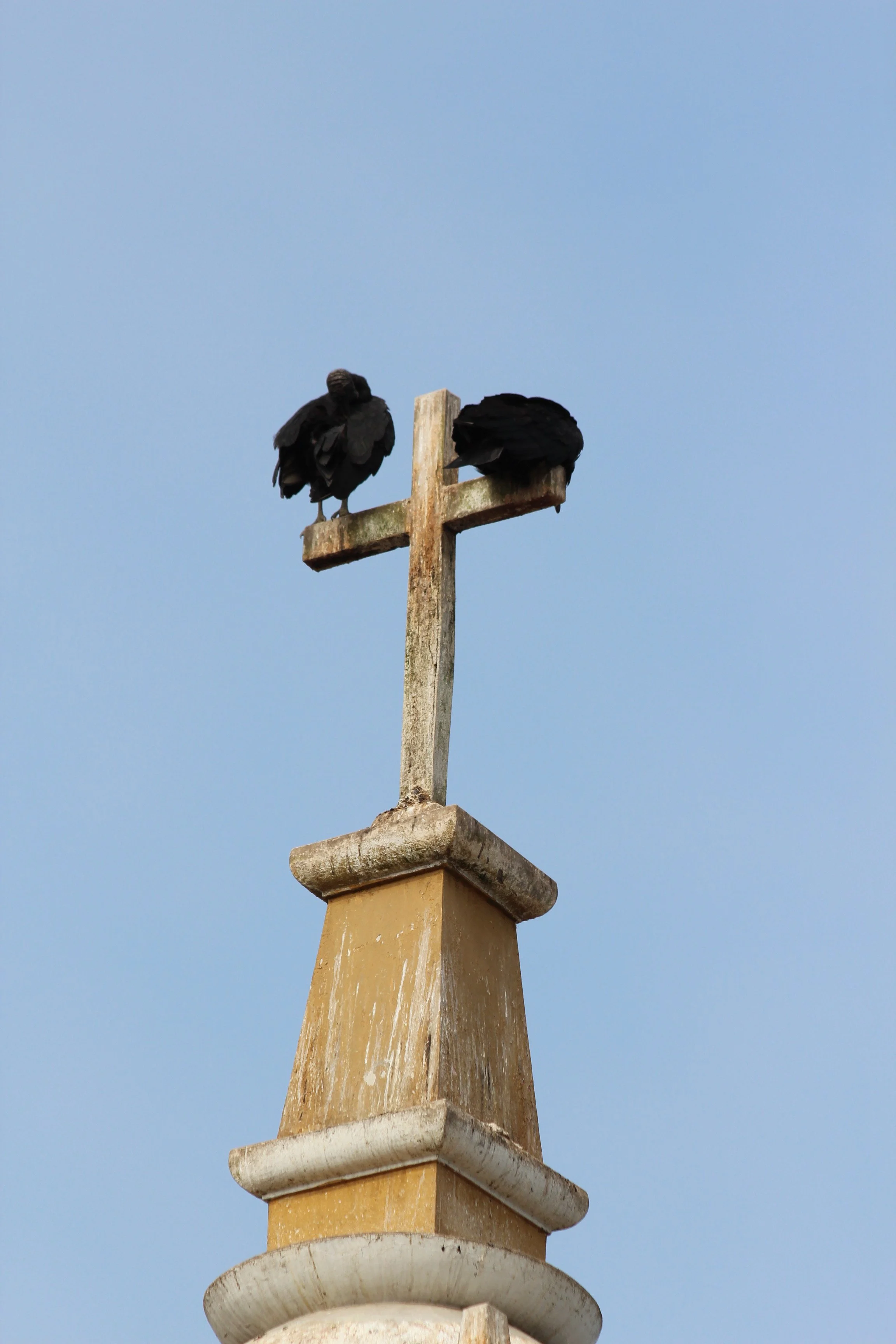
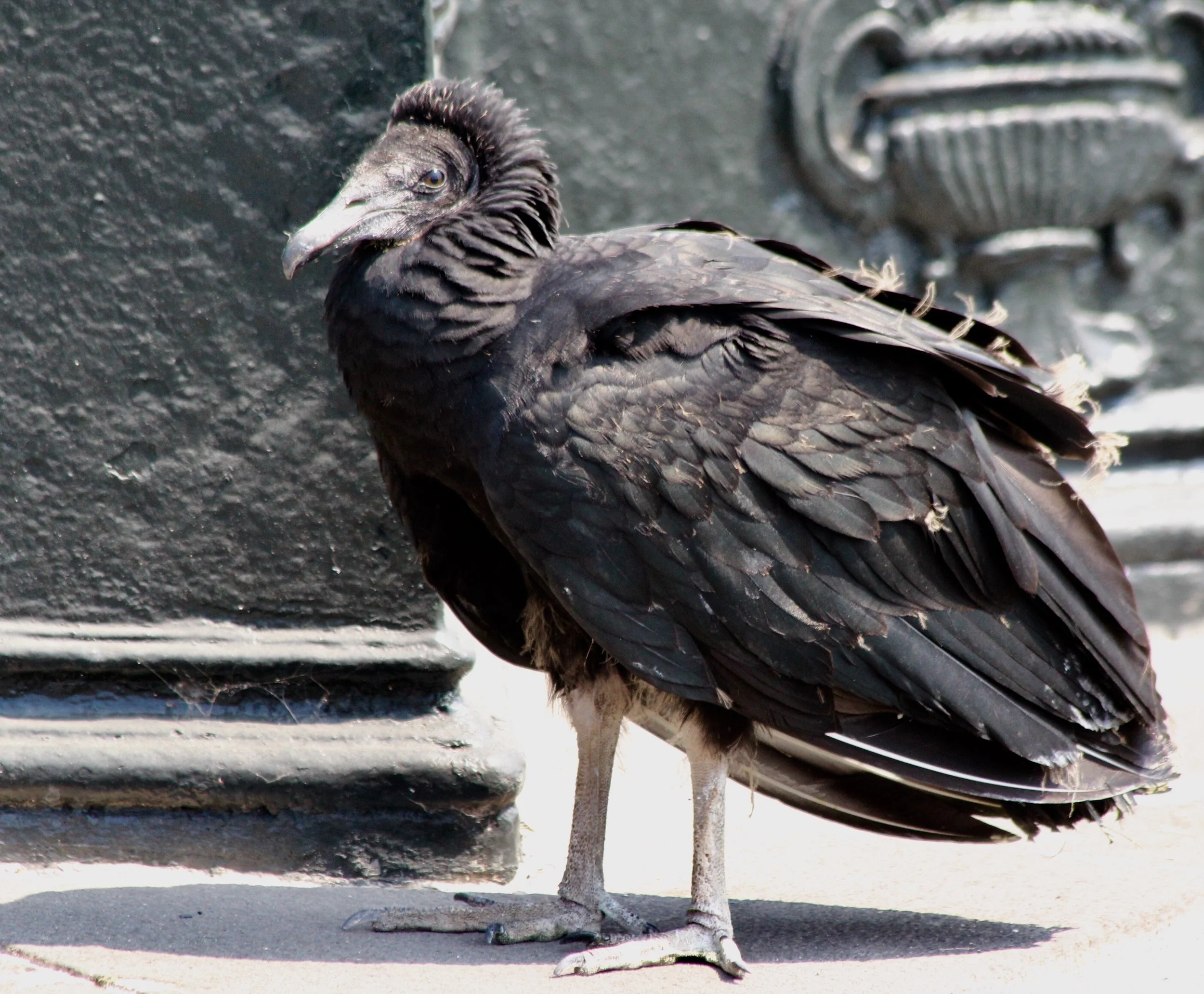
What caught our attention were the large black vultures, known locally as gallinazos, perched along the rooftop. Some were sitting quietly, while others had their enormous wings spread wide, almost as if they were posing for photographs.
It was quite a sight against the old church!
But there is actually a fascinating reason for this unusual behaviour. Vultures spread their wings to catch the sun, helping to warm their bodies and dry their feathers. It's a natural behaviour known as sunning, and once you know why they do it, you appreciate the sight even more.
I couldn't help thinking what an unusual combination this was: a church with centuries of history, a neighbourhood that grew around a legend, and these magnificent birds claiming the rooftop as their own.
YOU CAN'T MAKE THIS STUFF UP!
One of my favourite parts of travelling is watching the world go by.
You see things that don't necessarily make it into guidebooks but somehow become the stories you tell when you get home.
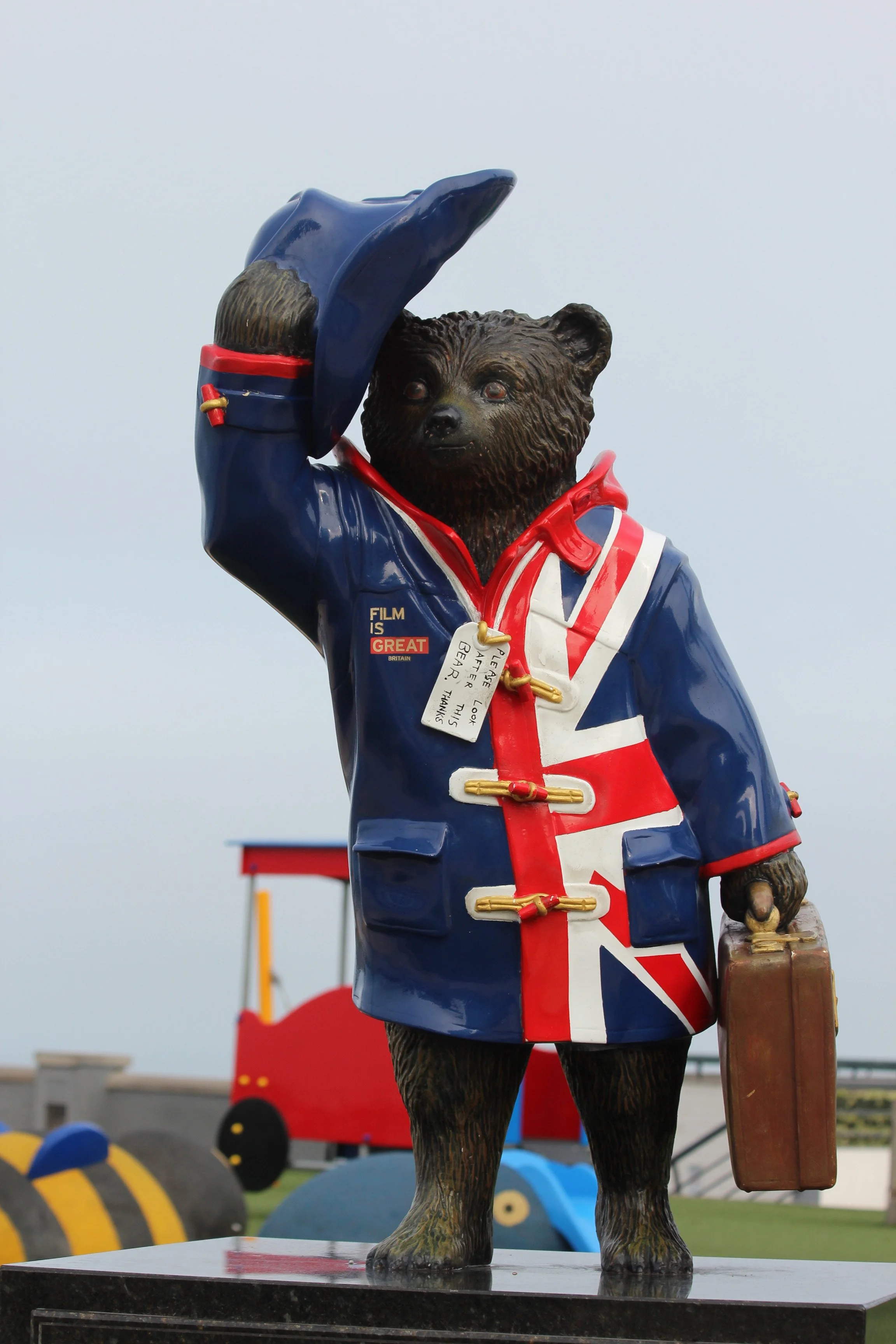
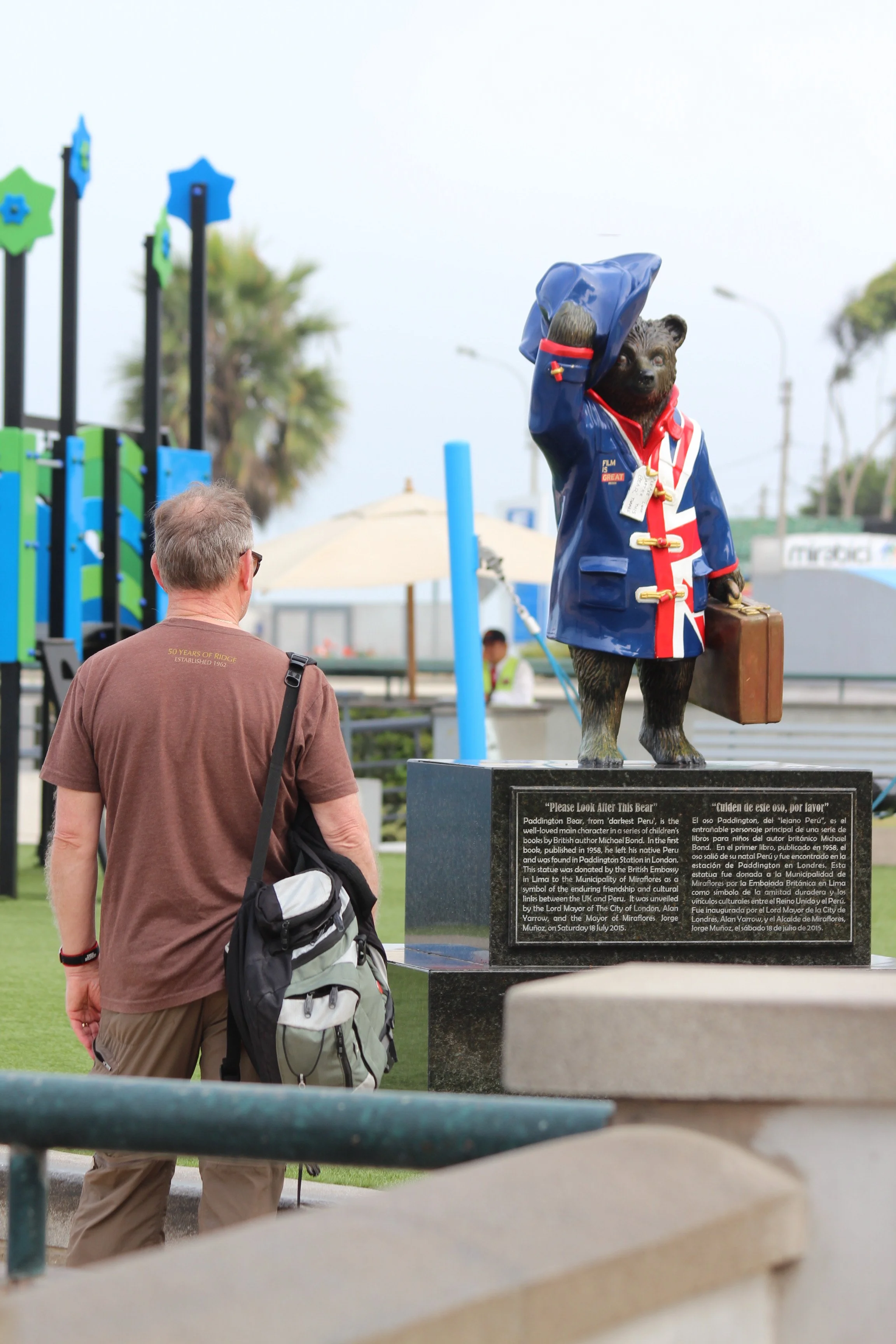
We spotted a travelling Paddington Bear, complete with his little suitcase. I believe he had been a gift from the United Kingdom. He looked ready for his next adventure!
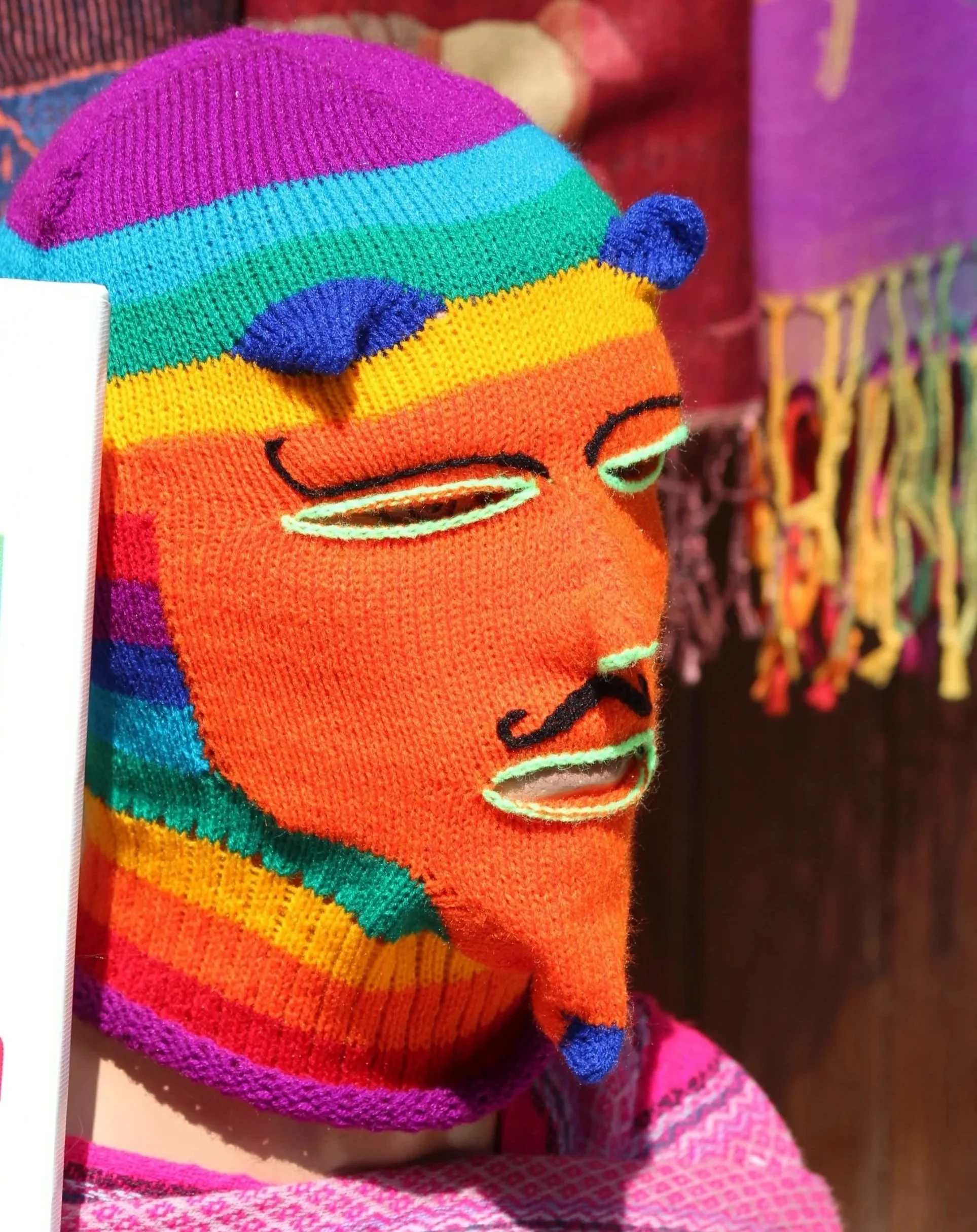
And then there was the gentleman at the food market at Larcomar.
Showing my age but…
He looked so much like Mr. Magoo that I couldn't help but notice him.
Do you see the resemblance?

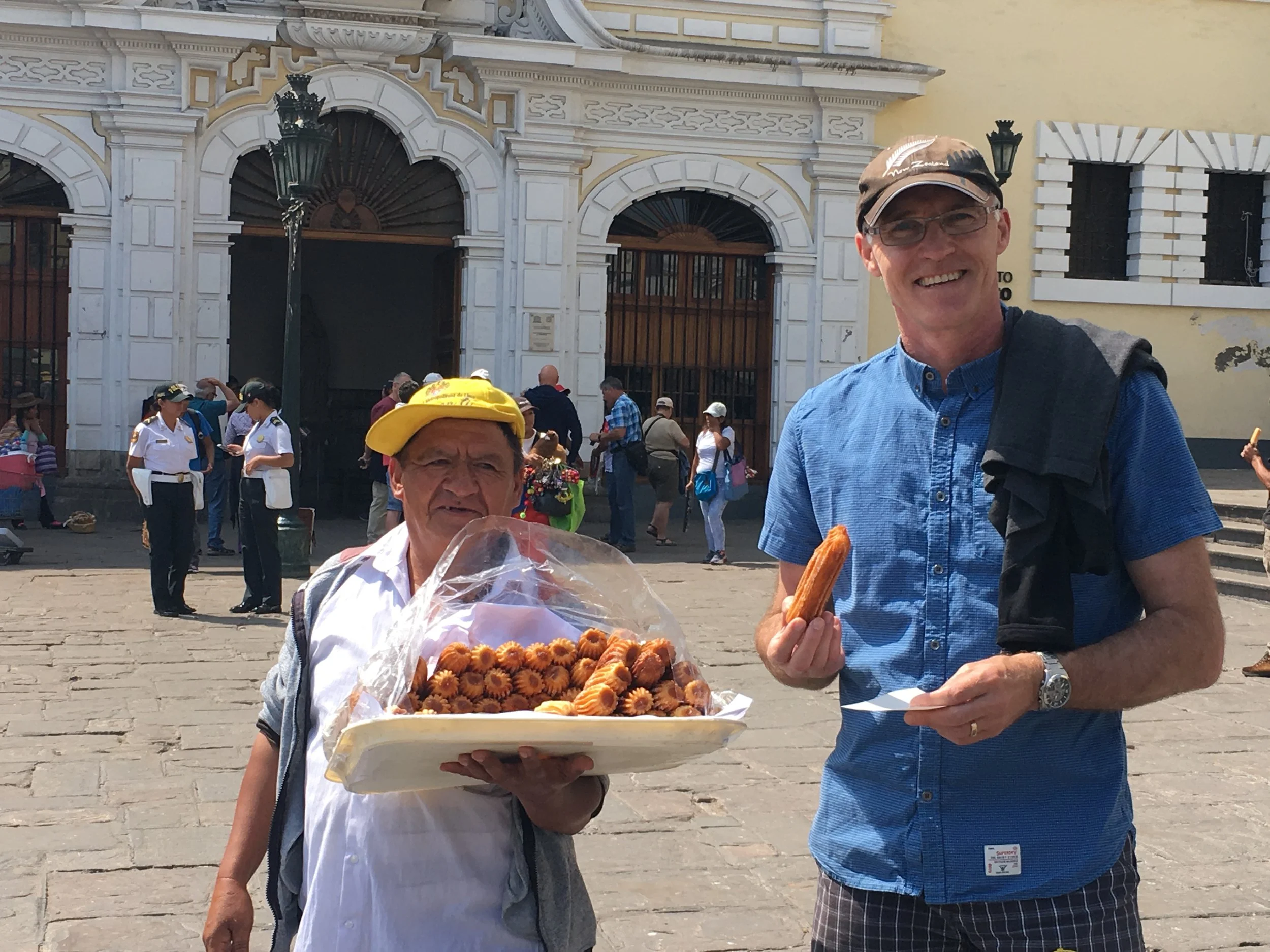
And every day should included freshly made churros, a little sugar, a stroll through the streets. Watching and being curious.
What could be better?
A WALK THROUGH LIMA'S HISTORY
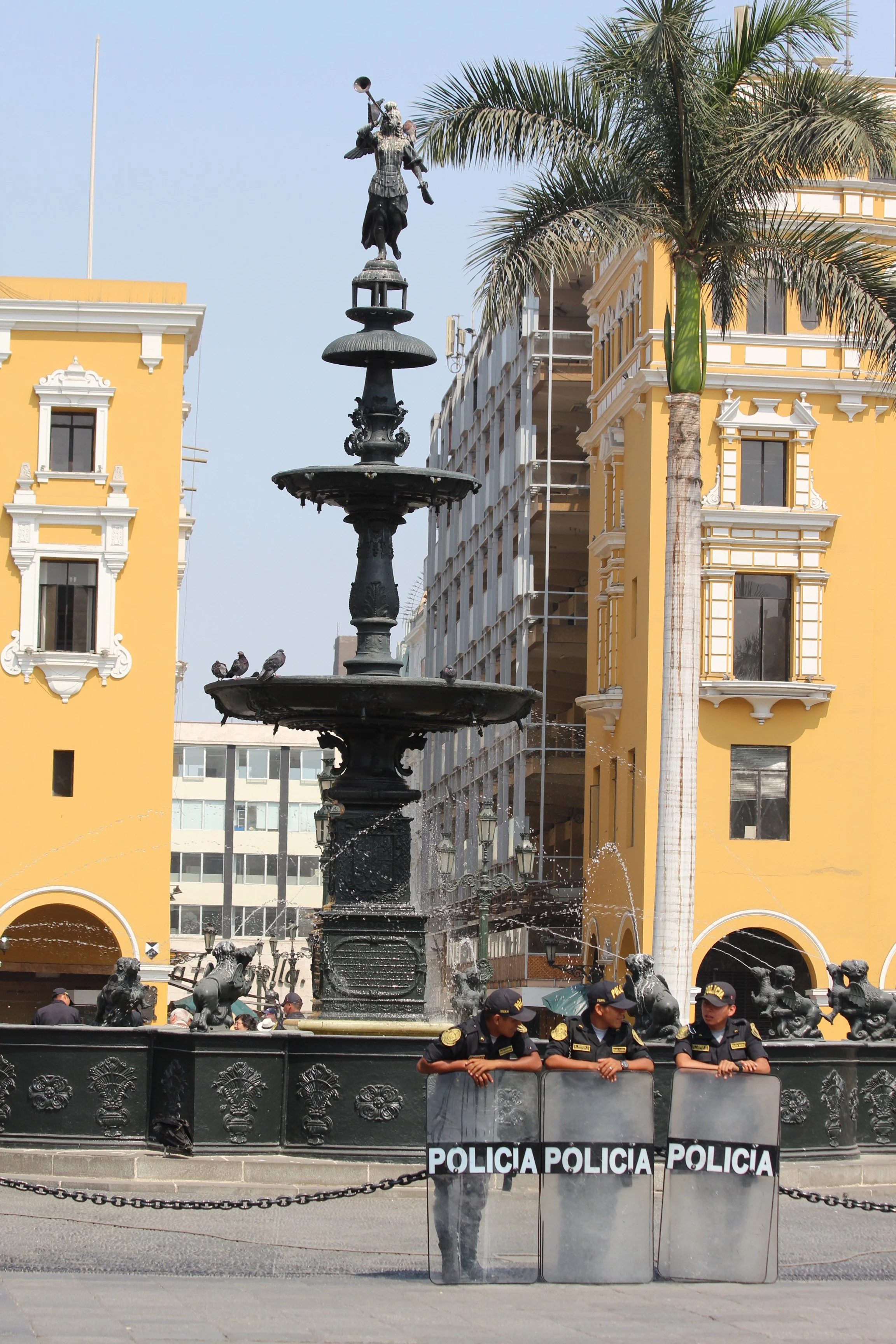
We spent time exploring the historic centre of Lima, a UNESCO World Heritage Site.
This is where the city's colonial past really comes to life.
Lima was founded by Spanish conquistador Francisco Pizarro in 1535 and became the political and administrative centre of Spain's South American empire.
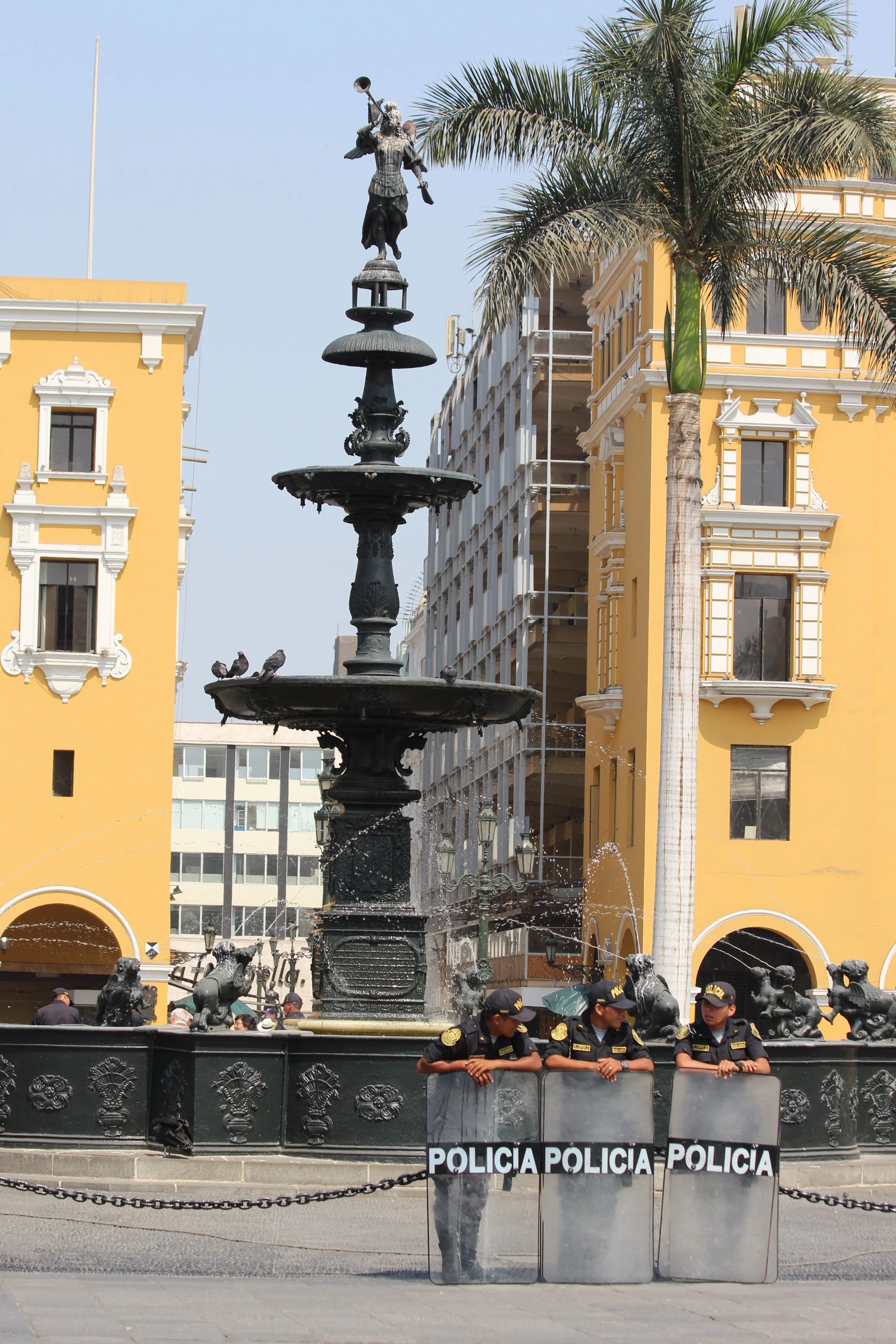
The historic district is filled with grand churches, ornate balconies, colonial architecture and beautiful plazas.
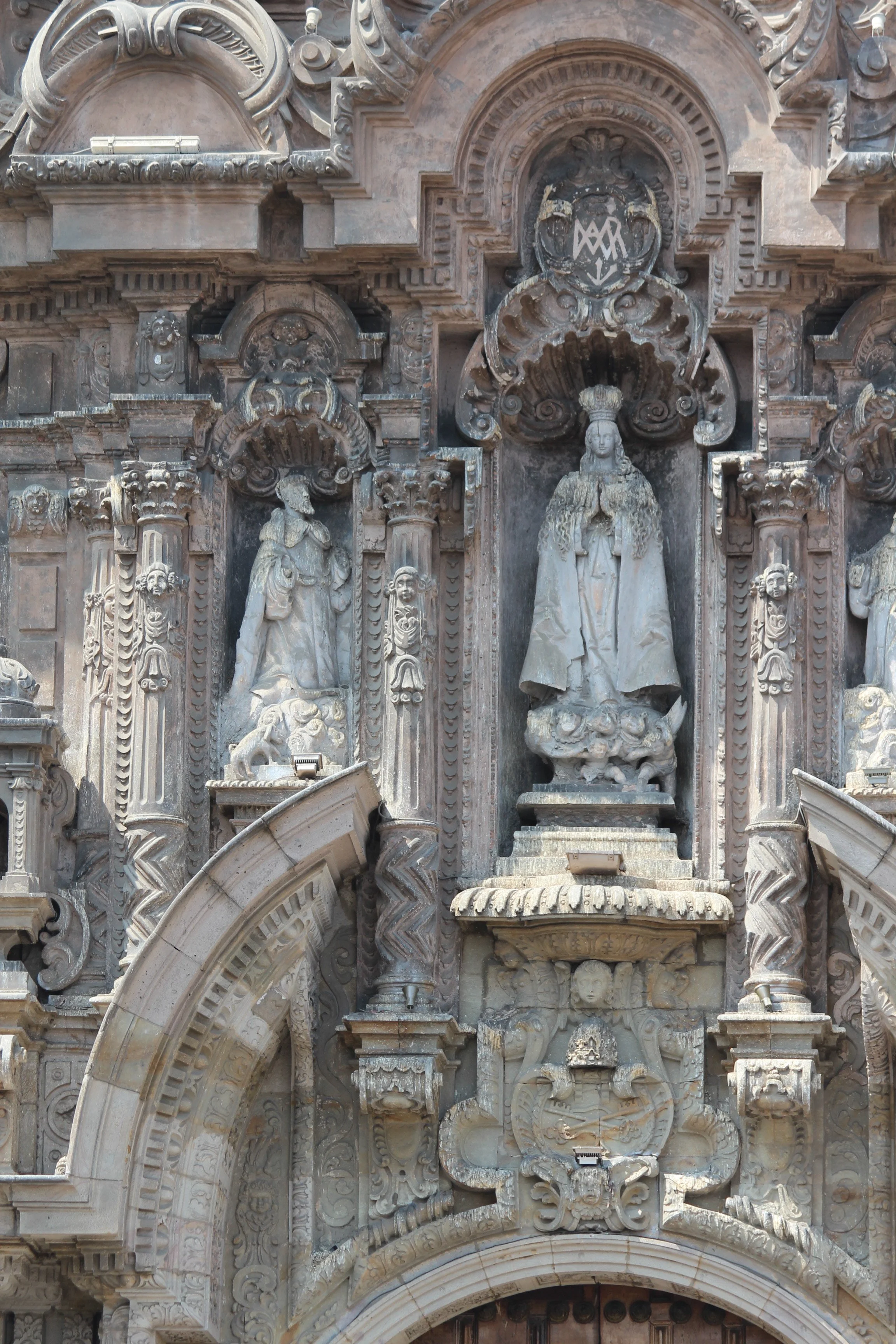
Basílica and Convent of San Francisco
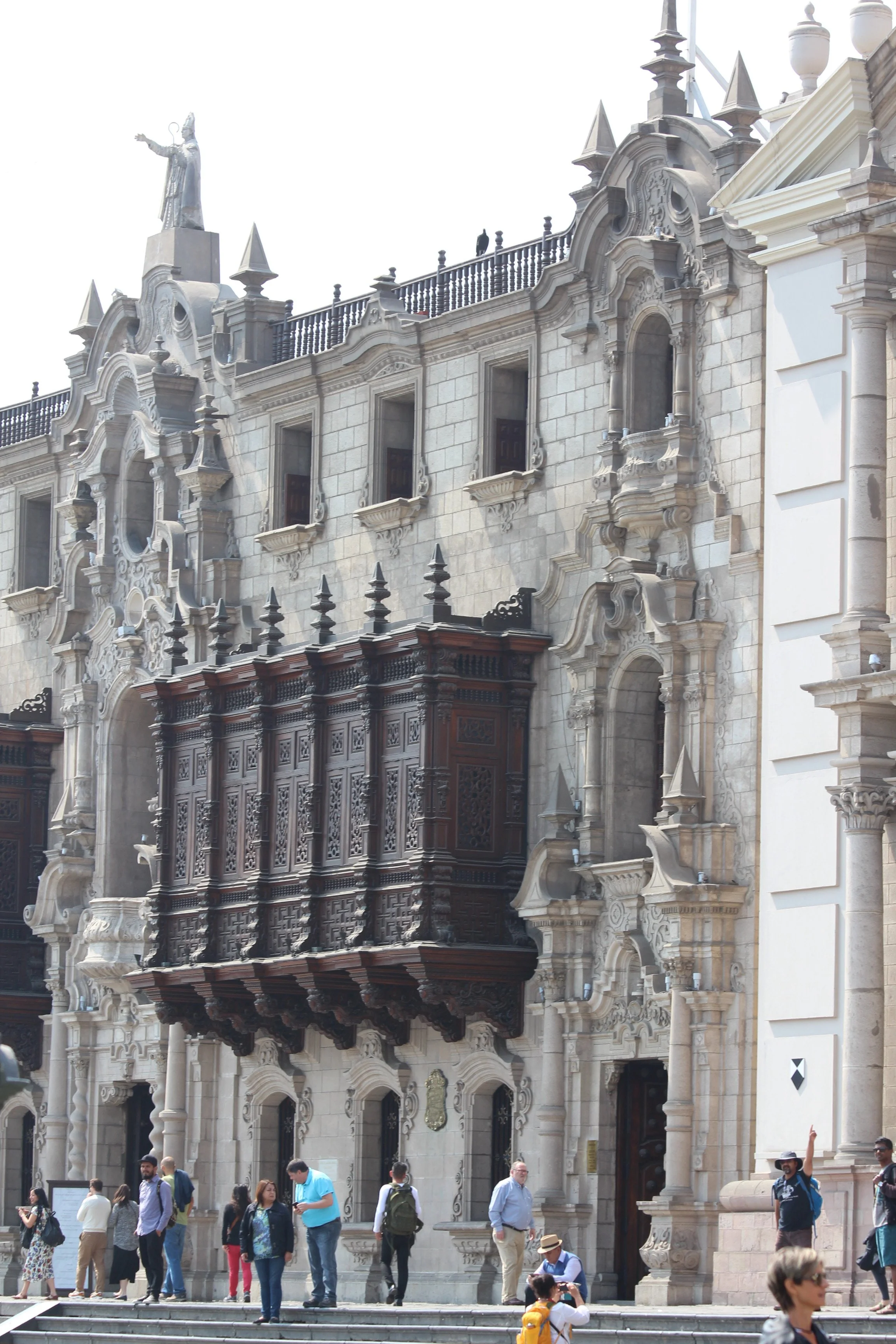
Archbishop’s Palace of Lima
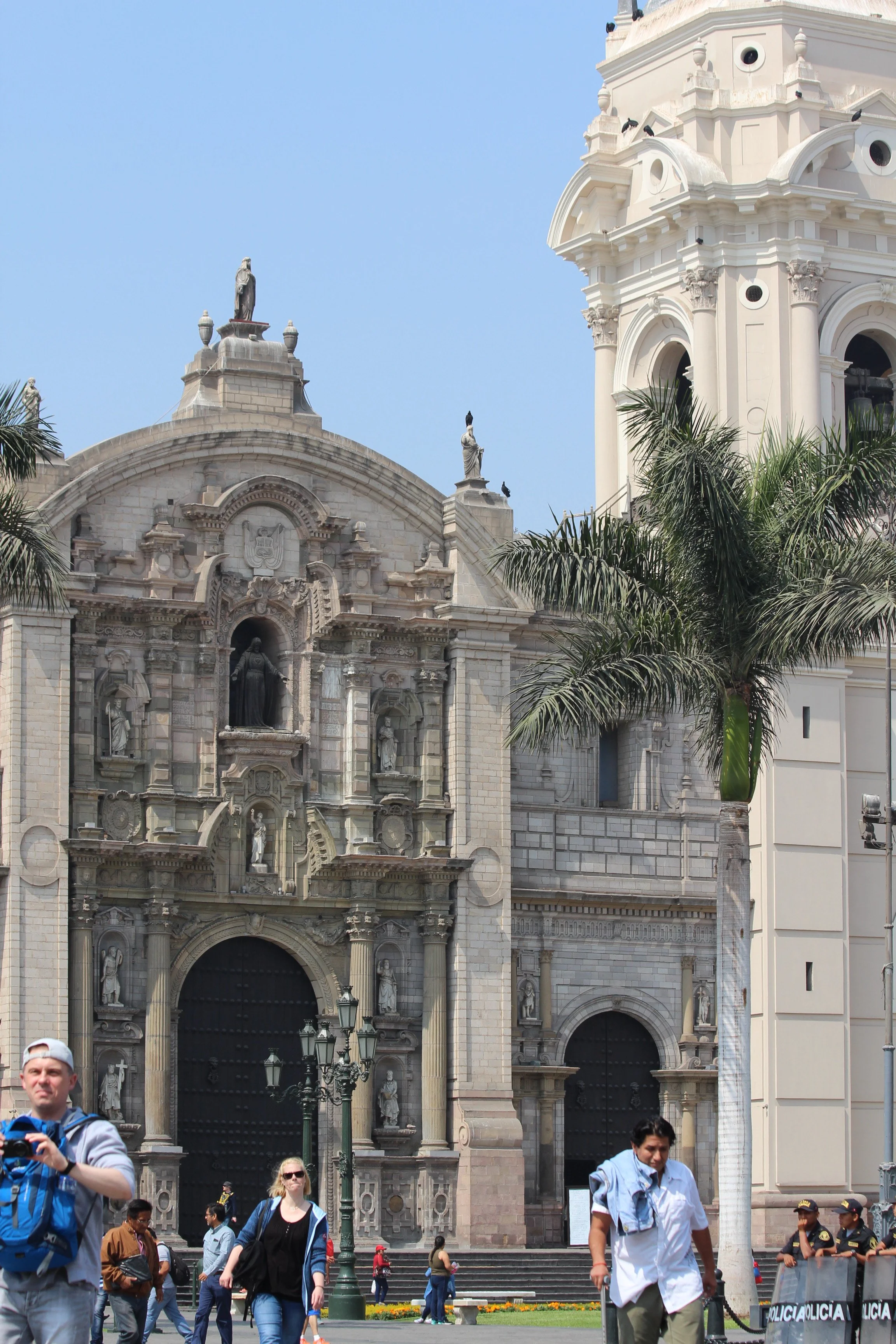
Cathedral of Lima
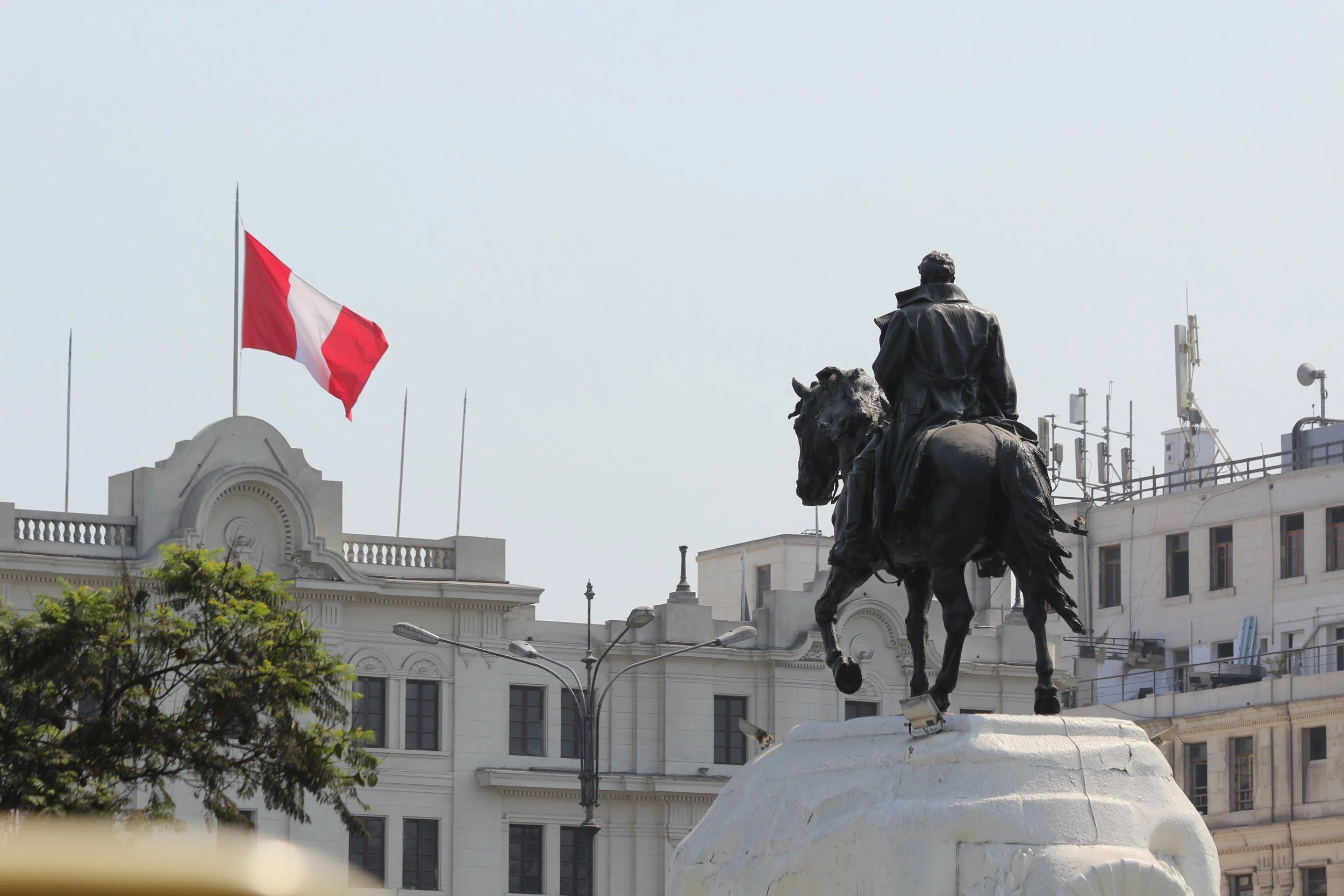
Monument to Jose de San Martin - declared Peru independence 1821 from Spain
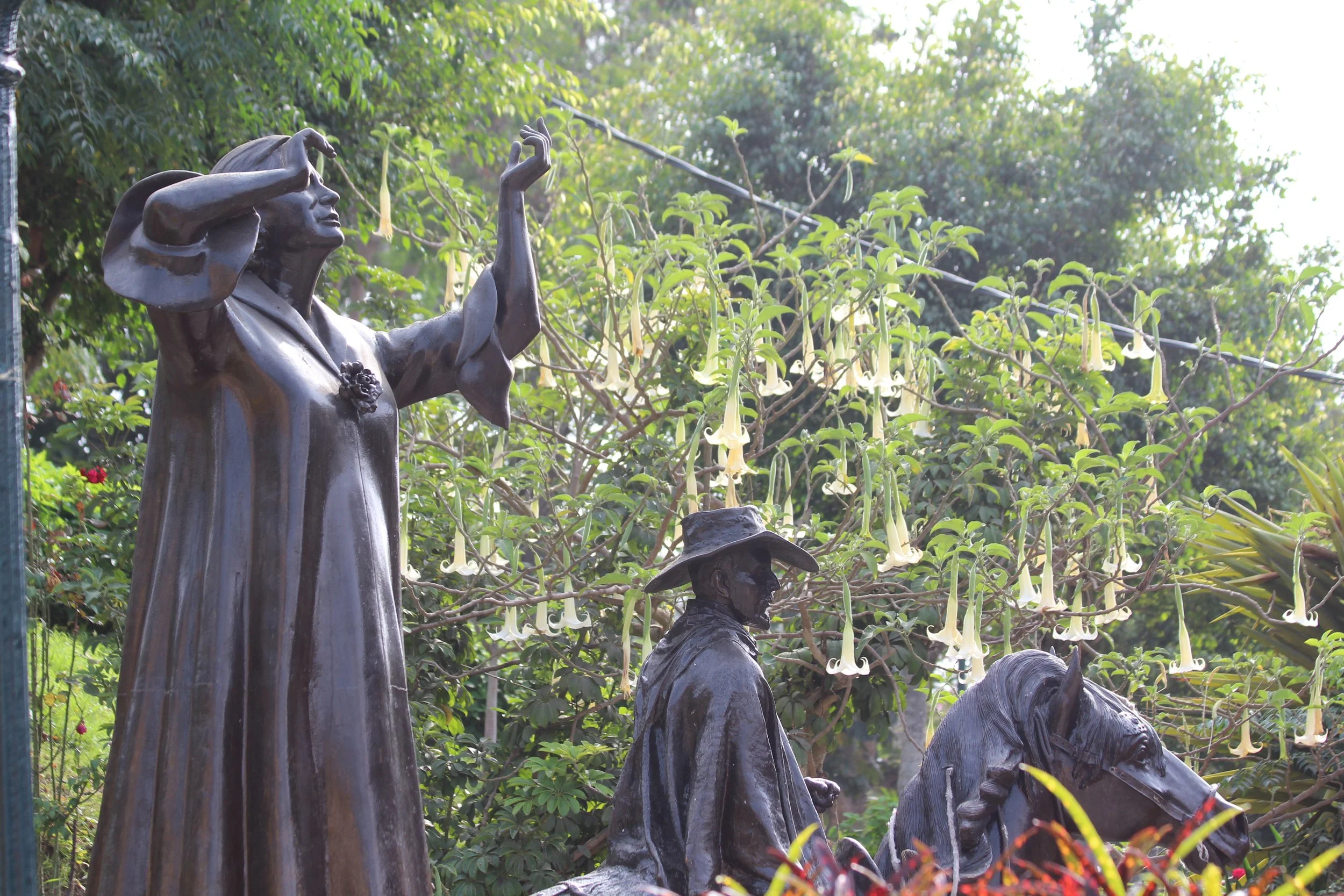
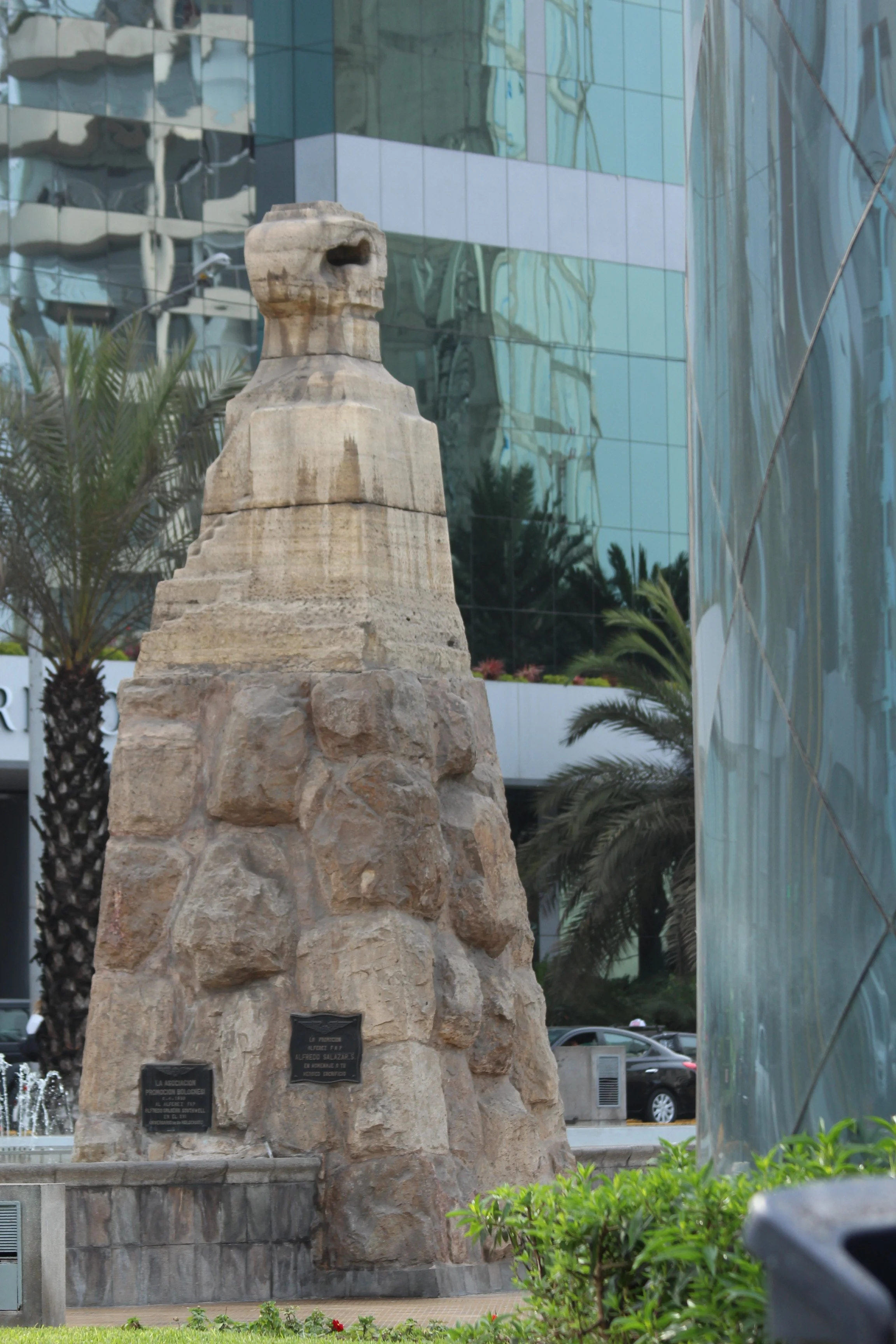
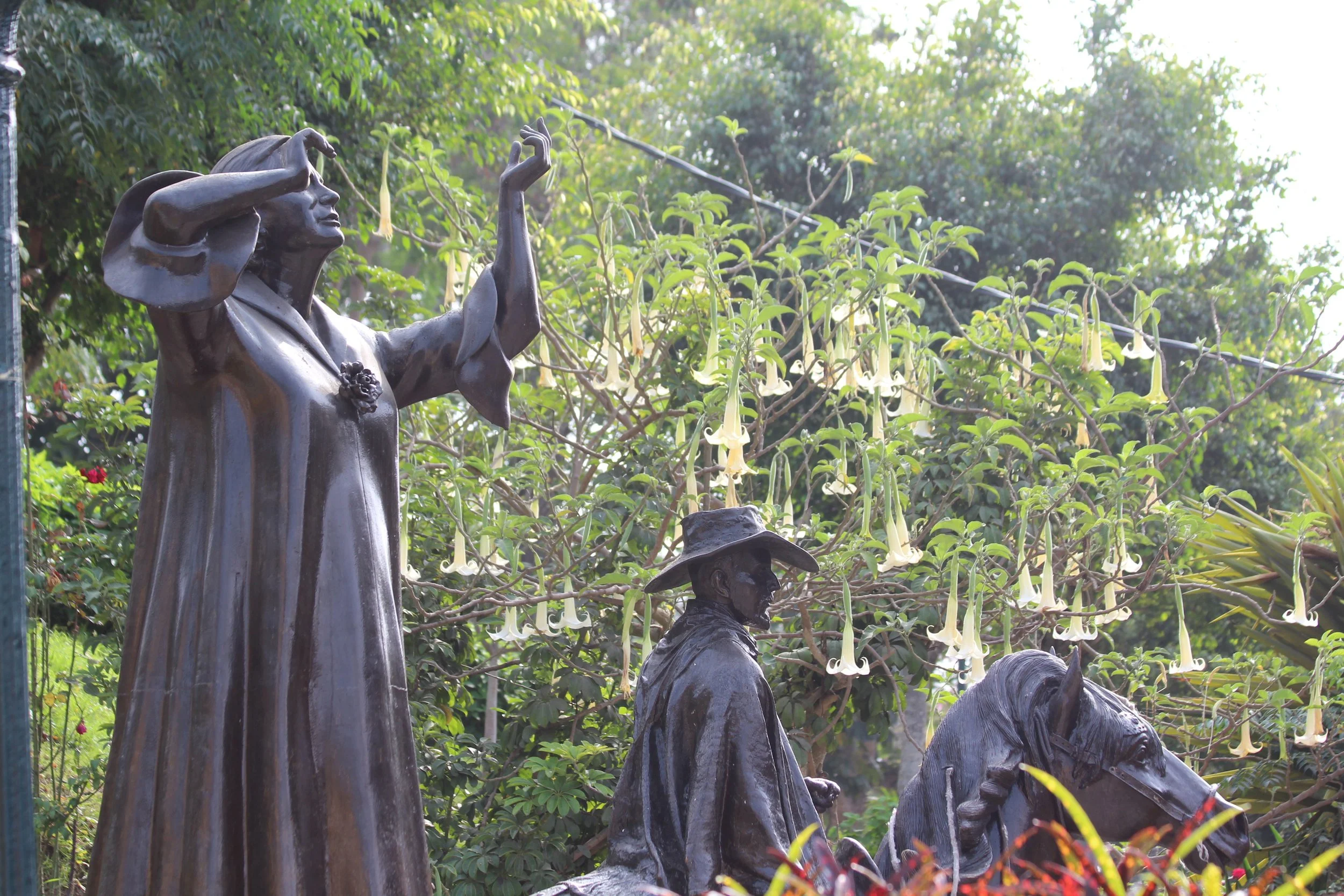
Monument to Chabuca Grande famous for Peruvian waltzes
We wandered the streets, admired the buildings and took in the atmosphere.
One of the more unusual stops was the Monastery of San Francisco and its famous catacombs.
Beneath the church is a network of underground burial chambers that served as a burial place during the colonial period.
It's fascinating, a little eerie and a reminder of just how much history lies beneath the streets of this city.
We also took advantage of Lima's hop-on hop-off sightseeing bus.
After travelling through so much of Peru, having a birds eye view from the double decker. it was a excellent way to cover lots of ground and see the highlights. Remember we only had 3 days here and once we arrived I knew we would be short on time!
THREE NIGHTS, AND STILL SO MUCH MORE TO SEE
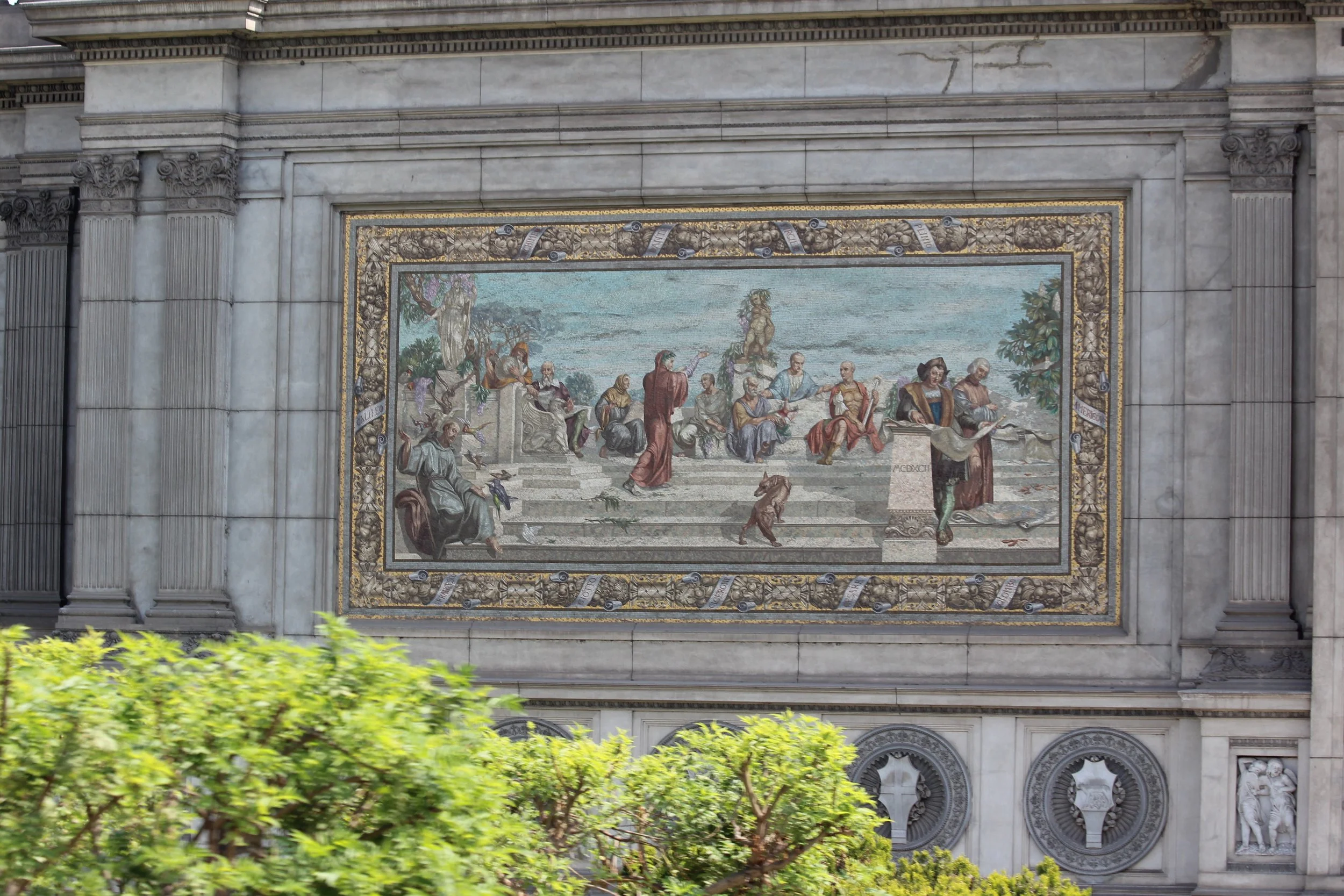
museum of Italian Art - glass mosaics
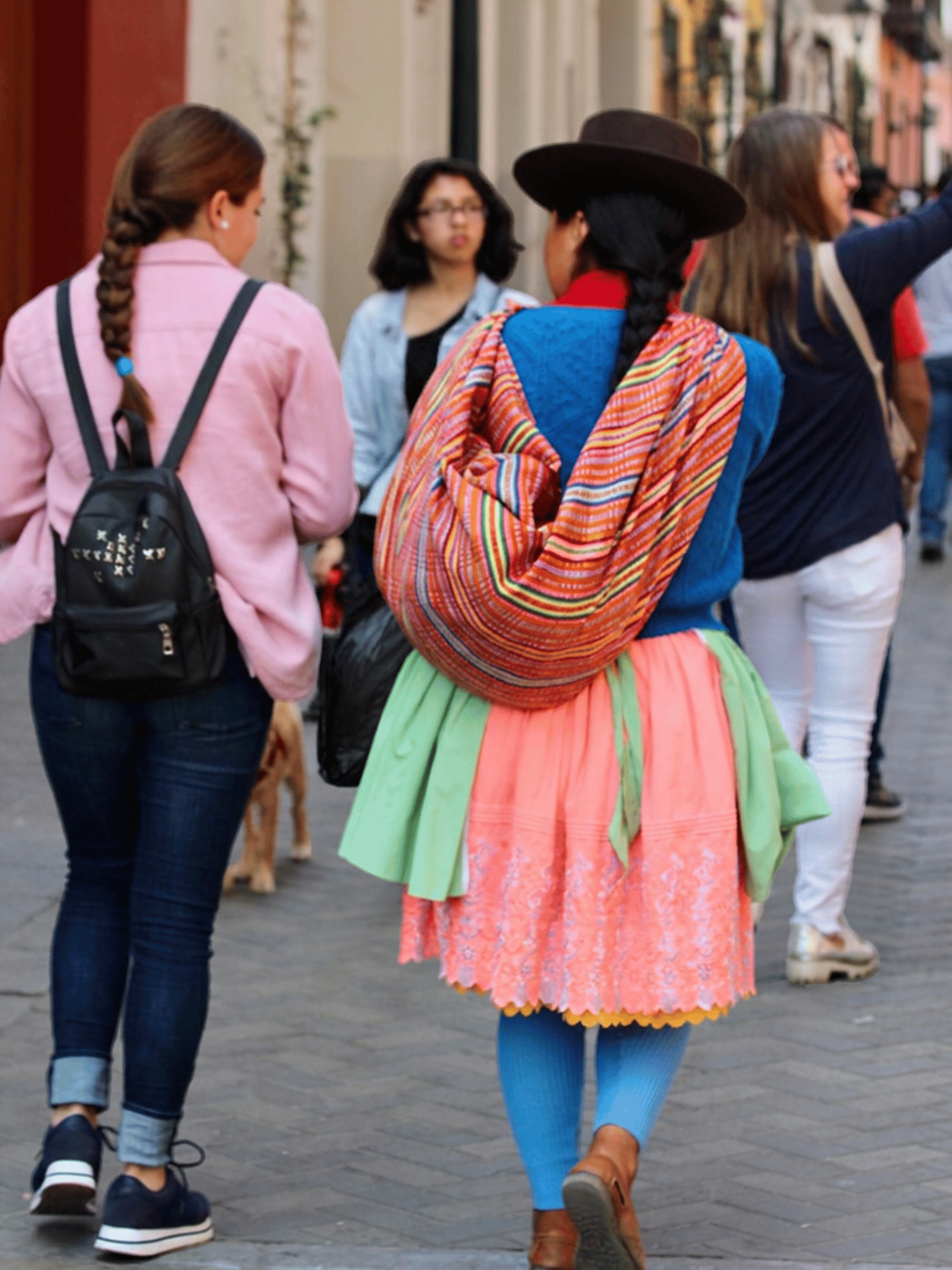
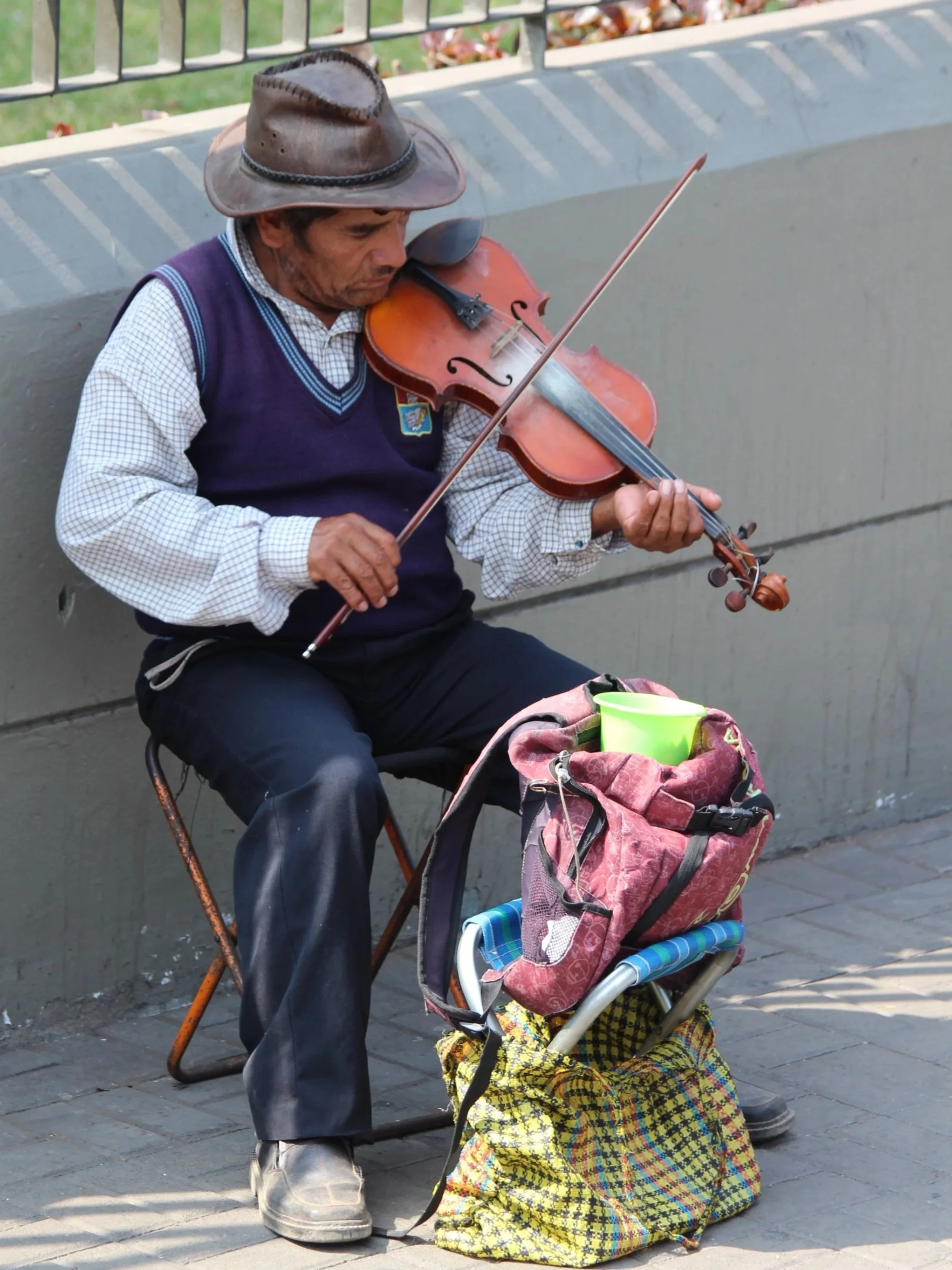
Our three nights in Lima gave us a wonderful introduction to the city, but I can honestly say we could have stayed longer.
Between the food, art, history, architecture and coastal scenery, Lima offers so many different experiences.
We had a front-row seat to an extraordinary Central meal, wandered through artistic neighbourhoods, discovered ancient civilizations, explored colonial streets, watched paragliders soar over the Pacific and enjoyed a few spontaneous street stops.
And that's what I love about travel.
You can plan the big experiences months in advance, like a reservation at Central, but some of your favourite memories happen when you turn a corner or stop to notice something that everyone else seems to be walking past.
Lima was the perfect final chapter to our Peruvian adventure.
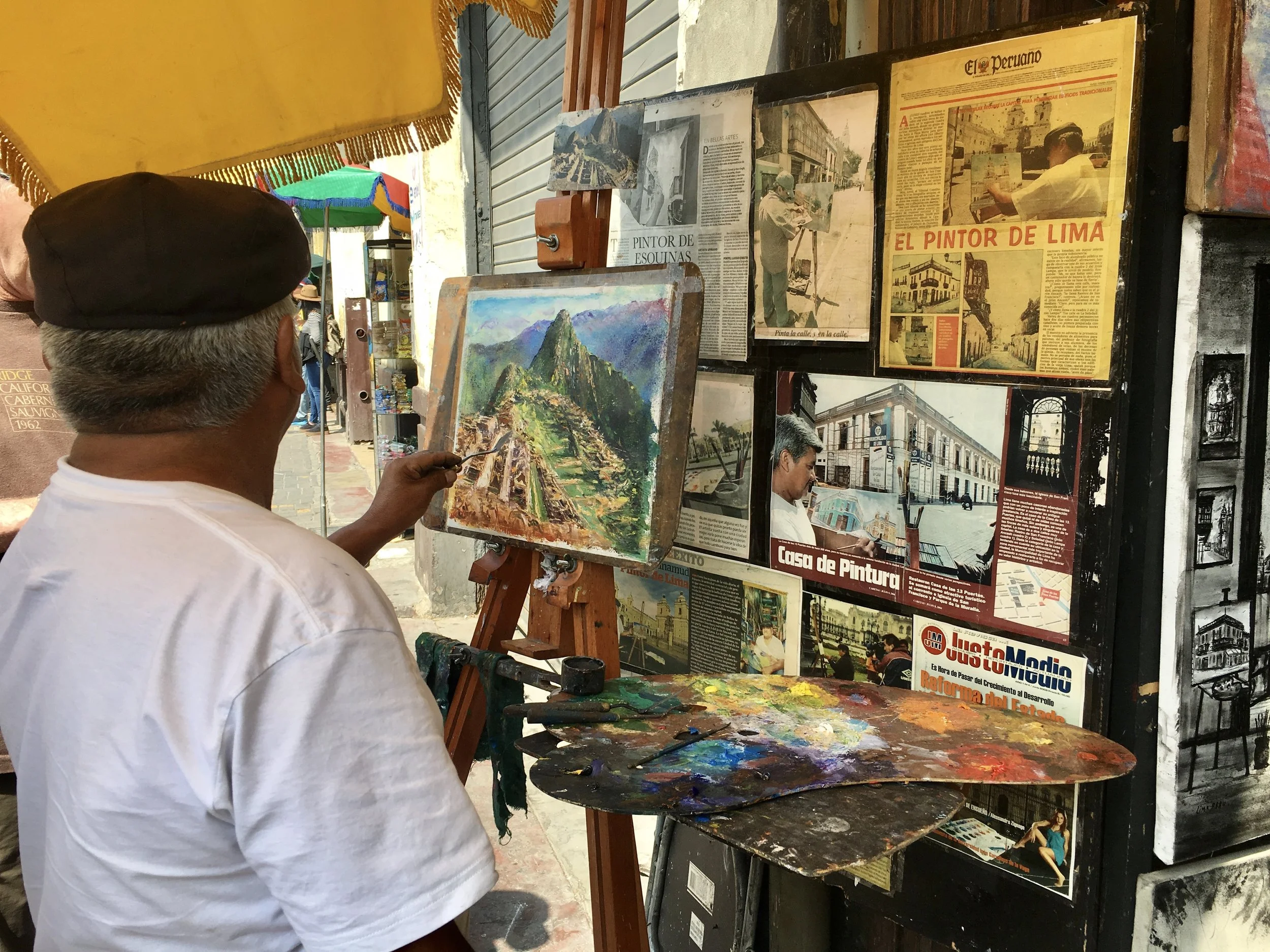
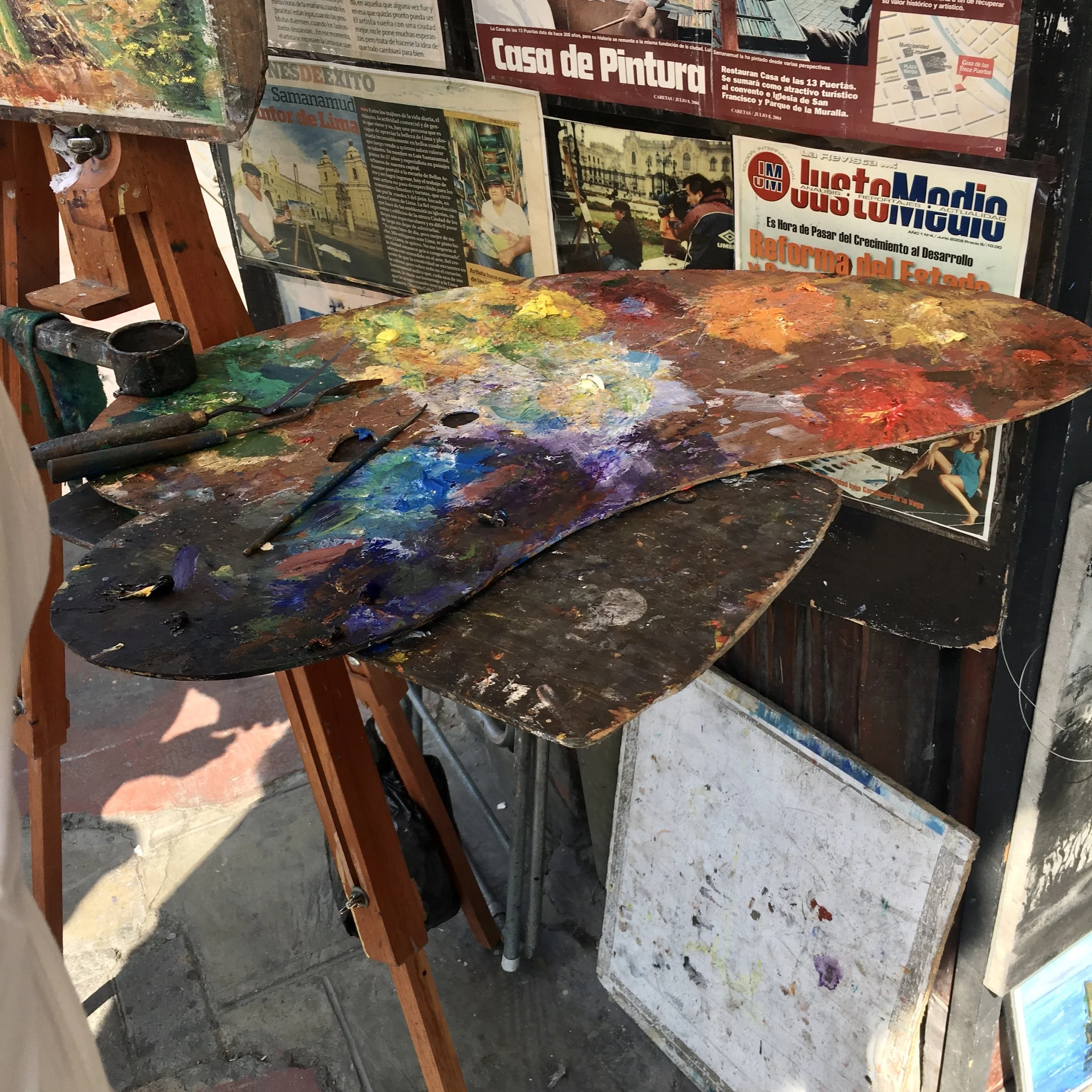
Luis Sananamud T. Artist
From the heights of Machu Picchu to the flavours of Central, from ancient ruins to colourful murals, Peru gave us an incredible collection of experiences.
Would I recommend adding Lima to your Peru itinerary?
Absolutely!
And if you're a foodie, an art lover or someone who enjoys discovering a city's culture beyond the usual tourist attractions, give yourself more than a quick stopover.
Peru had been on our bucket list, and it delivered in every possible way.
Three nights in Lima simply left us wanting more.
Hasta luego, Peru! What an adventure.