
Sleep
You Think You’re Sleeping… Until You Discover What Rested Actually Feels Like
Sleep isn’t downtime. It’s your body’s rebuild time.
Ever wake up tired… even after 7–8 hours?
Need coffee to become a human?
Hit an afternoon wall and think:
“Maybe this is just aging.”
What if it isn’t?
What if your body isn’t missing sleep…
What if it’s missing quality sleep?
Because there is a difference.
At JMFlavors – Food With Benefits, one of the biggest things I hear from women is:
“I sleep… but I don’t wake up restored.”
That’s a very different problem.

Sleep is one of the most powerful health tools we have.
Sleep is when your body performs some of its most important maintenance work:
Supports memory and learning
Helps regulate hormones and appetite
Supports immune function
Assists physical recovery and tissue repair
Helps maintain healthy blood sugar regulation
Supports emotional regulation and resilience
Research consistently shows inadequate sleep is associated with higher risk of weight gain, metabolic disruption, impaired immune function, cardiovascular disease, and reduced quality of life.
And here’s a fascinating (and slightly uncomfortable) fact:
Researchers use sleep deprivation in studies because inadequate sleep affects mood, concentration, reaction time, memory, and stress response so dramatically that people notice measurable declines quickly. Sleep loss is considered a significant physiological stressor.
That doesn’t mean lack of sleep equals torture—but it does remind us how deeply sleep affects the body.

My own experience changed how I think about sleep.
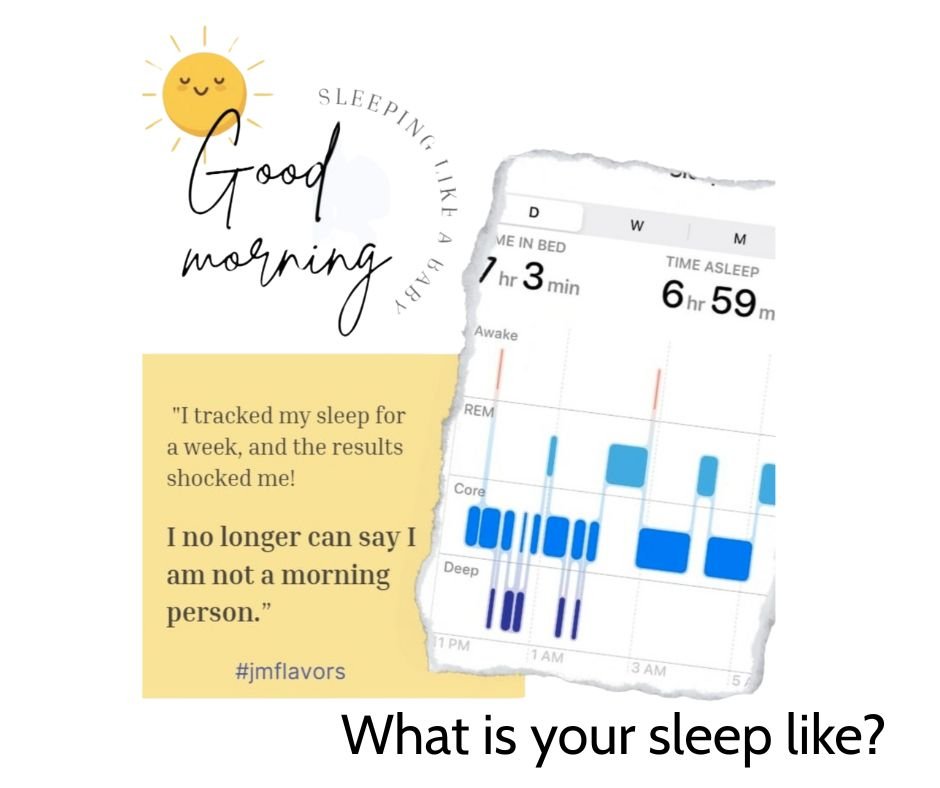
Personally, I thought I slept well. I was getting 7–8 hours most nights… but I was still waking tired. (Good thing I trained my hubby to bring coffee to the bedroom.)
Then I started paying closer attention.
As I focused on improving my overall nutrition foundation and becoming more consistent with my routine—including adding my multivitamin with the Restore formulation—I noticed something unexpected:
• I started waking before my alarm.
• Morning walks became easier.
• I felt more restored and ready for the day.
Now—to be clear—that’s my personal experience, not a claim that these products improve sleep or will create the same results for everyone.
What surprised me most was realizing I had normalized feeling “good enough” instead of asking what truly restorative sleep could feel like.
And yes… my wearable data showed changes too, which made me curious and helped me notice patterns. Keep in mind - consumer sleep trackers provide estimates and are not medical diagnostics.
It made me ask a bigger question:
Was I actually sleeping well… or had I just become used to feeling tired? How is your sleep?

Could nutrition influence how rested we feel?
Nutrition and sleep have a two-way relationship.
Research shows certain nutrients are involved in processes connected to sleep regulation and nervous system function.
Magnesium
Magnesium contributes to normal muscle function and nervous system function, and low intake has been associated with poorer sleep outcomes in some studies.
Vitamin D
Low vitamin D status has been associated with poorer sleep outcomes in observational research, though evidence is still evolving.
L-Theanine
Early research suggests L-theanine may support relaxation and perceived sleep quality in some individuals.
Ashwagandha
Some studies suggest ashwagandha may support sleep quality and stress resilience, though effects vary and research is ongoing.
Chamomile & Lemon Balm
These herbs have traditionally been used for relaxation, and research continues to investigate their role in sleep support.
And what about amino acids like Glycine
Amino acids are the building blocks used throughout the body. Adding them makes sense.
What if being “not a morning person” isn’t your personality?
What if it’s recovery?
What if your body has adapted to functioning below its best?
That doesn’t mean everyone needs supplements.
But it may mean asking better questions:
Am I sleeping enough?
Am I recovering well?
Am I getting foundational nutrition?
Am I managing stress?
Am I waking restored?
Sleep quality may matter as much as sleep quantity.
You can spend 8 hours in bed……and still not wake refreshed.
Sleep quality includes:
✓ Falling asleep
✓ Staying asleep
✓ Sleep continuity
✓ Feeling restored on waking
✓ Daytime energy and alertness
That’s where nutrition, stress, hormones, routines, and overall health often enter the conversation.
Start with the foundations:
→ Consistent sleep schedule
→ Protein + nutrient support
→ Magnesium-rich foods
→ Morning light exposure
→ Less alcohol late evening
→ Nutrition before targeted support
Then, if it fits your goals, explore supportive options designed around relaxation nutrients, amino acids, foundational vitamins, and recovery support.
Because sleep isn’t lost time.
It may be the most productive thing your body does all day.